RAF Holmsley South

Information
RAF Holmsley South
Airfield Site
Details
Airfield Site.
Opened - 1942.
Closed - 1946.
Three runways.
2 + 3 x T2 hangars. extra hangars built as the war was ending.
14 x Dispersed accommodation sites.
1 x Operations Block.
Control Tower (Watch Office)
Brick type 12779/41.
Accommodation Temporary. Mostly Nissen Huts.
R.A.F. : Officers: 177. S.N.C.O´s.: 522. O.R's. : 1926.
W.A.A.F. : Officers: 10. S.N.C.O´s : 9. O.R's. : 312.
(Mil. Airfields 39/45 Willis & Holliss)
RAF Holmsley South
Information
RAF Holmsley South
Details
RAF Holmsley South
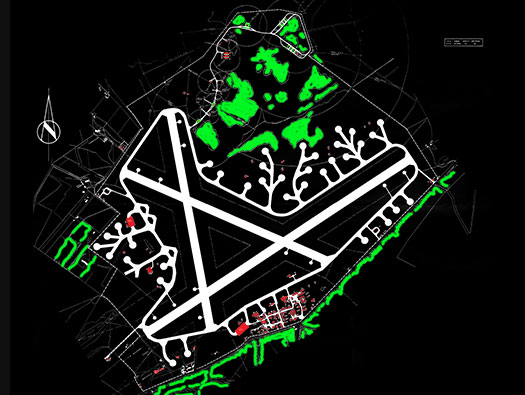
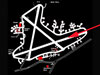
AM 4759/44 Airfield Plan -
Information
RAF Holmsley South
Airfield Site
Details
Airfield Site:
Building started early in 1942 and was not completed when it opened in October.
Built as an 'A' Class RAF airfield to bomber standard.
Aircraft dispersals: 3 x Scissor type & 35 x Circular (frying pan type).

Types of dispersals.
RAF Halifax sitting on its dispersal.
B5 Scissor dispersal.
RAF Holmsley South
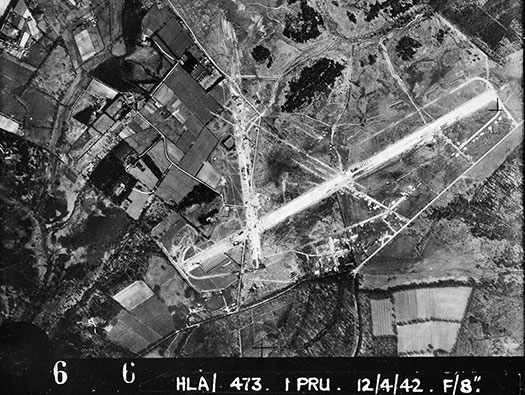
12 April 1942
Information
RAF Holmsley South
Airfield Site
Details
April 1942, just the main E/W runway completed and the Airfield Site No.1 has been started to be laid out. No dispersed sites have been started as they were all in the woodland to the south of the airfield..
RAF Holmsley South

After 1945/6 air photo
Information
RAF Holmsley South
Airfield Site
Details
In its finished state with the five hangars in place. Around 1945/46.
RAF Holmsley South
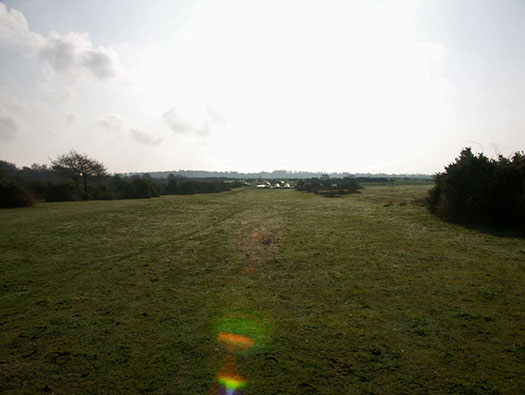
07 February 2005
Information
RAF Holmsley South
Airfield Site
Details
Runway 18/34 N/S.
History
Holmsley South airfield was built during 1942 and though not completed was opened in October of that year. From October 1942 to December 1943 it was a coastal command station. No´s. 547 Sqn. RAF & 330 Sqn. of the 8th USAAF were the first to patrol the Eastern Atlantic from Holmsley. Later No´s. 58 and 502Sqn´s. RAF took over anti U-Boat operations. Also using the airfield between May and June 1943 were the crews of No. 295 Sqn. and pilots of the Glider Pilots Regiment practiced long distance glider towing in preparation for towing 30 Horsa Gliders to North Africa. In January 1944 the 2nd. Tactical Airforce tool over, for attacks on Northern France and later after D-Day support of the invasion. In march 1944 it was 144 Wing with No´s. 441, 442 and 443 Sqn´s. RCAF. with Spitfires. Then from April to June, 121 Wing with No´s. 174, 175 & 245 Sqn´s RAF with Typhoons. Next were No´s. 306, 315 Polish & 129 Sqn. RAF with Mustang fighter bombers and 182 with 184 Sqn´s. Typhoons. From April to July 418 Sqn. RCAF flew night intruder operation. From July 25th to the end of August 1944 the 394th Bomber Group, 9th US Air Force with 584, 585,586 & 587 Sqn´s with Marauders, flew missions over France. From October 1944 to October 1946 Transport Command with 167 & 246 Sqn´s. flying routes to Europe, the Middle East and Far East. The airfield closed for flying in October 1946 and was returned to the Forestry Commission and private ownership in the 1950´s.
Dan Hamblin.
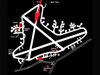
Plan.

Car Park.
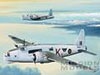
547 Sqn. RAF with Wellingtons.

330 Sqn. of the 8th USAAF with Liberators..

58 and 502Sqn´s. with Halifax.

295 Sqdn. Halifax.

Horsa glider..

441, 442 and 443 Sqdn´s. RCAF Spitfires.
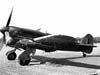
174, 175 & 245 Sqn´s RAF Typhoons.

306, 315 Polish & 129 Sqn. RAF Mustang.

418 Sqn. RCAF flew night intruder Boston´s.

394th Bomber Group, 9th US Air Force. Boston´s.
Transport Command with 167 & 246 Sqn´s Yorks..
RAF Holmsley South
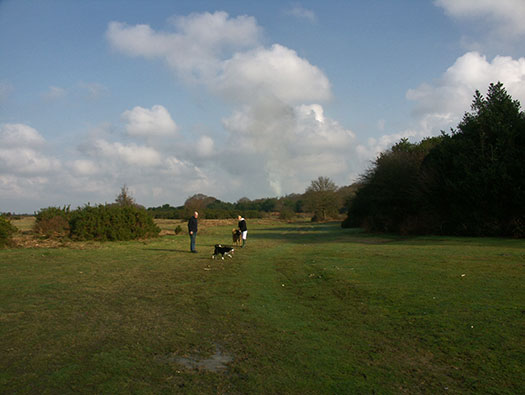
07 February 2005
Information
RAF Holmsley South
Airfield site
Details
The road to the bomb store.
Plan.
RAF Holmsley South
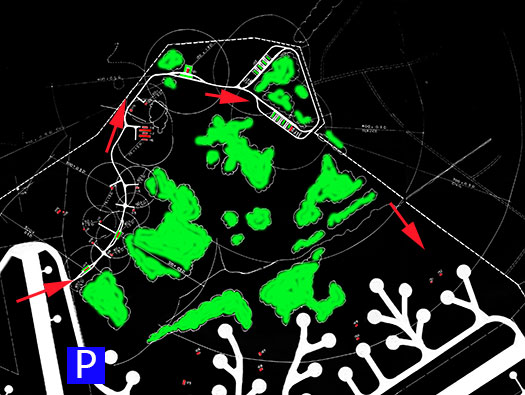
AM 4759/44 Airfield Plan
Information
RAF Holmsley South
Airfield site
Details
Bomb storage area, the red arrows the route of our walk.
The bomb store as you walk in, there are several cross tracks. You have already passed the first fuzing points No.107 now completely removed. The cross tracks lead to 109 left Smoke Bomb Store, a Nissen hut 12725/41 & 108 right, Component Store 4733/42.
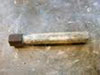
Small smoke bomb.
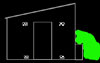
Component store hut.
RAF Holmsley South
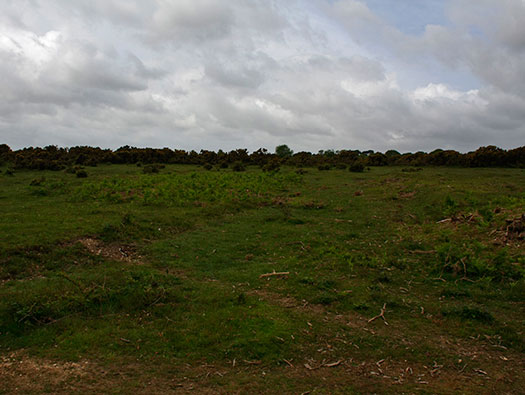
22 May 2011
Information
RAF Holmsley South
Airfield site
Details
Based on the plan: -
Number - Description - building type - Drawing Number.
109 - Smoke Bomb Store - N - 12725/41.
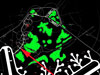
Plan.
Component store.
Twin Nissen hut Pyro stores.
105 - Bofors Gun Crew Hut - TB - 11008/41.
RAF Holmsley South
07 February 2005
Information
RAF Holmsley South
Airfield Site
Details
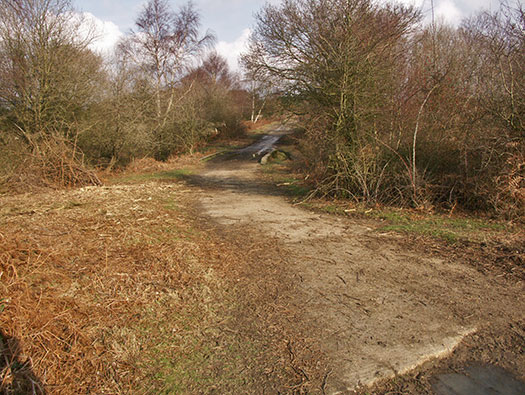
Bomb store road.
RAF Holmsley South
22 May 2011
Information
RAF Holmsley South
Airfield Site
Details
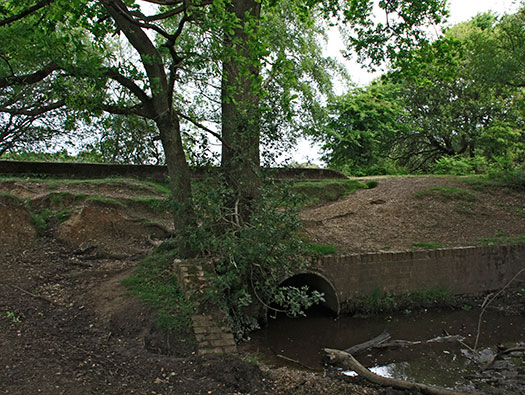
Bomb store bridge over the small stream.
RAF Holmsley South
22 May 2011
Information
RAF Holmsley South
Airfield Site
Details
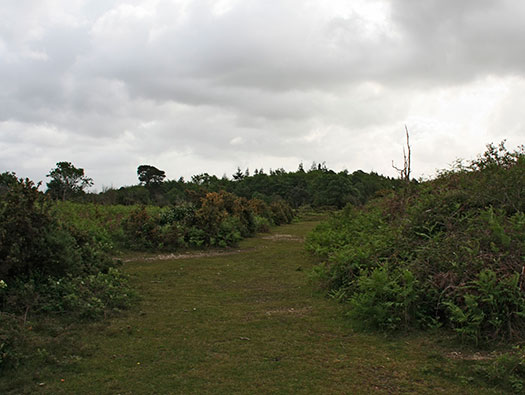
112 - Fuzing Point Building - N - 4778/42.
The main track with a junction slightly to the right, this is the slip roadway into a fuzing point. It was large Nissen hut with a berm of earth either side for blast protection.

How it may have looked
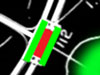
112 plan.
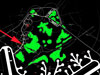
Plan.
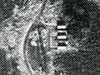
116 - R.U Small Bomb - N 15797/41.
117/118 - Incendiary Bomb Store - N 4734/42.118 R.
RAF Holmsley South
Information
RAF Holmsley South
Airfield Site
Details
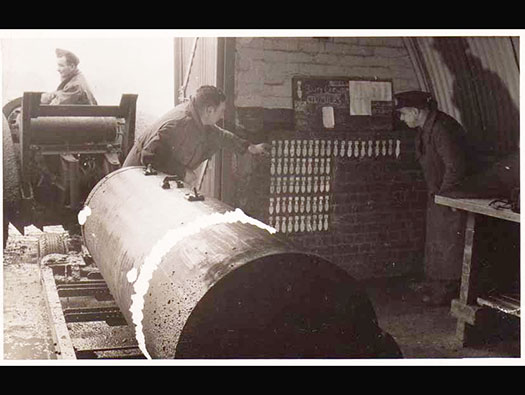
Fuzing Point Building with a 4,000lb bomb
112 - Fuzing Point Building - N - 4778/42.
Inside the fusing point building showing the Warrant Officers checking the bomb type and which fuse to use.
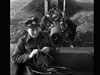
Fuzing.
112 - Fuzing Point Building - N - 4778/42 plan.
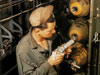
An American USAAF technician fitting in a fuze. The Americans fuzed in the planes, the RAF fuzed in Fuzing Points..
RAF Holmsley South
22 May 2011
Information
RAF Holmsley South
Airfield Site
Details
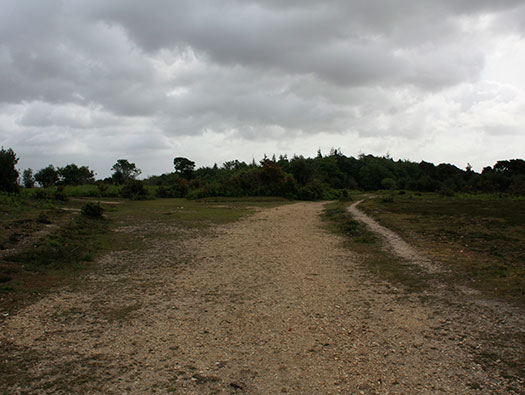
121 - Fuzed & Spare Bomb Area - 4780/42.
Storage for ready use bombs. Just a square of earth berm, with a track through and out toe other side allowing a bomb train to drive through and pick up bombs.
Plan.

Type 5416/40, it would have looked like this one.
Plan.
RAF Holmsley South
22 May 2011
Information
RAF Holmsley South
Airfield Site
Details
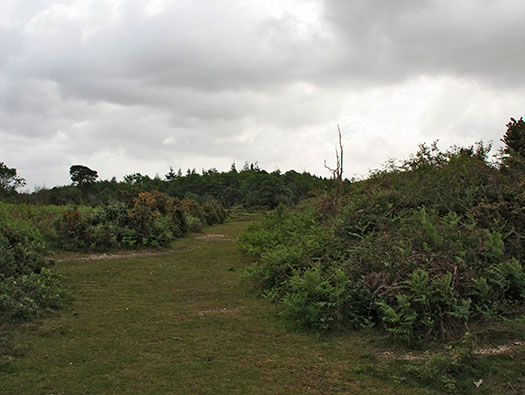
Bomb Store
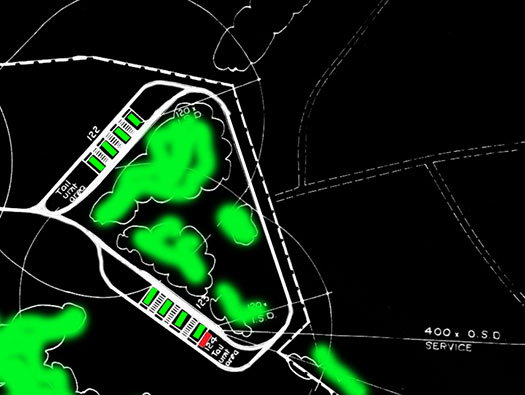
To the left the track leads off and there was a long brick wall, with four unloading bays. In between were earth blast walls. 122 - Bomb Store with Tail Units - 3164/42 + a Nissen hut for storage - 557/43.
RAF Holmsley South
4759/44
Information
RAF Holmsley South
Airfield Site
Details
Bomb Store
The New Forest group of 'A' class airfields all had half size bomb stores for some reason. Most 'A'
class had four 3164/42 stores. Except RAF Stoney Cross which had its own more open type of bomb dispersed area.
122 - Bomb Store with tail units - earth - 3164/42 + Nissen Hut - 557/42.
123 - Bomb Store with tail units - earth - 3164/42 + Nissen Hut - 557/42.
124 - R.U. Small Bomb Store - N - 15795/41.
These stores would be filled from central storage at RAF Chilmark with the bombs needed for operations. So if it was a bombing raid, bombs would fill up, and if the next was to be a mine laying operation, the store would be emptied and filled with mines.
Bomb store layout.

Plan of a 3164/42.
Bombs.
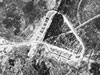
Bomb store with the first completed and the second, still under construction..
RAF Holmsley South
22 May 2011
Information
RAF Holmsley South
Airfield Site
Details
Bomb Store
On the right is the unloading wall, now nicely covered over by the Forestry Commission, they have done their utmost to destroy any historic sites that it can.
Lorries arriving from RAF Chilmark. Loaded with bombs, would drive up to the wall, lower its side panel and then the bombs would be trammeled off the lorries , into the store. This is the same method used by Dray-men from the breweries when they lowered barrels into a pubs cellar.
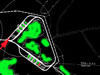
Plan.
Rail head.

Off loading wall.

Bombs would be unloaded from the lorries into the store, then when needed re loaded on low trailers to be taken for fuzing and then loading on planes.

Always look out for Trammel rings set into the wall.

Trammeling WW1 style..
RAF Holmsley South
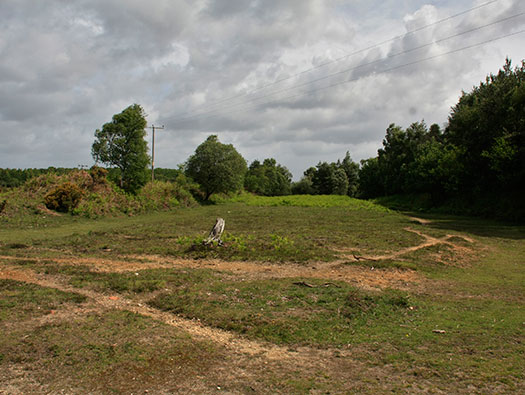
22 May 2011
Information
RAF Holmsley South
Airfield Site
Details
Bomb Store
This is the end of of the second store which was the tail (Unit) fin storage area.
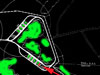
Plan.
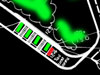
123, 124 & Tail Unit area.
Tail fin store.
RAF Holmsley South
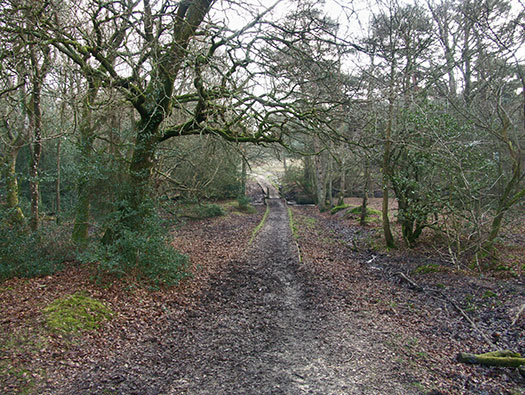
07 February 2005
Information
RAF Holmsley South
Airfield Site
Details
Now continuing down the hill to cross a small stream.
Plan.
RAF Holmsley South
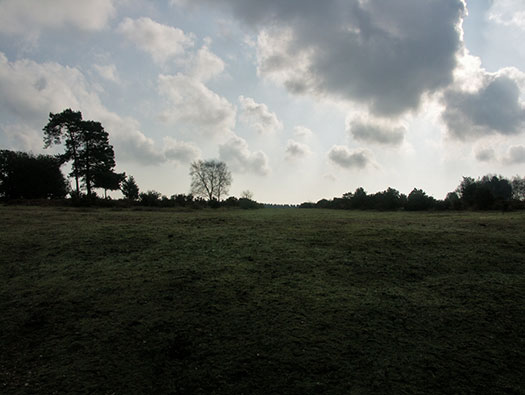
07 February 2005
Information
RAF Holmsley South
Airfield Site
Details
38 dispersals
N
ow arriving at a dispersal, they had accompanying Pyro store to store any flairs that are used in the aircraft. They needed to carry flairs to be used as recognition. When flying back to England they would have to fire off "Colour of the Day" a combination of three colours. Say red over green, etc. These live flair cartridges must not be left in a plane and needed to be stored safely between flights. Flairs and guns would be issued for every flight. There was also Bofors 40mm AA guns laid out around this area and each gun had a hut attached to it for the crew to live in.
Plan.

1941 British No. 3 mk.1. Flair pistol.
Pyro Store in Nissen Hut.

Pyro Store .

Aircraft dispersals in this area.
The red spots are
in pairs, one a daily servicing hut - Nissen Hut. And a Pyrotechnic Store for flares removed from aircraft when they land. Safety reasons.
RAF Holmsley South
07 February 2005
Information
RAF Holmsley South
Airfield Site
Details
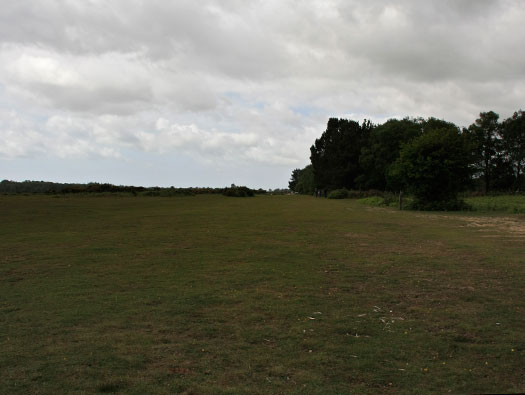
Perimeter track, 50ft wide continuing right around the outside of all the runways. A plane joining the perimeter track could then drive to whichever runway that they need to take off from, freeing up runways just to be used for take off and landing.
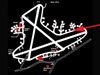
Plan.
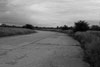
Perimeter track.

Halifax on a dispersal.
RAF Holmsley South
22 May 2011
Information
RAF Holmsley South
Airfield Site
Details
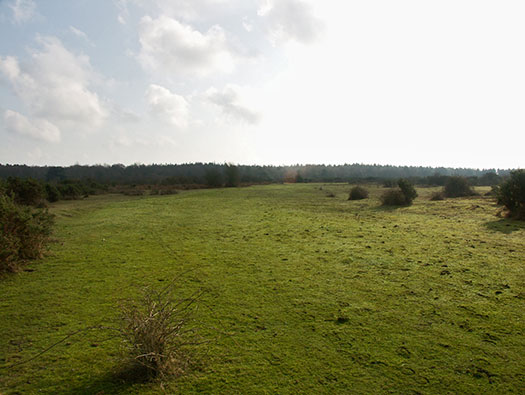
Perimeter running around the end of the runway 25/01.
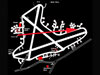
Plan.
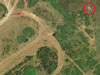
The end of runway 25.
RAF Holmsley South
07 February 2005
Information
RAF Holmsley South
Airfield Site
Details
Runway
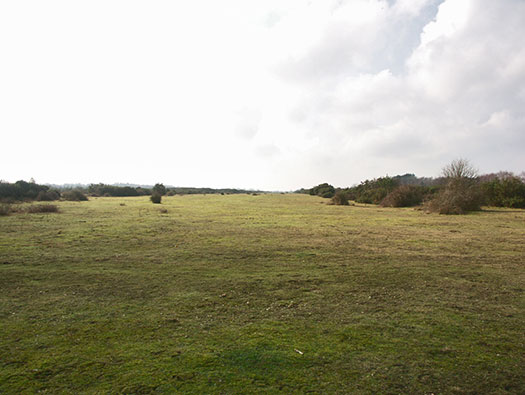
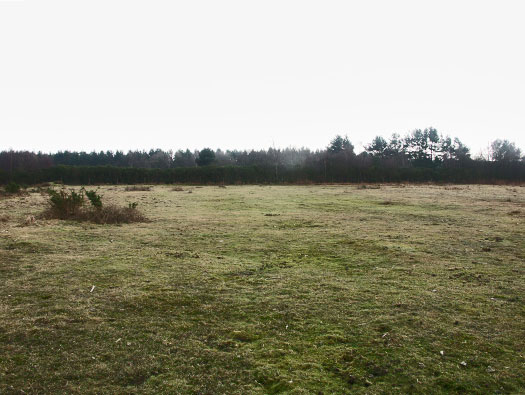
150ft wide bomber standard runway 25/01.
RAF Holmsley South
07 February 2005
Information
RAF Holmsley South
Airfield Site
Details
Runway
The end of the runway, over the hedge were: -
133 - A.S.V.B.A. Standing. I cannot find out what this is yet?
134 - Inner Marker Beacon.
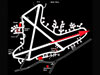
Plan.
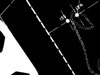
Plan.
The red circle is where the Inner Marker was.
RAF Holmsley South
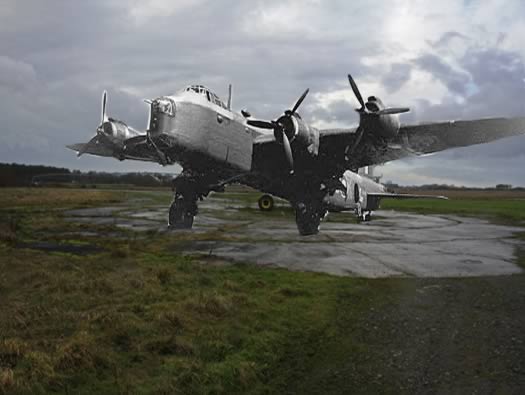
07 February 2005 ----------------------------------------------- 29 December 2011 RAF East Moor Stirling bomber
Information
RAF Holmsley South
Airfield Site
Details
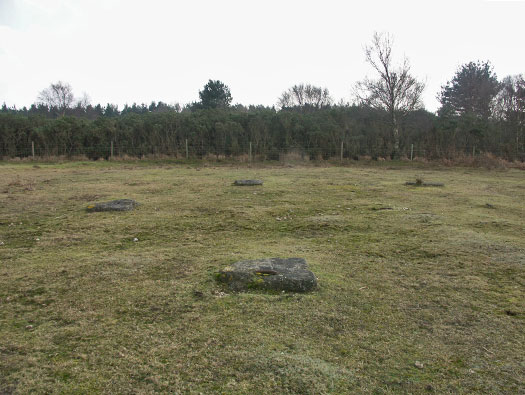
Dispersal.
36 Aircraft dispersals, this area would have been a circular piece of concrete with a roadway to attach it to the runway. This was a B4 type circular or "Frying Pan" dispersal with four tie downs.
details
Types of dispersals.

Aircraft dispersal.
RAF Holmsley South
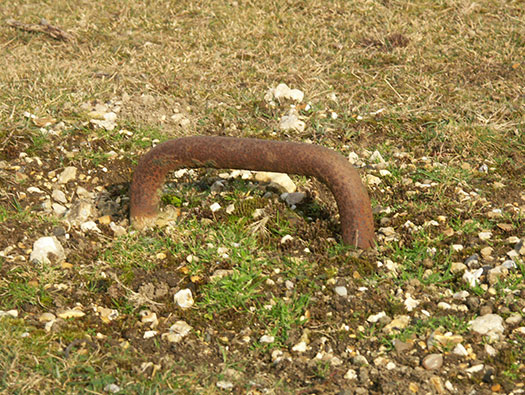
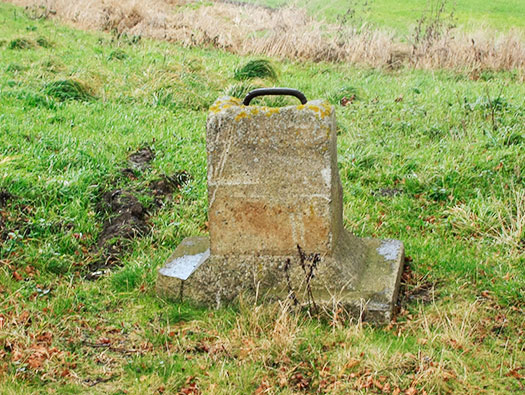
07 February 2005 ----------------------------------------------- Tie down at RAF East Moor
Information
RAF Holmsley South
Airfield Site
Details
Dispersal.
Aircraft tie down. An aircraft parked on the dispersal would be tied down to these very strong steel hoops that were set into the concrete dispersal to stop an aircraft being blown away by a strong wind. The second picture is an aircraft tie down at RAF East Moor, showing what was set under the concrete of the dispersal.

Tied down aircraft.

Dispersal.
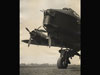
Stirling.
RAF Holmsley South
07 February 2005
Information
RAF Holmsley South
Airfield Site
Details
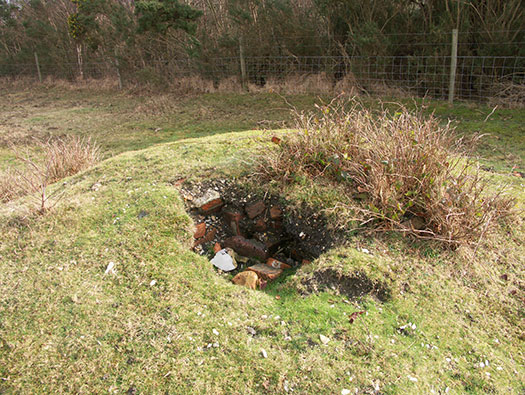
138 - M & E Plinth - Brick.
139 - Picket Post - N - 12404/41.
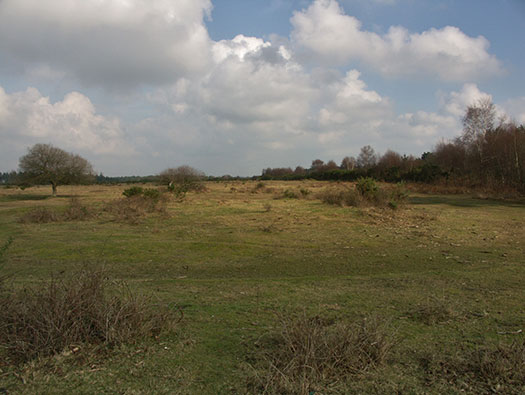
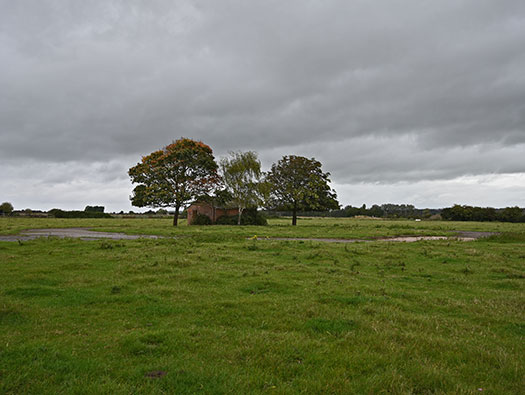
140 - Bulk Petrol Installation - 72,000gal. - 9846/41.
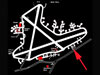
Plan

Bulk Petrol Installation

M&E plinth
Dispersal & Bulk Petrol Instillation.
RAF Holmsley South
07 February 2005 -------------------------------------------------------------------- RAF Weston Zoyland
Information
RAF Holmsley South
Airfield Site
Details
138 - M & E Plinth - Brick.
139 - Picket Post - N - 12404/41.
140 - Bulk Petrol Installation - 72,000gal. - 9846/41.
The second photo is RAF Weston Zoyland and shows what a Bulk Petrol Installation - 72,000gal. - 9846/41 would have looked like.
RAF Weston Zoylands 9846/41 Bulk Petrol Installation.

POL tankers brought the petrol to the airfields and filled up the tanks.

Then to re fuel aircraft a fuel bowser would be used.
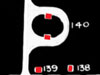
138 - M & E Plinth - Brick.
139 - Picket Post - N - 12404/41.
140 - Bulk Petrol Installation - 72,000gal. - 9846/41.
RAF Holmsley South
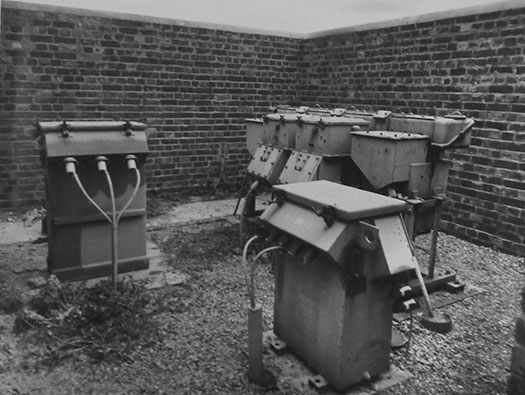
AIR 20-7587
Information
RAF Holmsley South
Airfield Site
Details
M&E plinth was transformer to convert electricity and distribute it to this part of the airfield..
M&E plinth

Cable layout.

The cable.
RAF Holmsley South
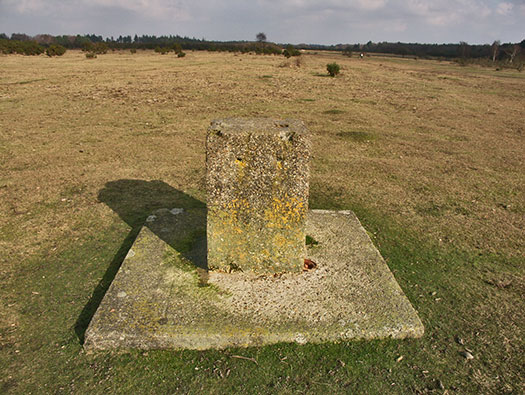
07 February 2005
Information
RAF Holmsley South
Airfield Site
Details
Cloud Height projector
Out on the airfield is a concrete plinth, a Cloud Height projector. On the top would be a lamp that could shine vertically up to low clouds and measuring the angle from the watch office, will give the cloud height.
12779/41 Watch Office (RAF Warmwell).

Cloud height projector.
A more modern light.
RAF Holmsley South
07 February 2005
Information
RAF Holmsley South
Airfield Site
Details
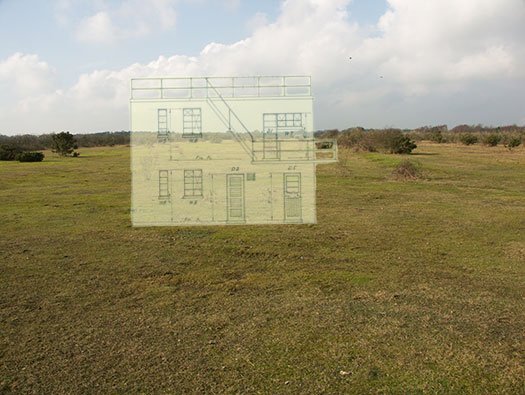
Watch Office
12779/41
Going back to early aviation an office was used to keep an eye out for across the airfield and these gradually became much larger structures, until they morphed into the basic design. An almost square building with a watch office on the ground floor and a control room on the top floor. A balcony and a flat roof where boards can show which runway is being used. This model is a Watch Office 12779/41. As the Americans arrived they were re named Control Towers. This was the most common built.

Watch Office
12779/41 ground floor plan.
12779/41 RAF Warmwell.

Americans out on the balcony.
RAF Holmsley South
1944
Information
RAF Holmsley South
Airfield Site
Details
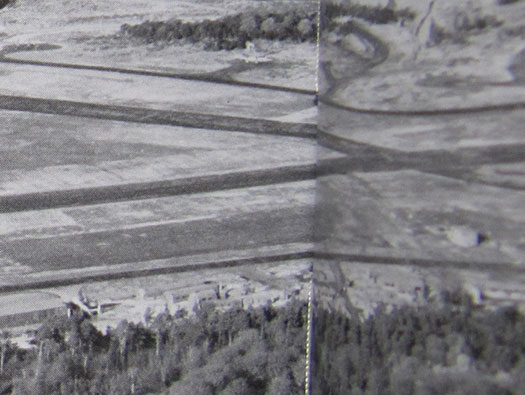
The watch office can just be seen to the right of the picture..

Control room.

Watch room.

Teleprinter room.
RAF Holmsley South
Air 28/368 1945
Information
RAF Holmsley South
Airfield Site
Details
Watch Office
12779/41
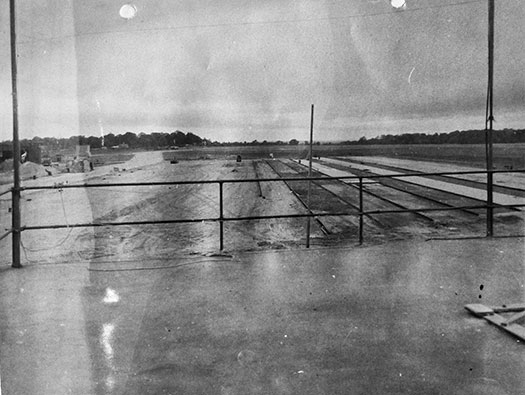
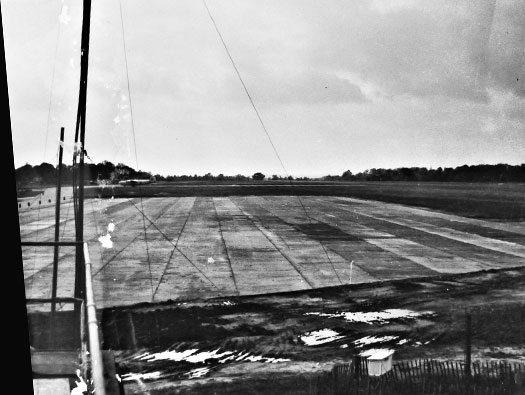
These photos were taken from the roof of the control tower looking along the perimeter track to the west and a large concrete aircraft parking apron. On the first picture the apron is being made and the second when its finished.
Americans out on the balcony.
RAF Holmsley South
Air 28/368 1945/1946
Information
RAF Holmsley South
Airfield Site
Details
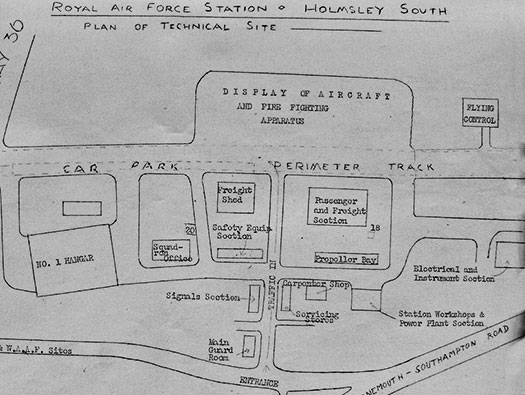
This is a plan for RAF Holmsley South at Home Day 14 September, 1945 between 1pm to 6pm.
This does show that Holmsley was being used as an early airport, with a freight shed and a Passenger area. It was being used as a VIP overseas flights and the flew all around the world from here.
The York flew from here.

Converted Lancaster´s, Lancastrians were also used.

Halifax with a large added cargo hold was another type.
RAF Holmsley South

11 November 2008
Information
RAF Holmsley South
Airfield Site
Details
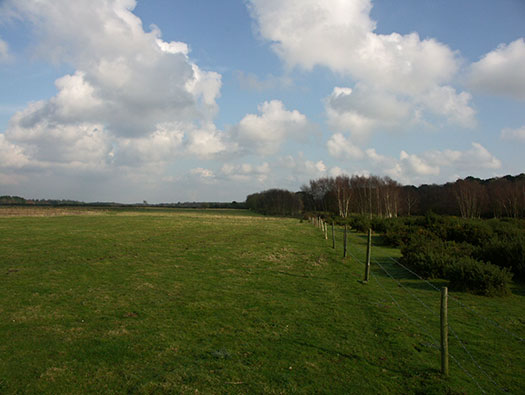
Perimeter track continuing west into the sunset..
RAF Holmsley South
07 February 2005
Information
RAF Holmsley South
Airfield Site
Details
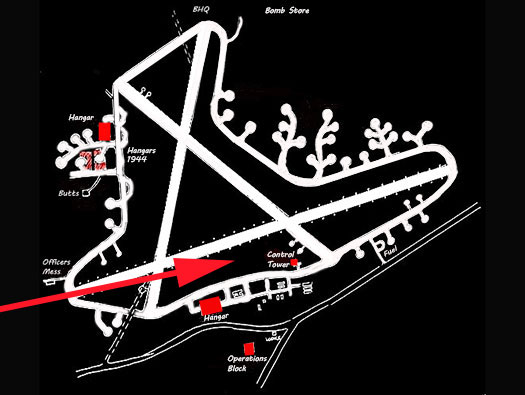
Flight line.
The perimeter track leading past to the right of the Airfield Site where nearly all the main airfield buildings were.
Plan.

67 - Station Workshops - N - 12774\41. 24ft Nissen hut.
100.jpg)
Station HQ.
RAF Holmsley South
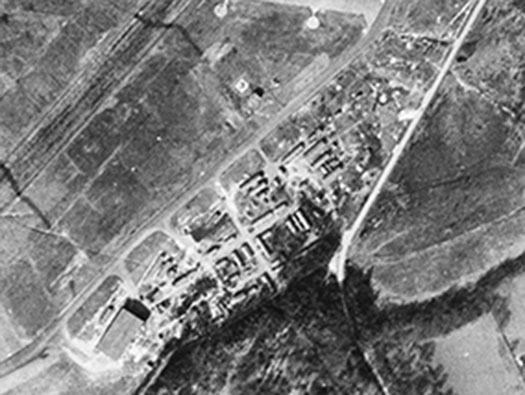
4759/44 ---------------------------------------- Air photo around 1942/43
Information
RAF Holmsley South
Airfield Site
Details
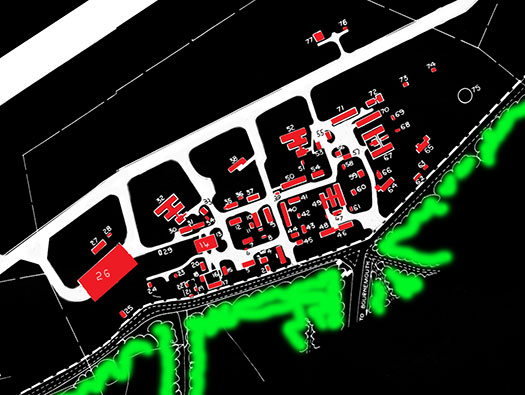
1 - Guard & Fire Party House - N - 12404/41.
14 - Fuel Compound - 90'x54' - 9108/41.
26 - Aircraft Shed - St - T2 25bay - 8254/40.
32 - Squadron HQ - N -
14982/41.
36 - Technical Latrines RAF - TB - 9036/41.
45 - Fire Tender House - TB - 5352/42.
46 - Station Offices - N - 12400/41.
49 - Station Workshops - N - 12774/41.
52 - Flight Office - N - 14982/41.
67 - Main Store - N - 12775/41.
77 - Watch Office - B - 12779/41.

T2 hangar in 'St' = steel.
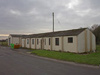
Guard House and Fire Party.

Station Offices.

35 - Parachute Store - TB - 11137/41.

95 - Technical Latrine - TB - 9026/41.

4 - M.T. Petrol Installation 5000gal - 4619/40.
RAF Holmsley South
07 February 2005
Information
RAF Holmsley South
Airfield Site
Details
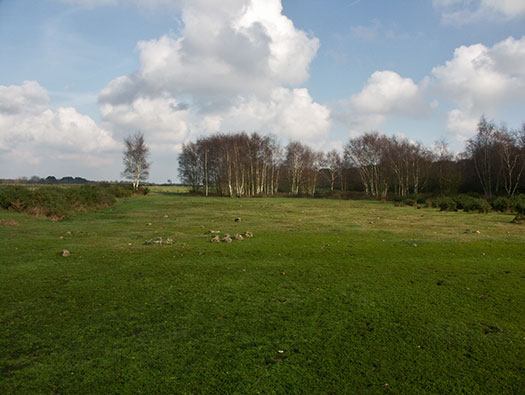
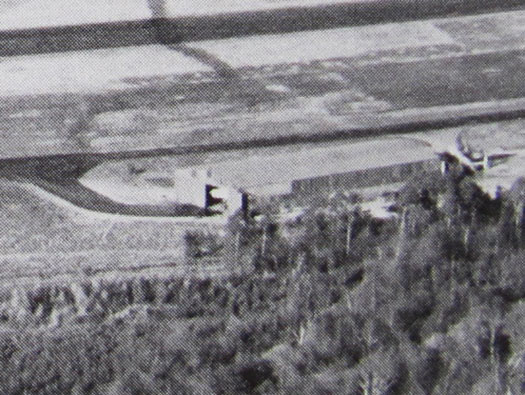
26 - Aircraft Shed - St - T2 25bay - 8254/40.
The hangar has run outs onto the perimeter track and you can just see the main runway above.

T2 hangar.

Building a T2.
RAF Holmsley South
07 February 2005
Information
RAF Holmsley South
Airfield Site
Details
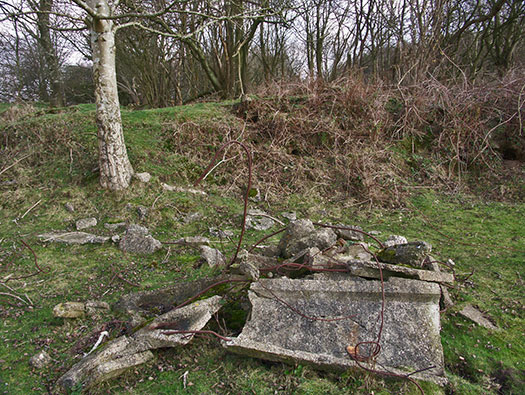
Pile of debris lying around a a large mound of airfield remains.
RAF Holmsley South
22 May 2011
Information
RAF Holmsley South
Airfield Site
Details
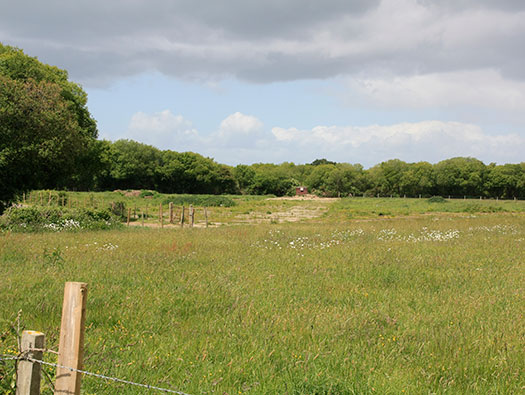
Remains of a roadway.
RAF Holmsley South
Air28/368
Information
RAF Holmsley South
Airfield Site
Details
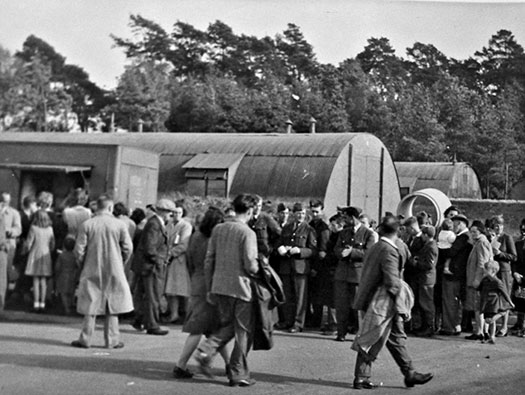
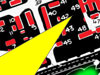
49 - Station Workshops - N 12774/41. 3 x 24' Nissen huts adjoined.
This picture was taken on 'Battle of Britain Day'. Also the NAAFI wagon selling 'tea and a wad'.
details

Station Workshops.
RAF Holmsley South
07 February 2005
Information
RAF Holmsley South
Airfield Site
Details
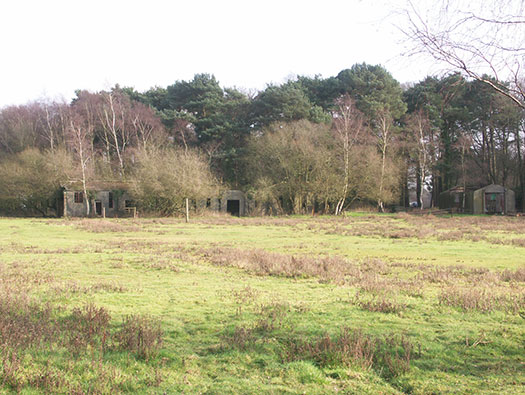
40 - Servicing Wing Store - B - 12409/41 - 3525/42
45 - Fire Tender House - TB - 9026/41.
Most buildings were built in tin as with Nissen huts, but these two were built in brick and rendered.
Airfield Site.

Fire Tender House - TB - 9026/41.
RAF Holmsley South
07 February 2005
Information
RAF Holmsley South
Airfield Site
Details
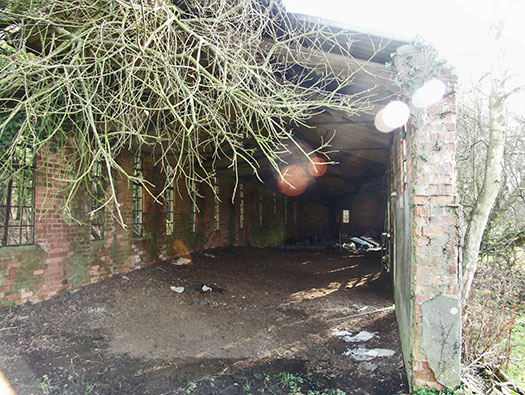
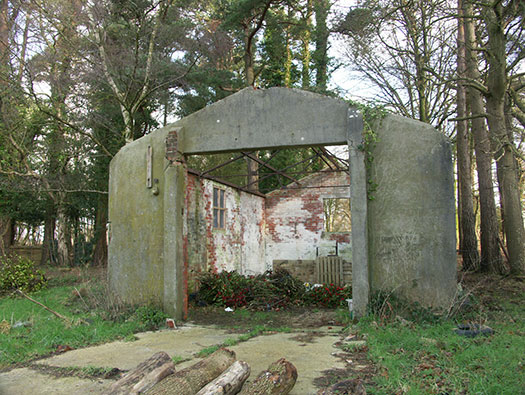
*40 - Servicing Wing Store - B - 12409/41 - 3525/42.
Buildings marked thus * on the schedule have been re-appropriated, and are now functioning as indicated. From the airfield plan.
This means they do not know the original use of the building. (12409/41 was a Gas respirator store & workshop).
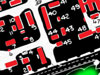
Plan.
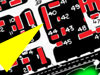
Plan.
RAF Holmsley South
07 February 2005
Information
RAF Holmsley South
Airfield Site
Details
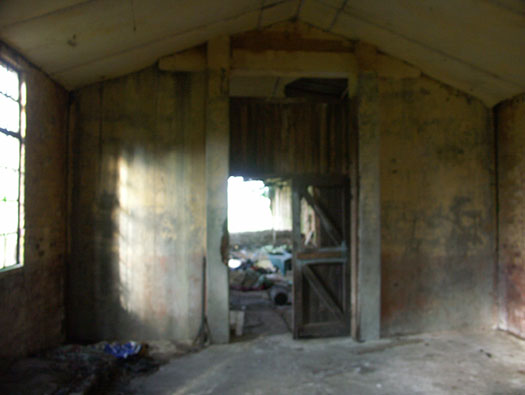
40 - Servicing Wing Store - B - 12409/41 - 3525/42.
I wish I had taken more photos, the original door in place.
RAF Holmsley South
07 February 2005
Information
RAF Holmsley South
Airfield Site
Details
45 - Fire Tender House - TB - 9026/41.
Fire Tender House - TB - 9026/41.
RAF Holmsley South
07 February 2005
Information
RAF Holmsley South
Airfield Site
Details
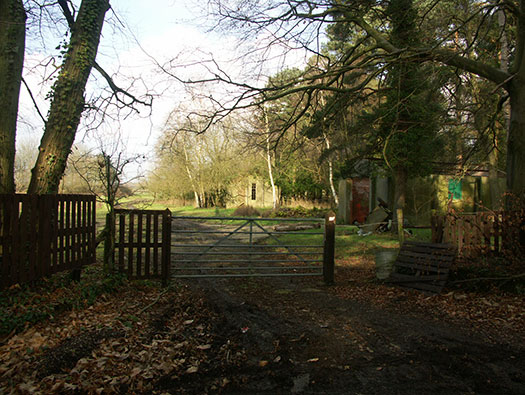
Main entrance or Main Gate.
1 - Guard House & Fire Party - N - 12404/41.
* 9 - W/T Workshop - TB - 5525/42
*40 - Servicing Wing Store - B - 12409/41 - 3525/42.
*44 - Fire Section Office - N - 12408/41
45 - Fire Tender House - TB - 5352/42.
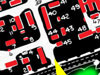
Main gate.

Staff Car Hillman Minx 10hp
RAF Holmsley South
13 January 2008
Information
RAF Holmsley South
Airfield Site
Details
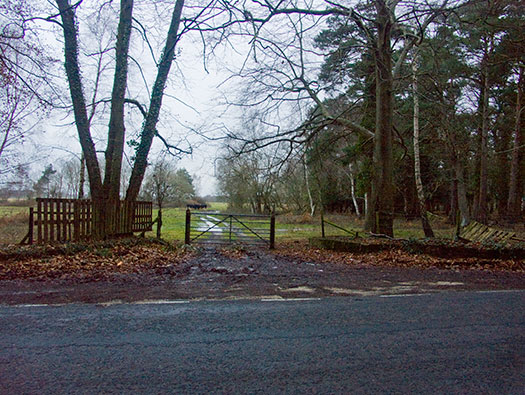
Main entrance 2008 and all the buildings have been removed..
RAF Holmsley South
27 March 2012
Information
RAF Holmsley South
Airfield Site
Details
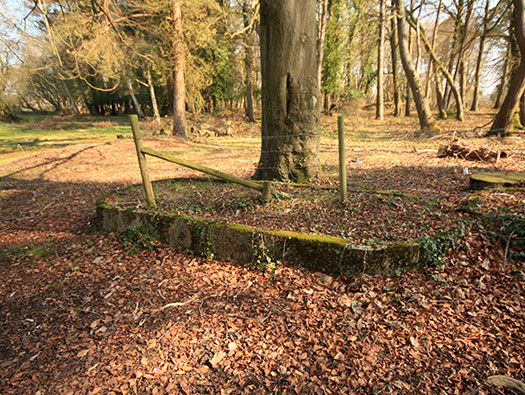
Main Entrance and the high kerbs each side where they would be painted black and white and flowers planted in the middle.
RAF Holmsley South
11 November 2008
Information
RAF Holmsley South
Airfield Site
Details
Moving on.
RAF Holmsley South
07 February 2005
Information
RAF Holmsley South
Airfield Site
Details
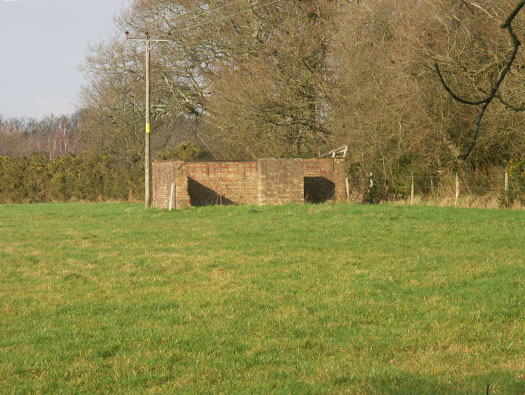
M&E plinth, may have been removed now.
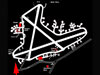
Plan.
M&E plinth plan.
RAF Holmsley South
Google
Information
RAF Holmsley South
Airfield Site
Details
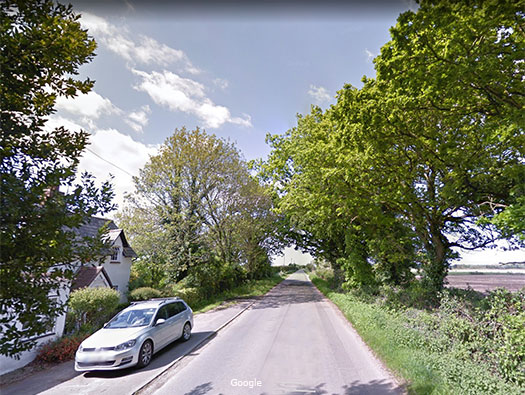
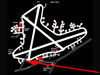
79 - LAA Gun Crew Accommodation - Heathfield - House Requestioned.
Plan.
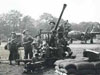
40mm Bofors Anti-Aircraft gun at RAF Holmsley South.
RAF Holmsley South
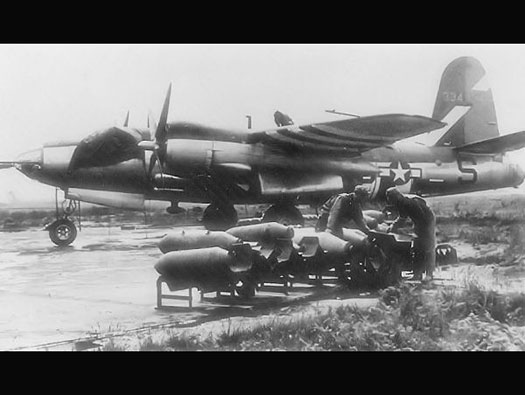
USAAF B26
Information
RAF Holmsley South
Airfield Site
Details
79 - LAA Gun Crew Accommodation - Heathfield - House Requestioned.
The small picture of the Bofors gun has a USAAF B26 in the background.
Here is a B29 being bombed up around D-Day, the D-Day black & white stripes are painted under its wings.
40mm Bofors Anti-Aircraft gun at RAF Holmsley South.
RAF Holmsley South
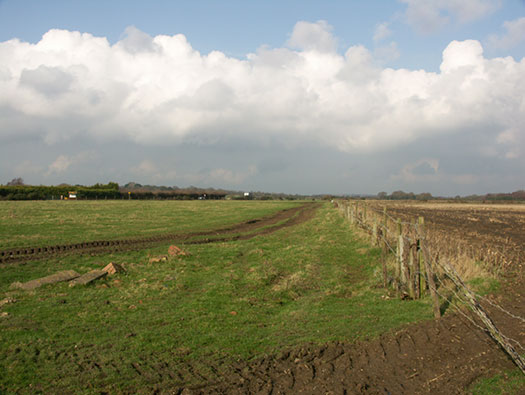
07 February 2005
Information
RAF Holmsley South
Airfield Site
Details
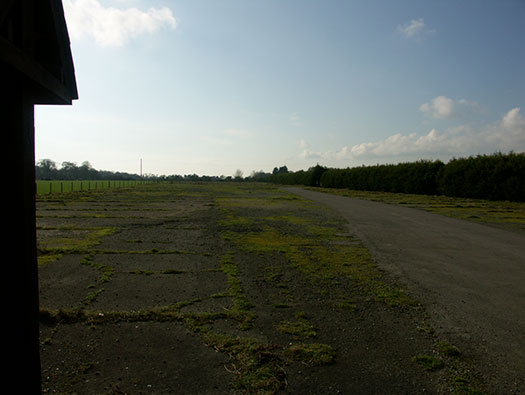
Perimeter track looking east.
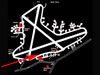
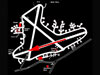
Plan.
RAF Holmsley South
07 February 2005
Information
RAF Holmsley South
Airfield Site
Details
Runway in 2005, hard to find now running west.
details

Runway construction.

Night flying.
RAF Holmsley South
07 February 2005
Information
RAF Holmsley South
Airfield Site
Details
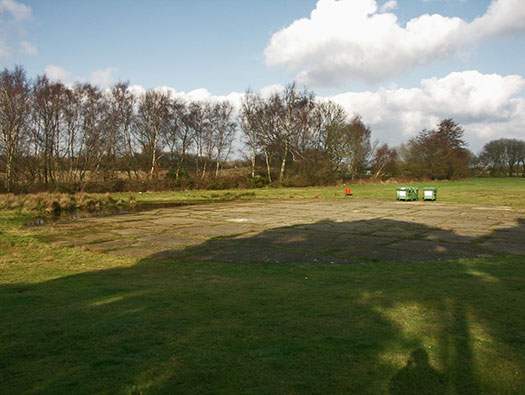
Circular aircraft dispersal.
Circular dispersal or frying pan dispersal.
The different types and this one looks to be a B4 type heavy bomber.
RAF Holmsley South
Google
Information
RAF Holmsley South
Airfield Site
Details
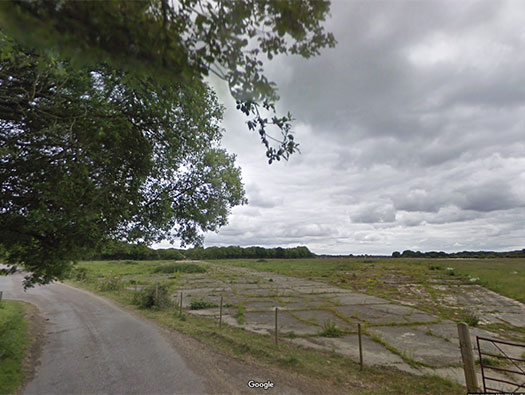
Continuing on is the perimeter track and off to the right is a B5 aircraft dispersal or Spectacle type. These were starting to be produced on later airfields and also when an airfield needed more parking. The frying pan type, meant a bomber entering the pan and has to put on left brake, rudder hard over and then power up the outer engines. Thus allowing the aircraft to pivot 360° to face back the way it came. This put strain on the undercarriage, so the Spectacle type (B5) was brought in so aircraft could just pull off the perimeter and into a bay. Then when needed, just pull away back onto the perimeter.
details

Spectacle type.
B5 type Dispersal with what looks like a Halifax parked on it.
RAF Holmsley South
Information
RAF Holmsley South
Airfield Site
Details
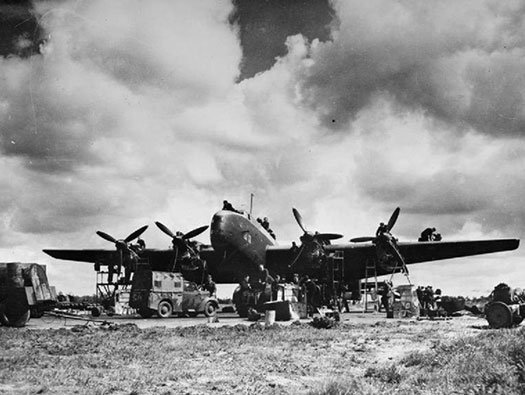
Halifax full service on its dispersal.

Repairs..
Halifax at RAF Melbourne.
Repairs..
RAF Holmsley South
07 February 2005
Information
RAF Holmsley South
Airfield Site
Details
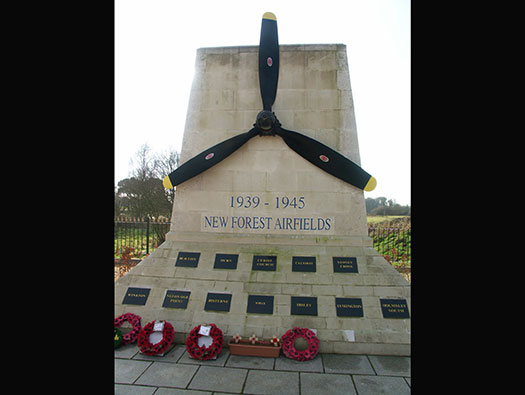
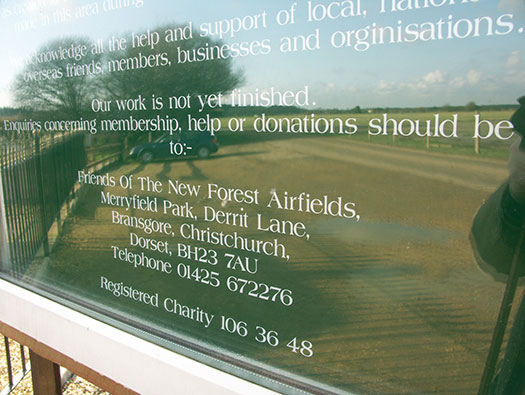
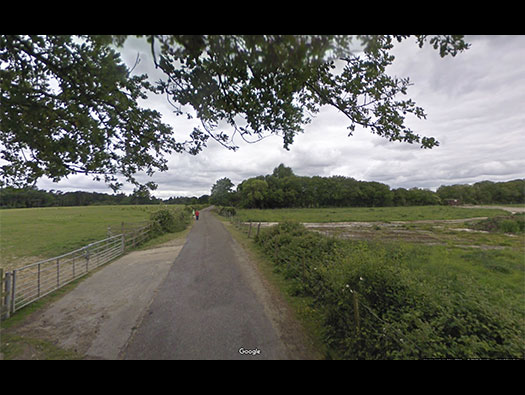
The New Forest Memorial.
RAF Holmsley South
07 February 2005
Information
RAF Holmsley South
Airfield Site
Details
The New Forest Memorial.
RAF Holmsley South
07 February 2005
Information
RAF Holmsley South
Airfield Site
Details
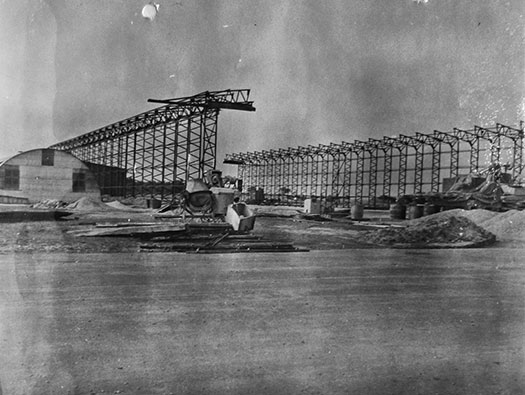
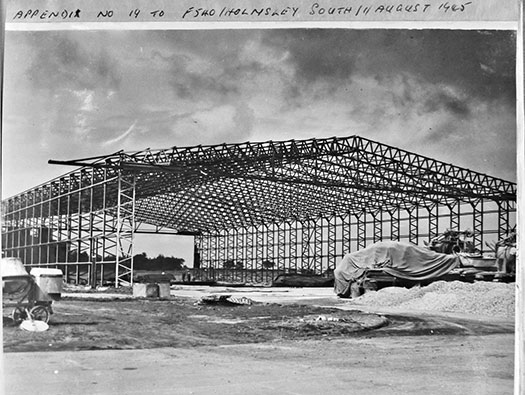
In the trees was another T2 hangar, in 1945 construction started on three more and they were built right across where we are looking. Why in 1945 were these extra three hangars constructed at great expense, I have no idea yet. Maybe Holmsley South was to become what Hurn airport is today??

Plan.
Air photo showing the hangars post 1944..

T2 Hangar.
RAF Holmsley South
Air 28/368
Information
RAF Holmsley South
Airfield Site
Details
This is the construction of the extra three hangars dated 11 August 1945. Holmsley South was becoming more of an international airport than a military base. The aircraft were for VIPs and not bombs. So the aircraft needed probably a better repair and servicing regime. OK to send an aircraft to war that is not quite ready, but with VIPs it would be unimaginable. It was the start of moving from war to peace.
Halifax in Hangar 5.
RAF Holmsley South
07 February 2005
Information
RAF Holmsley South
Airfield Site
Details
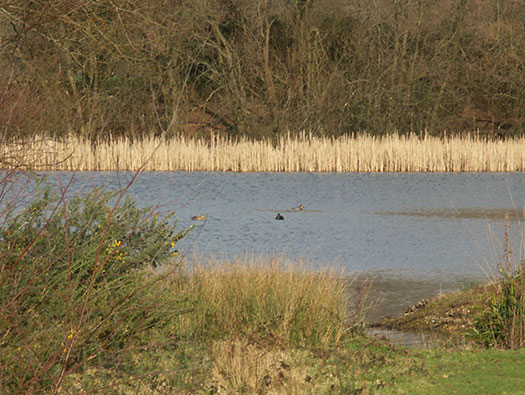
26 - Aircraft Shed - St - T2 25bay - 8254/40. This is the site of the second hangar.
Plan.
RAF Holmsley South
Google
Information
RAF Holmsley South
Airfield Site
Details
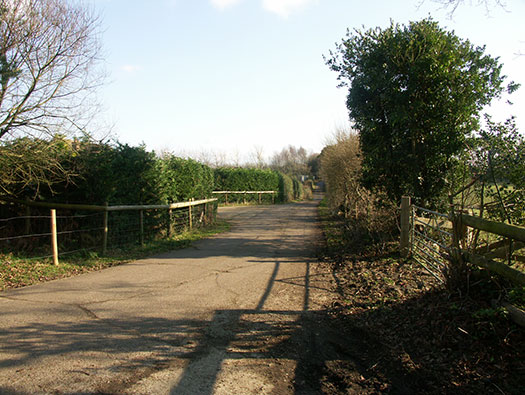
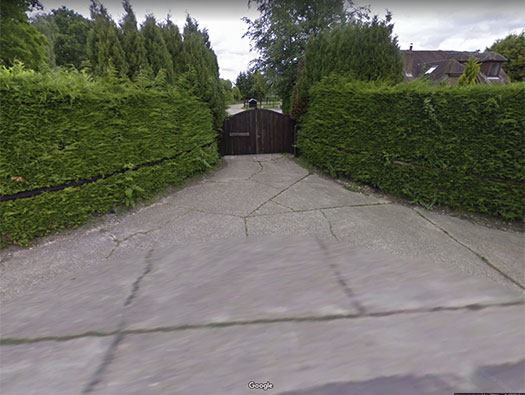
99- Bulk Petrol Instillation - 72,000gal - 9846/41. On heavy bomber airfields there was always two Bulk Petrol Instillation, they are fuel for aircraft and not vehicles. Bulk petrol was delivered here by road tankers of the POOL a civilian Organisation and RAF bowser´s delivered to the aircraft. The USAAF when they arrived, used a lot of RAF vehicles, like bowser´s and fire tenders. Because they were expanding so quickly their supply Organisation could not keep up. When it did, they had huge articulated petrol tankers, far better than what the RAF had.
POOL tanker.

Re fueling.

Large US tanker.
RAF Holmsley South
07 February 2005
Information
RAF Holmsley South
Airfield Site
Details
97 - M&E Plinth - PC
98
- Picket Post - N - 12404/41.
99- Bulk Petrol Instillation - 72,000gal - 9846/41.

Mechanical & Electrical Plinth.
Mains power or auxiliary power would come into the M&E plinth and be transformed to power the fuel pumps to re fill tankers.
Nissen hut Picket Post. A small guard room where anything going into the Bulk Petrol Instillation was recorded against everything that went out.
Plan..

Fuel tanks that would be buried..

RAF Charmey Down 13083/41 type pump house.
RAF Holmsley South
07 February 2005
Information
RAF Holmsley South
Airfield Site
Details
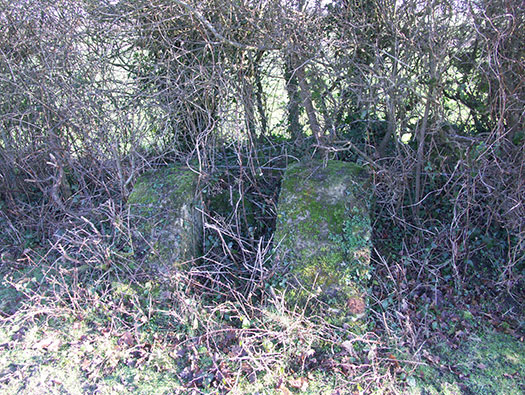
Could be an AA machine gun post that shot down a German bomber in 1943 .
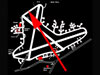
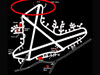
Plan.

An air photo of this AA MG post..

AA machine gun post..

Twin Lewis guns.
RAF Holmsley South
07 February 2005
Information
RAF Holmsley South
Airfield Site
Details
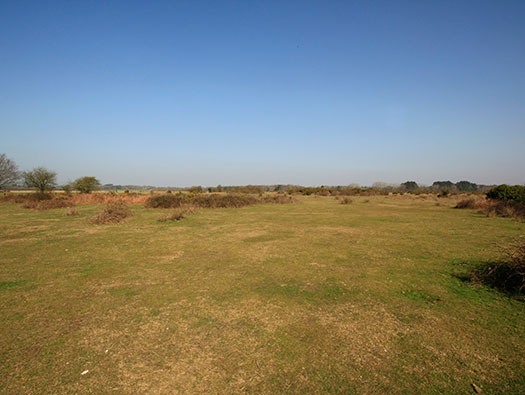
North side of the airfield..
This is the area we are now in.
RAF Holmsley South
07 February 2005
Information
RAF Holmsley South
Airfield Site
Details
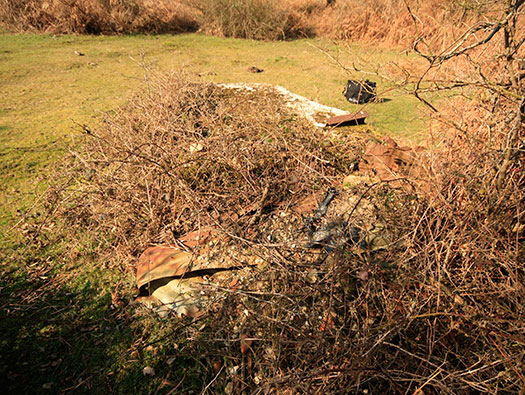
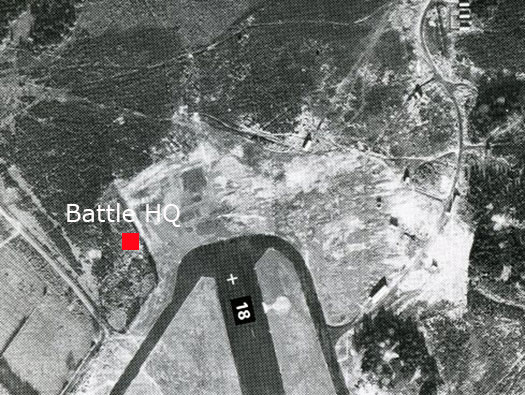
Battle Head Quarters
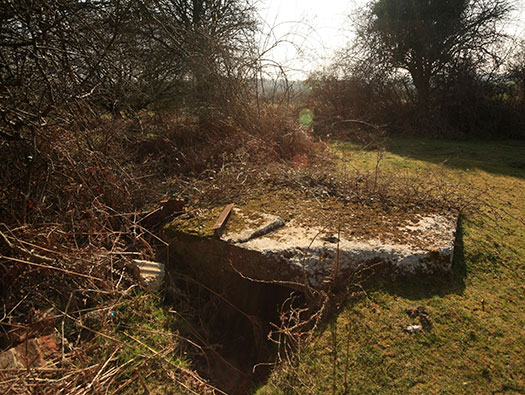
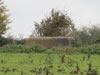
In some bush is the remains of the Battle HQ. BHQ 11008/41. Not shown on the airfield site plan.
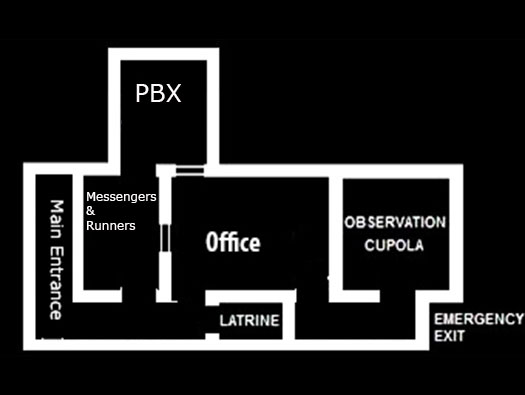
An underground bunker, with a 360° viewing cupola, three rooms and a toilet.

This is what the cupola would have looked like.

Viewing cupola.

Railings around the entrance to stop anybody falling down the open steps.
RAF Holmsley South
07 February 2005
Information
RAF Holmsley South
Airfield Site
Details
103 - Battle Head Quarters - TB - 11008/41.
RAF Holmsley South
07 February 2005
Information
RAF Holmsley South
Airfield Site
Details
103 - BHQ - TB - 11008/41.
The reason for the BHQ was; in 1940 the RAF were concerned that a German invasion would take place and that parachutists would drop on an airfield and then when captured gliders-borne and Ju52 transports would come in and take over. With the BHQ there would be a ring of pillboxes around the perimeter all facing into the landing ground. These would be controlled and all RAF and army units on site by the station commander from the BHQ. He could see the whole area and had telephone communications with outlying units and the main HQ on the station. If the telephone link was broken Messenger/runners would be sent out to relay orders. Here due to the later building 1941/1942, the invasion threat was over and no pillboxes were built. But all airmen were still trained to shoot a Lee-Enfield rifle and were issued with them, to use in defence.
RAF Holmsley South
07 February 2005
Information
RAF Holmsley
Airfield Site
y South
Details
Battle HQ
Steps down into the passageway leading to the Office.
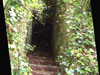
RAF Clyffe Pypard stairs down.
RAF Keevil's Cupola.
RAF Holmsley South
07 February 2005
Information
RAF Holmsley South
Airfield Site
Details
Battle HQ
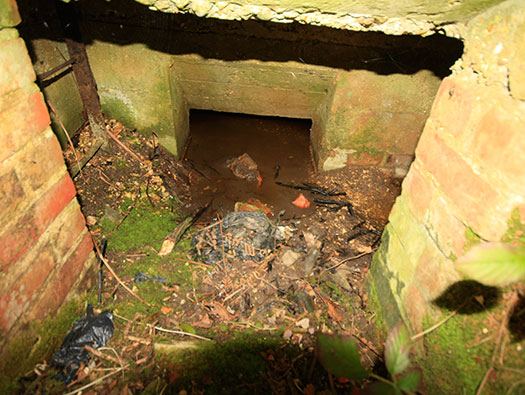
The shape of the lintel was to stop you hitting your head when you descended the steps. You can see the steel ladder on the left that was the escape hatch in an emergency.
The same view as the main picture showing the viewing slit of the cupola and the stars down to the main office.
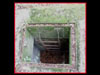
Escape ladder.
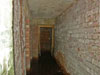
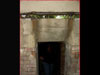
Passage way to office on the far left and the Elsan toilet door in front.
RAF Holmsley South
07 February 2005
Information
RAF Holmsley South
Airfield Site
Details
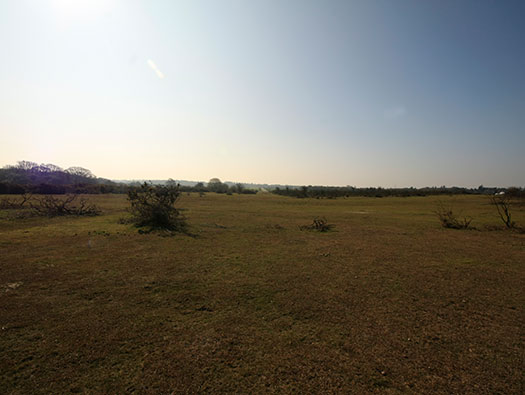
The view almost due south, in the distance the runway can just be seen.
Runway 18/36.
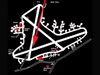
Plan.
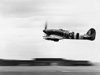
Typhoon around D-Day.
RAF Holmsley South
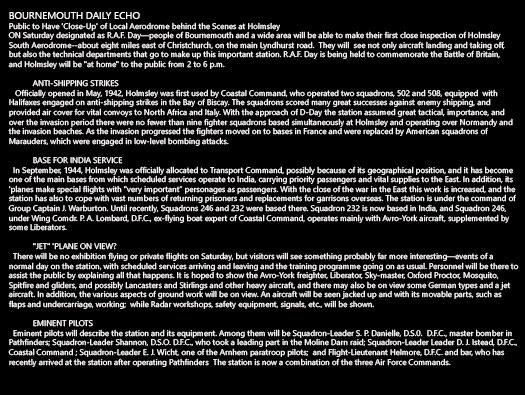
Bmth Echo 1946 (Air28/368)
Information
RAF Holmsley South
Airfield Site
Details
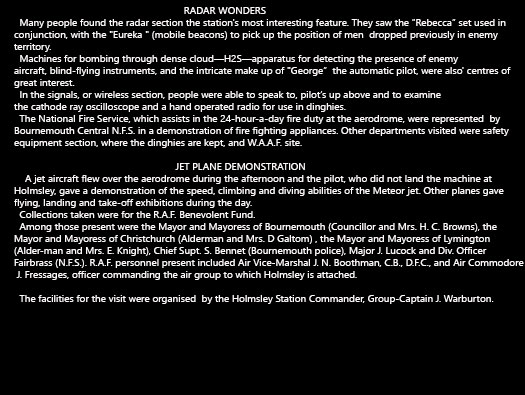
"At Home" day 14th September 1946.
The newspaper article.
RAF Holmsley South
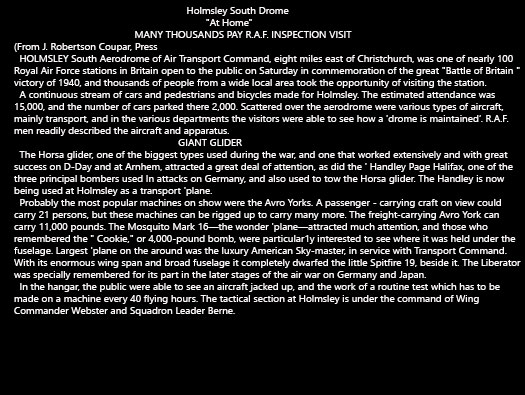
Bmth Echo 1945 (Air28/368)
Information
RAF Holmsley South
Airfield Site
Details
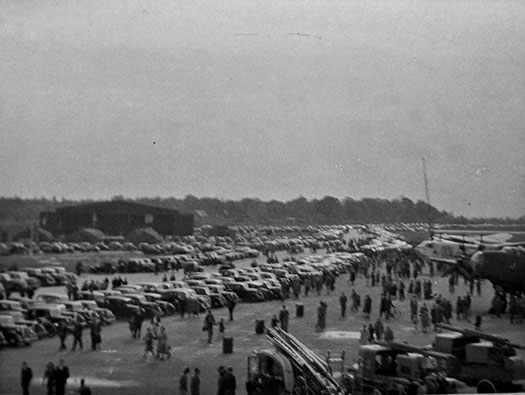
"At Home" day 14th September 1946.
RAF Holmsley South
Air28/368 1946
Information
RAF Holmsley South
Airfield Site
Details
"At Home" day 14th September 1946, some of the 2000 cars visited that day.
RAF Holmsley South
Air28/368
Information
RAF Holmsley South
Airfield Site
Details
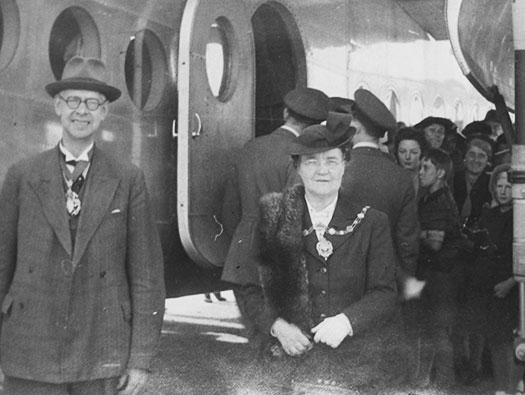
"At Home" day 14th September 1946.
Mayor and Mayoress of Bournemouth (Councilor and Mrs. H. C. Browns).
RAF Holmsley South
Air28/368
Information
RAF Holmsley South
Airfield Site
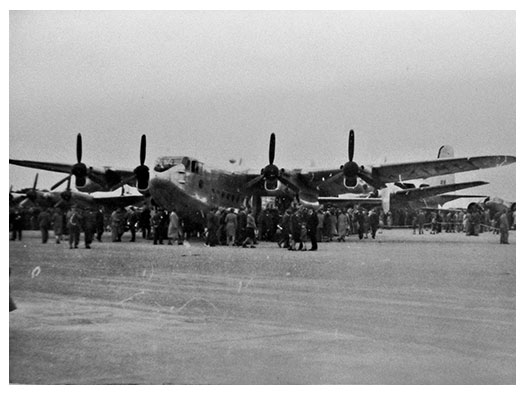
Details
"At Home" day 14th September 1946. York Transport. Basically a Lancaster re modeled.
RAF Holmsley South
Air28/368
Information
RAF Holmsley South
Airfield Site
Details
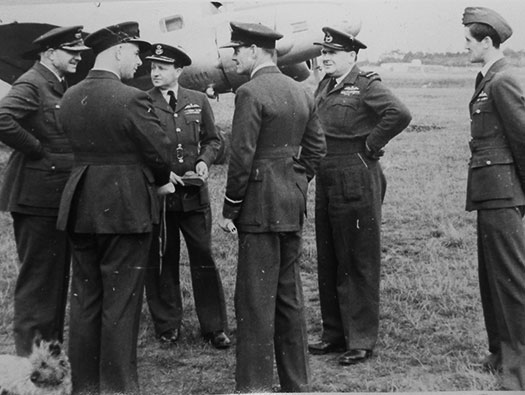
"At Home" day 14th September 1946. All Top Brass and Medals.
RAF Holmsley South
Air28/368
Information
RAF Holmsley South
Airfield Site
Details
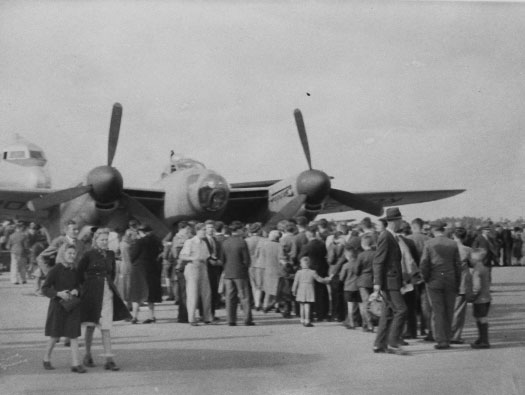
"At Home" day 14th September 1946. The highlight of the show, all they wanted to see the Mosquito and its 4000lb Cookie bomb.
4000 bomb.
RAF Holmsley South
Information
RAF Holmsley South
Airfield Site
Details
RAF Holmsley South MENU page
 Norway (coming soon!)
 France
 Great Britain