RNAS St Merryn, HMS Vulture
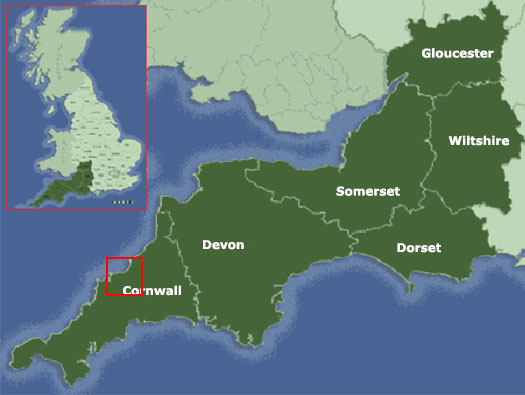
Information
RNAS St Merryn, HMS Vulture
Details
Technical site.
1 x Callender Hamilton hangar.
2 x Pentad hangars.
4 x Teesside
'S' hangars 60ftx70ft.
13 x Mains
60ftx70ft.
13x Mains 60ftx84ft.
Officers:
156, Chiefs, P.O.s and ratings:
1,265.
Officers: 4 W.R.N.S, Chiefs, P.O.s and ratings, 210.
709
Fighter Ground Attack School (Part of the School of Naval Air Warfare).
Formed here 15.09.44. Disbanded here 09.01.46.
Equipped with Seafire L.III, Hellcat I, & II, Harvard IIb & III.
715
Fighter Air Combat and Fighter Leaders Course (Part of the School of Naval Air Warfare).
Formed here 17.08.44. Disbanded here 31.03.46 and absorbed by 736 squadron.
Equipped with Seafire L.III & XVII, Corsair II & IV, Harvard IIb & III.
719
Fighter Air Firing training squadron (Part of the School of Naval Air Warfare).
Formed here 15.06.44. Disbanded here 02.01.45.
Equipped with Corsair III, Master II, Seafire Ib & IIc, Spitfire Vb, Wildcat IV.
725
Air Target Towing Unit (Part of the School of Naval Air Warfare).
Moved here from RNAS Eglinton 04.08.45. Disbanded here 27.12.45 and absorbed by 736 squadron.
Equipped with Martinet TT.I.
736
Fighter Combat School (Part of the School of Naval Air Warfare).
Moved here from RNAS Yeovilton 02.09.43. Moved to RNAS Culdrose 01/02.50.
Equipped with Avenger II, Barracuda II, Corsair III, Firebrand TF.IV, Firefly FR.I , FR.4 & T.I, Harvard III, Master II, Seafire Ib, III, F.15, F.17 & F.46, Spitfire Va, Wellington XI.
738
(Part of the School of Naval Air Warfare, based at RNAS Culdrose).
The squadron used the station for Aerodrome Dummy Deck Landing training from January 1953.
Equipped with Sea Fury FB.11.
741
Operational Flying Training Unit.
Formed here 12.08.46. Disbanded here 25.11.47.
Equipped with Firefly FR.I, Seafire L.III, Harvard III.
748
Fighter Pool Squadron
Formed here 12.10.42. Moved to RNAS Henstridge 04.02.44.
Moved here from RNAS Dale 14.08.45. Disbanded here 11.02.46.
Equipped with Corsair II, III & IV, Firefly I, Hellcat I, Hurricane I, Fulmar I & II, Master I & II, Spitfire I, Va & Vb, Seafire Ib, IIc & III, Wildcat V & VI.
750
Observer School Part II.
Formed here 17.04.52 out of 796 squadron. Moved to RNAS Culdrose 30.11.43.
Equipped with Barracuda TR.3.
762
Advanced Flying Training School.
Moved here from RNAS Yeovilton 15.04.42. Returned to RNAS Yeovilton 08.09.42.
Equipped with Fulmar I & II, Martlet I,Master I.
774
Armament Training Squadron.
Moved here from R.N.A.S. Evanton 17.09.1940. Moved to R.N.A.S. Rattray 24.10.1944
Equipped with Albacore I, Roc, Shark IIIT, Skua II, Swordfish I/II, Barracuda II, Sea Hurricane Ib,
787
Z Flt.
Fleet Fighter Development Unit.
Moved here from RNAS Lee-on-Solent 24.02.43. Moved to RNAS Inskip 16.11.54,
Returned from RNAS Inskip 14.01.44 and operated at the satellite airfield at Treligga. Flight disbanded here 01.07.44.
Equipped with Fulmar & II, Hurricane IV, Sea Hurricane Ia & IIc, Swordfish I & II.
792
Air Target Towing Unit
Formed here 15.08.40. Disbanded here 02.01.45 and absorbed by 794 squadron.
Equipped with Anson I, Defiant TT.III, Lysander III, Martinet 1TT, Master I, Proctor Ia,Roc TT.I, Sea Gladiator, Sea Hurricane Ia, Skua II.
794
School of Air Firing.
Formed here 02.01.45. Moved to RNAS Eglinton 09.08.45.
Equipped with Corsair III, Fulmar II, Harvard IIb & III, Martinet TT.I, Master II, Seafire L.III, Spitfire Vb, Wildcat IV.
796
Aircrewmans School (Observer School Part II from 1850)
Formed here 13.11.47. Moved to RNAS Culdrose 09.02.54.
Equipped with Barracuda III, Firefly FR.I, AS.5, AS.6, T.3 & T.7, Tiger Moth T.2.
From: Fleet Air Arm Bases 1939 to present day.
RNAS St Merryn, HMS Vulture.
Technical site.
Plan.
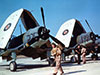
Corsair.

Seafire.
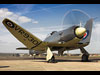
Sea Fury.
RNAS St Merryn, HMS Vulture
Information
RNAS St Merryn, HMS Vulture
Details
RNAS St Merryn, HMS Vulture
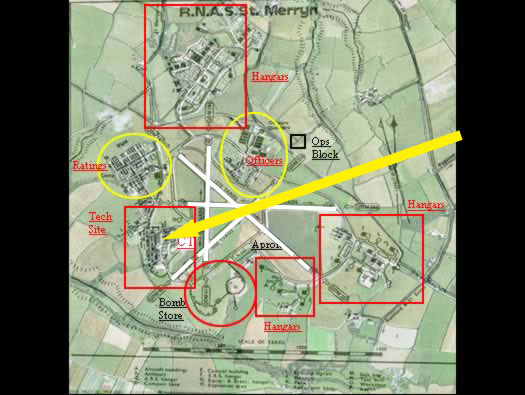
Plan
Information
RNAS St Merryn, HMS Vulture
Details
Technical site.
This area is where most of the training, repair and testing went on. Sailors joining the Fleet Air Arm would be sent here to learn all aspects of handling aircraft on aircraft carriers. When war broke out (or just before) St Merryn was seen as a good airfield for aircraft carriers returning to home waters and their air component could fly off in the channel and land at St Merryn on its one small runway. As time went on, the channel was not used by carriers because of the German advances into Normandy and Brittany. That would have left St Merryn with very little to do. So the next move was to change to a training camp. Sailors would do their basic training and be posted here to continue their air side training. Ready to be posted out to the different aircraft carriers/airfields across the world.
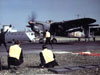
Barracuda on board.
RNAS St Merryn, HMS Vulture
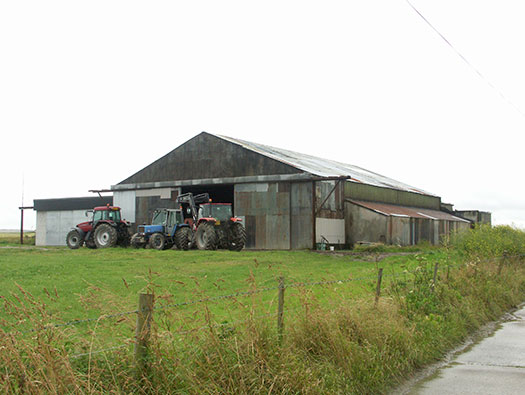
16 July 2008
Information
RNAS St Merryn, HMS Vulture
Details
Technical site.
Pre-war civil 1930's hangar.
St Merryn was established prior to World War I as a private aerodrome, became a civil aerodrome in the 1920’s before being commandeered by the Admiralty in the mid-1930’s. It is historically important to the Royal Naval Fleet Air Arm as it was the first Fleet Air Arm aerodrome to be constructed.
1937 - 1956 RNAS St Merryn
The Royal Naval Air Station at St Merryn Airfield was known as HMS Vulture.
Originally the airfield was built with one airstrip and a hangar to use for civil purposes but it became a training centre for airborne observers and for pilots to practice aircraft carrier flight manoeuvres. This started in the summer of 1940. Later four runways were designed for short take-offs into the prevailing wind to replicate take-off from aircraft carriers.
RNAS St Merryn was an important site associated with the Pacific air carrier battles. Activity at the bases in late 1944 as the aircrews of the torpedo bombers and fighters who flew from Britain's aircraft carriers in these battles, were trained here and at its satellite bombing and gunnery range, HMS Vulture II at Treligga, near Delabole.

Pilot under instruction.
Plan.
HMS Vulture II. Treligga.
RNAS St Merryn, HMS Vulture
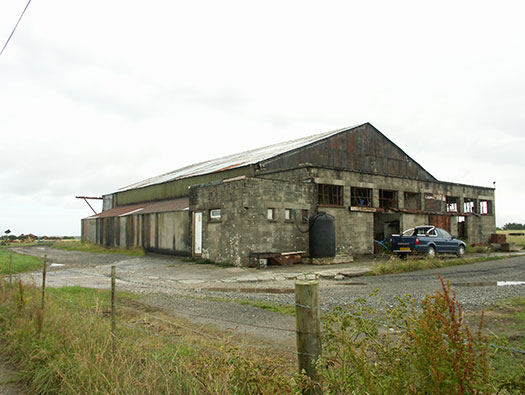
16 July 2008
Information
RNAS St Merryn, HMS Vulture
Details
Technical site.
Pre-war Hangar offices around the back.
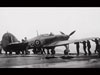
Sea Hurricane.
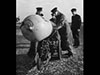
Torpedo handling.

Training.
RNAS St Merryn, HMS Vulture
16 July 2008
Information
RNAS St Merryn, HMS Vulture
Details
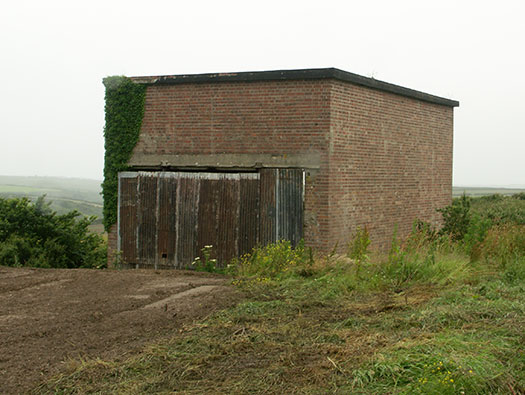
Technical site.
Standby Set House possibly holding two generators attached to alternators / dynamos to run the emergency electrical system.

Standby set engine.

Generator and internal traveling crane.

Plan o an RAF Standby Set House.
RNAS St Merryn, HMS Vulture
16 July 2008
Information
RNAS St Merryn, HMS Vulture
Details
Technical site.
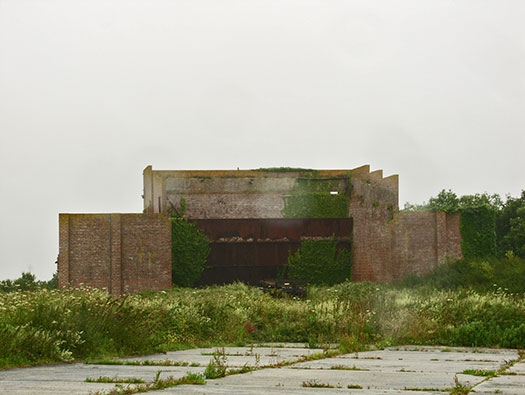
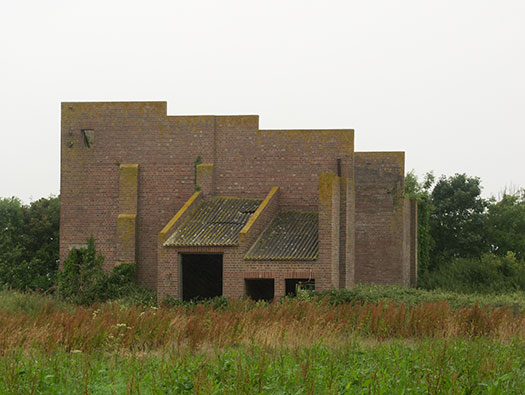
Cannon Stop Butts.
A very large stop butts, the grass was wet and very long so this is as close as we got.

Spitfire in a cannon stop butts.
RNAS St Merryn, HMS Vulture
16 July 2008
Information
RNAS St Merryn, HMS Vulture
Details
Technical site.
Cannon Stop Butts.
The side wall with large buttress supports and attached offices. The small hatch on the top corner is to raise & lower the danger red flag.
Plan.
RNAS St Merryn, HMS Vulture
16 July 2008
Information
RNAS St Merryn, HMS Vulture
Details
Technical site.
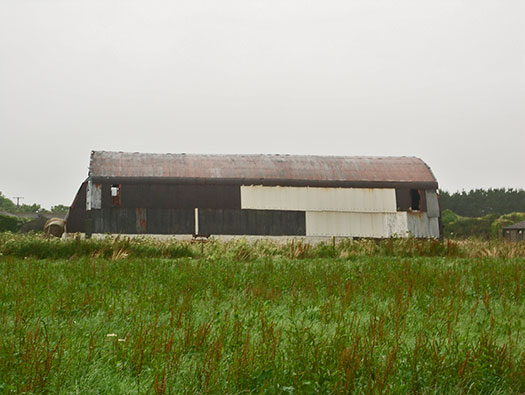
Mainhill 'S' Hangar.
Two Mains hangars used as workshops/storage.
There were:
9 x Tech hangars - 60ftx70ft.
6 x Tech hangars - 60ftx84ft.
9 x Sqdn hangars - 60ftx70ft.
6 x Sqdn hangars -
60ftx84ft.
1 x Sqdn hangars - 185ftx84ft.
Mainhill 'S' Hangar.
Plan.
RNAS St Merryn, HMS Vulture
16 July 2008
Information
RNAS St Merryn, HMS Vulture
Details
Technical site.
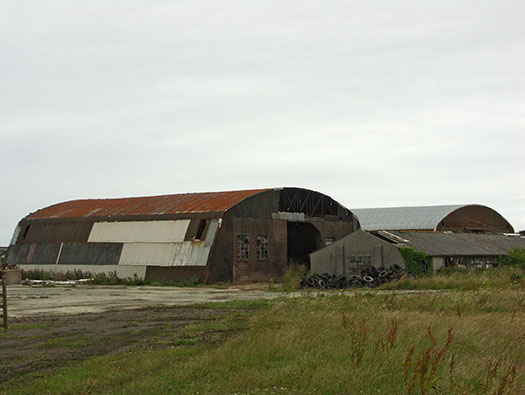
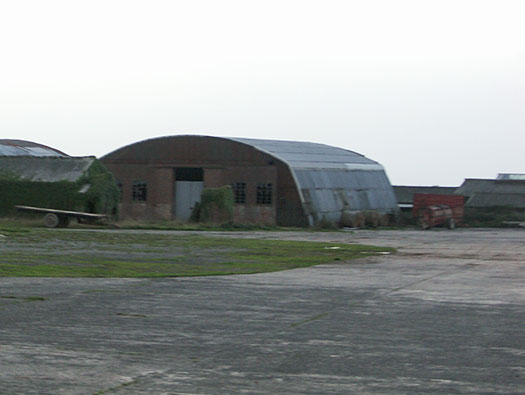
Mainhill 'S' Hangars.
Two Mains Hangars left here and not in too good a shape. The first used as a silage clamp with parts of the front & rear now falling away.
RNAS St Merryn, HMS Vulture
16 July 2008
Information
RNAS St Merryn, HMS Vulture
Details
Technical site.
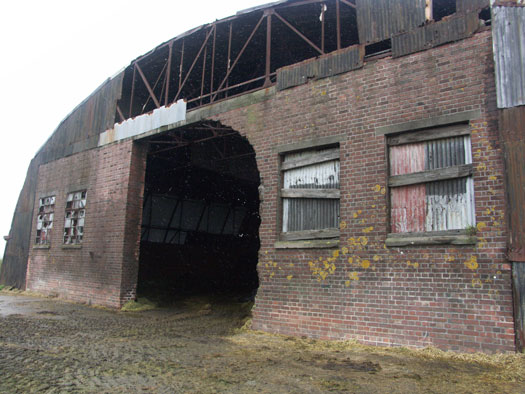
Mainhill 'S' Hangars.
Two Mains Hangars left here and not in too good a shape. The first used as a silage clamp with parts of the front & rear now falling away. I believe they were not used as hangars but as workshops.
886Sqdn.
RNAS St Merryn, HMS Vulture
16 July 2008
Information
RNAS St Merryn, HMS Vulture
Details
Technical site.
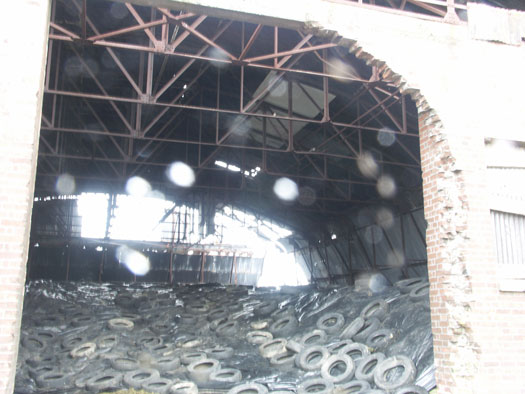
Mainhill 'S' Hangars.
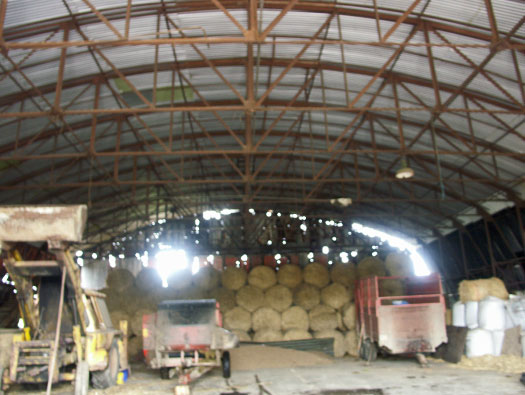
The view inside on a wet afternoon in July.
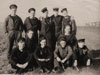
RN Fitters.
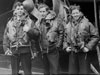
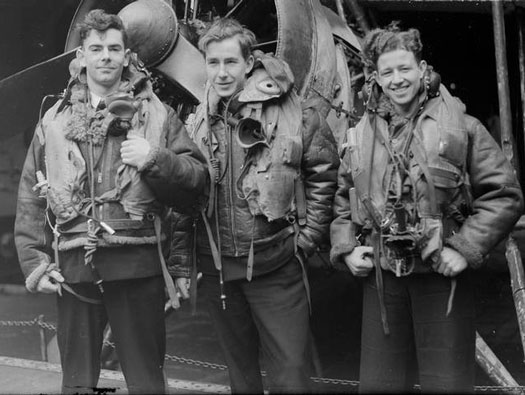
Swordfish crew.
RNAS St Merryn, HMS Vulture
16 July 2008
Information
RNAS St Merryn, HMS Vulture
Details
Technical site.
Mainhill 'S' Hangar.
This is second of three left here out of 13 that were built here.
RNAS St Merryn, HMS Vulture
16 July 2008
Information
RNAS St Merryn, HMS Vulture
Details
Technical site.
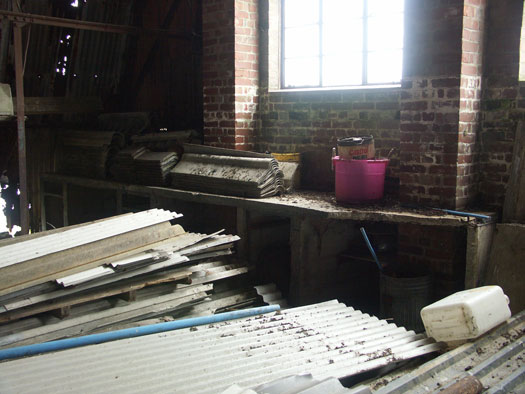
Mainhill 'S' Hangar.
Inside showing the roof sections, the rear wall looks as though its losing lots of sheets.
RNAS St Merryn, HMS Vulture
16 July 2008
Information
RNAS St Merryn, HMS Vulture
Details
Technical site.
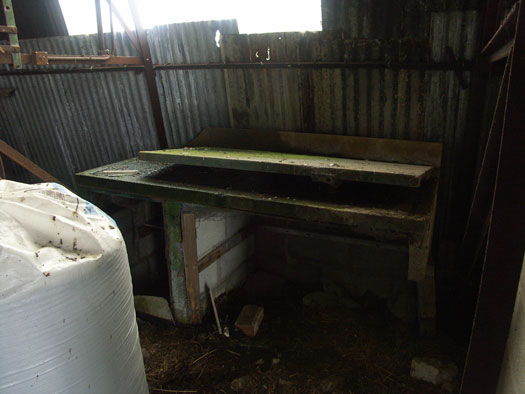
Mainhill 'S' Hangar.
Benches along the wall.
RNAS St Merryn, HMS Vulture
16 July 2008
Information
RNAS St Merryn, HMS Vulture
Details
Technical site.
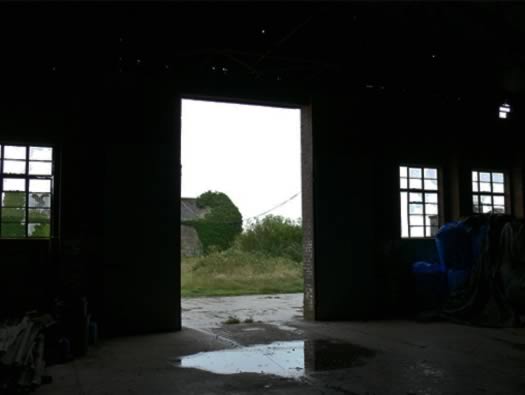
Mainhill 'S' Hangar.
The bricked end wall with. The Mainhill 'S' only had a door on one end, if it was bricked up as here. It was possibly either a workshop, or a turret training area. Anything that was needed. In RNAS Lee-on-Solent there is a full sized theatre taking up a quarter of an older RAF 'A' type hangar.
RNAS St Merryn, HMS Vulture
16 July 2008
Information
RNAS St Merryn, HMS Vulture
Details
Technical site.
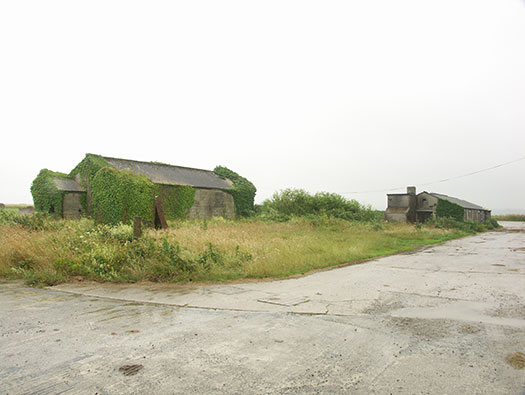
Training huts, there is no plan that I know of for St Merryn, so I am only guessing what each building was used for.
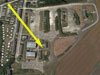
Plan.
RNAS St Merryn, HMS Vulture
16 July 2008
Information
RNAS St Merryn, HMS Vulture
Details
Technical site.
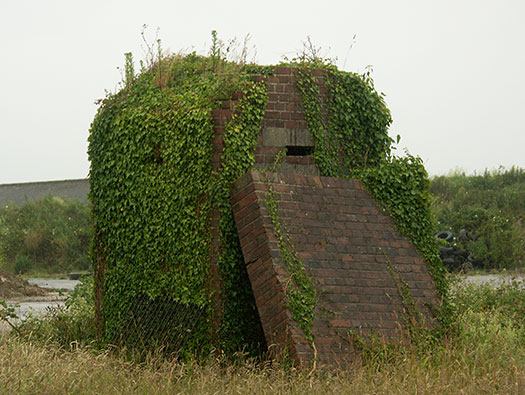
Royal Naval Pillbox, Navy certainly had different ideas from the RAF and Army about defences.
RNAS St Merryn, HMS Vulture
16 July 2008
Information
RNAS St Merryn, HMS Vulture
Details
Technical site.
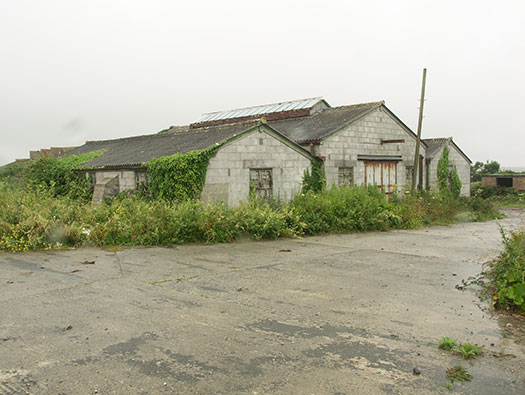
Technical Buildings (Main Store? if it was RAF).
RNAS St Merryn, HMS Vulture
16 July 2008
Information
RNAS St Merryn, HMS Vulture
Details
Technical site.
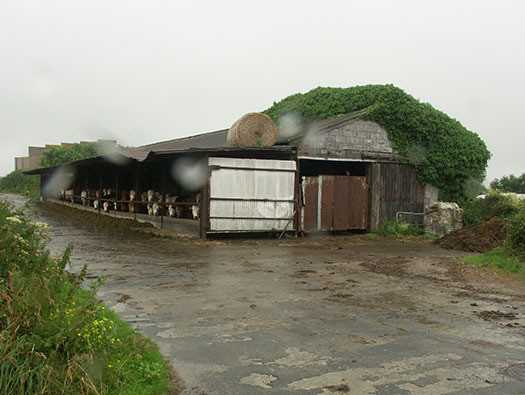
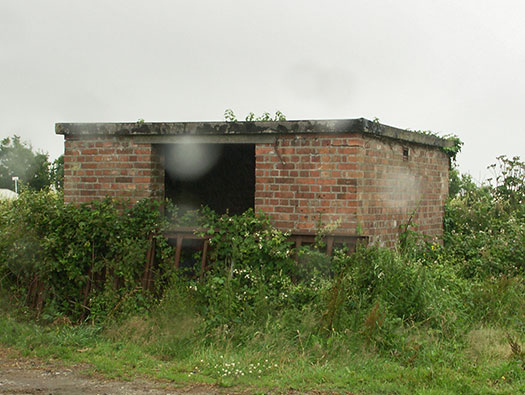
Instructional building.
RNAS St Merryn, HMS Vulture
16 July 2008
Information
RNAS St Merryn, HMS Vulture
Details
Technical site.
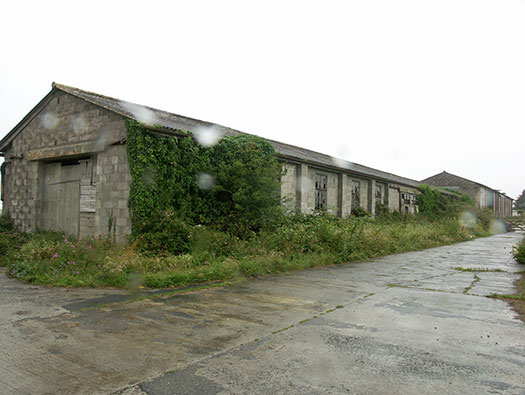
M&E plinth.
RNAS St Merryn, HMS Vulture
16 July 2008
Information
RNAS St Merryn, HMS Vulture
Details
Technical site.
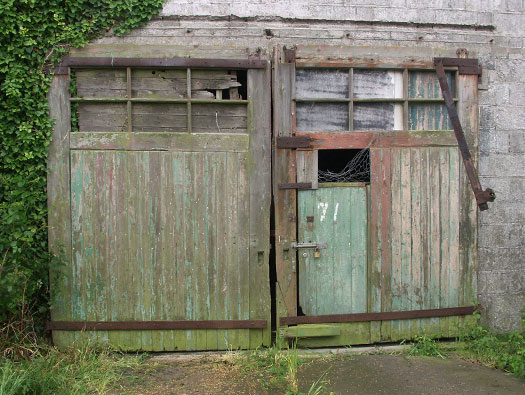
Instructional building.
RNAS St Merryn, HMS Vulture
16 July 2008
Information
RNAS St Merryn, HMS Vulture
Details
Technical site.
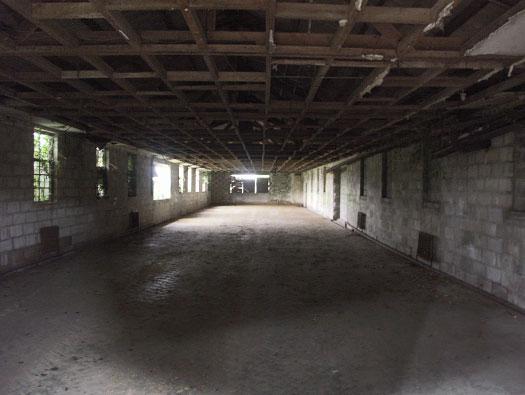
Instructional building.
RNAS St Merryn, HMS Vulture
16 July 2008
Information
RNAS St Merryn, HMS Vulture
Details
Technical site.
Instructional building.
RNAS St Merryn, HMS Vulture
16 July 2008
Information
RNAS St Merryn, HMS Vulture
Details
Technical site.
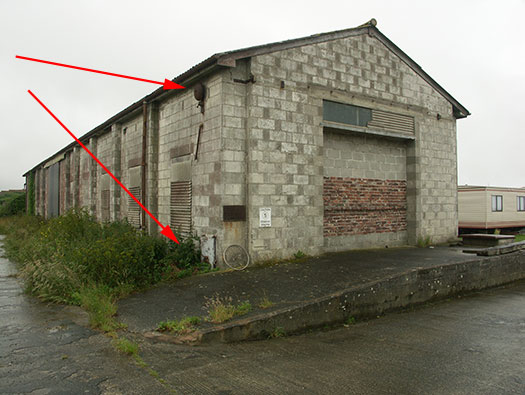
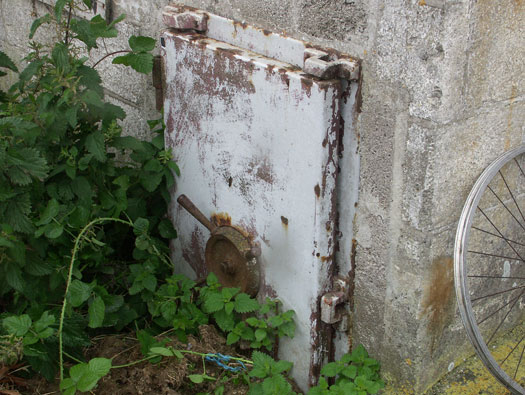
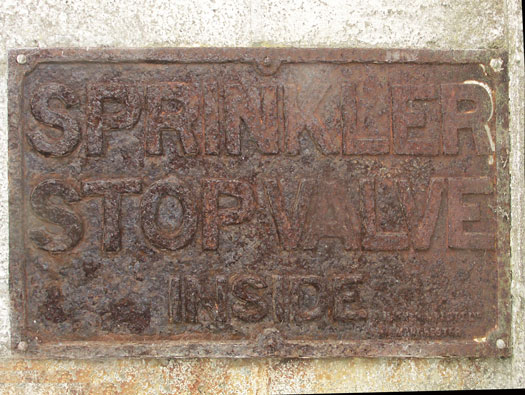
Instructional building/store with loading ramp. The arrows point to the fire bell above and part of the fire fighting water supply, bottom.
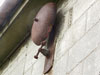
Fire bell.
RNAS St Merryn, HMS Vulture
16 July 2008
Information
RNAS St Merryn, HMS Vulture
Details
Technical site.
Instructional building. Presuming its part of the fire fighting water supply system??
Fire bell.
RNAS St Merryn, HMS Vulture
16 July 2008
Information
RNAS St Merryn, HMS Vulture
Details
Technical site.
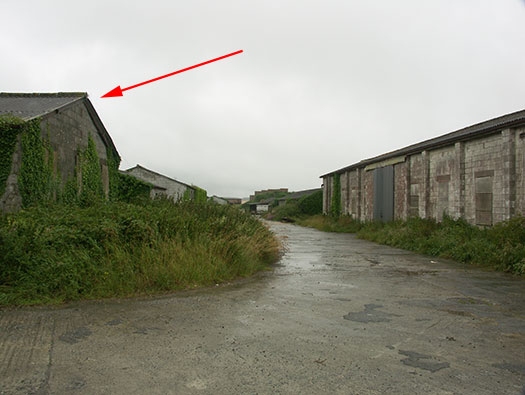
Photographic hut.
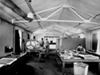
Photographic hut on an RAF station.

RAF looking through photo.
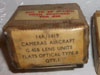
Camera gun lenses.
RNAS St Merryn, HMS Vulture
16 July 2008
Information
RNAS St Merryn, HMS Vulture
Details
Technical site.
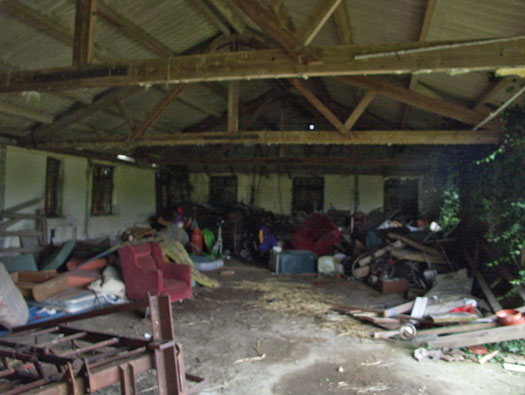
Photographic hut inside.
Gun camera photo.
An American printing photos.

WAAF's sporting camera guns.
RNAS St Merryn, HMS Vulture
16 July 2008
Information
RNAS St Merryn, HMS Vulture
Details
Technical site.
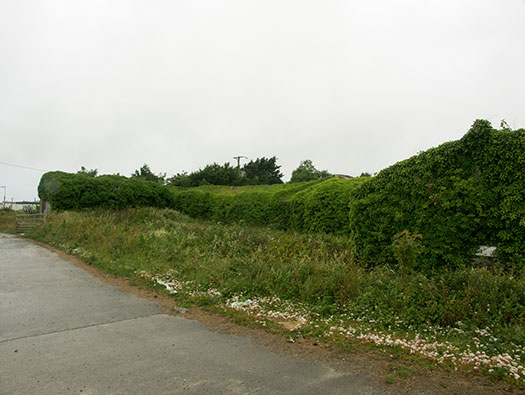
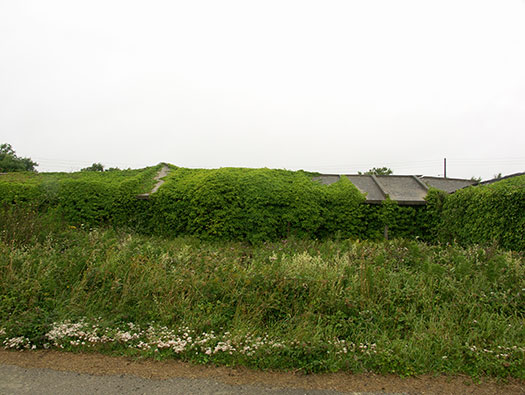
Completely covered in Ivy, this maybe the HQ building. The design is based on WW1 RFC design in a U shape.
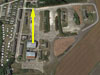
From the plan of the airfield you can just make out the U shaped HQ.
RNAS St Merryn, HMS Vulture
16 July 2008
Information
RNAS St Merryn, HMS Vulture
Details
Technical site.
I think this is the HQ Building. An odd feature of this building is the hardened concrete roof over what could have been the Captains Office.

White Ensign.
Plan.
RNAS St Merryn, HMS Vulture
16 July 2008
Information
RNAS St Merryn, HMS Vulture
Details
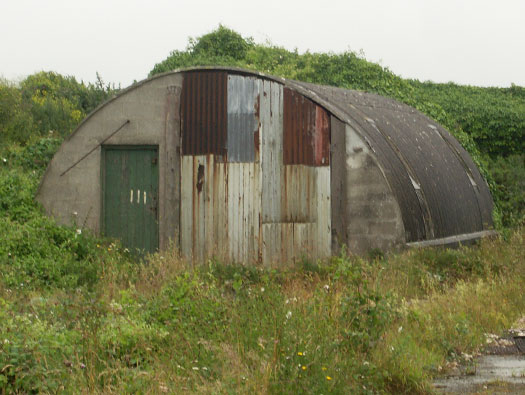
Technical site. Nissen style hut.
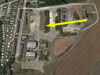
This Nissen store hut, it was next one of the large hangars that sat here.

Possibly a Bellman hangar?
Plan.
RNAS St Merryn, HMS Vulture
16 July 2008
Information
RNAS St Merryn, HMS Vulture
Details
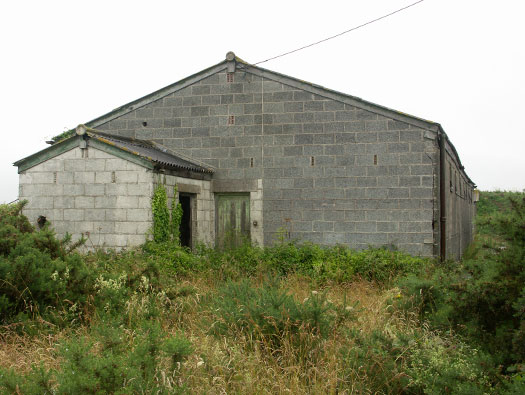
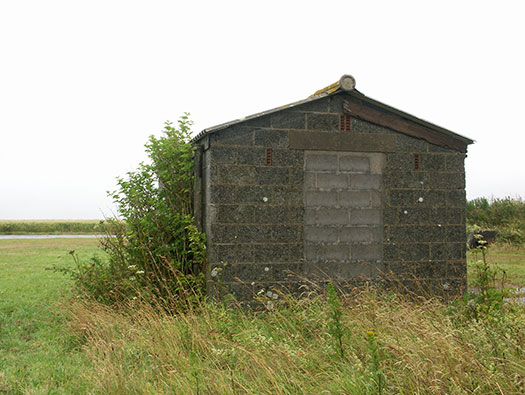
Technical site. Flight hut? made of concrete block.
Plan.
RNAS St Merryn, HMS Vulture
16 July 2008
Information
RNAS St Merryn, HMS Vulture
Details
Technical site.
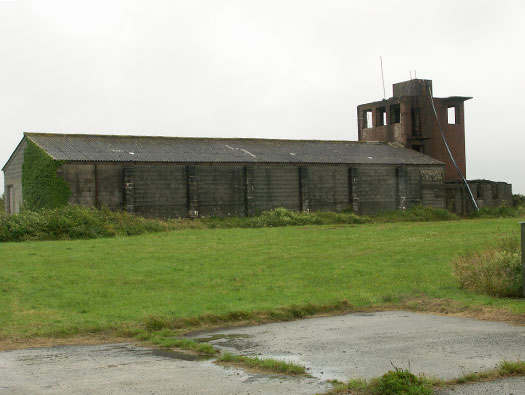
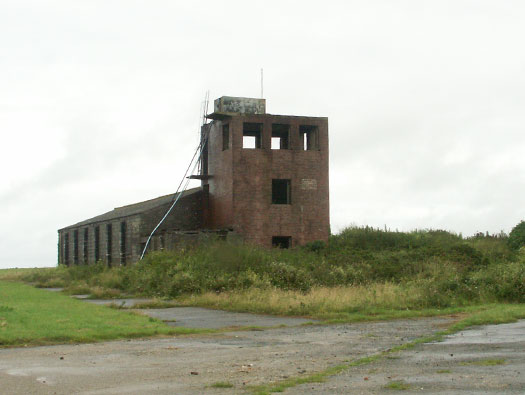
Flight hut & control tower.
Operations board for towed target planes.
Plan.
RNAS St Merryn, HMS Vulture
16 July 2008
Information
RNAS St Merryn, HMS Vulture
Details
Technical site.
Latrine hut?
Plan.
RNAS St Merryn, HMS Vulture
16 July 2008
Information
RNAS St Merryn, HMS Vulture
Details
Technical site.
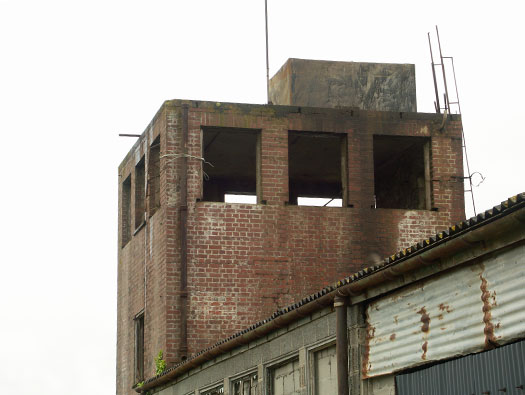
Control tower. Built later in the war.
The first aircraft to arrive were 792sqn with Roc's & Skuas as air target towing and 774sqn with Swordfish & Roc's for telegraphist air gunner training.
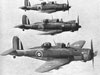
Three Roc's..

792 Sqdn RNAS.
Skua with folded wings.
RNAS St Merryn, HMS Vulture
16 July 2008
Information
RNAS St Merryn, HMS Vulture
Details
Technical site.
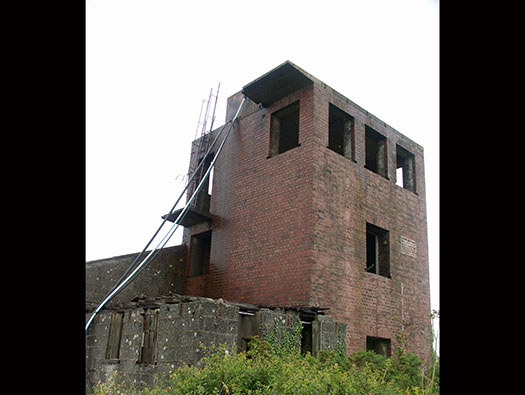
Control tower.
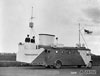
Remote control designed to look like an aircraft carriers island. Not as daft as it sounds as it gave perspective to deck landings on an airfield.
Pilot.
RNAS St Merryn, HMS Vulture
16 July 2008
Information
RNAS St Merryn, HMS Vulture
Details
Technical site.
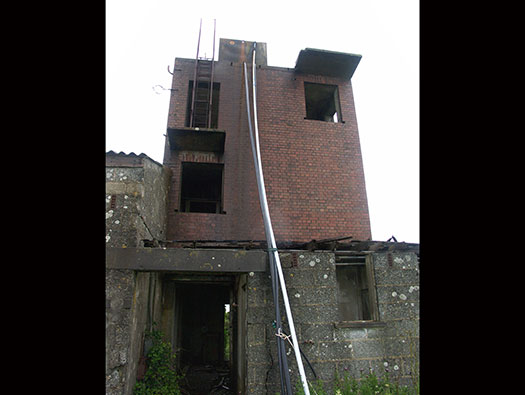
Control tower

Seafire.

WRNS telegraphist.
RNAS St Merryn, HMS Vulture
16 July 2008
Information
RNAS St Merryn, HMS Vulture
Details
Technical site.
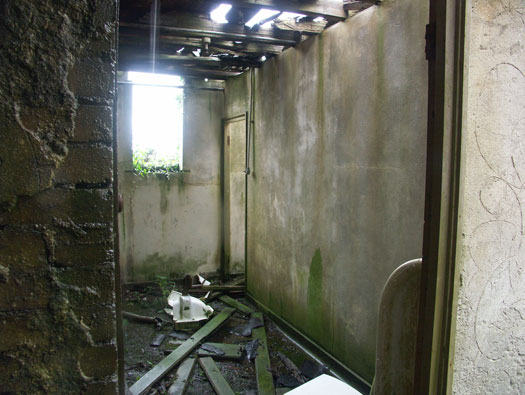
Control tower. A bit of a hotch pot of building.
RNAS St Merryn, HMS Vulture
16 July 2008
Information
RNAS St Merryn, HMS Vulture
Details
Technical site.
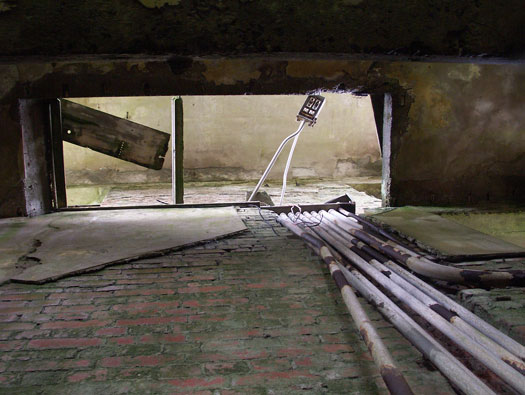
Control tower inside.
RNAS St Merryn, HMS Vulture
16 July 2008
Information
RNAS St Merryn, HMS Vulture
Details
Technical site.
Control tower looking up the tower. I believe thats the stair well.
RNAS St Merryn, HMS Vulture
16 July 2008
Information
RNAS St Merryn, HMS Vulture
Details
Technical site.
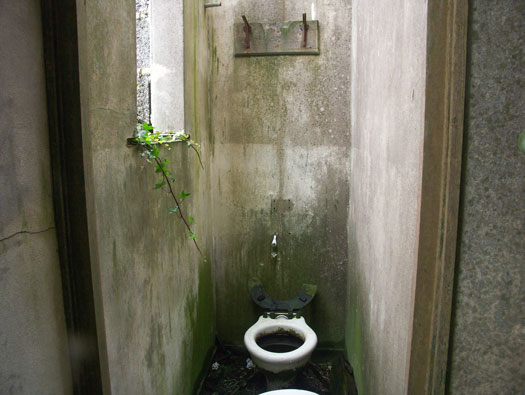
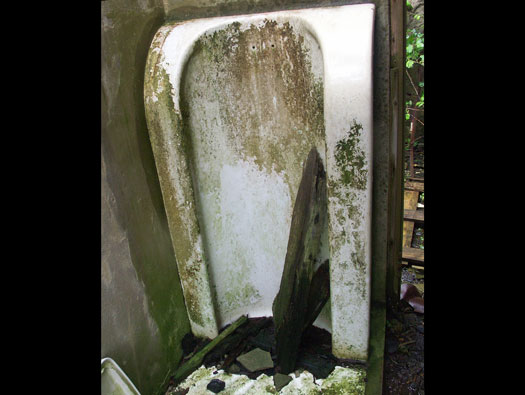
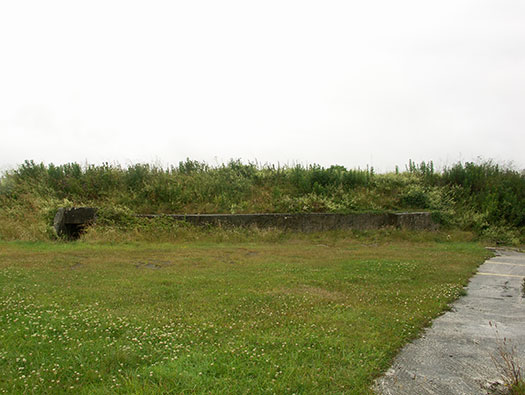
Control tower toilets.
RNAS St Merryn, HMS Vulture
16 July 2008
Information
RNAS St Merryn, HMS Vulture
Details
Technical site.
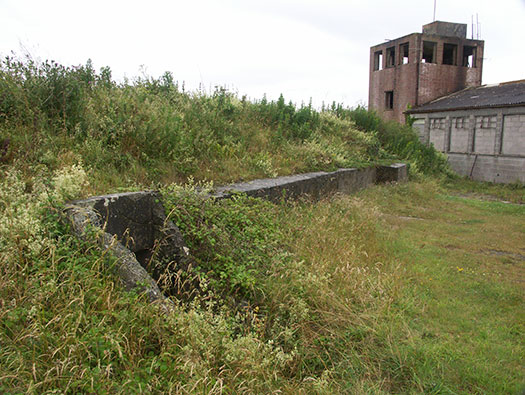
Air raid shelter. Air raid precautions were needed earlier in the war, St Merryn was attacked quite a few times.
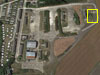
Plan.
RNAS St Merryn, HMS Vulture
16 July 2008
Information
RNAS St Merryn, HMS Vulture
Details
Technical site.
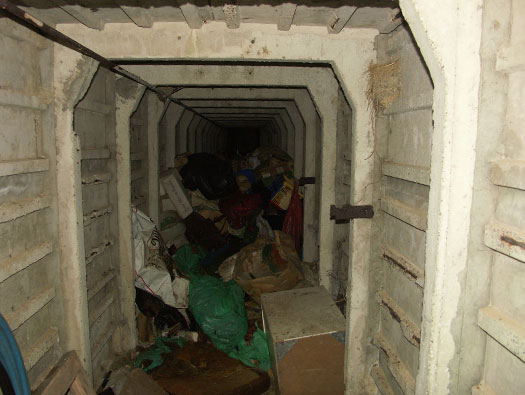
Air raid shelter inside, a prefabricated concrete structure and looks like a Bison design.
Bison type.
RNAS St Merryn, HMS Vulture
16 July 2008
Information
RNAS St Merryn, HMS Vulture
Details
Technical site.
Air raid shelter.
 Norway (coming soon!)
 France
 Great Britain