Yatesbury, Wiltshire Bristol Aeroplane Co.
ARTICLE · Wiltshire · England · United Kingdom
Bristol Aeroplane Co. Yatesbury No.10 Elementary and Reserve Flying Training School


Bristol Aeroplane Co. Yatesbury No.10 Elementary and Reserve Flying Training School
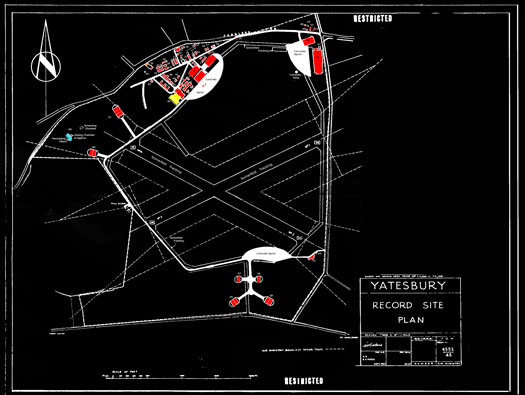
Record Site Plan 4552/45
Bristol Aeroplane Co. Yatesbury No.10 Elementary and Reserve Flying Training School

Bristol Aeroplane Co. Yatesbury No.10 Elementary and Reserve Flying Training School
Date 26 June 2005

Bristol Aeroplane Co. Yatesbury No.10 Elementary and Reserve Flying Training School
26 June 2005
Bristol Aeroplane Co. Yatesbury No.10 Elementary and Reserve Flying Training School
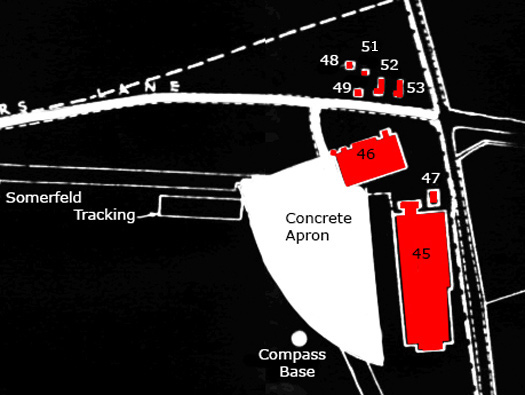
This schedule details the airfield infrastructure and buildings at the Yatesbury site.
- 45: Large side opening hangar - B.A.C. - TB
- 46: Hangar Belfast Truss Roof - B.A.C. - TB
- 47: Boiler House - B.A.C. - TB
- 48: A.M.W.D. Stores - 20'x17' - T
- 49: Guard Hut - B.A.C. - TB
- 50: Store (demolished) - TB
- 51: Pyro Store - TB - based on RCW/40
- 52: Air Raid Shelter - F.D. Type (AM Supply)
- 53: Air Raid Shelter - F.D. Type (AM Supply)
Key:
- B.A.C.: buildings owned by Bristol Aeroplane Co.
- TB: Temporary Brick
- A.M.W.D: Air Ministry Works Dept.
- AM: Air Ministry
- T: Tin
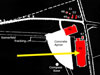
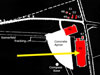
Record Site Plan 4552/45
Bristol Aeroplane Co. Yatesbury No.10 Elementary and Reserve Flying Training School
Date 26 June 2005
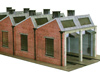

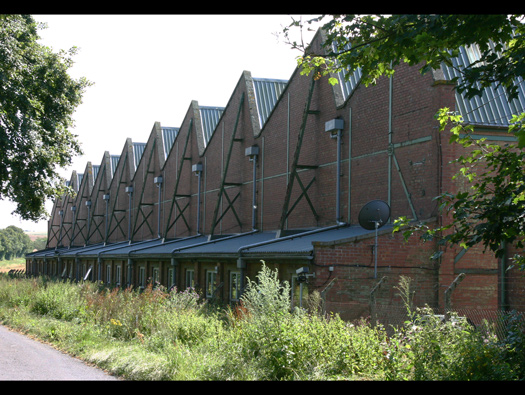
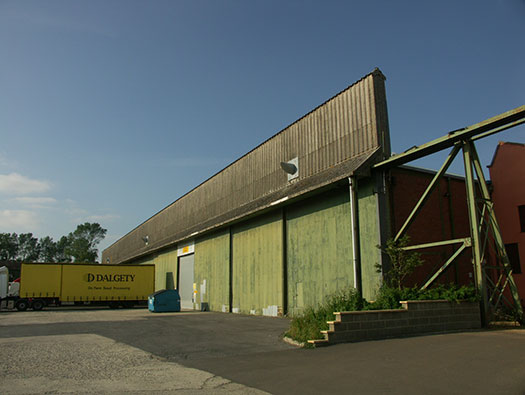
45 - Large side opening hangar - B.A.C.
Date 26 June 2005
Bristol Aeroplane Co. Yatesbury No.10 Elementary and Reserve Flying Training School
Date 26 June 2005
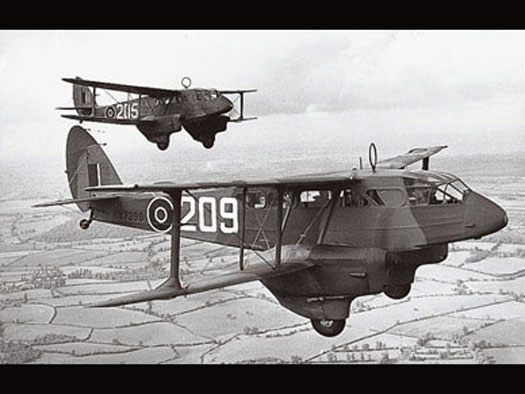
The de Havilland DH 89 Dominie was among the aircraft types that once operated from Yatesbury. These versatile biplanes were introduced here specifically to train air wireless operators, working in conjunction with the navigation training provided to students from the adjacent No. 2 Electrical and Wireless School.
DH 89 Dominie
Bristol Aeroplane Co. Yatesbury No.10 Elementary and Reserve Flying Training School
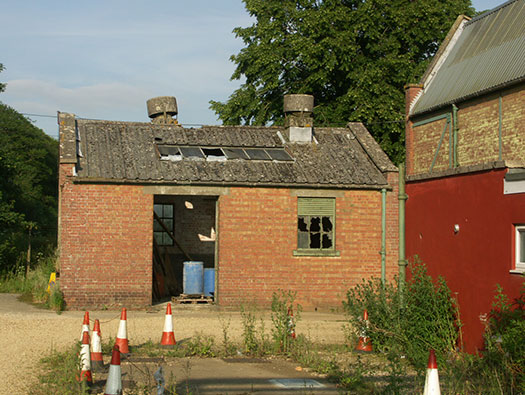
47 - Boiler House - B.A.C - TB. To the side of the hangar is the original boiler house; note the large ventilators on the roof.
Date 26 June 2005

Boiler House Interior
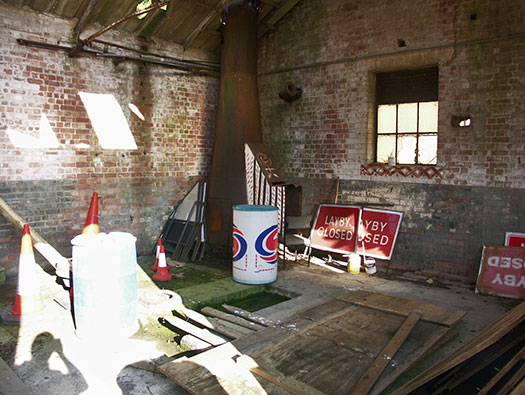
47 - Boiler House - B.A.C - TB. Inside view of the original boiler house.
Date 26 June 2005
Bristol Aeroplane Co. Yatesbury No.10 Elementary and Reserve Flying Training School
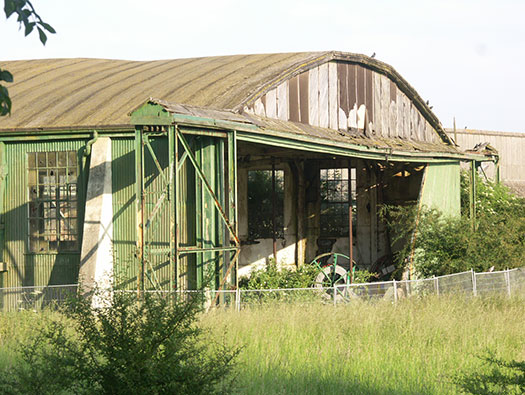
Date 26 June 2005
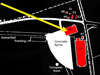
Bristol Aeroplane Co. Yatesbury No.10 Elementary and Reserve Flying Training School
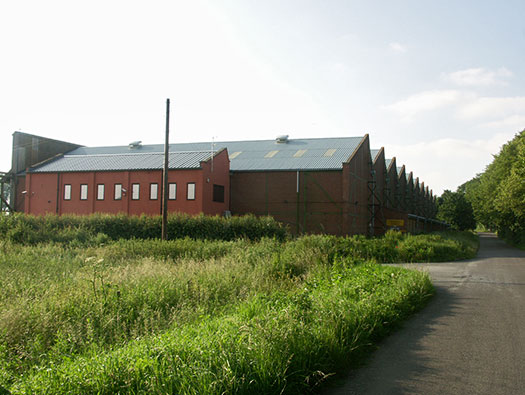
45 - Large side opening hangar - B.A.C. - TB.
46 - Hangar Belfast Truss Roof - B.A.C. - TB.
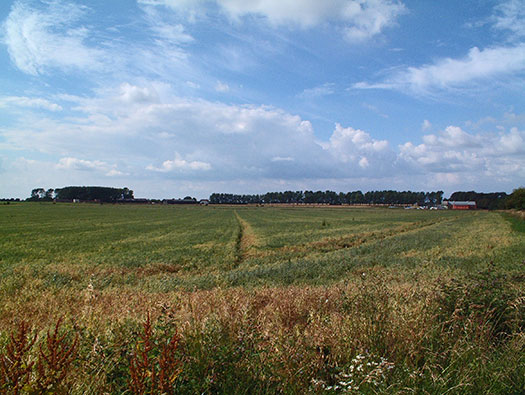
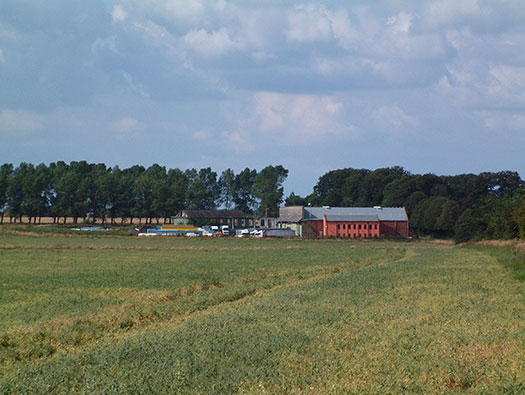
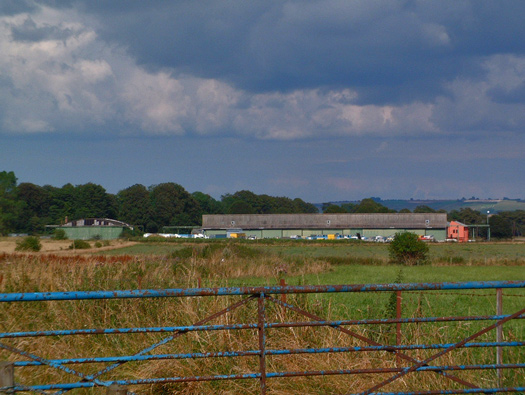
The view across the airfield.
History: The old WW1 airfield with one GS shed burnt down and another sold off to Bowyer's of Calne to manufacture sausages in. That left this GS shed and just two more across the airfield. Most other WW1 buildings that were still around had been removed when B.A.C. took the airfield over after 1935.
Date 26 June 2005

Bristol Aeroplane Co. Yatesbury No.10 Elementary and Reserve Flying Training School
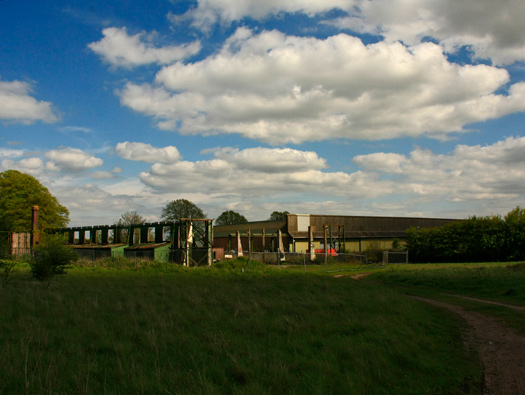
The site plan includes the following buildings:
- 45 - Large side opening hangar - B.A.C. - TB.
- 46 - Hangar Belfast Truss Roof - B.A.C. - TB.
13 May 2012
Bristol Aeroplane Co. Yatesbury No.10 Elementary and Reserve Flying Training School
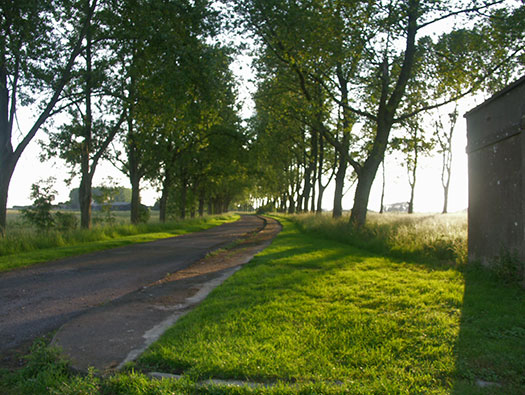
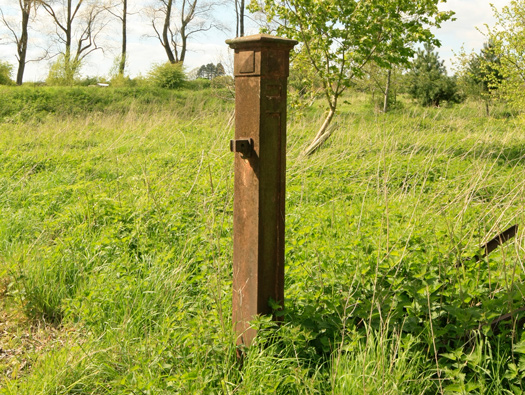
The B.A.C. guard room is reached via a lovely tree-lined avenue that leads to the Bristol flying school. The main gate post remains standing to this day, as seen in 2012.
Date 26 June 2005
Bristol Aeroplane Co. Yatesbury No.10 Elementary and Reserve Flying Training School
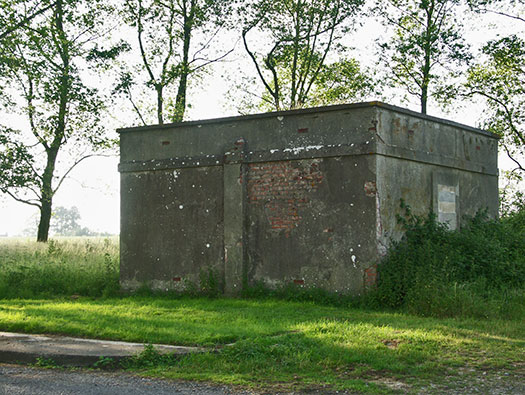
49 - Guard Hut - B.A.C. - TB. This site was guarded by civilians working for the Bristol Aeroplane Company.
13 May 2012
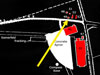
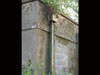
Station Defences
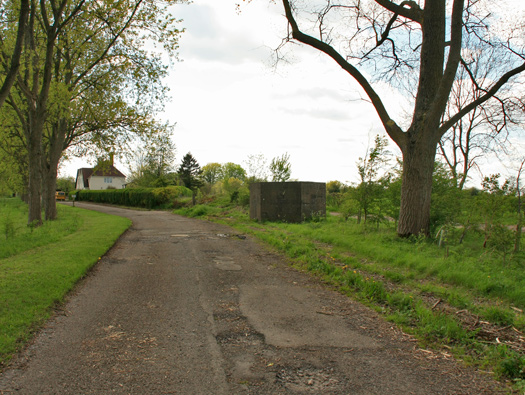
13 May 2012
No.10 Elementary and Reserve Flying Training School — Site Building Schedule
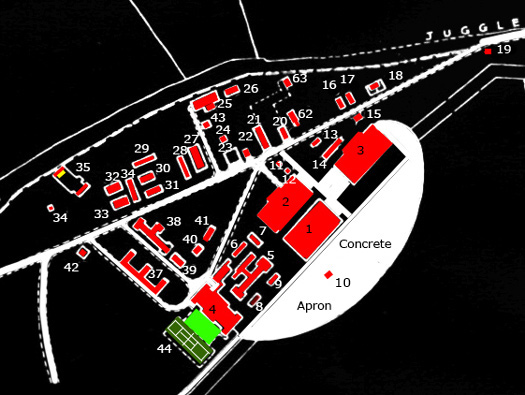
The following is a schedule of the buildings and facilities at the school, including their construction types and reference codes:
- 1 - Hangar Bellman 2/3 Full Height - ST - 8349/37
- 2 - Hangar Belfast Roof - B.A.C.
- 3 - Hangar Belfast Roof - B.A.C.
- 4 - Offices & 2 Stores - B.A.C. - PB
- 5 - Offices & 2 Stores - B.A.C. - PB
- 6 - Rest Room - 'B' type Hutting 50'x18' - T - RCW47/40
- 7 - Lecture Hut 50'x18' - TB
- 8 - Flight Office 'B' type Hutting 50'x18' - T - RCW46/40, YA 456
- 9 - Flight Office 'B' type Hutting 50'x18' - T - RCW47/40
- 10 - Control Tower (Watch Office) 20'x18' - YA456 (Local)
- 11 - Oil & Petrol Store - B.A.C. - TB
- 12 - Oil & Petrol Store - B.A.C. - TB
- 13 - Latrine Block - B.A.C. - TB
- 14 - Office 'B' Type Hutting 50'x18' - T - RCW47/40. Demolished 1962
- 15 - Dope Store - TB. Demolished 1962
- 16 - Stores Hut 36'x18' - H - 4175/42
- 17 - Stores Hut 36'x18' - H - 4175/42
- 18 - Cottages 2 stories Staff Residence (B.A.C)
- 19 - Guard Hut - B.A.C. - TB
- 20 - Garage (Floodlight Trailer) - B.A.C. - TB
- 21 - M.T. Workshops - B.A.C. - TB
- 22 - Garage - B.A.C. - TB - ?
- 23 - Garage - B.A.C. - TB
- 24 - A.M.L. Teacher - T - 69/27CRCW43/42
- 25 - Decontamination Centre - T - 235/39
- 26 - Gas Defence Centre 48'x18' - T - 3632/37
- 27 - Power House - B.A.C. - PB
- 28 - M.T. Shed
- 29 - Barrack Hut 'B' Type Hutting 70'x18' - T
- 30 - Barrack Hut 'B' Type Hutting 42'x28' - T - YA206(local)
- 31 - Barrack Hut 'B' Type Hutting 50'x28' - T
- 32 - Barrack Hut 'B' Type Hutting 50'x28' - T - YA206
- 33 - Barrack Hut 'B' Type Hutting 50'x28' - T - YA206
- 34 - Ablutions Latrines 'B' Type Hutting 50'x28' - T - YA196
- 35 - 25yds Rifle Range - B - 2902/36 309/35
- 36 - Gas Chamber - B.A.C. - TB
- 37 - Officers Living Quarters (30 Rooms) - B.A.C. - PB
- 38 - Hostel N.C.O's & O/R's - B.A.C. - PB
- 39 - Squash Court - B.A.C. - PB
- 40 - Sick Quarters - TB - RCW 34/40
- 41 - Female Rest Room - 48'x18' - TB - Hil
- 42 - Static Water tank - TB - (Hil?)
- 43 - Static Water tank - TB - (Hil?)
- 44 - Tennis Courts B.A.C.
- 45 - Hangar Belfast Roof - B.A.C - TB
- 50 - Store demolished 1962
- 51 - Pyro Store - TB - Based on RCW/13/40
- 52 - Air Raid Shelter - FD Type (A.M. Supply)
- 53 - Air Raid Shelter - FD Type (A.M. Supply)
- 54 - Pilots Rest Room - B - YA.304(Local)
- 55 - Flight Office - TB - YA.304(Local)
B.A.C. - buildings owned by Bristol Aeroplane Co.
TB - Temporary Brick.
T - Timber hutting.
H - Handcraft Hut.
PB - Permanent Brick.
B - Brick.
ST - Steel.
PC - Permanent Concrete.
A.M.W.D - Air Ministry Works Dept.
AM - Air Ministry.
Record Site Plan 4552/45
Bristol Aeroplane Co. Yatesbury No.10 Elementary and Reserve Flying Training School
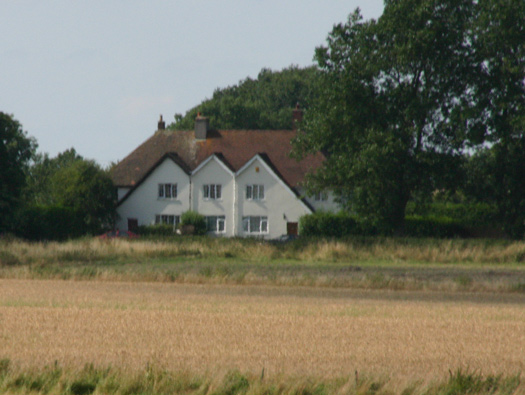
The site featured 18 two-story cottages for staff residence, provided by the Bristol Aeroplane Company. It is possible that one of these served as the residence for the B.A.C. manager, while another may have been occupied by the Chief Instructor.
NP13 May 2012
Bristol Aeroplane Co. Yatesbury No.10 Elementary and Reserve Flying Training School
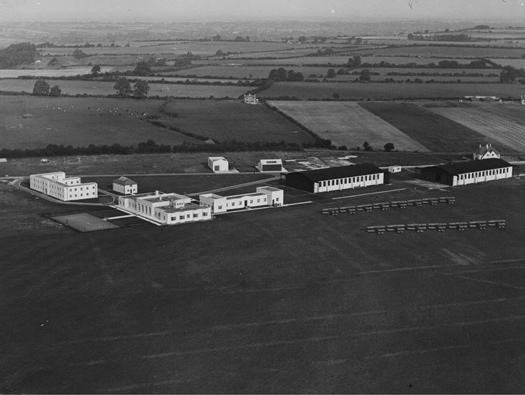
The site features some lovely, modern Art Deco designed buildings that served the No. 10 Elementary and Reserve Flying Training School.
NP
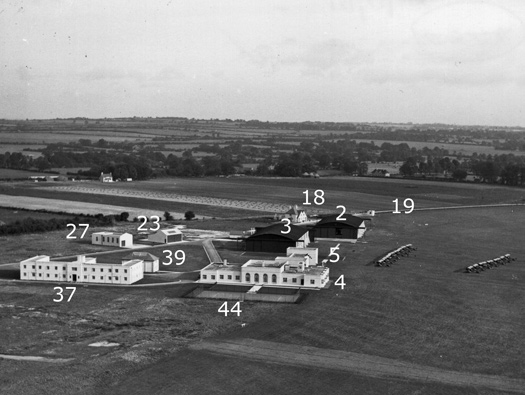
This is a schedule of the buildings and facilities located at the site:
- 2 - Hangar Belfast Roof - B.A.C.
- 3 - Hangar Belfast Roof - B.A.C.
- 4 - Offices & 2 Stores - B.A.C. - PB.
- 5 - Offices & 2 Stores - B.A.C. - PB.
- 18 - Cottages (2 stories Staff Residence) - B.A.C.
- 19 - Guard Hut - B.A.C. - TB - ? (removed)
- 23 - Garage - B.A.C. - TB.
- 27 - Power House - B.A.C. - PB.
- 37 - Officers Living Quarters (30 Rooms) - B.A.C. - PB.
- 39 - Squash Court - B.A.C. - PB.
- 44 - Tennis Courts - B.A.C.
NP
Bristol Aeroplane Co. Yatesbury No.10 Elementary and Reserve Flying Training School
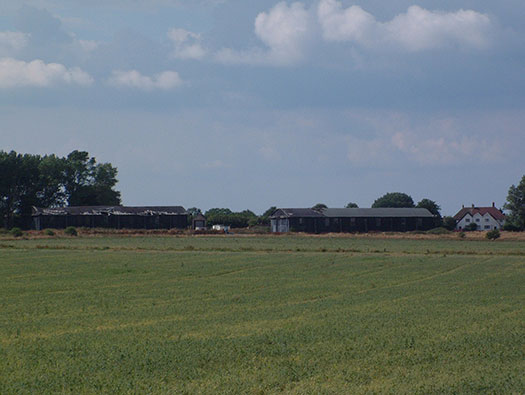
2 - Hangar, Belfast Roof - B.A.C.
3 - Hangar, Belfast Roof - B.A.C.
2000
Hangar Architecture
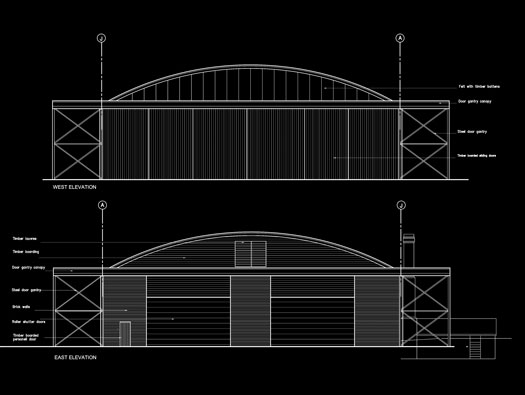
The Belfast truss roof construction provides a distinct profile for the hangar's front elevation, reflecting the design used by the Bristol Aeroplane Company when they refurbished the airfield's facilities.
Bristol Aeroplane Co. Yatesbury No.10 Elementary and Reserve Flying Training School
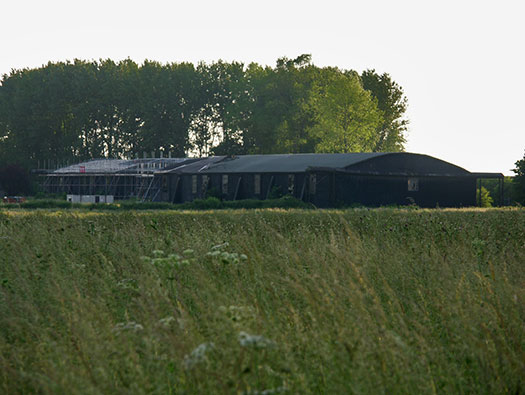
2 - Hangar, Belfast Roof - B.A.C.
3 - Hangar, Belfast Roof - B.A.C.
2000
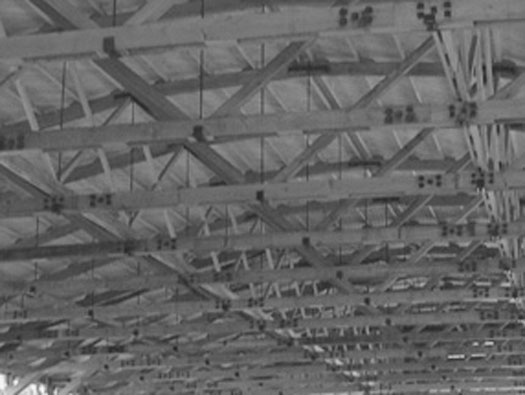
Hangar Belfast Truss Roof Plan
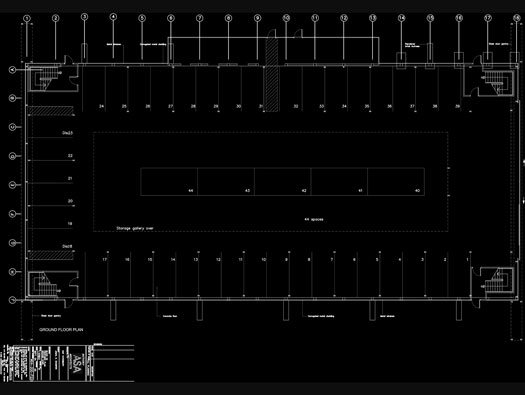
Hangar Belfast Truss roof plan.
Bristol Aeroplane Co. Yatesbury No.10 Elementary and Reserve Flying Training School
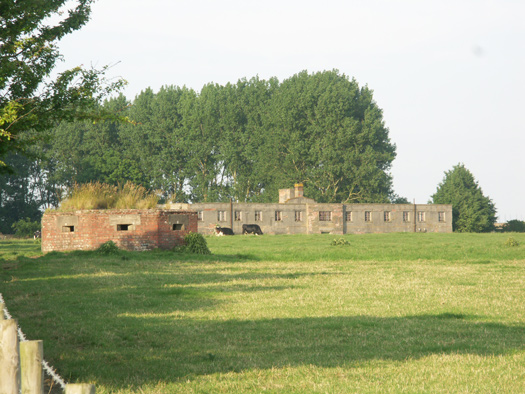
37 - Officers Living Quarters (30 Rooms) - B.A.C. - PB.
The pillbox was added at a later date, around 1940.
Date 26 June 2005
Bristol Aeroplane Co. Yatesbury No.10 Elementary and Reserve Flying Training School
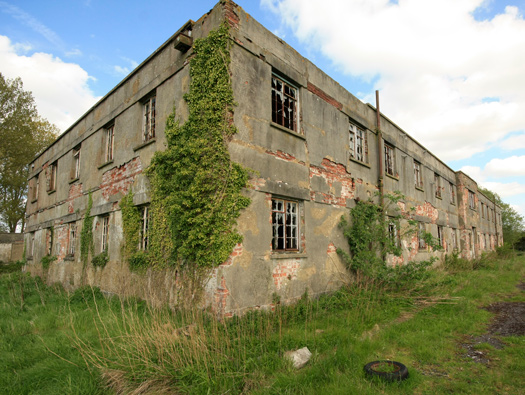
37 — Officers' Living Quarters (30 Rooms) — B.A.C. — PB.
Tiger Moth Training Fleet
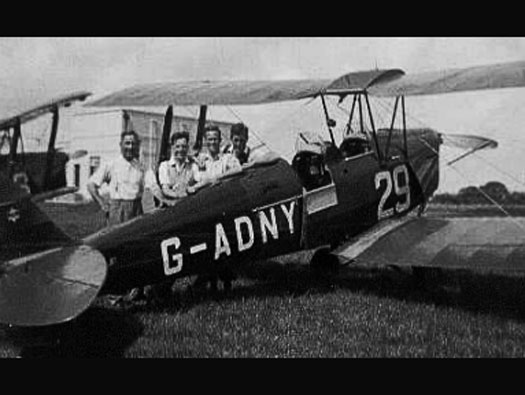
One of the original civil-registered fleet of Tiger Moths operated by the pre-war Bristol-run school, No. 10 ERFTS, at Yatesbury. The Bristol Tiger Moths were known for their distinctive purple fuselages and custard-yellow wings.
RAF Museum
Bristol Aeroplane Co. Yatesbury No.10 Elementary and Reserve Flying Training School
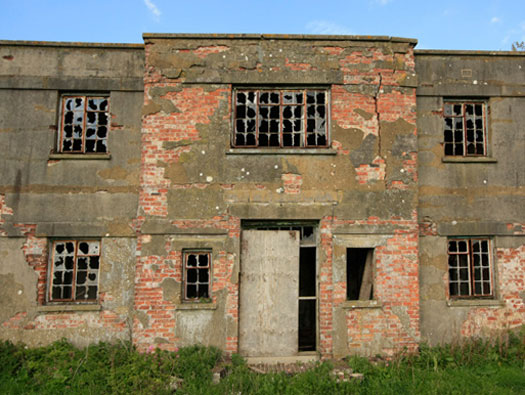
37 - Officers Living Quarters (30 Rooms) - B.A.C. - P.B.
Date 26 June 2005
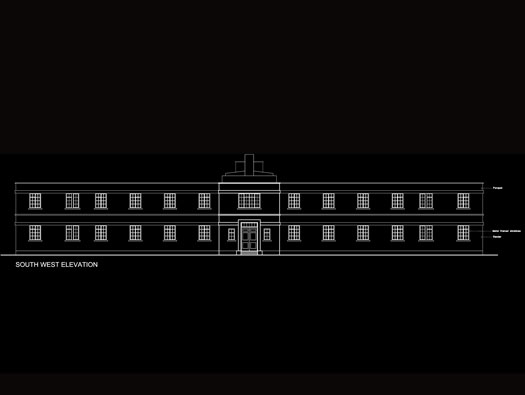
The south-west elevation of the site, which encompasses the officers' living quarters, provides a clear view of the architectural layout and the location of the later-added pillbox defences installed around 1940.
No.10 Elementary and Reserve Flying Training School:
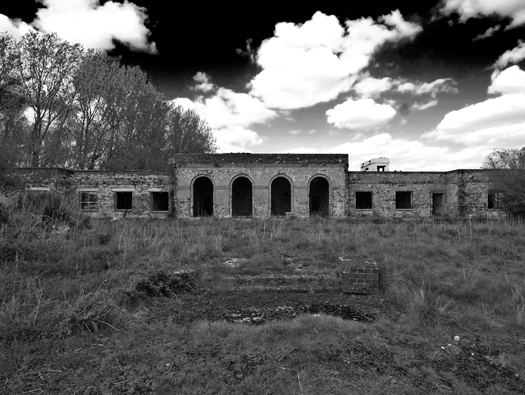
4 - Offices & 2 Stores - B.A.C. - PB.
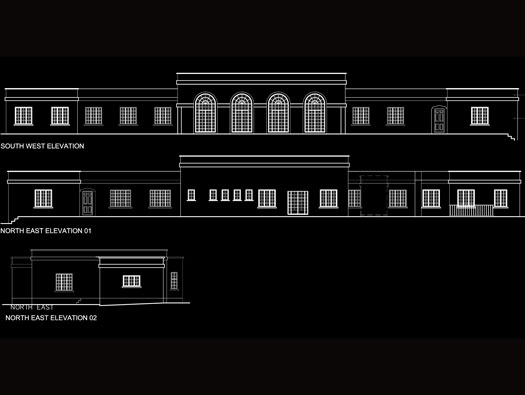
Building 4, comprising offices and two stores, was owned by the Bristol Aeroplane Company and constructed of permanent brick. This image shows the building's elevation.
Bristol Aeroplane Co. Yatesbury No.10 Elementary and Reserve Flying Training School
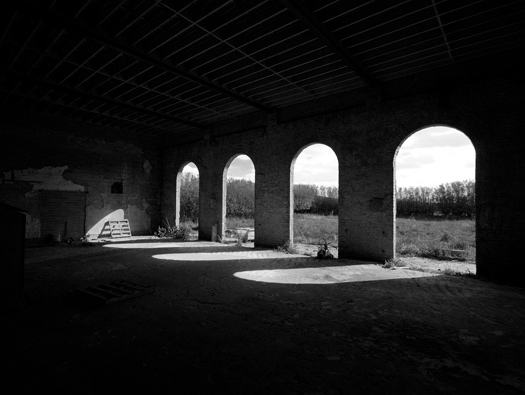

The building features wonderful Georgian windows, a notable architectural detail of the offices and stores block.
Instructional Staff, 1936
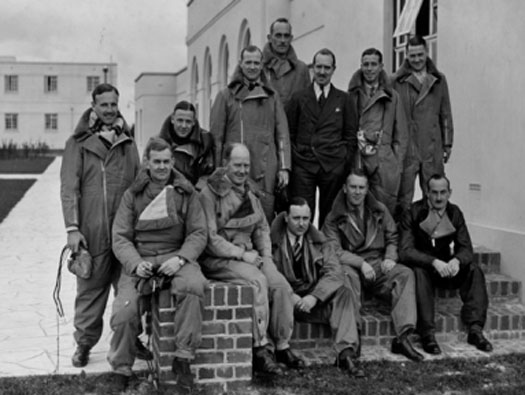
The Yatesbury instructional staff in 1936, with their R.A.F.O. ranks.
Standing, left to right, are Flt. Lt. S. J. H. Carr, DFC; Flt. Lt. E. G. Sharp; Flt. Lt. F. H. Bugge; Mr. W. Miller; Flt. Lt. P. J. Clayson, MC, DFC (Chief Ground Instructor); Fg. Off. L. H. Mason and Flt. Lt. W. J. Pearson. Seated are Fg. Off. W. L. B. Palmer; Fg. Off. T. W. Campbell (Chief Instructor); Fg. Off. W. G. Stevenson; Flt. Lt. H. W. Raeburn and Fg. Off. W. N. L. Cope.
RAF Museum
Bristol Aeroplane Co. Yatesbury No.10 Elementary and Reserve Flying Training School
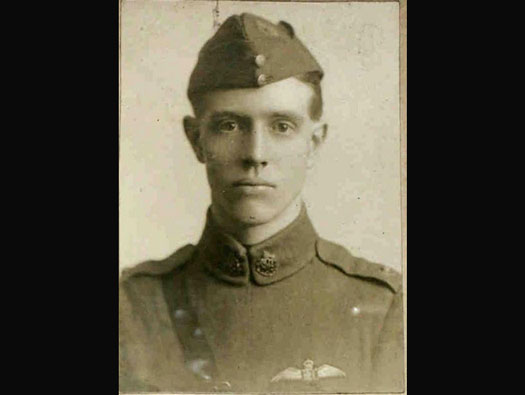
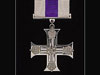
Clayson gained his first victory on 16 February 1918. He was awarded the Military Cross on 9 April, and on 8 May was appointed a flight commander with the rank of acting captain. On 12 June 1918, he was cited for the Distinguished Flying Cross and by 14 July had achieved a total of 29 credited victories; 1 shared destroyed balloon, 1 (and 1 shared) aircraft captured, 9 (and 9 shared) aircraft destroyed, and 5 (and 3 shared) aircraft 'out of control'. He was invested with his DFC on 24 July 1919 by The King at Buckingham Palace. Clayson was posted to Home Establishment on 3 August 1918, ending his involvement in direct engagement with the enemy.
Later military service
On 24 October 1919 he was granted a short service commission in the Royal Air Force with the rank of flying officer. He served during the 1920s with Nos. 6 and 70 Squadrons. On 1 July 1925 he was promoted to flight lieutenant, and on 9 July was posted to No. 23 Squadron at RAF Henlow. On 21 September 1926 he was posted to the Aircraft Depot, Iraq, finally returning to the UK to serve at the RAF Depot at RAF Uxbridge from 14 November 1928. He was placed on the retired list due to ill health on 16 April 1929. On 7 September 1929, at Our Lady of Victories Church, Kensington, he married Kathleen Thornton of Kelvingrove, Glasgow. In 1936 Clayson was the Chief Ground Instructor at the Civil Training Flying School operated by the Bristol Aeroplane Company at Yatesbury. During World War II Clayson returned to active service in the Royal Air Force Volunteer Reserve being appointed a flying officer in the Administrative and Special Duties Branch on 20 December 1941. He was promoted to flight lieutenant on 1 January 1944. Clayson remained in the Air Force Reserve of Officers until finally relinquishing his commission on 10 February 1954.Born 07 June 1908

No. 5 - Offices & 2 Stores Building Details
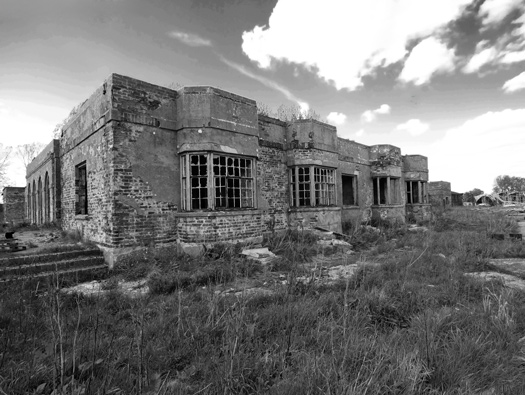
5 - Offices & 2 Stores - B.A.C. - PB.

Student Pilot Training
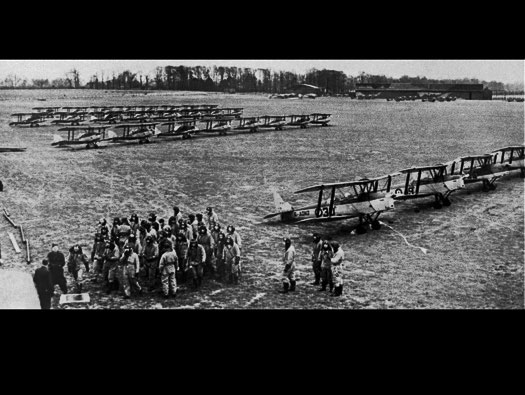
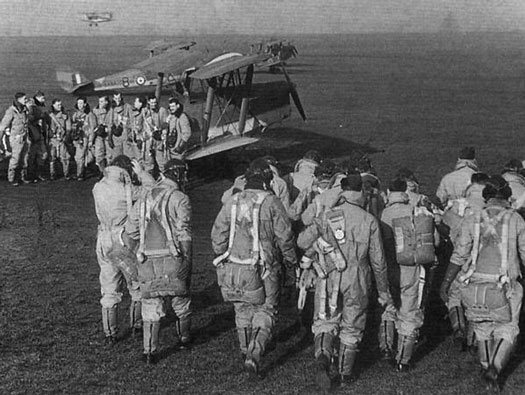
Student pilots assemble on the landing ground for a propaganda photo shoot. These trainees were part of the expanded pilot intake following the outbreak of war in September 1939, when the school transitioned to a war footing and the requirement for new pilots rose rapidly.
Bristol Aeroplane Co. Yatesbury No.10 Elementary and Reserve Flying Training School
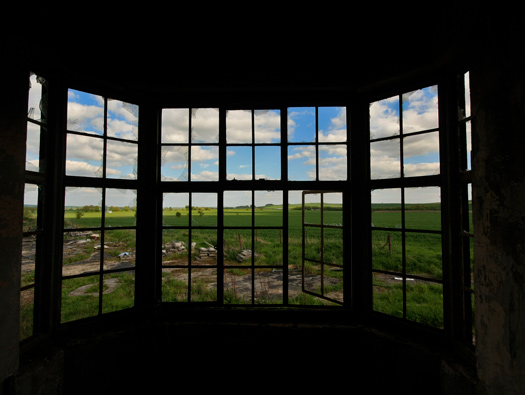
5 — Offices and two stores — B.A.C. — PB.
Student Pilots on Parade
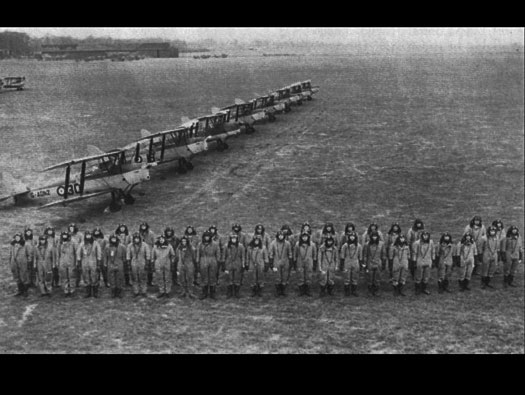
Bristol Aeroplane Co. Yatesbury No.10 Elementary and Reserve Flying Training School
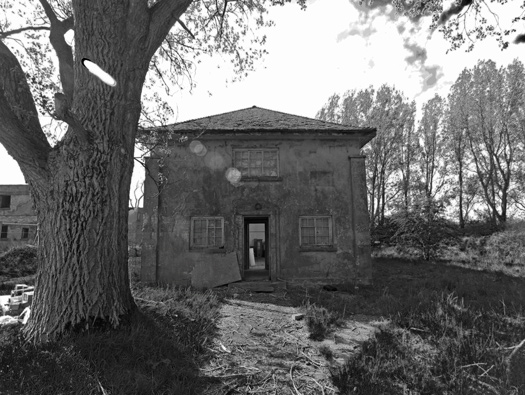
39 - Squash Court - B.A.C. - PB (Permanent Brick construction).


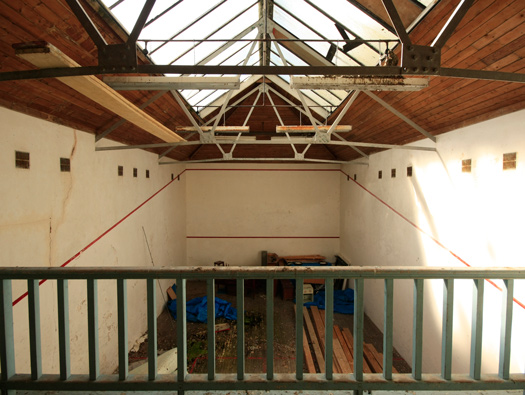
Situated near the accommodation blocks, the site included a squash court (Building 39) constructed of permanent brick (PB) and owned by the Bristol Aeroplane Company (B.A.C.). This facility, alongside the tennis courts, provided recreational space for the school's personnel.
Date 26 June 2005
Bristol Aeroplane Co. Yatesbury No.10 Elementary and Reserve Flying Training School
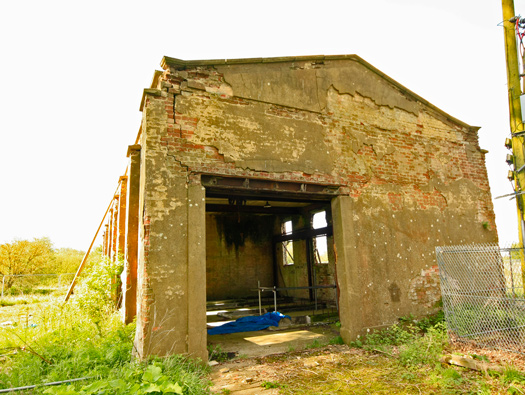
Building 27 is the Power House, a permanent brick construction (PB) built by the Bristol Aeroplane Company.
Date 26 June 2005
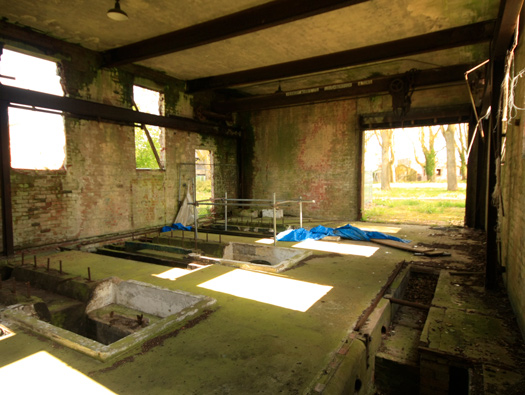
27 - Power House - B.A.C. - PB (viewed from inside).
Bristol Aeroplane Co. Yatesbury No.10 Elementary and Reserve Flying Training School
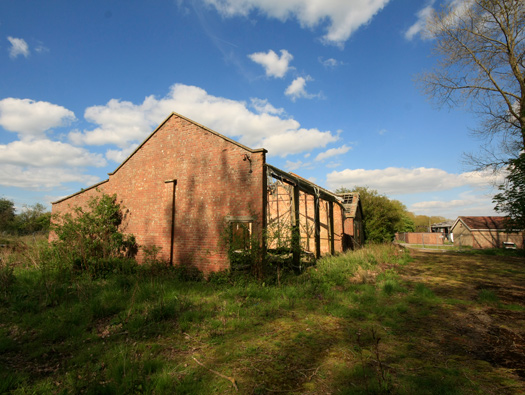
23 - Garage - B.A.C. - TB (Temporary Brick).
Date 26 June 2005
Site No. 23 — Garage
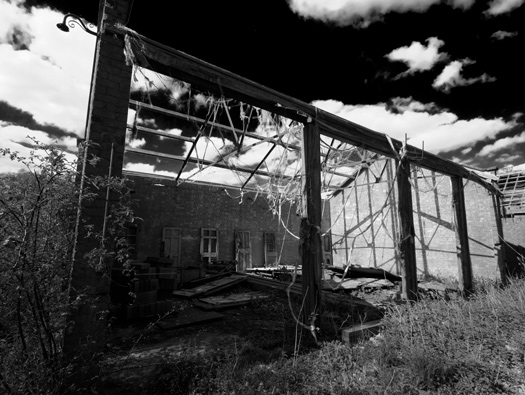
Site 23 - Garage - B.A.C. - TB (Temporary Brick).
Bristol Aeroplane Co. Yatesbury No.10 Elementary and Reserve Flying Training School
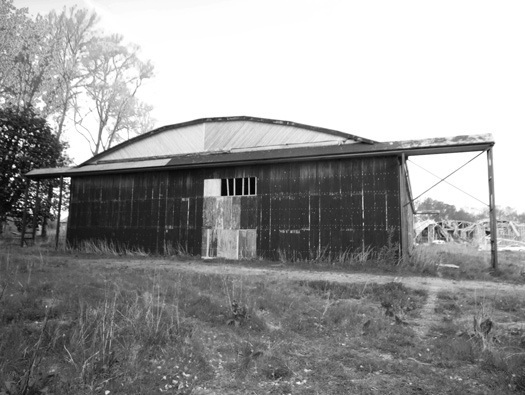
3 - Hangar, Belfast Roof - B.A.C.
NP
Bristol Aeroplane Co. Yatesbury No.10 Elementary and Reserve Flying Training School
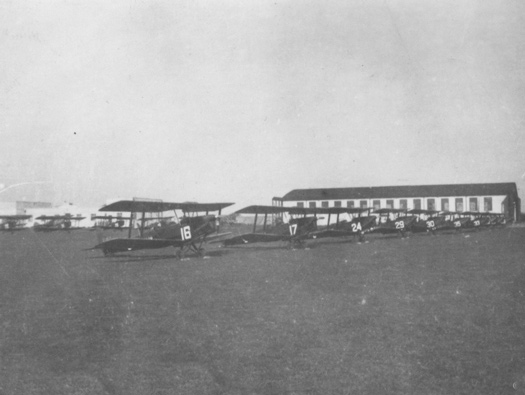
This structure, identified as building 2, is one of the hangars featuring a Belfast truss roof, historically owned and maintained by the Bristol Aeroplane Company.
Air Britain
Training Aircraft on the Airfield
Bristol Aeroplane Co. Yatesbury No.10 Elementary and Reserve Flying Training School