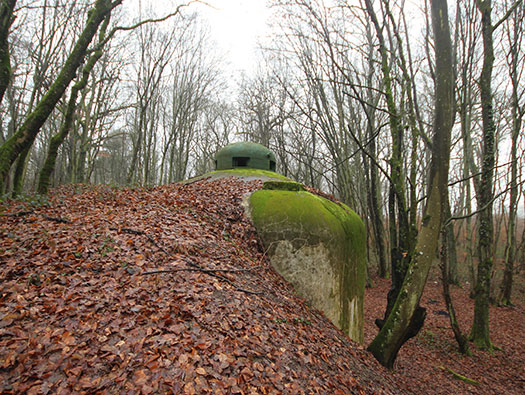
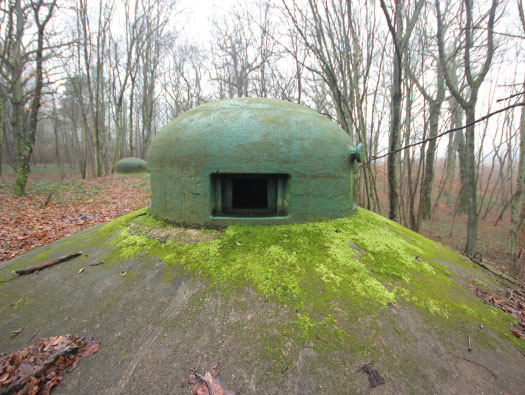
Hobling was approved for construction by CORF (Commission d'Organisation des Régions Fortifiées), the Maginot Line's design and construction agency, in 1931 and became operational by 1935, at a cost of 14 million francs. The contractor was Gianotti of Nice.
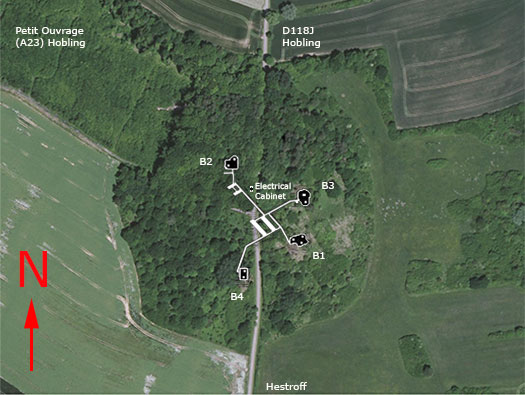
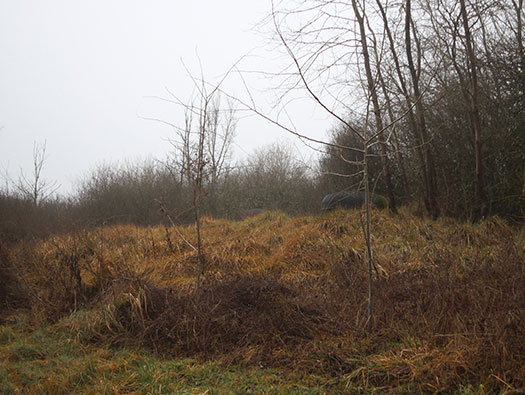
Block 1: Infantry block with two GFM cloches, armed with a JM bell cloche (twinning machine guns).
Block 2: Infantry/entry and casemate flanking north with two automatic rifle cloches (GFM), one twin machine gun embrasure, and one 47mm anti-tank gun.
Block 3: Infantry block with one GFM cloche and one retractable twin machine gun turret.
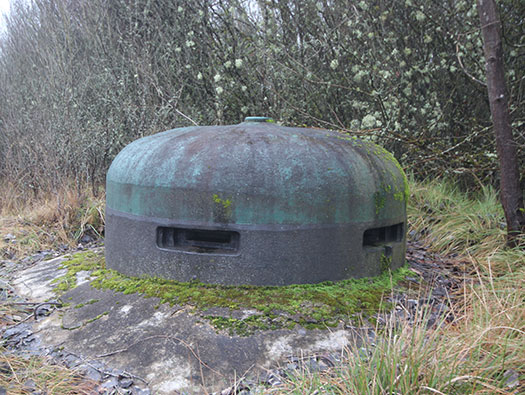
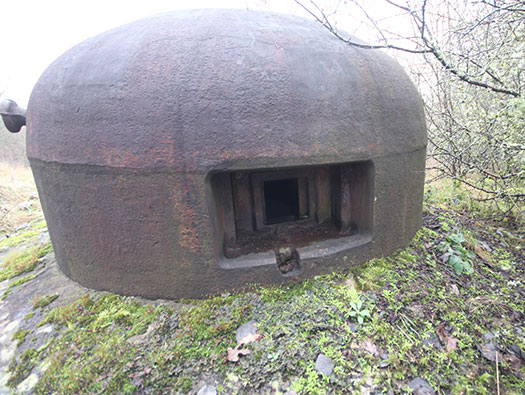
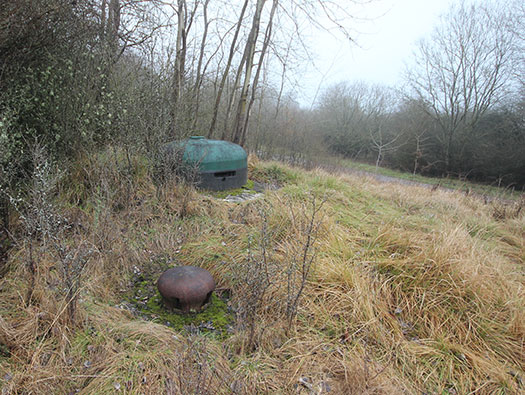
Block 4: Observation block with one observation cloche (VDP) and one automatic rifle embrasure.
Block 5: Planned but not built; equipped with an 81mm mortar turret, and an entry block at the end of a gallery of about 200 metres (660 ft) that was not built.
In June 1940 the garrison comprised 115 men and 4 officers of the 164th Fortress Infantry Regiment (RIF). The commanding officer was Captain Boileau. The Casernement de Férange provided peacetime above-ground barracks and support services to Hobling and other positions in the area. The units were under the umbrella of the 3rd Army, Army Group 2.
Hobling played no significant role in either the Battle of France in 1940 or the Lorraine Campaign of 1944, although there are signs of battle around. Hobling remained under Army control until after 1971.
Hobling (A23), Ligne Maginot
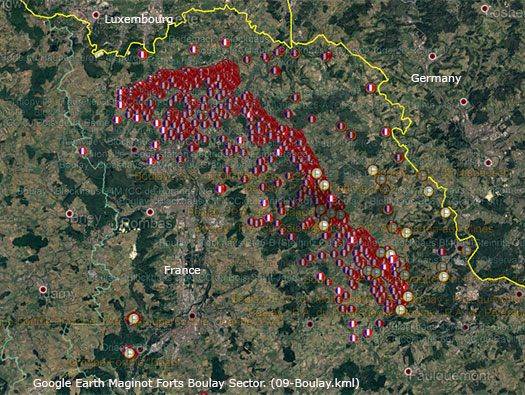
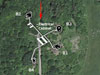
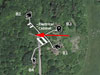
This is the Boulay Sector on Google Earth. It just shows how much there is and was of the Maginot Line in this area.
The following list details the ouvrages (fortified works) located within the Fortified Sector of Boulay:
Ouvrage Hackenberg (GO)
Ouvrage Mont des Welches (GO)
Ouvrage Michelsberg (GO)
Ouvrage Anzeling (GO)
Ouvrage Coucou (PO)
Ouvrage Hobling (PO)
Ouvrage Bousse (PO)
Ouvrage Bovenberg (PO)
Ouvrage Berenbach (PO)
Ouvrage Denting (PO)
Ouvrage Village de Coume (PO)
Ouvrage Annexe Nord de Coume (PO)
Ouvrage Annexe Sud de Coume (PO)
Ouvrage Mottemberg (PO)
27 January 2018
Block 2 — Hobling (A23), Ligne Maginot:
This list provides a glossary of common abbreviations and terms used throughout the Hobling (A23) site documentation:
CORF: Commission d'Organisation des Régions Fortifiées
PO: Petit Ouvrage (a small fort)
GO: Gros ouvrage (a large fort)
X: Infantry fort (a barracks)
GFM: Guet-fusil mitrailleur (station for observation and automatic rifle cloche)
EH: Entrée des hommes (the troops entrance)
RIF: Fortress Infantry Regiment
EM: Entrée des munitions (munitions entrance)
AC: Anti char (anti-tank)
Google
Hobling (A23), Ligne Maginot
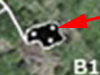
Petit ouvrage Hobling (A23) sits between GO du Michelsberg (A22), Huberbusch and Edling Nord/Sud (C60), PO du Bois-de-Bousse (A24), and GO Anzling (A25) (known now as Fort aux Fresques). This PO covers the road from Hobling with machine gun fire from its four blocks. The main entry block is B2. At B3 and B1, the cloches have been cut off for scrap value. B2 and B4 still have their cloches intact.
27 January 2018
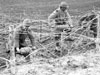
GFM cloche.Barbed wire being laid.
Hobling (A23), Ligne Maginot
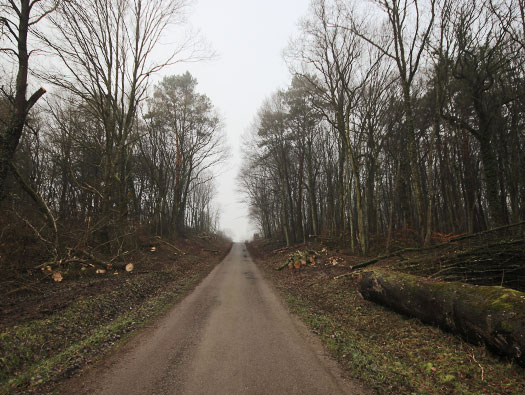
This was the road from Germany, marking the specific area that the Hobling fortifications were tasked with defending.
27 January 2018
Plan.
Hobling (A23), Ligne Maginot
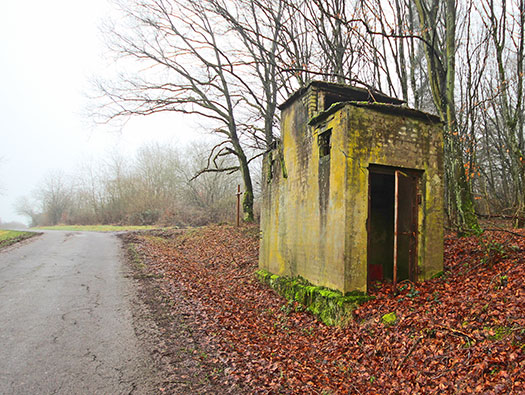
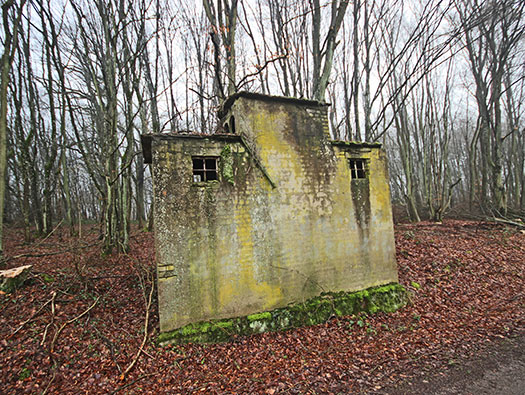
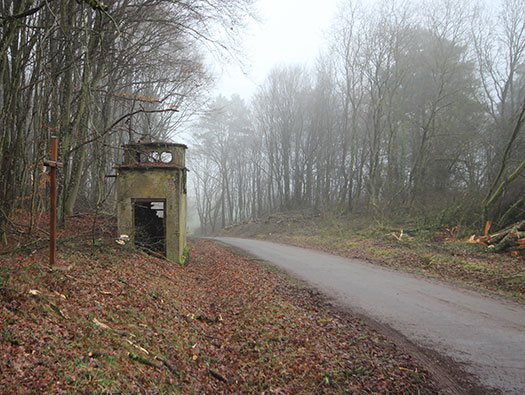
Le transformateur extérieur - Electrical sub-station.
All Maginot forts used mains electricity and needed sub-stations to step down the mains power and send it into the ouvrage to another substation in the middle of the underground. Power was then stepped up or down as needed for each item used.
27 January 2018
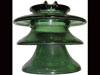
Insulators still in place at A24.French glass insulators.
Hobling (A23), Ligne Maginot
Le transformateur extérieur – Electrical sub-station.
27 January 2018
Hobling (A23), Ligne Maginot
Le transformateur extérieur — electrical sub-station. All Maginot forts used mains electricity and needed sub-stations to step down the mains power and send it into the ouvrage to another substation in the middle of the underground. Power was then stepped up or down as needed for each item used.
27 January 2018
Block 8 — Hobling (A23), Ligne Maginot: Exterior Surroundings
27 January 2018
Hobling (A23), Ligne Maginot
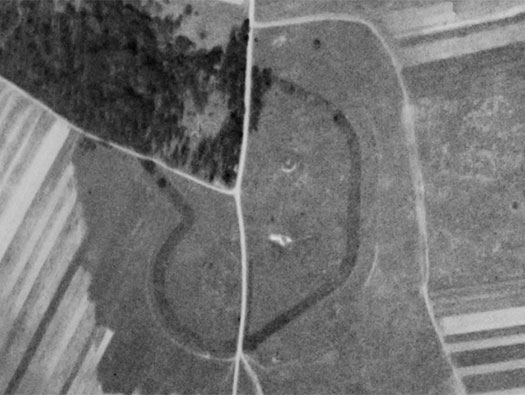
A 1957 air photo of Hobling showing the barbed wire outer defenses.
Geoportail 1957
Steel picket.Heaps of barbed wire.
Hobling (A23), Ligne Maginot
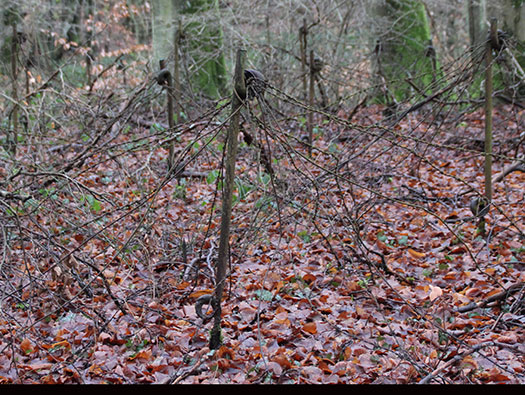
Barbed wire pickets are still in place. There can also be short spikes that can stick into your feet; it can be very dangerous and you have to be very careful.
27 January 2018
A spike.
Hobling (A23), Ligne Maginot
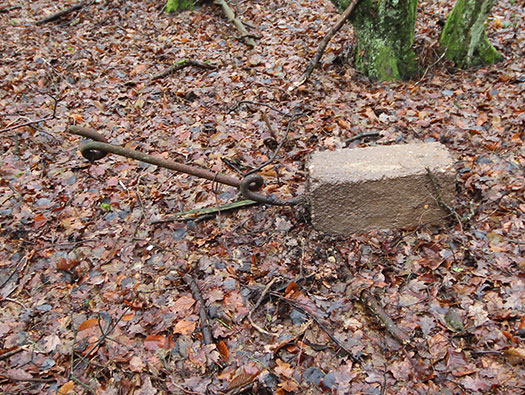
Steel picket and concrete base. These were buried into the ground and barbed wire hooked over the pigtail end.
27 January 2018
Hobling (A23), Ligne Maginot
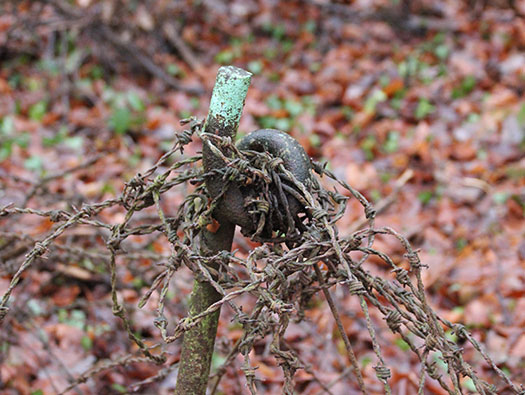
This illustrates the wire secured on a picket post, part of the extensive outer defensive barriers designed to protect the Hobling position.
27 January 2018
Hobling (A23), Ligne Maginot
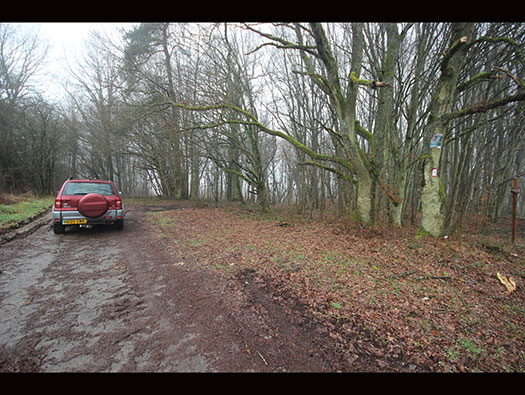
Safely parked up.
27 January 2018
Plan.
Hobling (A23), Ligne Maginot
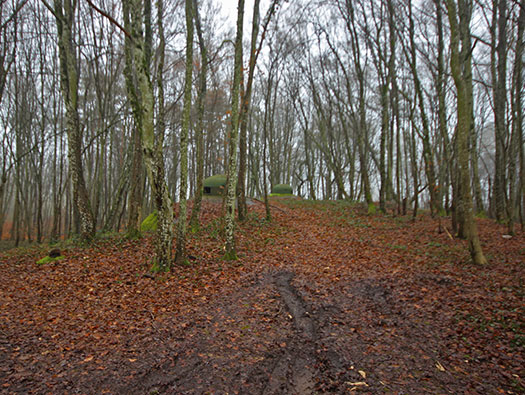
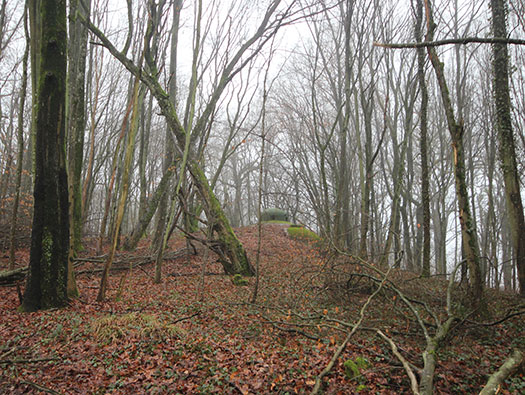
Looking into the woodland, one can see the overgrown remains of the defensive perimeters that once shielded the Hobling position.
27 January 2018
Hobling (A23), Ligne Maginot
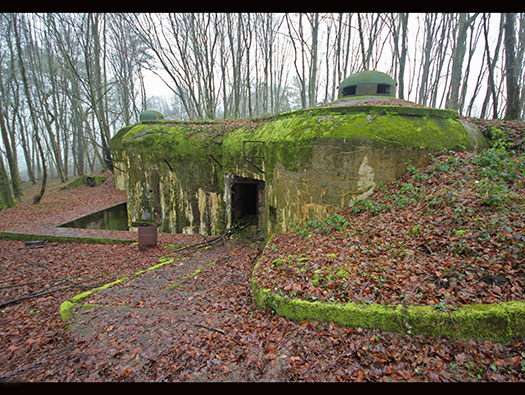
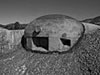
This is the entrance to Block 2, which serves as one of the infantry and entry blocks for the Ouvrage Hobling.
27 January 2018
Hobling (A23), Ligne Maginot
Block 2:
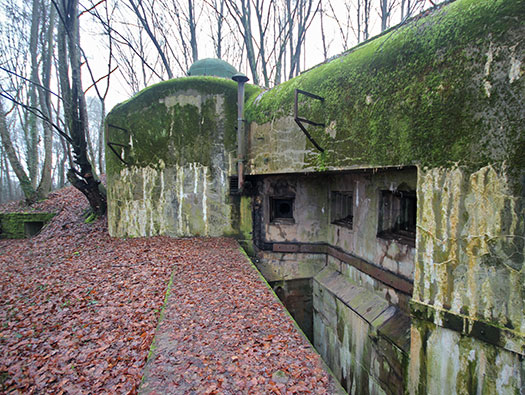
Front face showing the firing embrasures.
27 January 2018
Hobling (A23), Ligne Maginot
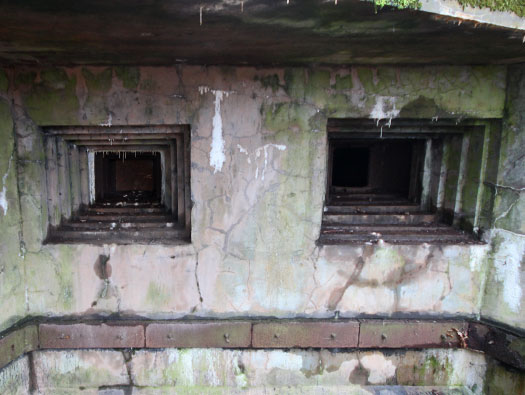
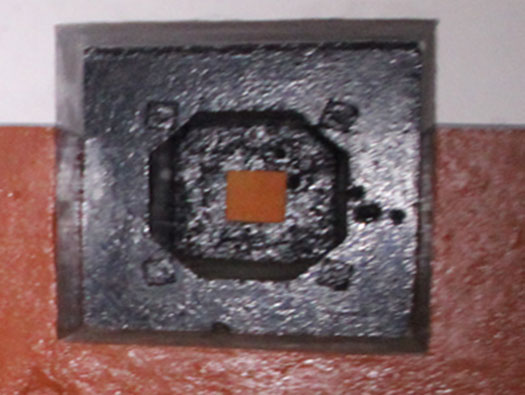
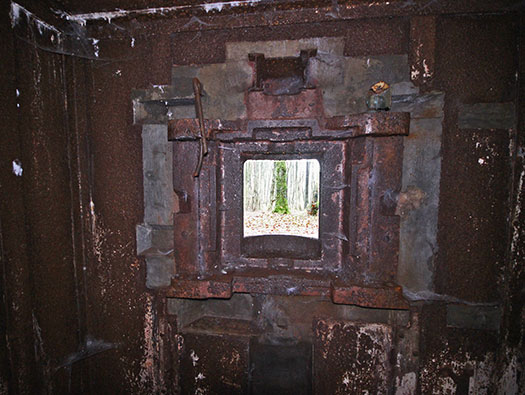
Block 2: Gun embrasures. To the left is a twin machine gun embrasure, and to the right is a 47mm anti-tank gun (JM/AC47) embrasure.
27 January 2018
Overage.47mm anti-tank gun.
Hobling (A23), Ligne Maginot
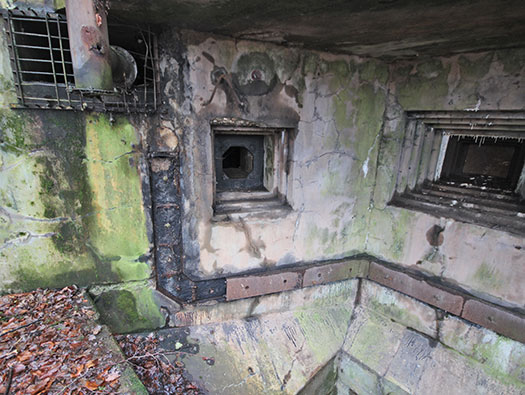
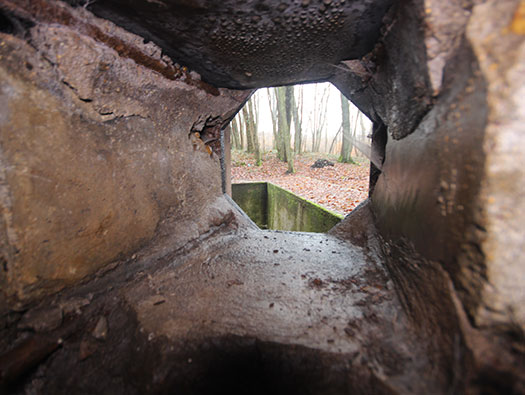
Block 2: Machine gun embrasure covering the ditch. The metal trunking is to protect the mains electric entering the ouvrage.
27 January 2018
Overage.Fusil-mitrailleur Modéle 1924 -1929 Model1931D machine gunthe heavier barrel allowed for more sustained fire before overheating,Embrasure with a gun in place.
Hobling (A23), Ligne Maginot
I think this allows foul air to be removed from gun rooms during sustained fighting.
27 January 2018
Overage.
Hobling (A23), Ligne Maginot
This looks like ready ammunition niches in a fortress gun position, but here I have been informed they are to store spare mines and barbed wire.
27 January 2018
Hobling (A23), Ligne Maginot
Block 2:
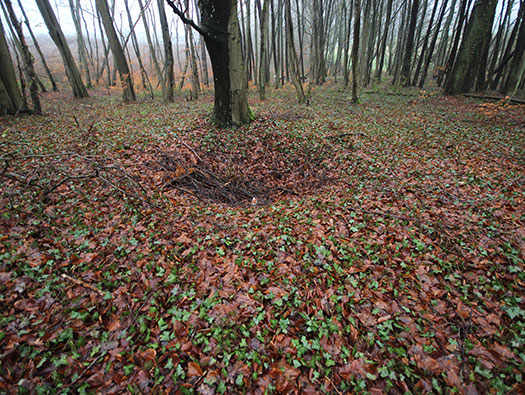
Although the books say this ouvrage was not fought over, this looks like a shell crater to me.
27 January 2018
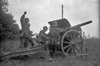
German horse drawn field artillery.
Hobling (A23), Ligne Maginot
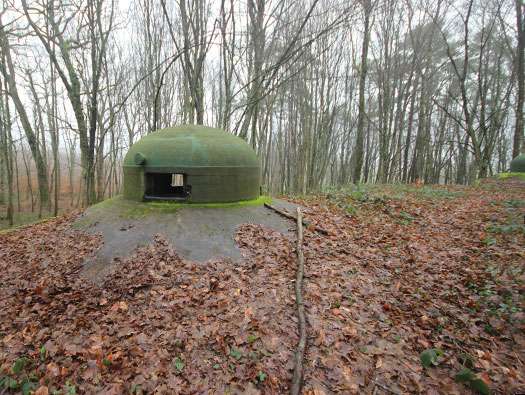
Block 2: Two GFM cloches.
27 January 2018
Hobling (A23), Ligne Maginot
Block 2:
GFM cloche (Guet-fusil mitrailleur) — A station for observation and an automatic rifle cloche, used for observation by human eye and binoculars.
27 January 2018
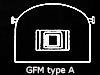
GFM cloche.GFM type A.
Hobling (A23), Ligne Maginot
Block 2:
GFM cloche no. 2.
27 January 2018
Hobling (A23), Ligne Maginot
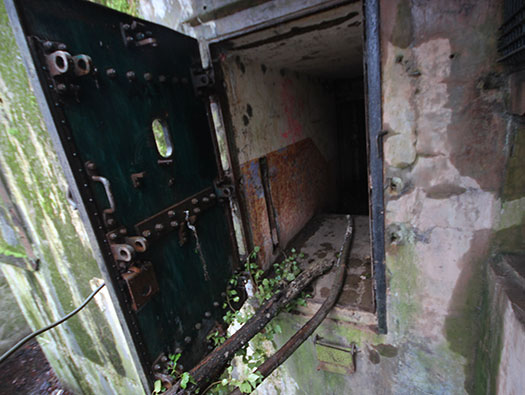
Entrance into the ouvrage across what should be a drawbridge.
27 January 2018
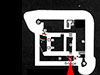
Plan.Plan of entrance.Draw bridge.
Hobling (A23), Ligne Maginot
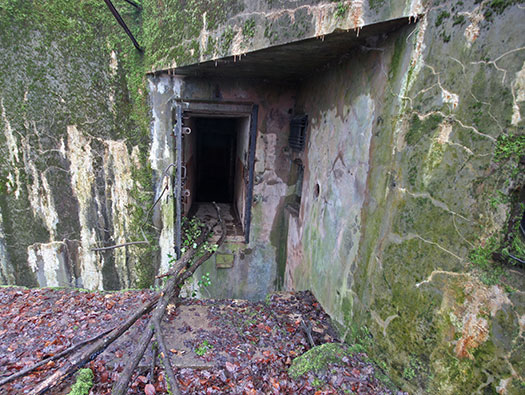
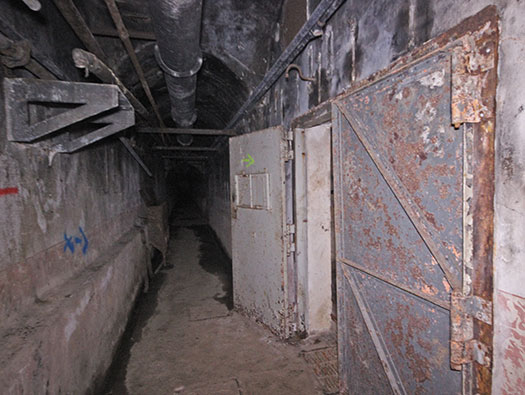
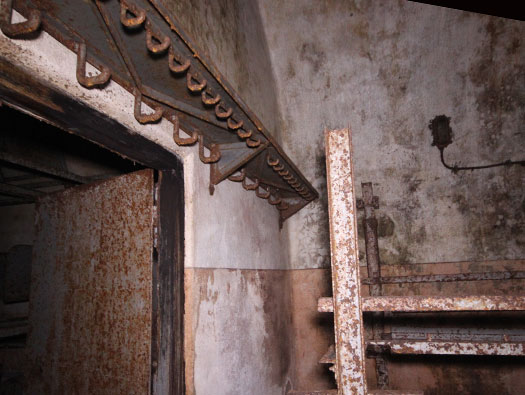
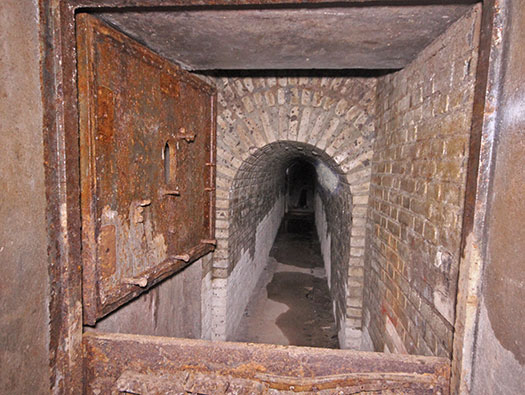
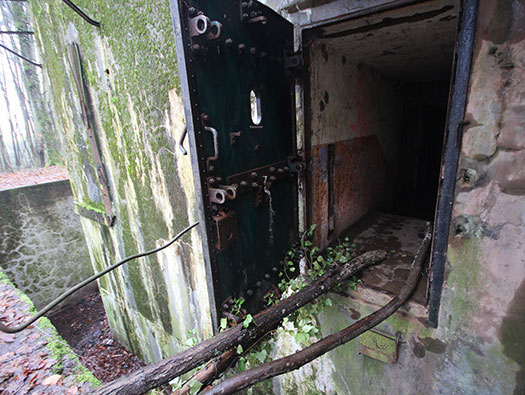
Block 2: Armoured door. The fittings for the drawbridge have all been removed, but there are some fittings just below the door.
27 January 2018
Hobling (A23), Ligne Maginot
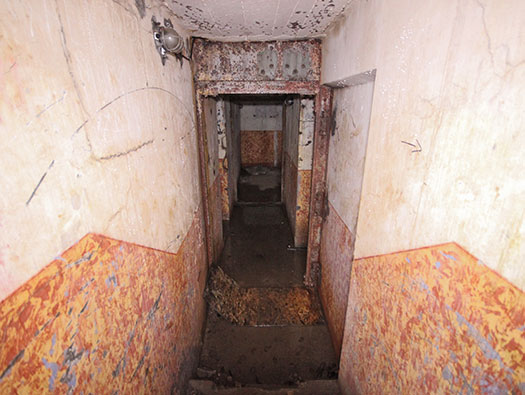
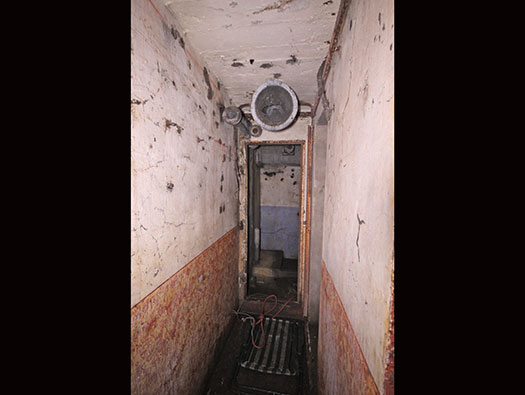
Block 2: Entrance passage into the ouvrage. Note the painted walls; most of these ouvrages are painted this way.
27 January 2018
Plan.
Hobling (A23), Ligne Maginot
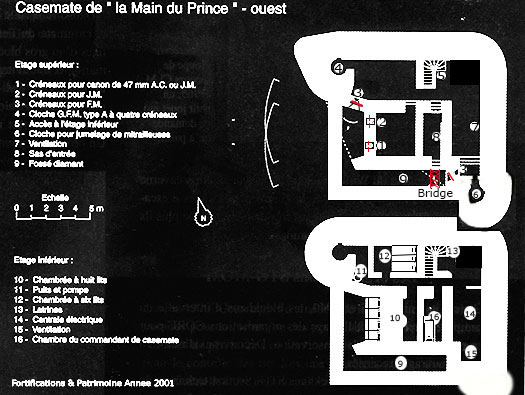
Block 2: This is a plan of another ouvrage very like this B2, and I have slightly adjusted it to look about correct.
27 January 2018
Hobling (A23), Ligne Maginot
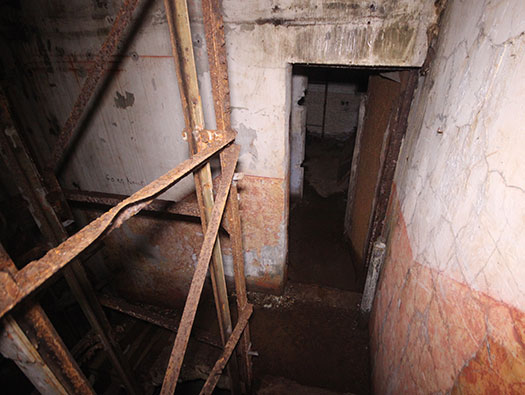
Continuing the descent into the fortification.
27 January 2018
Hobling (A23), Ligne Maginot
Side embrasure covering the defensive moat.
27 January 2018
Plan.Model 1924-1929D machine gun, the heavier barrel allowed for more sustained fire before overheating,Embrasure.Embrasure outside.
Hobling (A23), Ligne Maginot
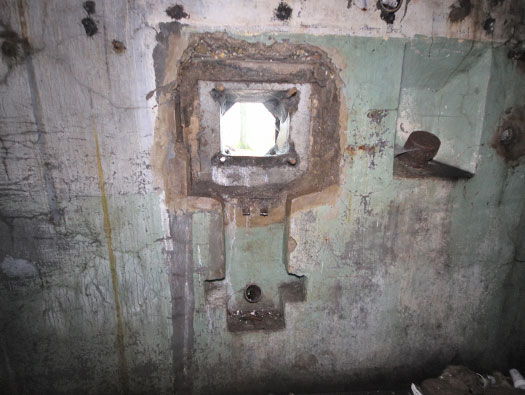
Embrasure with all the fittings now missing and to the right a tube to drop grenades down into the moat. When the gun fires, spent cases run down a tube through the hole in the wall below and out into the moat.
27 January 2018
Model 1924-1929D machine gunThe heavier barrel allowed for more sustained fire before overheating,Bronze granade launcher.Boxes of granades.
Hobling (A23), Ligne Maginot
Block 2: View out into the moat.
27 January 2018
Hobling (A23), Ligne Maginot
The GFM cloche (Guet-fusil mitrailleur) serves as a station for observation and automatic rifle fire. Observation is conducted by human eye and binoculars. To access the cloche, one must either climb the ladder or lower the fighting platform floor by winding a handle connected to a large, motorcycle-style chain.
27 January 2018
Details2Plan.
Hobling (A23), Ligne Maginot
The GFM cloche (Guet-fusil mitrailleur) served as a dedicated station for observation and provided a mount for an automatic rifle. In addition to using mechanical instruments, observation was conducted directly by the human eye and with binoculars.
Internet
Hobling (A23), Ligne Maginot
Block 2: GFM cloche (Guet-fusil mitrailleur station for observation and automatic rifle) and its associated embrasures.
27 January 2018 (A22) Artillerie Work Michelsberg
Hobling (A23), Ligne Maginot
Block 2:
GFM cloche — Guet-fusil mitrailleur. This station was used for both observation and as an automatic rifle cloche. I am currently standing on the platform at the top.
27 January 2018 (A22) Artillerie Work Michelsberg
Hobling (A23), Ligne Maginot
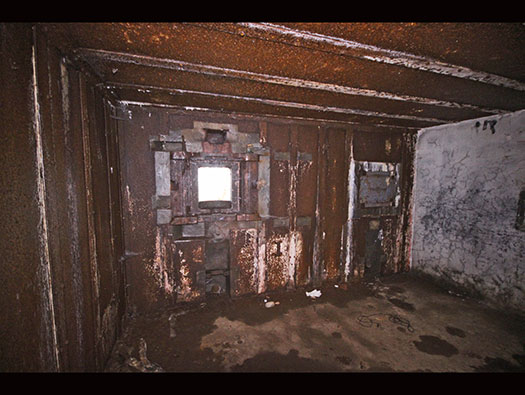
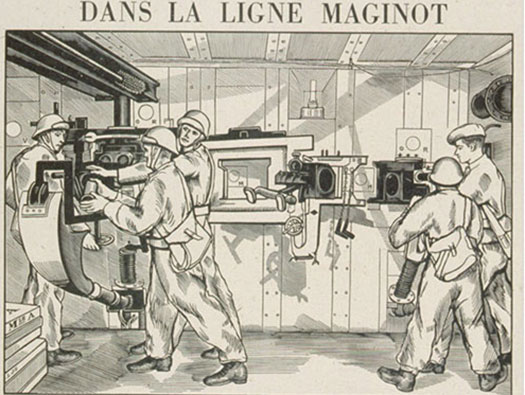
Block 2: Main fighting room. Two embrasures, one for a twin 7.5mm JM machine gun and one for a single 7.5mm JM machine gun. Also present is the Fusil-Mitrailleur Modèle 1924/M29.
Ammunition Capacity (JM Machine Gun):
Under cloche or niche: 140,000
By turret: 200,000
Ammunition Capacity (FM 7.5mm):
Under cloche or niche: 40,000 per FM
Entry defense FM: 1,000 per FM
27 January 2018
Plan.MAS-36 rifle.MAS-36 rifle.
Hobling (A23), Ligne Maginot
This is a very good illustration of a twin machine gun hinged back in the embrasure and the 47mm anti-tank gun on two large I-beams being brought into action.
27 January 2018
47mm Antichar.Plan.
Hobling (A23), Ligne Maginot
Block 2: This embrasure is a twin mount where a machine gun can be hinged into the embrasure or hinged out (like a door); additionally, a 47mm anti-tank (A/T) gun can be brought into action on two large I-beams to replace it.
27 January 2018
Details2Plan.Model 1924-1929D machine gun, the heavier barrel allowed for more sustained fire before overheating,
Hobling (A23), Ligne Maginot
Block 2:
The second embrasure.
27 January 2018
A sigle machine gun magazine fed..Plan.Bag of ready ammunition.
Hobling (A23), Ligne Maginot
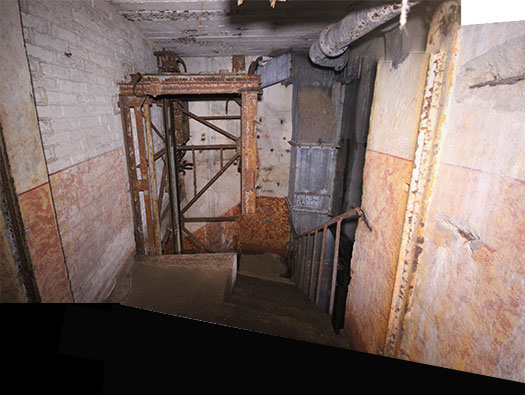
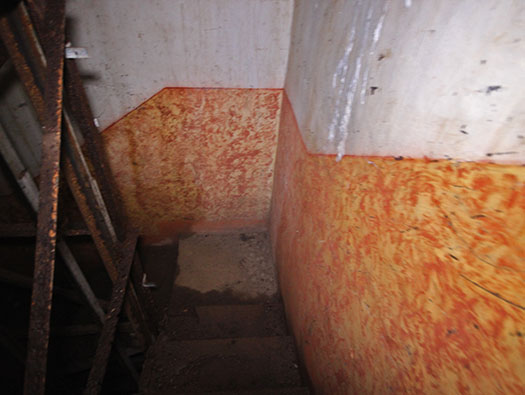
Block 2: The main stairway down into the bowels of the earth. The square and round tubes are for the fresh air ducting.
27 January 2018
Plan.
Hobling (A23), Ligne Maginot
Block 2:
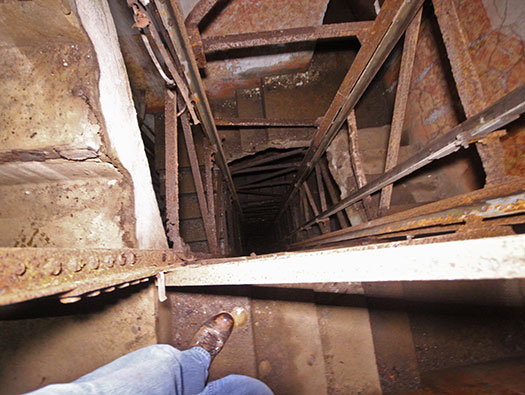
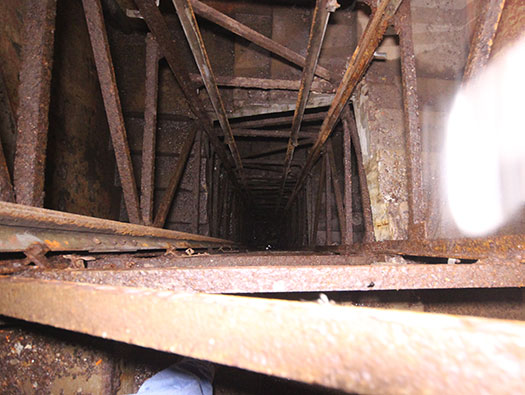
Looking down the stairs. This also had a lift mechanism to lift ammunition from the magazines below to the fighting rooms and to deliver much-needed food and other supplies to the lower levels. There are four flights down to the second level.
27 January 2018
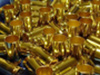
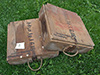
Loose ammunition for a machine gun.Wooden ammunition boxes.
Hobling (A23), Ligne Maginot
Block 2:
Now moving to the second level.
27 January 2018
Hobling (A23), Ligne Maginot
Block 2: Second level.
27 January 2018
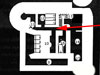
Plan second floor.
Hobling (A23), Ligne Maginot
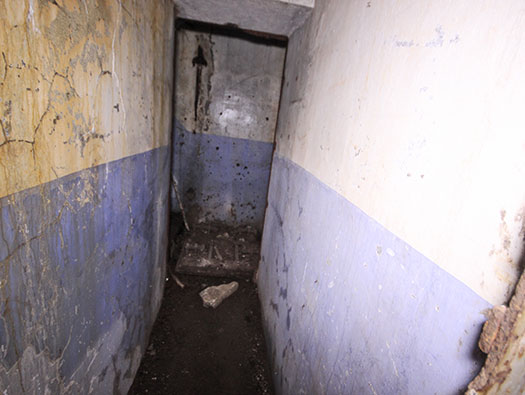
Block 2: Second level. Corridor.
27 January 2018
Plan second floor.
Hobling (A23), Ligne Maginot
Block 2: Second level.
Escape: On the far floor is the armoured escape hatch.
27 January 2018
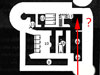
Plan second floor.
Hobling (A23), Ligne Maginot
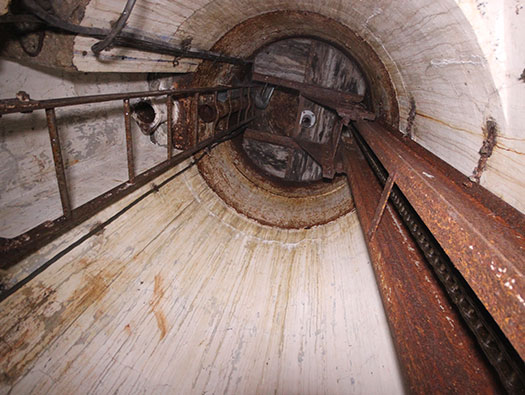
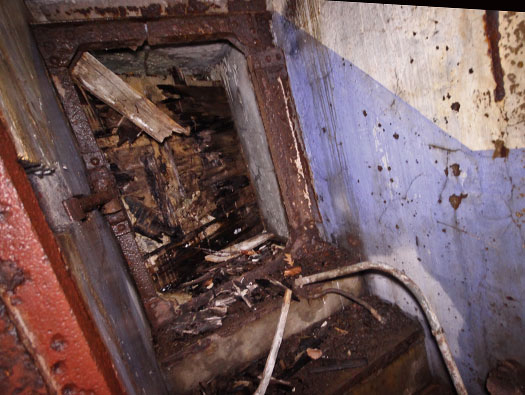
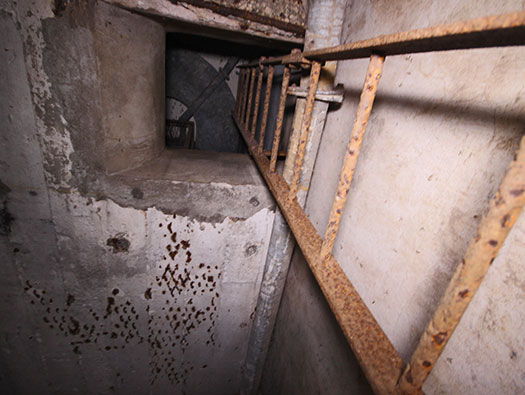
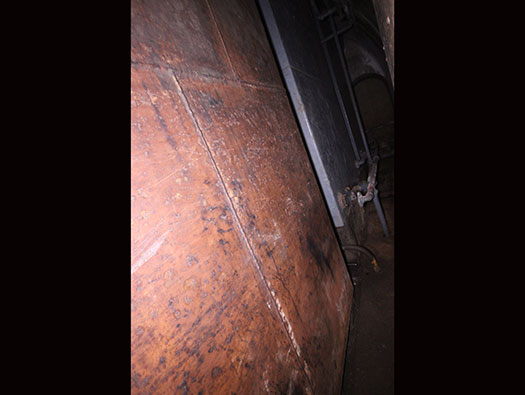
Although the door has been removed, there is still a heavy piece of wood to block off the entrance. Behind the wood is a tunnel going vertical, with a steel ladder to another hatch covered by earth and grass as camouflage at the top. The tube is filled with sand, and a trapdoor release will let the sand drop down and open up the tube.
27 January 2018
Escape plan.
Hobling (A23), Ligne Maginot
Block 2: Second level. Steel escape door, too heavy to be lifted all the way up the stairs.
27 January 2018
Hobling (A23), Ligne Maginot
Block 2: Second level.
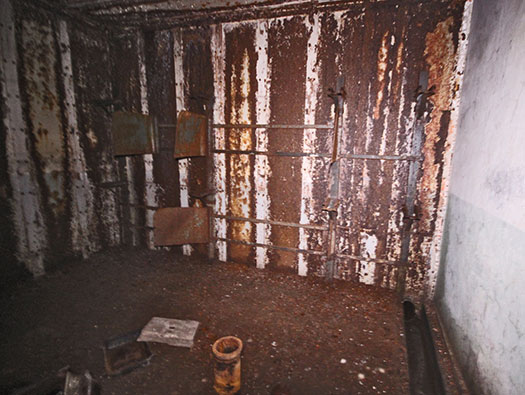
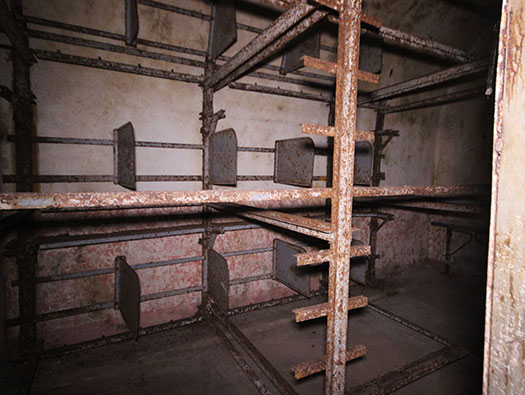
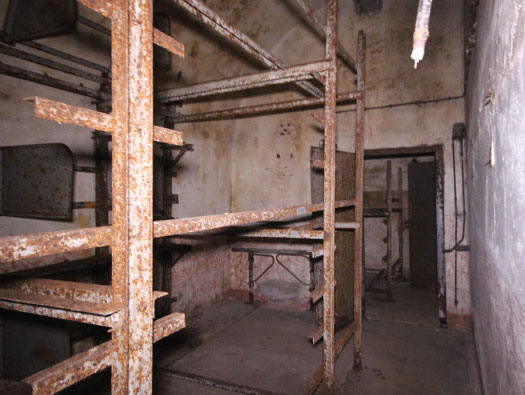
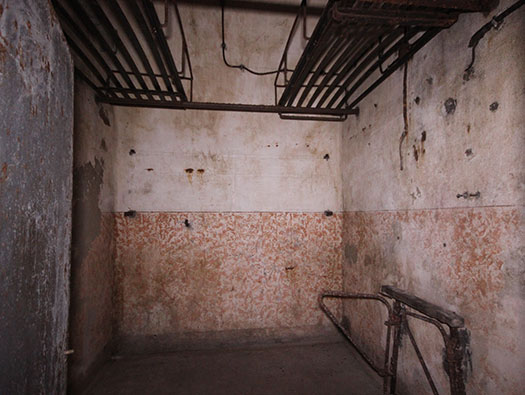
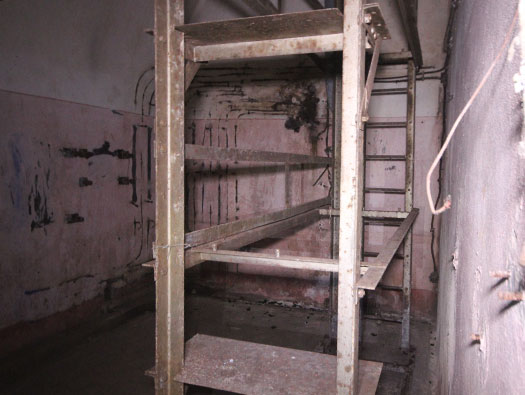
This is a crew room with a steel-reinforced wall and two levels of beds; the metal shields are between each sleeping soldier to allow some privacy.
27 January 2018
Plan second floor.A room of about the same size with two layers of bunk beds.
Hobling (A23), Ligne Maginot
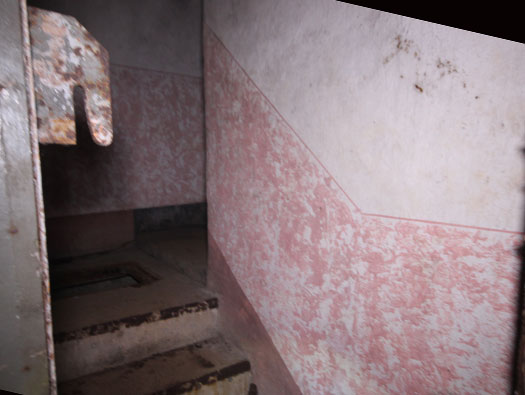
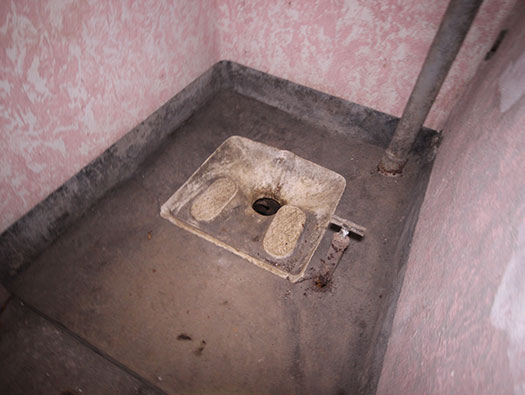
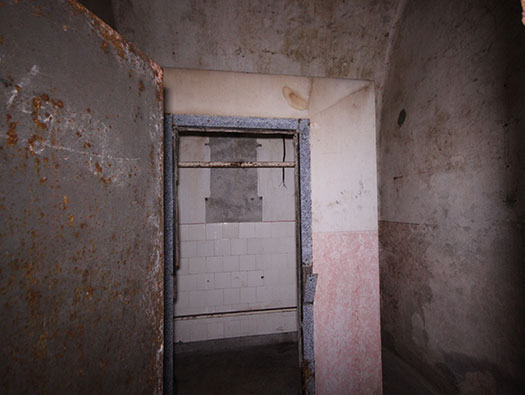
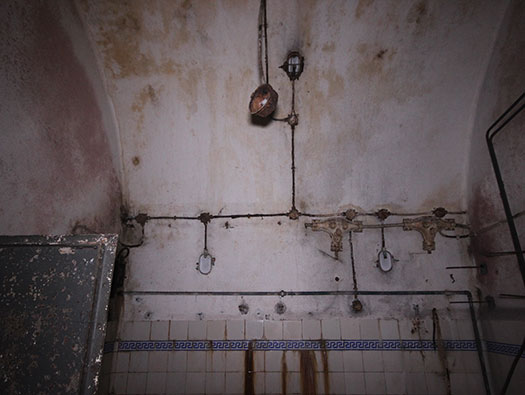
Ah, the Turkish-style latrines.
27 January 2018
Hobling (A23), Ligne Maginot
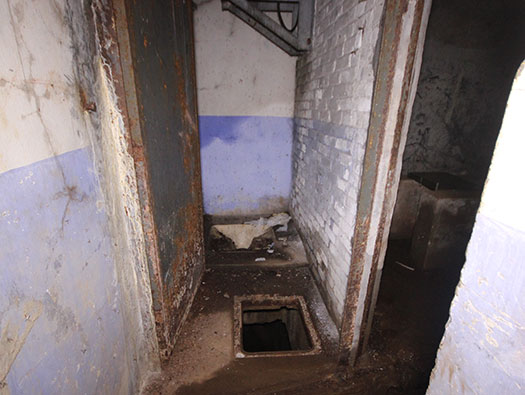
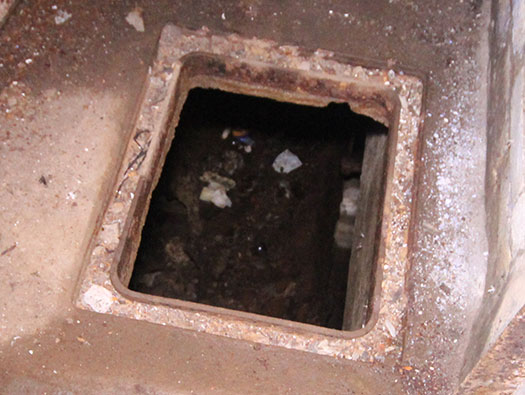
Block 2: Second level.
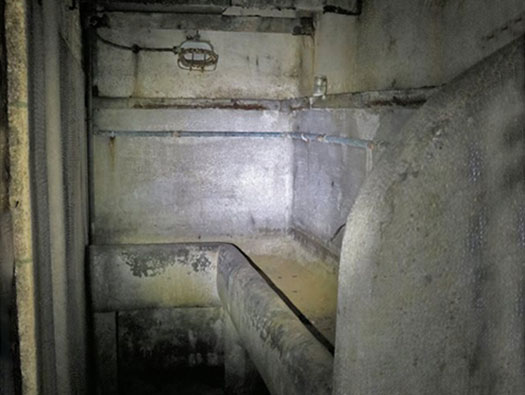
The cesspit. Watch where you put your feet.
27 January 2018
Hobling (A23), Ligne Maginot
Block 2, second level: Water tank.
27 January 2018
Hobling (A23), Ligne Maginot
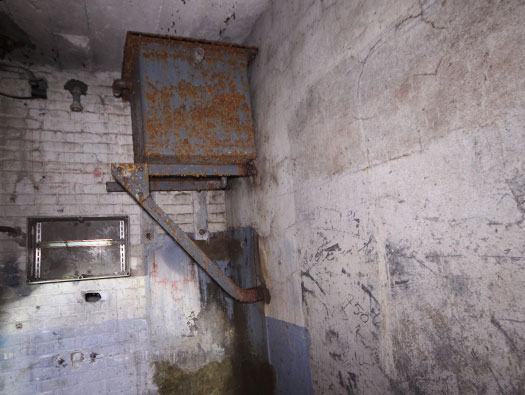
This level houses the water storage tanks for the fortress, essential for the garrison's long-term independence during a siege.
27 January 2018
Hobling (A23), Ligne Maginot
I wish now I had gone up and looked inside. I wonder if this space houses water tanks.
27 January 2018
Hobling (A23), Ligne Maginot
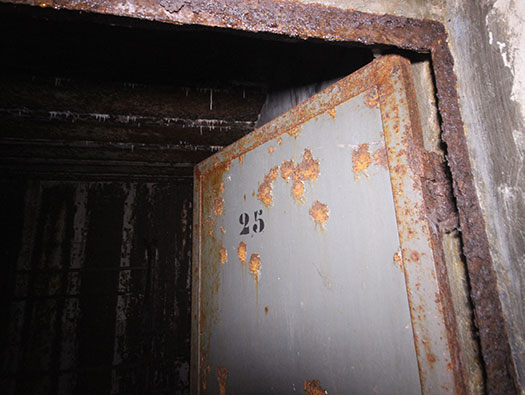
Block 2: Second level. Room 25.
27 January 2018
Hobling (A23), Ligne Maginot
Block 2: Second level.
And on down. About 10 stories from the surface, about 30 meters.
27 January 2018
Hobling (A23), Ligne Maginot
The interior features the same well-maintained paint work observed elsewhere in the ouvrage.
27 January 2018
Hobling (A23), Ligne Maginot
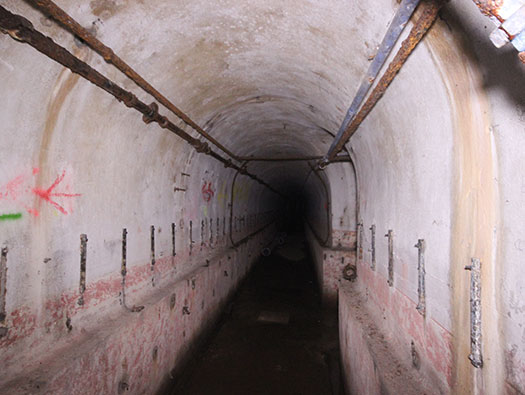
Arriving at the bottom of the main stairwell, which leads down about 30 meters from the surface, we move into the underground galleries of Hobling (A23).
27 January 2018
Hobling (A23), Ligne Maginot
Underground:
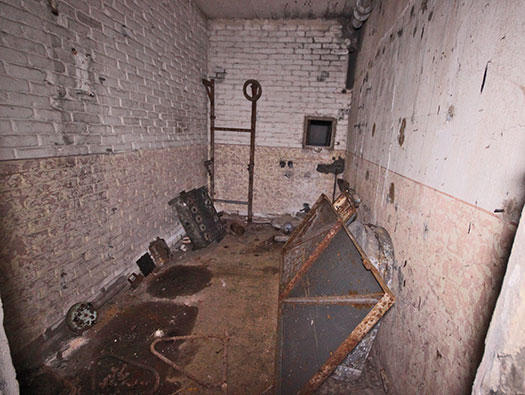
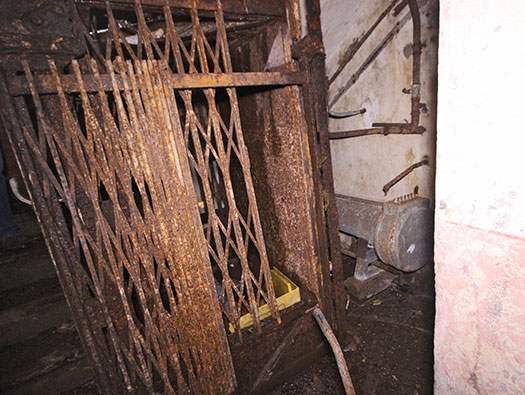
The gates to close off the lift.
27 January 2018
Plan of the undergerground.
Hobling (A23), Ligne Maginot
Underground:
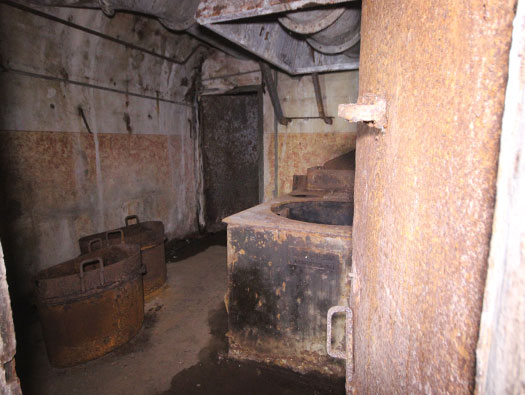
La Cuisine - Kitchens.
We have now left the B2 and am in the underground gallery system.
27 January 2018
Usine.
Hobling (A23), Ligne Maginot
Underground:
La Cuisine - Kitchens.
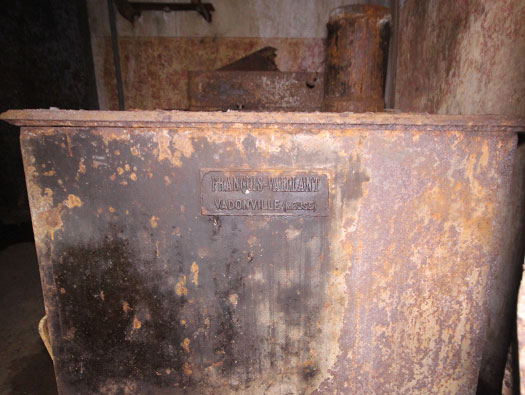
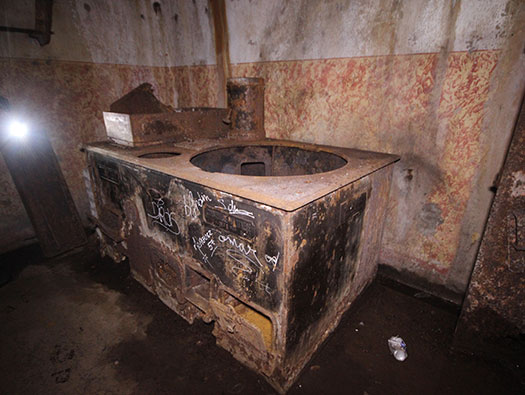
Francois-Vaillant Vadonville (Meuse) cooker, used by the French military.
27 January 2018
Hobling (A23), Ligne Maginot
Underground: La Cuisine - Kitchens.
In June 1940, the garrison comprised 115 men and 4 officers of the 164th Fortress Infantry Regiment (RIF), and they would all need to be fed.
27 January 2018
Two of the pots that fit into the cooker.Chef.
Hobling (A23), Ligne Maginot
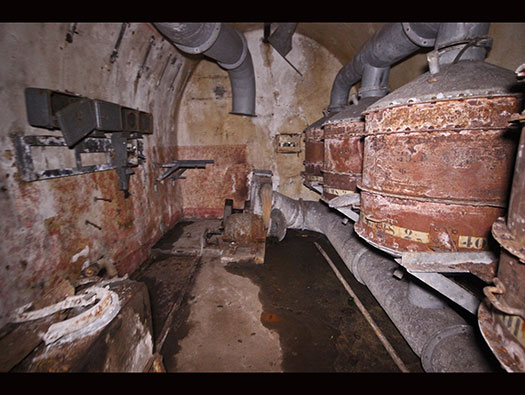
Due to gas warfare being used in WW1, the French like all nations worried about gas attacks. So all their ouvrages were protected against gas attack. A large rubber seal was attached to all gas-tight doors.
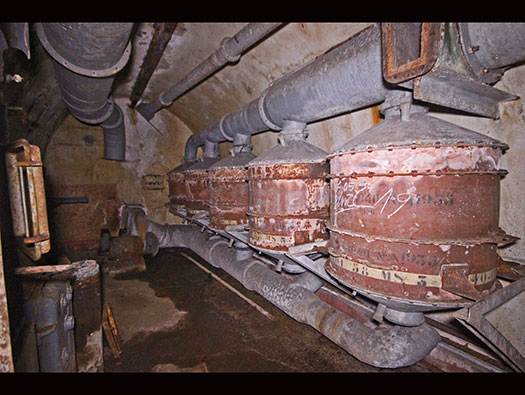
The next defence was to over-pressurise the ouvrage to above normal air pressure by means of large fans, sucking in air from outside and pumping it all around the ouvrage. The air then escaped through small apertures as embrasures and gun positions. This had two effects: one to obviate the gas problem, and also when a gun fired, it helped to remove the foul gases produced. The last defence against gas was to filter all air coming into the ouvrage, by passing the fresh or gas-tainted air through a filter system. The filters in ouvrages were enough for 12 hours and would need constant changing when a gas attack happened over a long period. That meant a group of men going to each filter case and replacing the inner filters; a gas life of about 2 to 3 hours per filter.
The filtration system was manufactured by SNCF, the railway company, and all these filters seem to have dates of 1939 and 1940.
27 January 2018
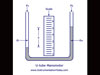
The rubber gas seal around a door.Filter casset.Mercury barrometer, to check the air pressure inside the overage. From (A24) Bois de Bousse (Fort aux Fresques).A basic U tube manometer..
Hobling (A23), Ligne Maginot
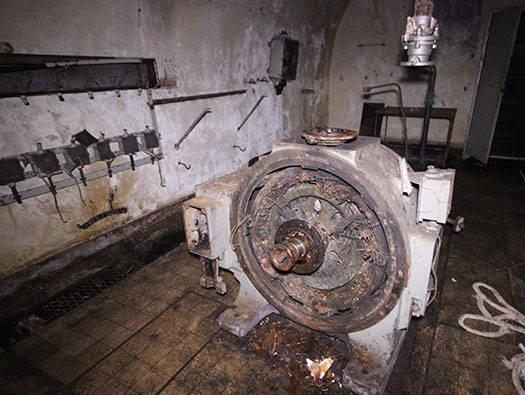
An electric motor drove a large fan to produce overpressure in the ouvrage. There is no manual override that could produce the energy to replace the electric motor.
27 January 2018
This is the fan.
Hobling (A23), Ligne Maginot
Underground:
La Salle des Filtres - Gas filtration room.
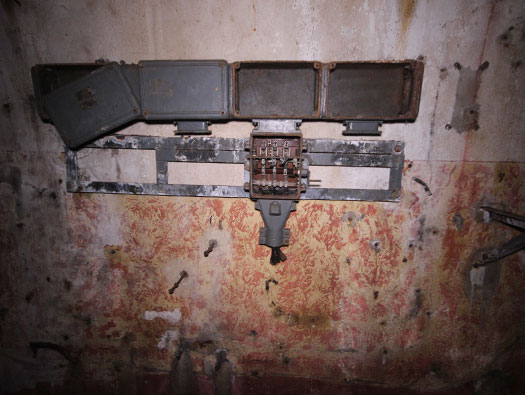
This area serves as the input from the electrical supply to the filtration system.
27 January 2018
Hobling (A23), Ligne Maginot
Underground:
La Salle des Filtres - Gas filtration room.
Located behind the door is a light switch.
27 January 2018
Hobling (A23), Ligne Maginot
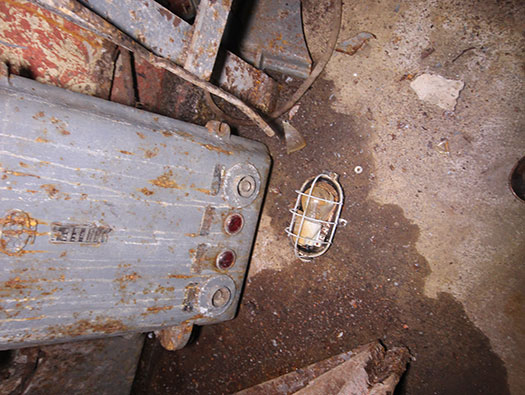
The panel is upside down and off the wall, and I think it controlled the motors. Lights inside show up what is or is not working.
27 January 2018
Control panel.
Hobling (A23), Ligne Maginot
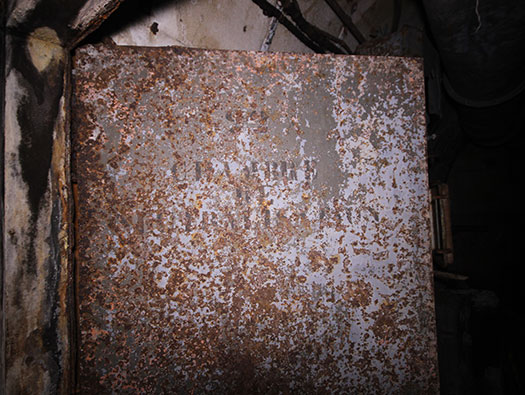
I am unsure what the marking says on door number 22.
27 January 2018
Hobling (A23), Ligne Maginot
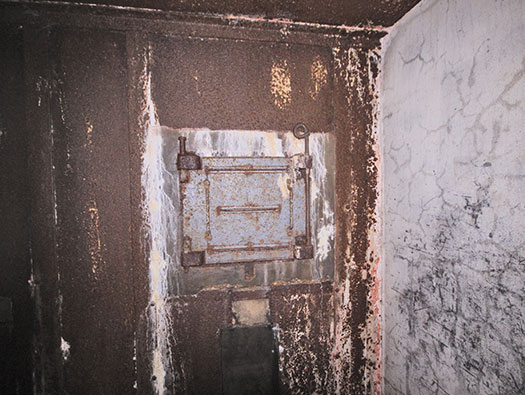
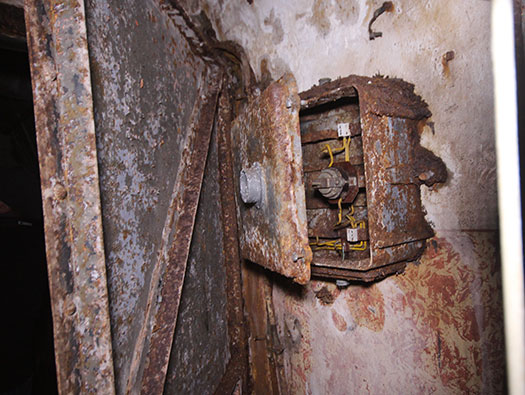
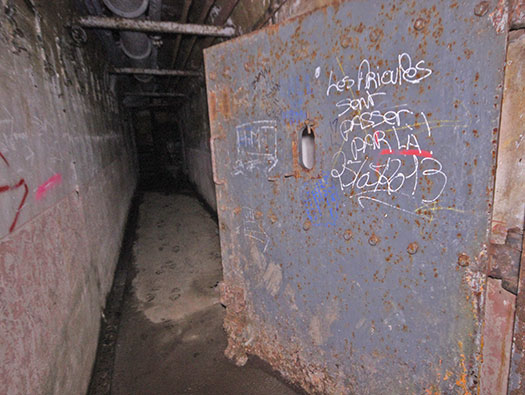
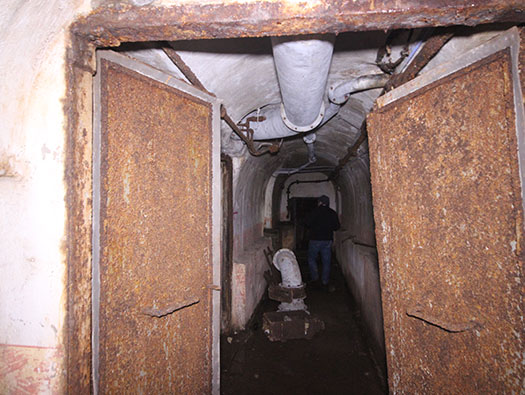
A large steel blast door is installed to prevent an internal explosion from traveling through the tunnels.
27 January 2018
Hobling (A23), Ligne Maginot
Underground:
L'usine Electrique (Power Plant).
27 January 2018
Hobling (A23), Ligne Maginot
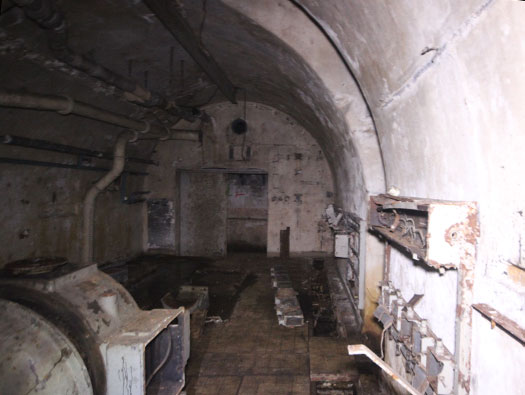
Underground:
L'usine Electrique.
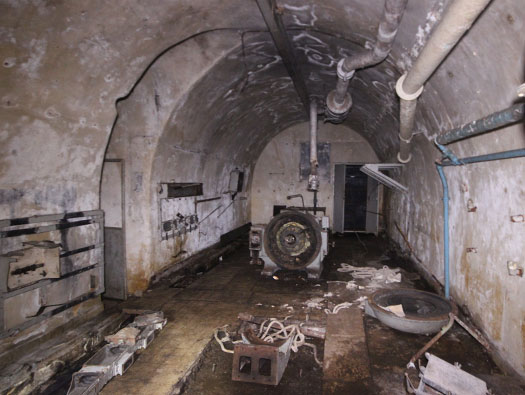
Here I believe was one Renault diesel engine to run all the electrics throughout Hobling (A23)'s ouvrages.
An electrical plant with two diesel generator sets of 50 horsepower Renault ensured power in case of the suspension of the civil network.
27 January 2018
Michelsberg 1 engine, the green bottle is an oxygen bottle to pressurise a one engine cylender to turn it over to start. The Control panel on the right.An8 hp (Lille Company of Motors) for emergency intended for the lighting of the engine room and the recharging of the bottles of compressed air necessary for the starting of the engines.
Hobling (A23), Ligne Maginot
Underground:
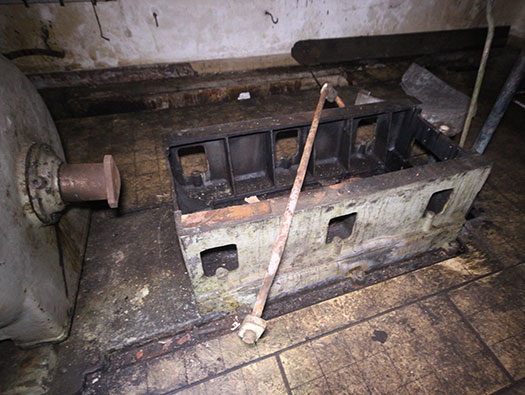
L'usine Electrique: The engine block of a 50 horsepower Renault.
27 January 2018
Mickelsberg No3 engine.
Hobling (A23), Ligne Maginot
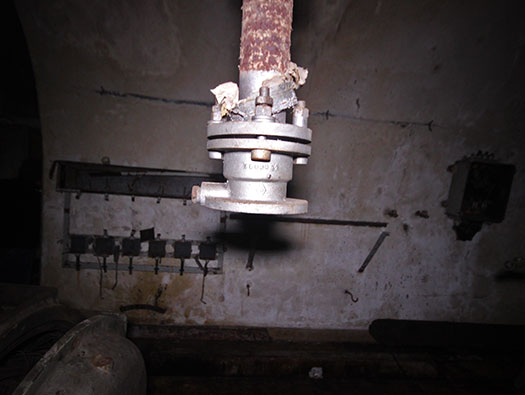
The exhaust pipe outlet; there is probably a pipe outlet somewhere above.
27 January 2018
Hobling (A23), Ligne Maginot
Underground:
L'usine Electrique.
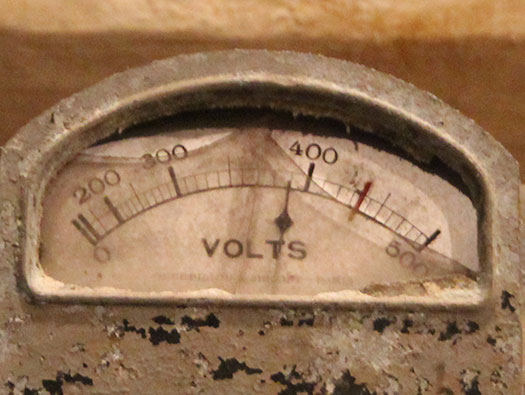
Alternator/dynamo producing, I think, 440v AC to power the whole of Hobling's (A23) ouvrage.
27 January 2018
Hobling (A23), Ligne Maginot
Underground:
L'usine Électrique.
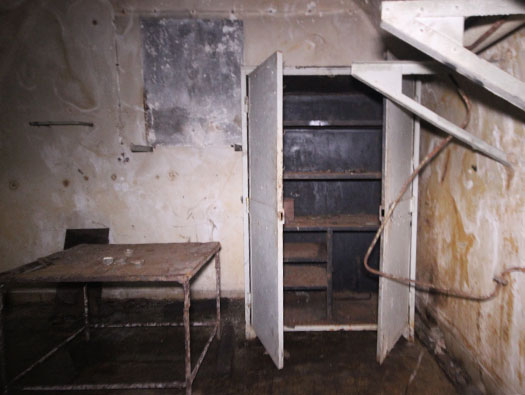
Tool cabinet and work table.
27 January 2018
Tool panel.
Hobling (A23), Ligne Maginot
Underground: L'usine Electrique.
Looking back at the entrance.
27 January 2018
Hobling (A23), Ligne Maginot
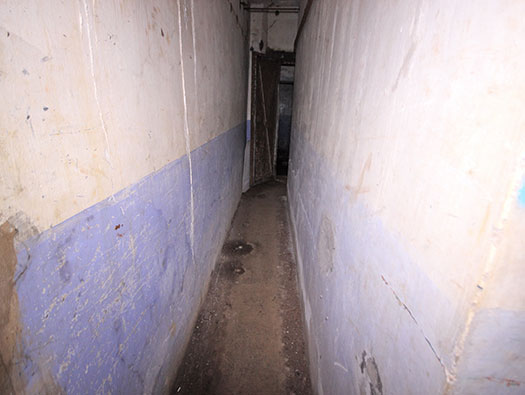
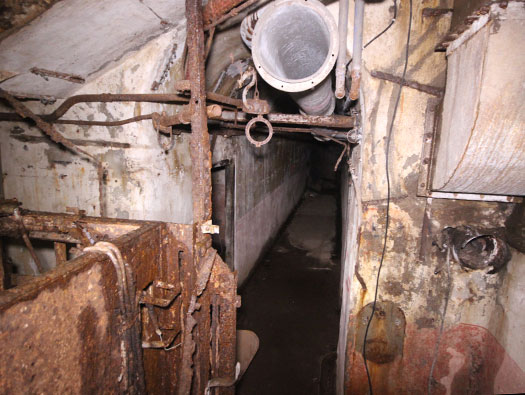
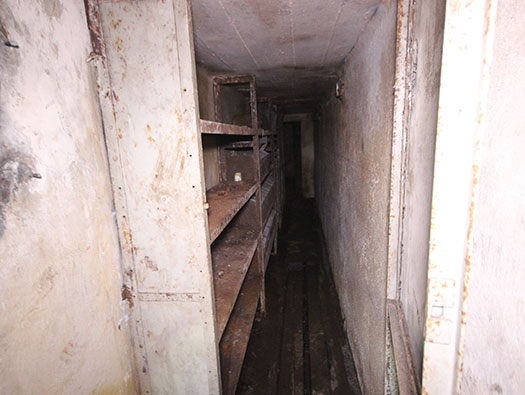
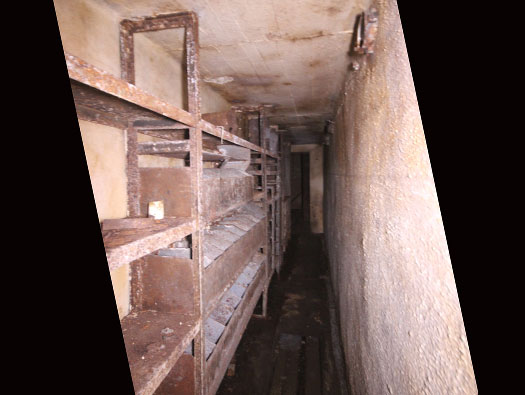
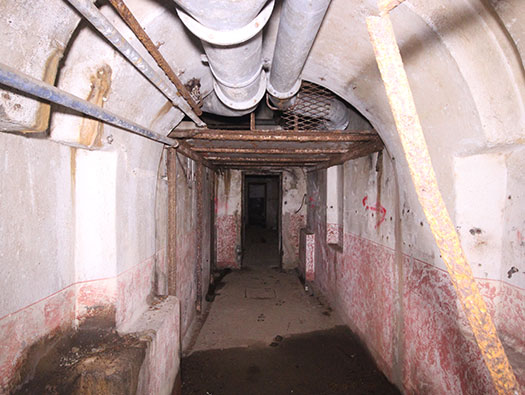
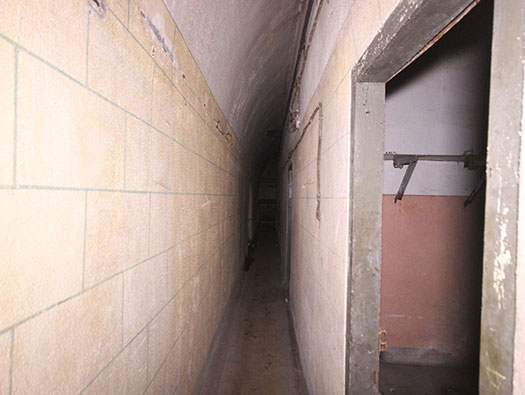
A narrow corridor where shelves and cabinets held spare parts, probably for the whole of the ouvrages. The mechanic could repair nearly any mechanical item, and an electrician, the electrics.
27 January 2018
Spairs shelf along the corridor..I think the narrow passage is this one.
Hobling (A23), Ligne Maginot
Underground: L'usine Electrique. More shelving.
27 January 2018
Hobling (A23), Ligne Maginot
Underground: L'usine Electrique. Diesel fuel tanks about three. 185,000 litres of fuel would have been stored here with a reserve off site of 4,800.
27 January 2018
Hobling (A23), Ligne Maginot
Continuing on.
The cabinet is a fire cabinet and would have had fire hoses inside, and they seem to be a standard design all the way through the Maginot ouvrages.
27 January 2018
Fire cabinet showing the colours it would have been painted.
Hobling (A23), Ligne Maginot
Ablutions.
27 January 2018
Hobling (A23), Ligne Maginot
These are Turkish-style toilets, a standard sanitary facility found throughout the underground levels of the ouvrage.
27 January 2018
Hobling (A23), Ligne Maginot
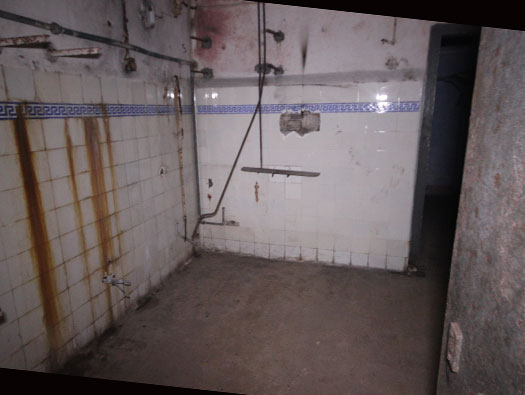
This area served as the washroom facilities for the garrison. Keeping over 100 men stationed in underground barracks required significant attention to sanitation, water storage, and hygiene to ensure the fortress remained operational during a prolonged siege.
27 January 2018
Passage.
Hobling (A23), Ligne Maginot
This area served as the underground barracks (caserne) for the fortress garrison, designed to accommodate the 115 men and 4 officers of the 164th Fortress Infantry Regiment (RIF) stationed at Hobling.
27 January 2018
Hobling (A23), Ligne Maginot
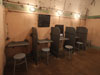
War manning of Hobling (A23) was for 115 men. Here, about 18 men would sleep.
27 January 2018
Caserne.
Hobling (A23), Ligne Maginot
Underground: Caserne - Barracks. A small space was provided for recreation, with the Warrant Officers room located just beyond.
27 January 2018
Hobling (A23), Ligne Maginot
Underground: Caserne - Barracks for Warrant Officers. Hooks are provided here to hang equipment.
27 January 2018
Shelf to store your hats and hook your canteen.
Hobling (A23), Ligne Maginot
Underground: Caserne - Barracks for Warrant Officers. There may have been four Sergeants or Warrant Officers (adjudant) living in this room.
27 January 2018
Hobling (A23), Ligne Maginot
Underground:
Caserne - Barracks for Warrant Officers.
27 January 2018
Hobling (A23), Ligne Maginot
Underground:
Caserne - Barracks.
More men's barrack room.
27 January 2018
Hobling (A23), Ligne Maginot
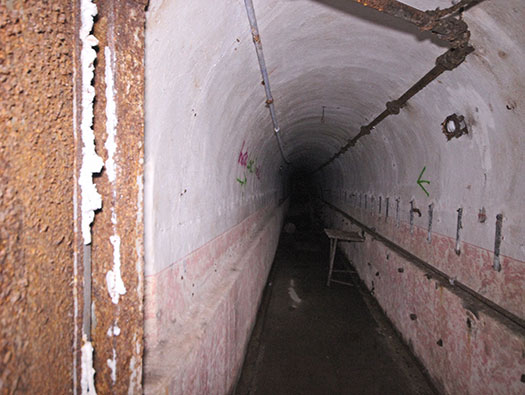
Cabling and pipe work on one side were duplicated on the other side for safety.
27 January 2018
Hobling (A23), Ligne Maginot
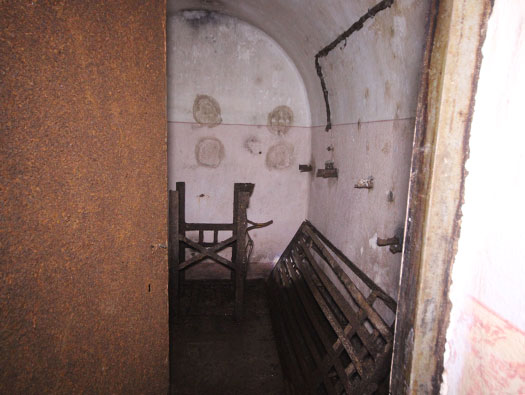
There were no dining halls or recreation rooms, so the men had to sit at folding tables and on small metal stools.
27 January 2018
Metal stool with a wooden seat.Two table one folded away and the other out.
Hobling (A23), Ligne Maginot
These are the gas-tight doors designed to protect the underground sections of the ouvrage from chemical warfare, a primary concern for the French military following their experience in World War I.
27 January 2018
Hobling (A23), Ligne Maginot
Possibly the officers' room.
27 January 2018
Hobling (A23), Ligne Maginot
We did not venture any further; behind these two steel doors is a brick, not concrete, tunnel used as an escape.
27 January 2018
Plan.
Hobling (A23), Ligne Maginot
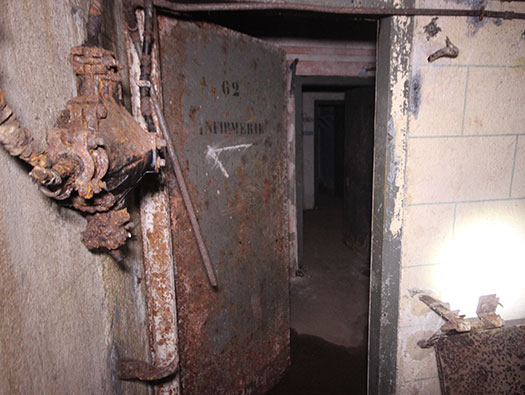
Underground:
Infirmerie.
The door number is 62.
27 January 2018
Hobling (A23), Ligne Maginot
The infirmary was a vital component of the underground facilities, provided to support the garrison of 115 men and 4 officers from the 164th Fortress Infantry Regiment (RIF) stationed at Hobling. This area was designed to handle medical needs for the troops manning the fort during the defensive operations of 1940.
27 January 2018
Hobling (A23), Ligne Maginot
Infirmerie.
27 January 2018
Hobling (A23), Ligne Maginot
Infirmerie.
27 January 2018
Hobling (A23), Ligne Maginot
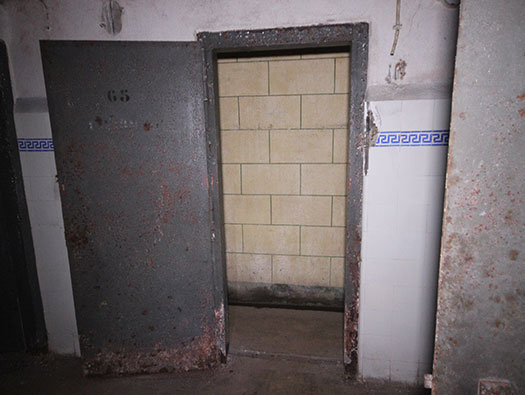
Underground: Infirmerie (Infirmary), accessed via Door 65.
27 January 2018
Hobling (A23), Ligne Maginot
Underground:
L'entrée des câbles - Communications cable inlet.
All communications cables came through here; they came down from being buried about 1 to 3 meters in depth.
27 January 2018
Hobling (A23), Ligne Maginot
Communications room; this is where target information was shared between many ouvrages in the area and targets were worked out. Many of the guns and mortars did not have open sights and needed to be told where to fire. Before hostilities, most Maginot forts had never fired their guns as they were in and around the local population, so one ouvrage was set out in a military training area where live-fire training could be carried out.
27 January 2018
Hobling (A23), Ligne Maginot
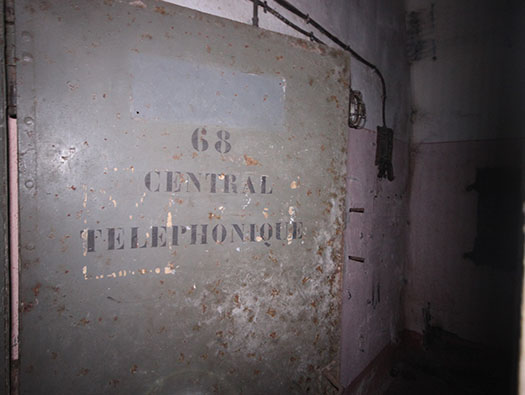
Underground: Central Telephonique.
Telephone number: 0 688
Cdt de l'ouvrage (Commanding Officer): Cne Boileau
Off adjoint (Adjutant Officer): Lt Blangille
Bloc 2: Asp Krause
Bloc 4: Lt Durand
27 January 2018
Telephone exchange.
Hobling (A23), Ligne Maginot
Underground:
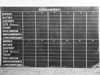
Central Téléphonique (Communications Room).
27 January 2018
Renseignements - Information board.Ordres - Orders.Telephone exchange.
Hobling (A23), Ligne Maginot
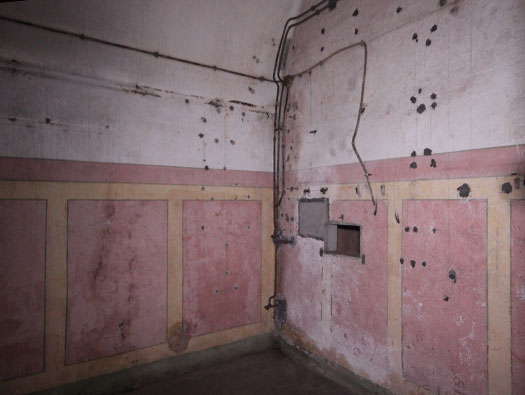
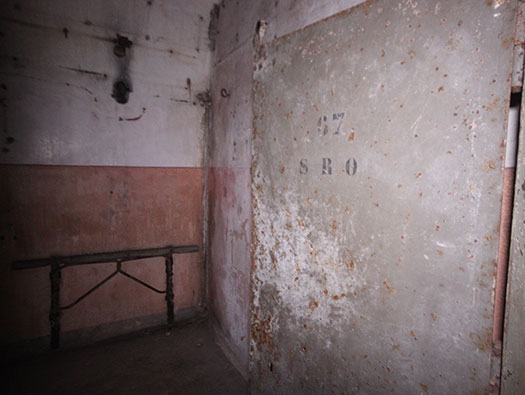
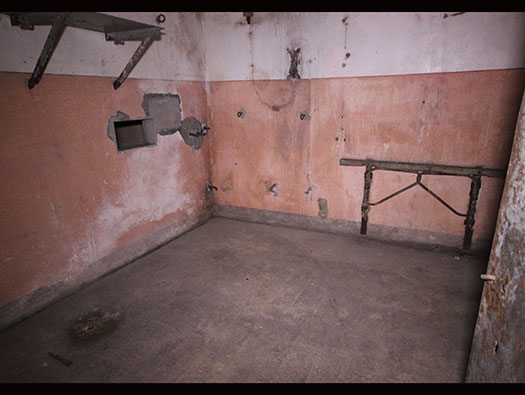
This room, designated SRO, features a small aperture for passing information and a folding table mounted to the wall, suggesting it likely served as a senior officer's room or command post.
27 January 2018
Hobling (A23), Ligne Maginot
SRO (Senior Room Officer): A small hole in the room allowed for information to be passed through, and there is a folding table on the wall. This was possibly the senior officer's room.
27 January 2018
Hobling (A23), Ligne Maginot
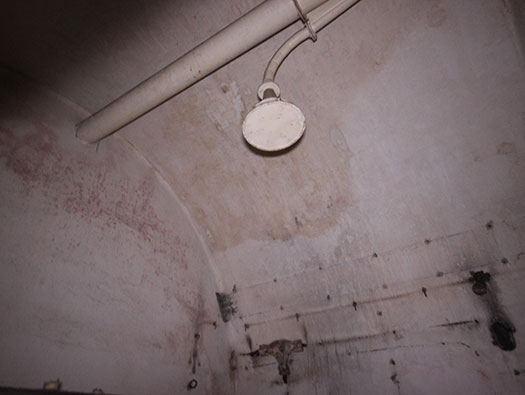
This fresh air vent was part of the fort's ventilation system, which drew clean air from outside to maintain positive pressure within the ouvrage, effectively mitigating the threat of gas attacks.
27 January 2018
Hobling (A23), Ligne Maginot
This was possibly the radio room, as indicated by the remaining shelving and cabling. Radios were intended for use as a last resort if the main communication cables were severed; however, the smaller units were only equipped with receivers and were unable to transmit.
27 January 2018
A radio like this may have been used.
Hobling (A23), Ligne Maginot
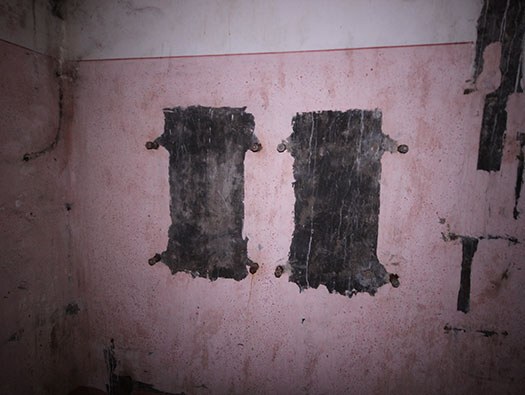
Various fittings have been stripped or are missing from the wall.
27 January 2018
Hobling (A23), Ligne Maginot
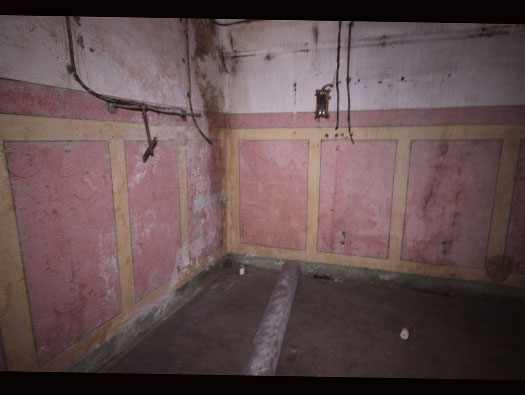
There seems to be a couple of wall painting designs and this is one more, and being the cynic, I think this was an officers only area?
27 January 2018
Hobling (A23), Ligne Maginot
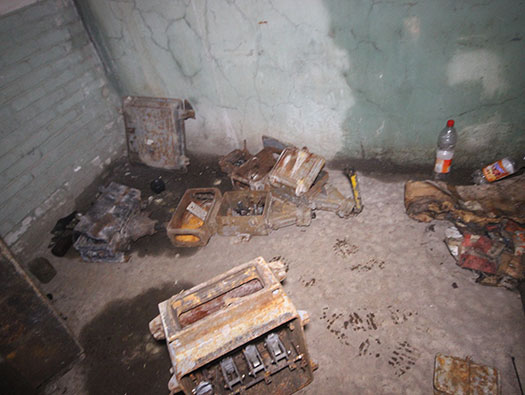
Abandoned equipment and miscellaneous artifacts remain scattered throughout this section of the underground galleries.
27 January 2018
Hobling (A23), Ligne Maginot
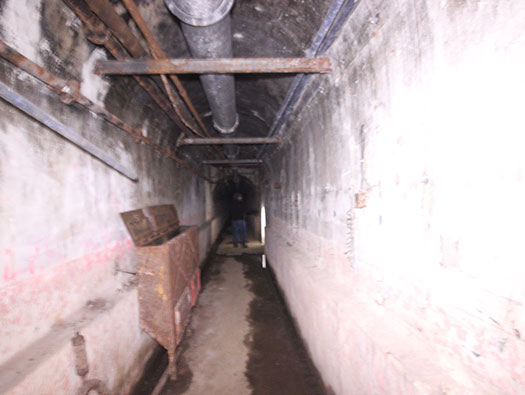
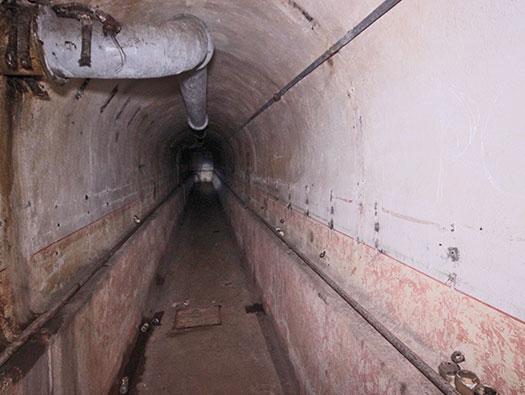
You can see the length of this tunnel. As we did not have a plan and had no idea we could get inside, it was all a bit interesting. I did point a bottle toward the main staircase just in case.
27 January 2018
Hobling (A23), Ligne Maginot
This is the way out of the underground section.
27 January 2018
Hobling (A23), Ligne Maginot
All these ouvrages have mud/boot scrapers of about two designs.
27 January 2018
Hobling (A23), Ligne Maginot
Block 1:
Infantry block with two GFM cloches, armed with a JM cloche (twin machine guns).
This is a GFM cloche.
27 January 2018
GFM cloche.GFM cloche.
Hobling (A23), Ligne Maginot
Block 1:
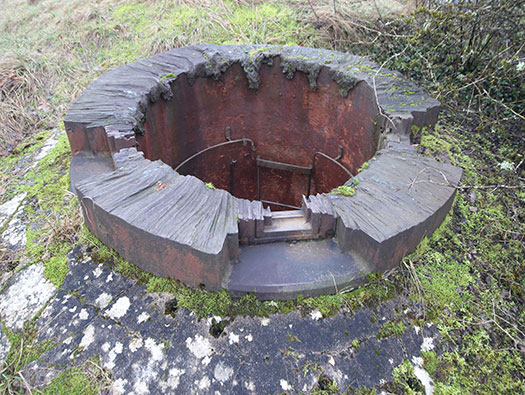
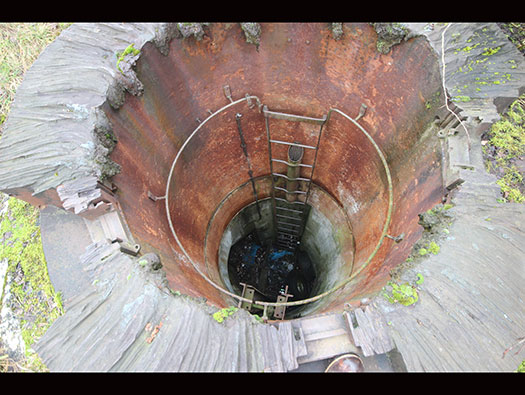
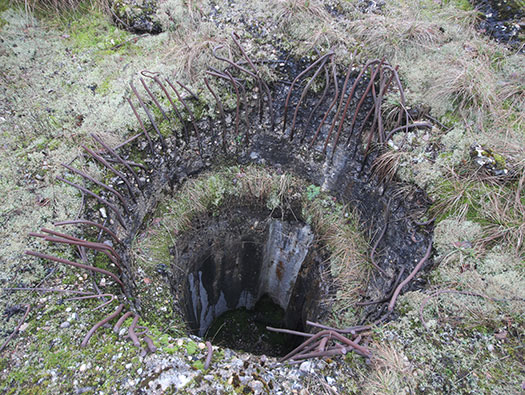
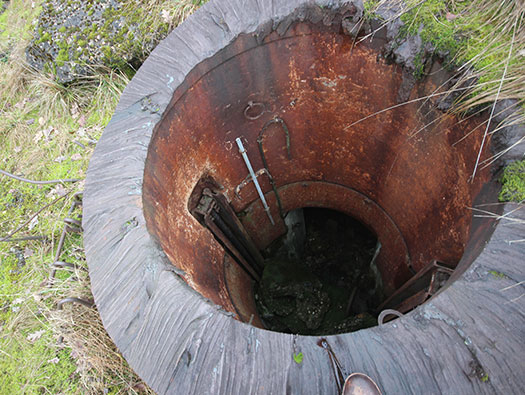
This GFM cloche has been cut off, but you can see how thick it was and how deep down it goes into a very watery hole.
27 January 2018
How it would have looked.Plan.
Hobling (A23), Ligne Maginot
Block 1:
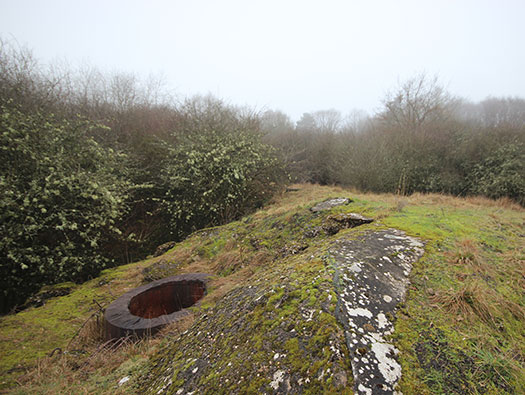
GFM cloche cut off or torn out. This is the second example.
27 January 2018
Plan.
Hobling (A23), Ligne Maginot
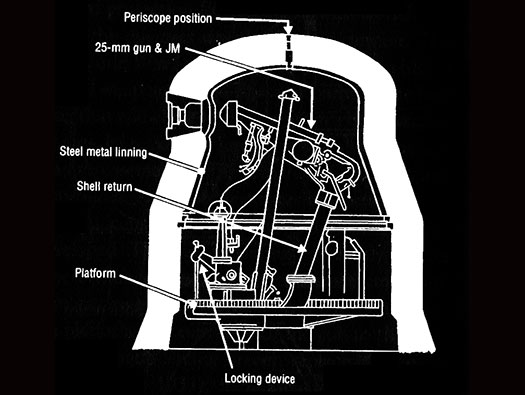
Block 1: JM cloche for jumelage de mitrailleuses, or twin machine guns.
27 January 2018
Plan.JM Cloche.How it may have looked inside.
Hobling (A23), Ligne Maginot
JM cloche for jumelage de mitrailleuses two machine guns..
27 January 2018
Hobling (A23), Ligne Maginot
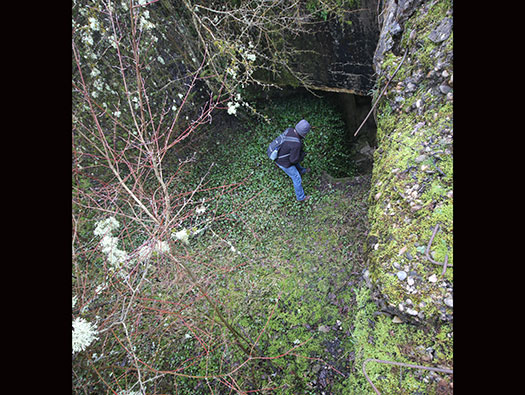
Clive is looking toward the rear of the Block 1 infantry position, which was armed with a JM two machine guns.
27 January 2018
Plan.
Hobling (A23), Ligne Maginot
Block 4: Observation block with one observation cloche (VDP) and one automatic rifle embrasure. It is very hard to see the cloches through the trees today.
27 January 2018
Plan.
Hobling (A23), Ligne Maginot
Block 4: Observation cloche (VDP) with a periscope hole in its top.
27 January 2018
Plan.
Hobling (A23), Ligne Maginot
This is a GFM A-type cloche, which could be fitted with a light machine gun for defensive fire.
27 January 2018
B4.GFM A type.Model 1924-1929D machine gun, the heavier barrel allowed for more sustained fire before overheating,
Hobling (A23), Ligne Maginot
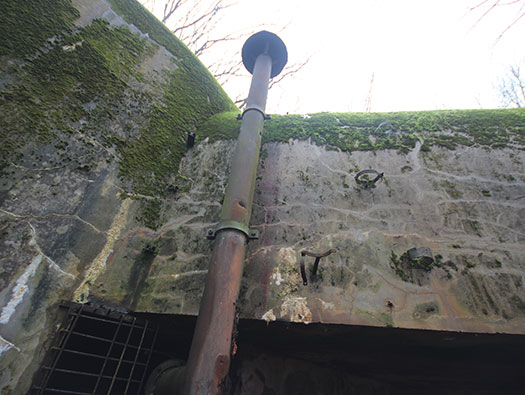
Block 1: There were two of these armoured air vents on this ouvrage; they are odd little fittings.