RAF Cleave, Cornwall
RAF · Cornwall · England · United Kingdom

RAF Cleave
RAF Cleave
RAF Cleave

23 March 2004

RAF Cleave
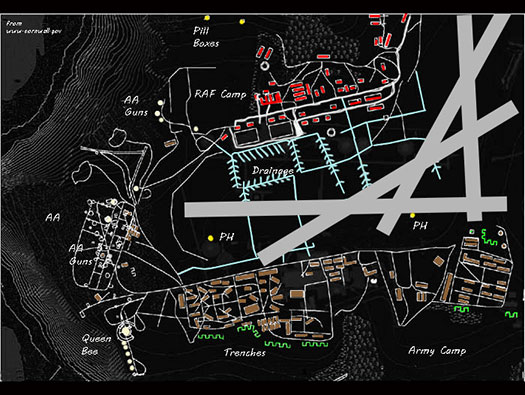
Army & RAF Camps.
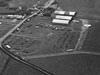
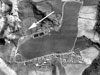
RAF Cleave north of the airfield with two Bellman hangars and four grass runways.
Cleave Anti-Aircraft training camp taking up all the south side.
www.cornwall.gov
RAF Cleave
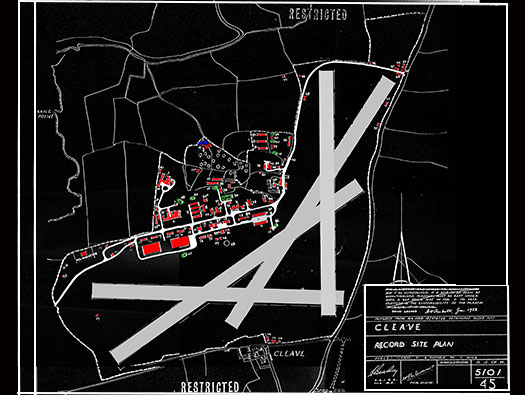
RAF Camp Site Plan RAF Cleave: - Opened 1939 and closed 1945.
Control Tower - TB HOL.39/43.
4 x grass runways of all around 1000yds long.
Accommodation - Temporary.
Hangars - two Bellman, one Blister.
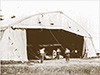
Before the RAF camp was built, up to three Bessoneau hangars were used.
RAF - Officers - 11.
SNCO's - 28.
Other ranks - 380. WAAF - Officers - 2.
SNCO's - 4.
Other ranks - 74.
Air Ministry 5101/45
RAF Cleave
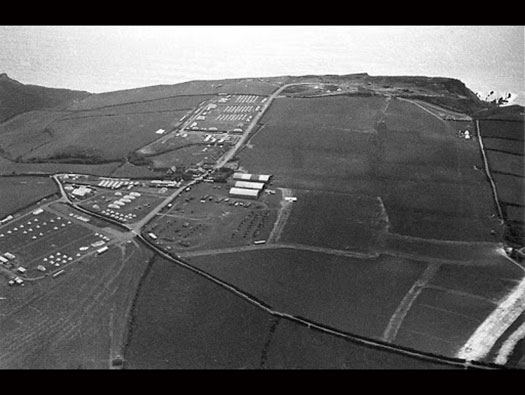
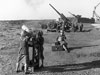
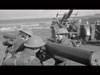
Anti-Aircraft Training Camp.
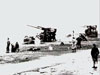
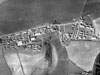
This is an early picture of the AA camp and the new airfield not yet extended. The white marks are where hedges have been grubbed out to make way for the extended grass runways. The army camp has a lot of tents and showing a very temporary look to it. Later wooden huts replaced the tents.
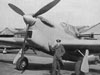
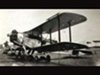
1939 and two flights of No.1 Anti-Aircraft Co-operation moved in with Westland Wallace aircraft.
1939
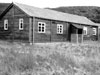
RAF Cleave
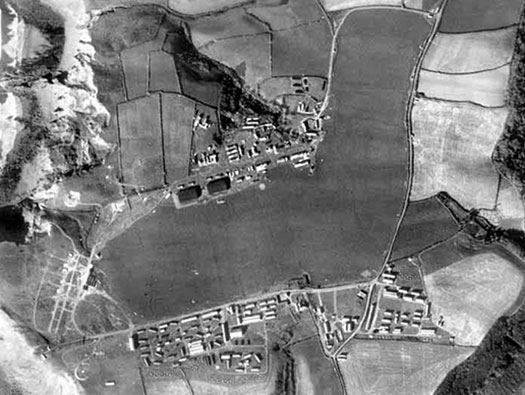
Later 1940's
RAF Cleave
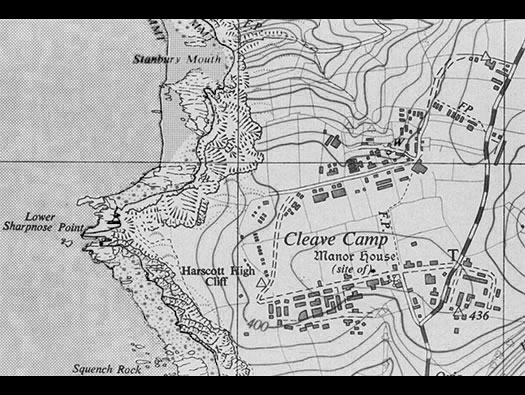
OS, SS21 & Part of SS11 - C (includes: Morwenstow; Welcombe) Publication date: 1965
RAF Cleave
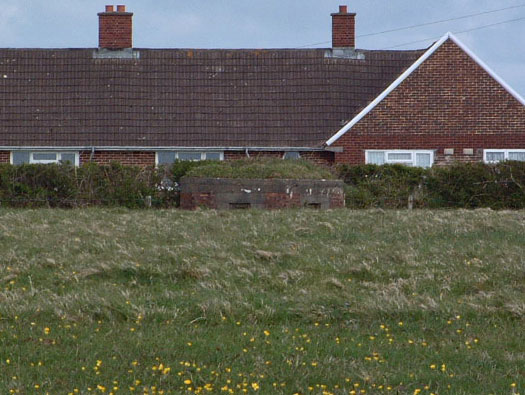
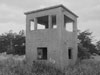
Possibly a Type24.
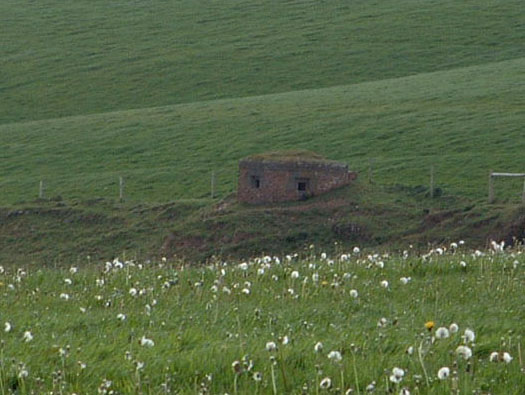
One of the very many pill boxes around the airfield. This pill box was constructed and sighted to cover the airfield. If an enemy was to parachute in or use a glider force. They would have been very vulnerable to being attacked the instant they landed and consolidating. The defenders could pour automatic fire down on an enemy forming up to take the airfield. Behind post war RAF Ministry housing for the camp.
10 May 2003
RAF Cleave
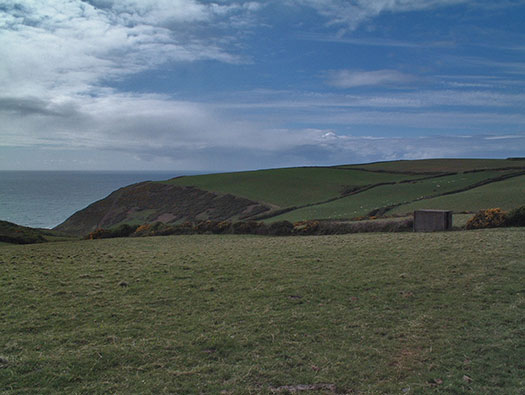
96 & 97 Ammunition Store.
There are two ammunition stores which I would think its was small arms ammunition for airfield defence.
10 May 2003
RAF Cleave
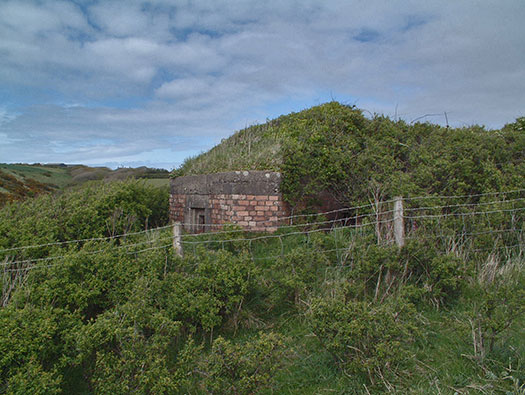
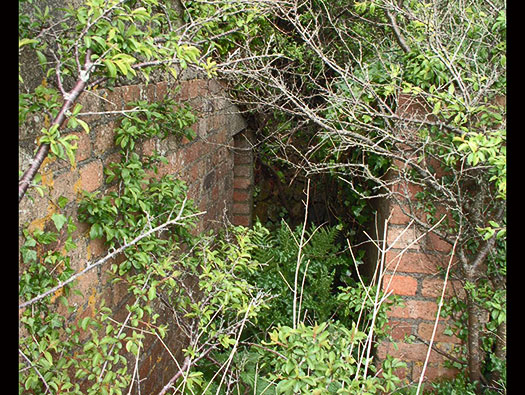
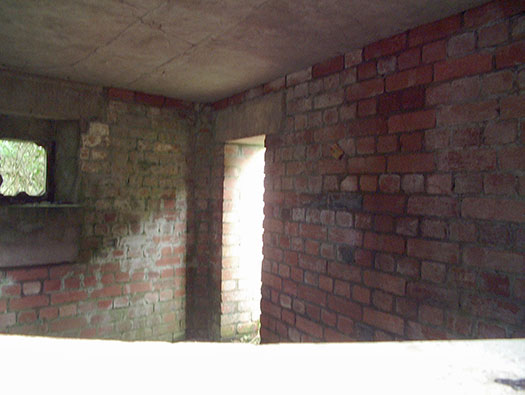
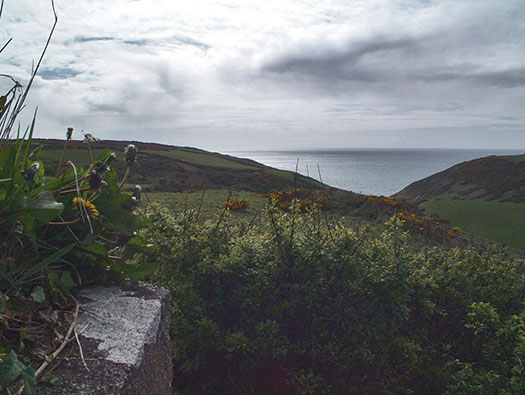
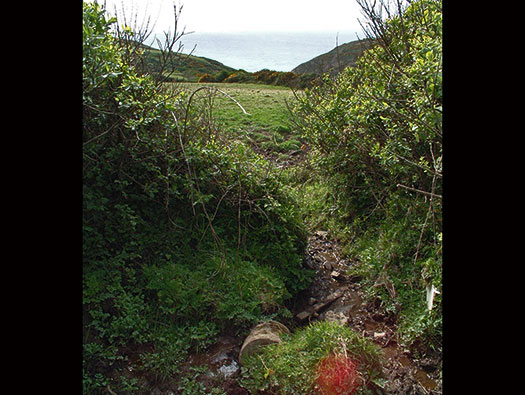
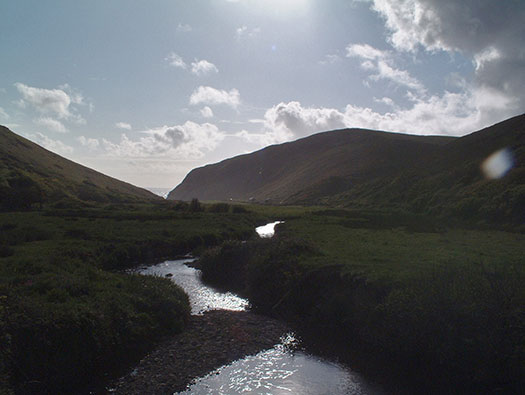
Another Type 26 pillbox covering the valley to the north west of the airfield. This pill box covers an attack from the beach and up a ravine, which would be an easy way onto the airfield without being seen.
10 May 2003
RAF Cleave
10 May 2003
RAF Cleave
10 May 2003
RAF Cleave
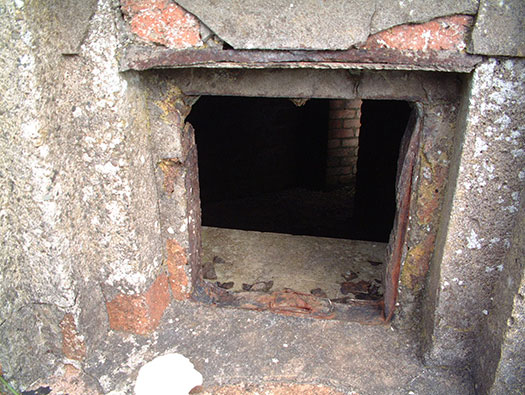
10 May 2003
RAF Cleave
10 May 2003
RAF Cleave
10 May 2003
RAF Cleave
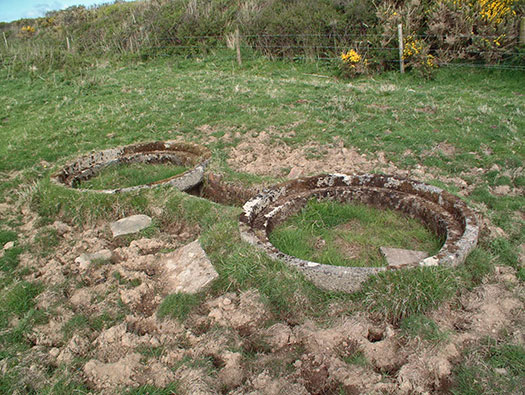
Defence position.
Two concrete drain pipes sunk into the ground and this one looks like they are joined by a trench.
10 May 2003

RAF Cleave
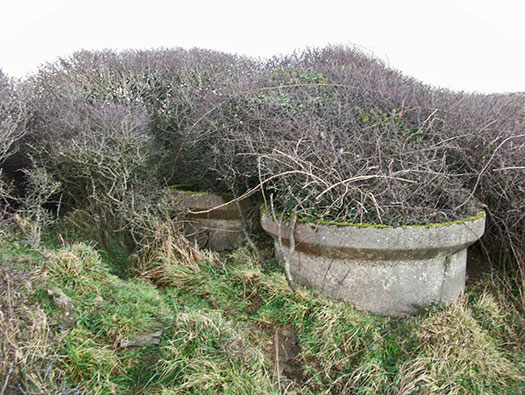
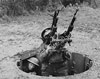
Defence position.
Two more drain pipe defence positions.
23 January 2005
RAF Cleave
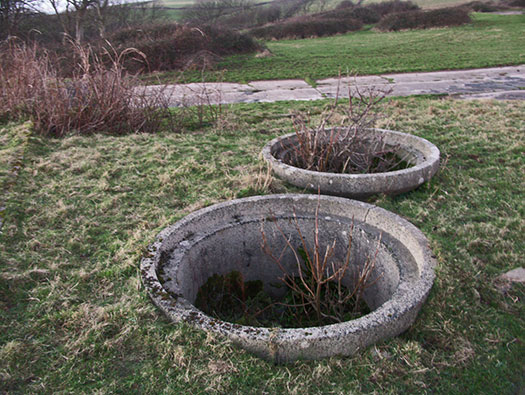
Defence position.
These were used a lot in early built airfields.
23 January 2005
RAF Cleave
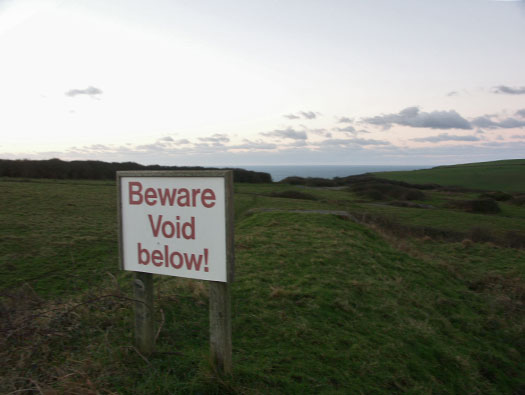
You have been Warned.
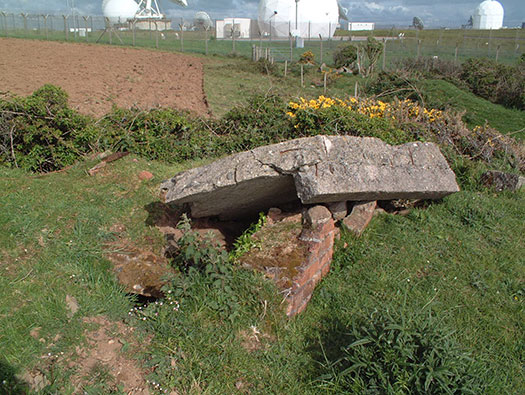
Typical over stating the obvious. There are two Stanton shelters here with Void signs on them and would you believe it they are totally sealed up anyway!!!!!!!!!!.
23 January 2005
RAF Cleave
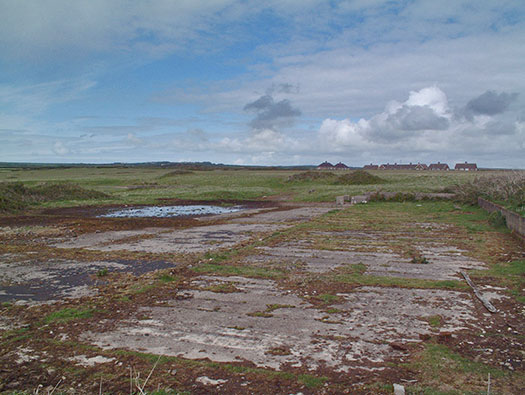
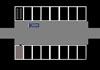
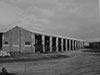
Motor Transport 9 - M.T. Sheds - T - 7274/39.
(9. = on the plan).
('T'= timber hutting).
10 May 2003
RAF Cleave
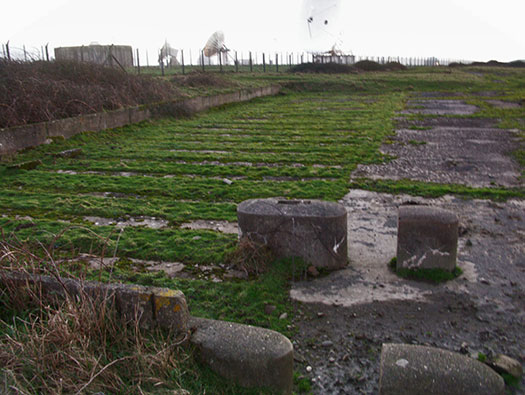
Motor Transport.
The remains of concrete blocks to stop a driver reversing into the door post.
23 January 2005
RAF Cleave
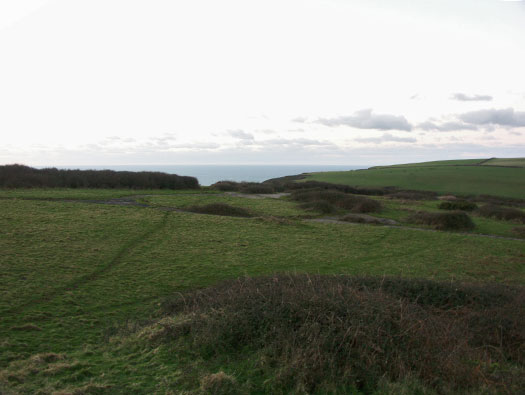
Officers Mess Building foundations.
You can just make out the roundabout that was in front of the Mess.
25 January 2005
RAF Cleave
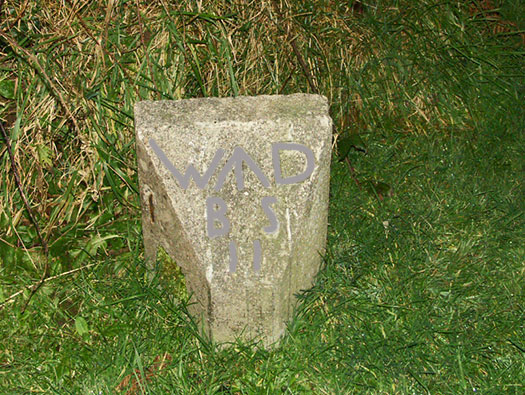
Boundary Stone.
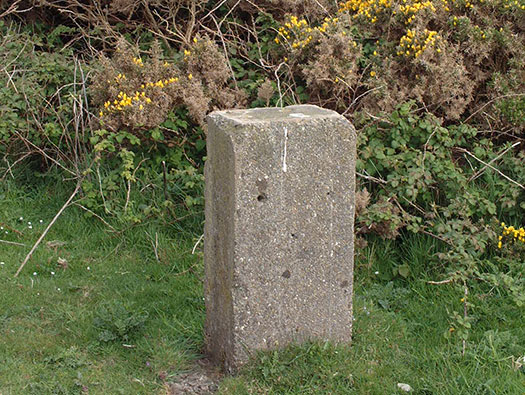
A War Department boundary stone No.11. This must have been part of the army camp as if it was the airfield then it would have been an AM Air Ministry stone. Originally they were made of Bath stone, but this one replaces bath stone with reinforced concrete.
23 January 2005
RAF Cleave
10 May 2003
RAF Cleave
10 May 2003
RAF Cleave
10 May 2003
RAF Cleave
10 May 2003
RAF Cleave
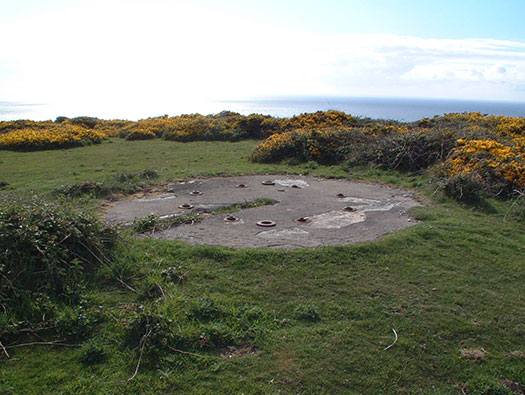
10 May 2003

RAF Cleave
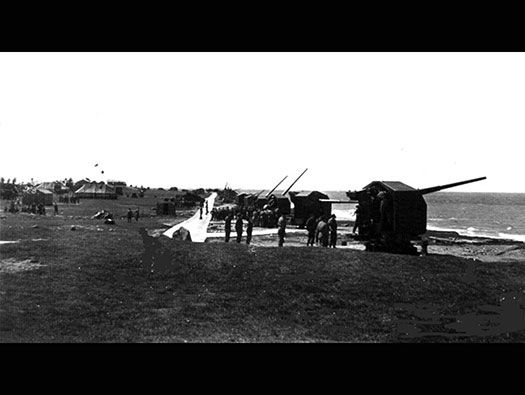
Internet


Fairy Battle re used as a target tug.
Close shave.
RAF Cleave
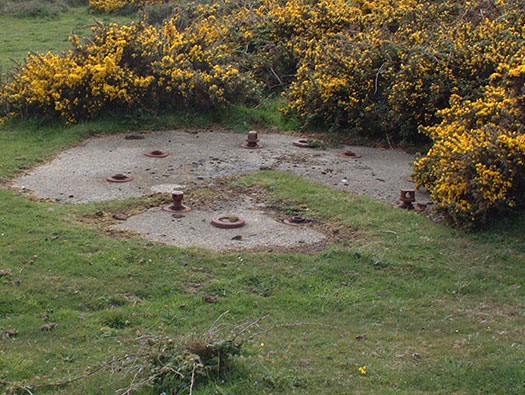
10 May 2003
RAF Cleave
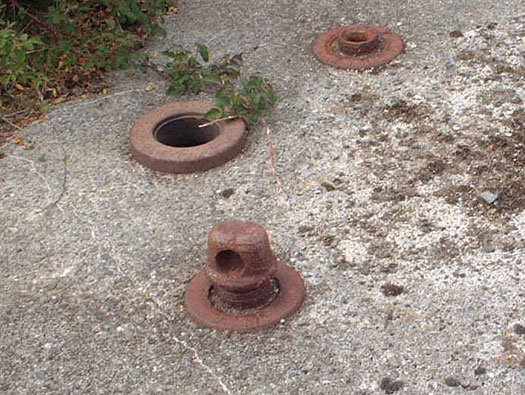

10 May 2003 ----------------------------------------------------------------------- 22 November 2008
RAF Cleave
10 May 2003
RAF Cleave
10 May 2003
RAF Cleave
23 January 2005 ------------------------------------------ Possibly 1936 Watchet, Somerset trials
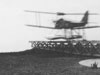
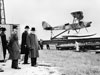
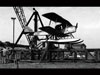
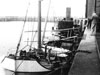

Queen Bee
de Havilland DH-82B Queen Bee was certainly the first truly successful pilot less aircraft with nearly 400 being manufactured over several years. The Queen Bee’s ability to fly without a pilot was indeed high technology at the time and it was demonstrated for dignitaries on many occasions. ©1936.
The basic idea was to be able to shoot at a plane and not killing the pilot, but I am not sure if the idea was to shoot it down or just near miss. More research needed. The Queen Bee was very successful for the period of pre computerisation Many of the Queen Bees were flown more than just the single time, some operating for months. Bad shots.
RAF Cleave
23 January 2005
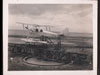
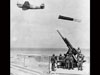

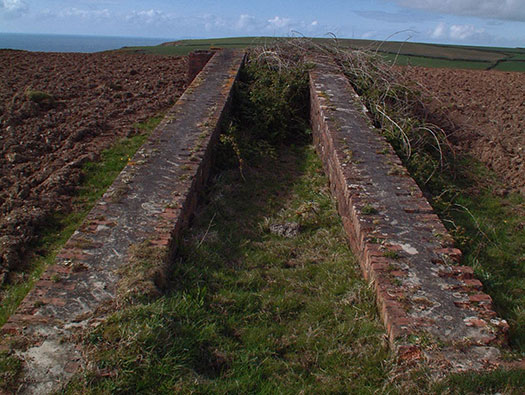
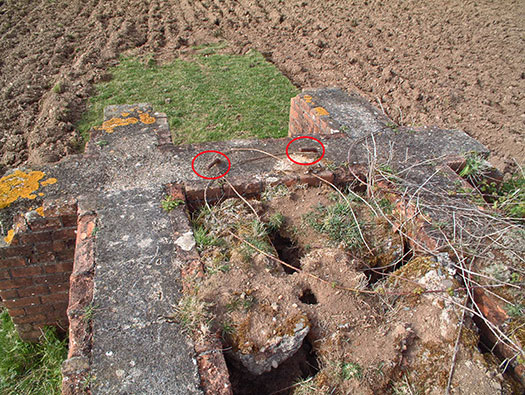
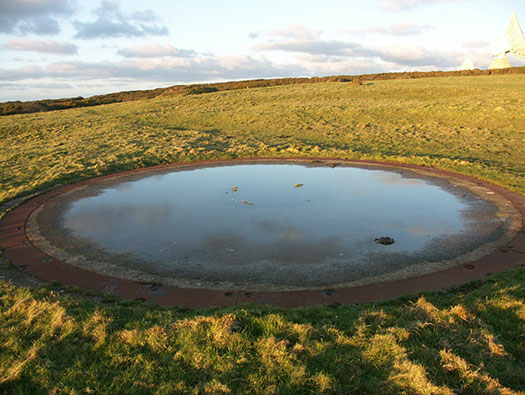
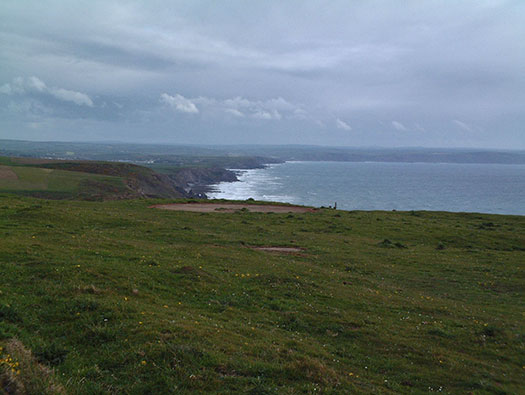
Queen Bee The base of the steam catapult like the type that was used on capital ships of the Royal Navy. Most AA gun practice was to fire at a drogue, a tube of cloth towed behind a usually out of front line service aeroplane.
AM

The RAF remotely flying a Queen Bee.
RAF Cleave
10 May 2003
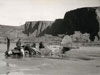
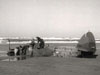
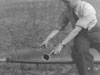

A Queen Bee taking off.
RAF Cleave
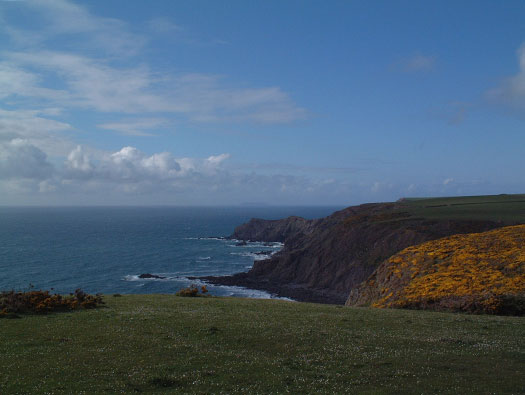
10 May 2003
RAF Cleave
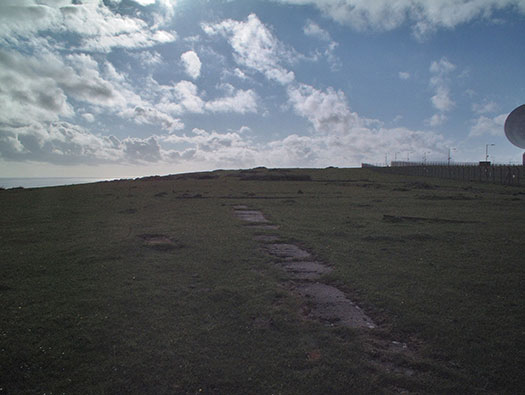
The Army camp Site of several huts.
RAF Fighter Command 70 Group
639 Sqdn (Hurricanes/Martinets/Vengeance TTs)
AA (anti-aircraft gunnery) Co-operation unit.
U.S. First Army ‘V’ Corps.
406th Field Artillery Group.
190th Field Artillery Battalion.
10 May 2003
RAF Cleave
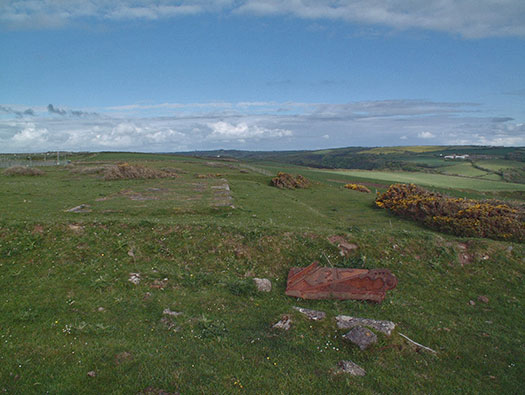
The Army camp bases of more huts.
10 May 2003
RAF Cleave
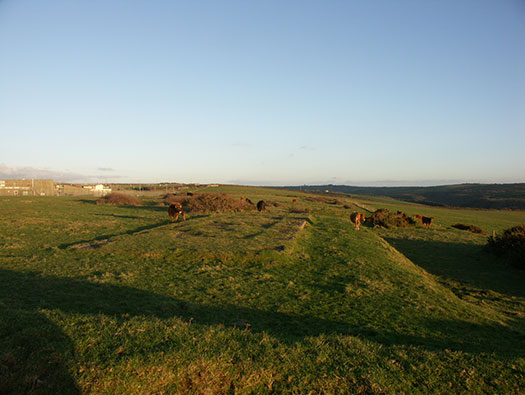
The Army camp large wooden hut base.
23 January 2005
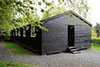
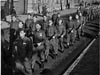
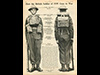

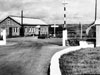
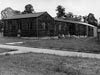
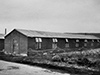
This is a picture of the main gate and guard room of the AA camp, I found it on httpbudeandbeyond.co.uklocal-historycleave-camp. But this site seems not to be working.
httpbudeandbeyond.co.uklocal-historycleave-camp

AA camp.
httpbudeandbeyond.co.uklocal-historycleave-camp

A rare colour picture of one of the wooden huts.
httpbudeandbeyond.co.uklocal-historycleave-camp
RAF Cleave
10 May 2003
RAF Cleave
10 May 2003
RAF Cleave
10 May 2003
RAF Cleave
RAF Cleave
23 March 2004
RAF Cleave
28 April 2012
RAF Cleave
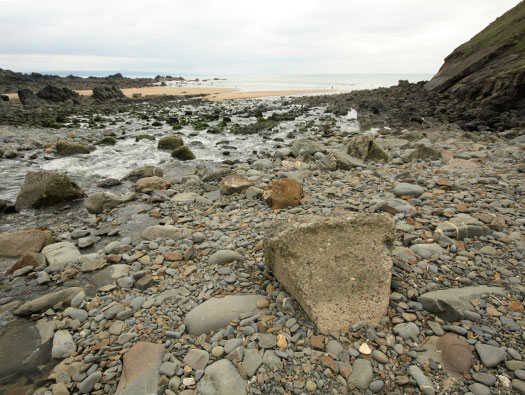
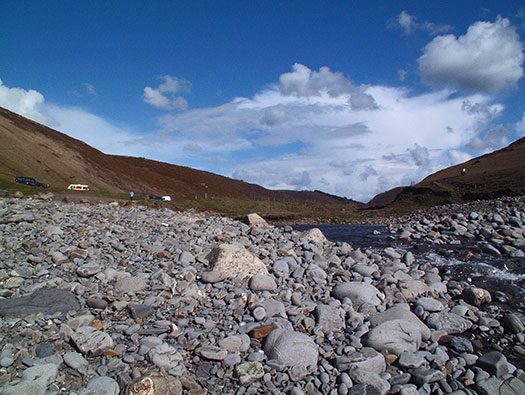
Coombe Valley Anti-tank obstacles in the river bed.
I am not sure that tanks would ever have landed here.
28 April 2012
RAF Cleave
23 January 2005