RAF Holmsley South, Airfield Site
RAF · Hampshire · England · United Kingdom

RAF Holmsley South
Airfield Site. Opened 1942, closed 1946.
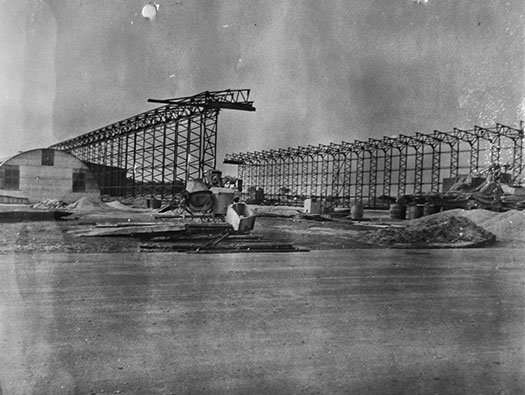
Three runways. 2 + 3 x T2 hangars; extra hangars were built as the war was ending.
14 x Dispersed accommodation sites.
1 x Operations Block.
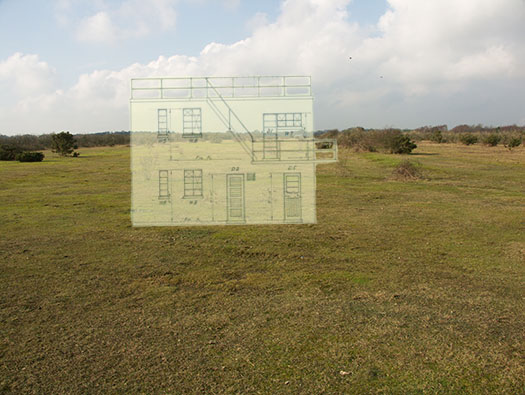
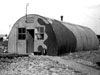
Control Tower (Watch Office) Brick type 12779/41. Accommodation temporary, mostly Nissen huts.
R.A.F. personnel: Officers 177, S.N.C.O.s 522, O.R.s 1926.
W.A.A.F. personnel: Officers 10, S.N.C.O.s 9, O.R.s 312. (Mil. Airfields 39/45 Willis & Hollis)
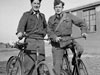
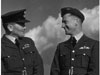

RAF Holmsley South
RAF Holmsley South
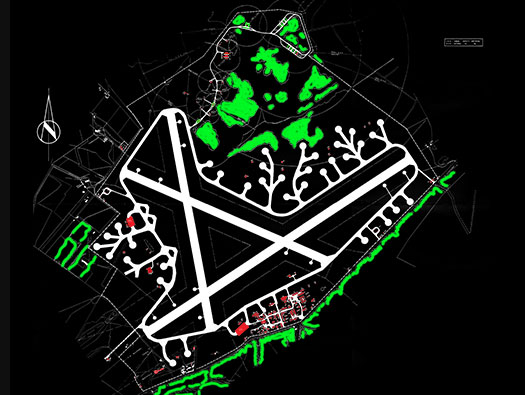
Airfield Site:
Building started early in 1942 and was not completed when it opened in October of that year. The station was built as an 'A' Class RAF airfield to bomber standard. Aircraft dispersals included 3 x Scissor type and 35 x Circular (frying pan type) bays.
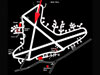
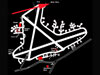
AM 4759/44 Airfield Plan
RAF Holmsley South
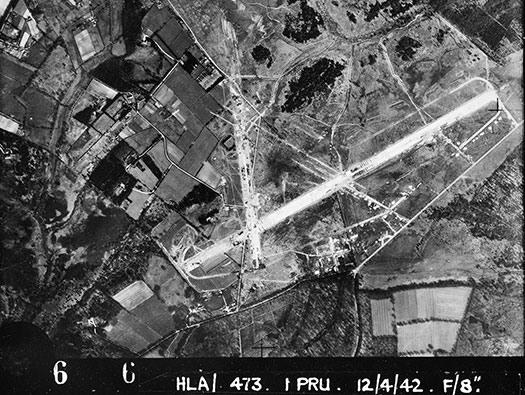
12 April 1942
RAF Holmsley South
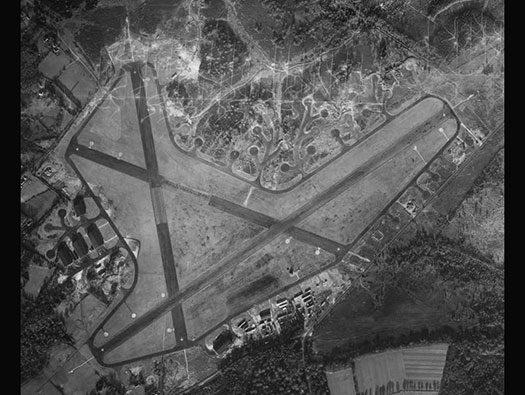
The site is shown here in its finished state, with all five hangars in place, around 1945–1946.
1945/46
RAF Holmsley South
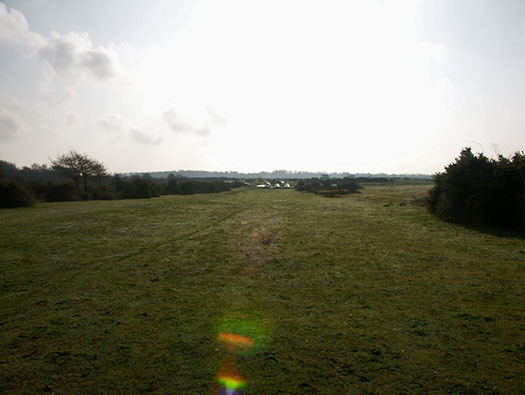
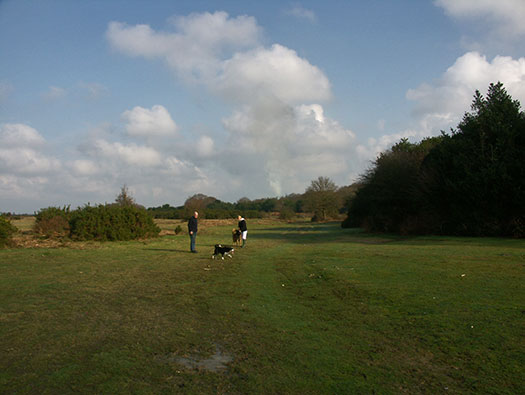
Runway 18/34 N/S.
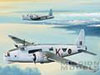
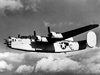
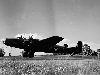
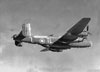
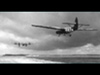
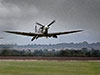
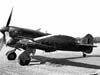
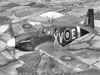
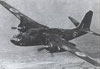
History: Holmsley South airfield was built during 1942 and, though not completed, was opened in October of that year. From October 1942 to December 1943, it was a Coastal Command station. Nos. 547 Sqn. RAF & 330 Sqn. of the 8th USAAF were the first to patrol the Eastern Atlantic from Holmsley. Later, Nos. 58 and 502 Sqns. RAF took over anti-U-Boat operations. Also using the airfield between May and June 1943 were the crews of No. 295 Sqn. and pilots of the Glider Pilot Regiment who practiced long-distance glider towing in preparation for towing 30 Horsa Gliders to North Africa. In January 1944, the 2nd Tactical Air Force took over for attacks on Northern France and, later, after D-Day, support of the invasion. In March 1944, it was 144 Wing with Nos. 441, 442, and 443 Sqns. RCAF with Spitfires. Then, from April to June, 121 Wing with Nos. 174, 175 & 245 Sqns. RAF with Typhoons. Next were Nos. 306, 315 Polish & 129 Sqn. RAF with Mustang fighter-bombers and 182 & 184 Sqns. Typhoons. From April to July, 418 Sqn. RCAF flew night intruder operations. From July 25th to the end of August 1944, the 394th Bomber Group, 9th US Air Force with 584, 585, 586 & 587 Sqns. with Marauders, flew missions over France. From October 1944 to October 1946, Transport Command with 167 & 246 Sqns. flew routes to Europe, the Middle East, and Far East. The airfield closed for flying in October 1946 and was returned to the Forestry Commission and private ownership in the 1950s. Dan Hamblin.
07 February 2005
RAF Holmsley South
07 February 2005
RAF Holmsley South
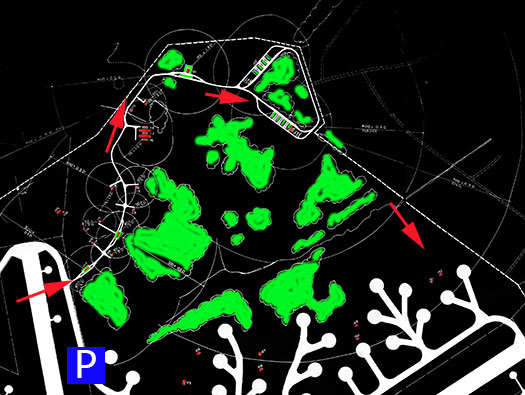
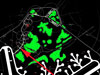
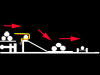
Bomb storage area; the red arrows indicate the route of our walk.
As you walk into the bomb store, there are several cross tracks. You have already passed the first fuzing points, No. 107, which are now completely removed. The cross tracks lead to 109 on the left, a Smoke Bomb Store (a Nissen hut, 12725/41), and 108 on the right, a Component Store (4733/42).
AM 4759/44 Airfield Plan
RAF Holmsley South
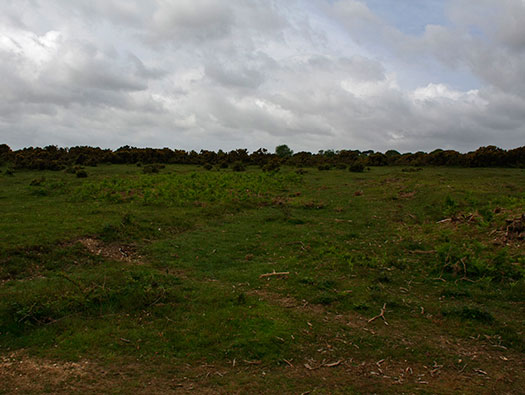
This is a schedule of buildings based on the airfield plan, including their site numbers, descriptions, construction types, and drawing reference codes:
- 109: Smoke Bomb Store – N – 12725/41
22 May 2011
RAF Holmsley South
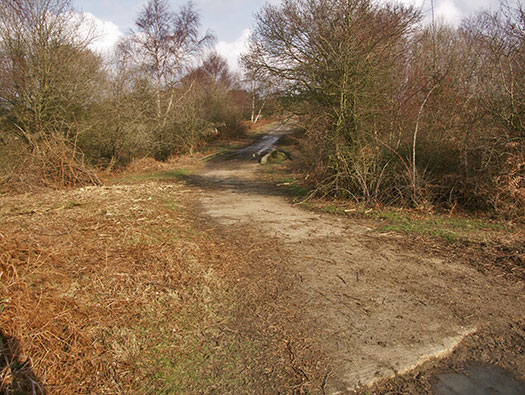
07 February 2005
RAF Holmsley South
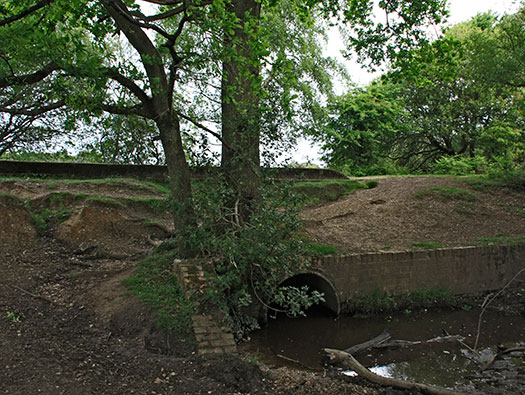
22 May 2011
RAF Holmsley South
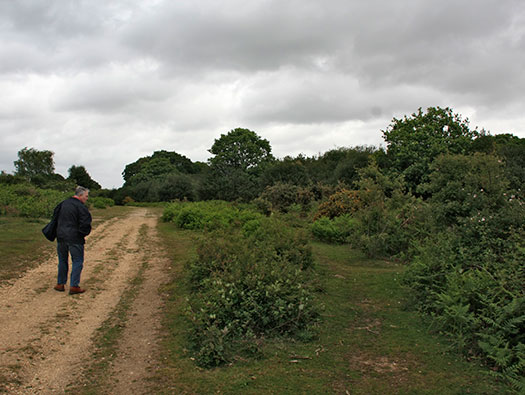
112 - Fuzing Point Building - N - 4778/42.
The main track includes a junction slightly to the right, which is the slip roadway into a fuzing point. It was a large Nissen hut with a berm of earth on either side for blast protection.
22 May 2011
RAF Holmsley South
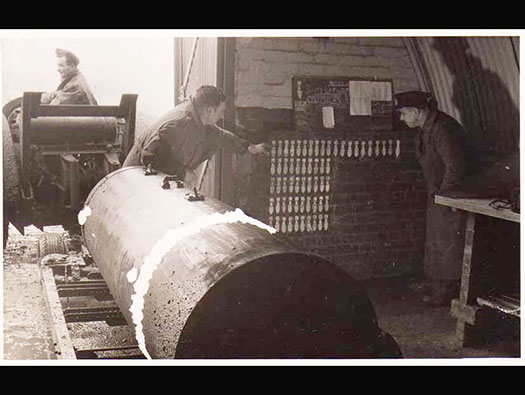
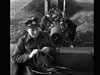
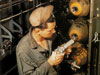
112 - Fuzing Point Building - N - 4778/42. This building was used for the final preparation of a 4,000lb bomb.
Inside the fuzing point building, the Warrant Officers would check the bomb type and determine which fuse to use for the mission.
RAF Holmsley South
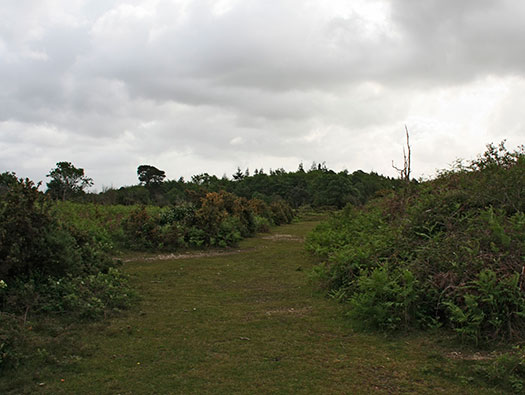
121 - Fuzed & Spare Bomb Area - 4780/42.
Storage for ready use bombs. Just a square of earth berm, with a track through and out to the other side allowing a bomb train to drive through and pick up bombs.
22 May 2011
RAF Holmsley South
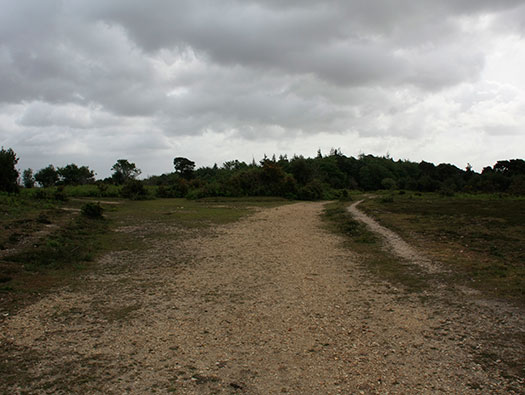
Bomb Store.
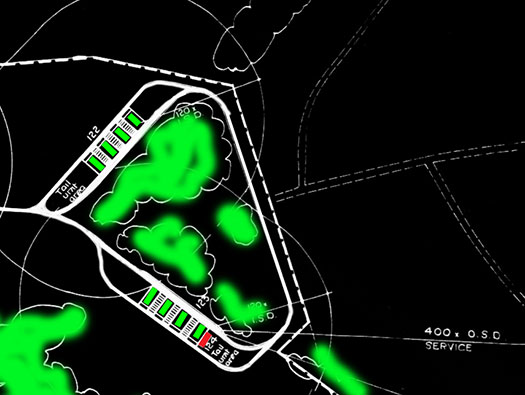
To the left the track leads off, where there was a long brick wall with four unloading bays and earth blast walls in between.
- 122 — Bomb Store with Tail Units — 3164/42 + a Nissen hut for storage — 557/43.
22 May 2011
RAF Holmsley South
Bomb Store
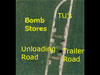
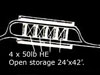
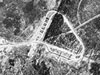
The New Forest group of 'A' class airfields all had half-size bomb stores for some reason. Most 'A' class airfields had four 3164/42 stores, except for RAF Stoney Cross, which had its own more open type of bomb dispersal area.
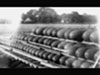
These stores would be filled from central storage at RAF Chilmark with the bombs needed for operations. If a bombing raid was planned, the stores would be filled with bombs, and if the next operation was mine-laying, the store would be emptied and filled with mines.
Bomb Store Schedule:
- 122: Bomb Store with tail units - earth - 3164/42 + Nissen Hut - 557/42
- 123: Bomb Store with tail units - earth - 3164/42 + Nissen Hut - 557/42
- 124: R.U. Small Bomb Store - N - 15795/41
AM 4759/44 Airfield Plan
RAF Holmsley South
22 May 2011
RAF Holmsley South
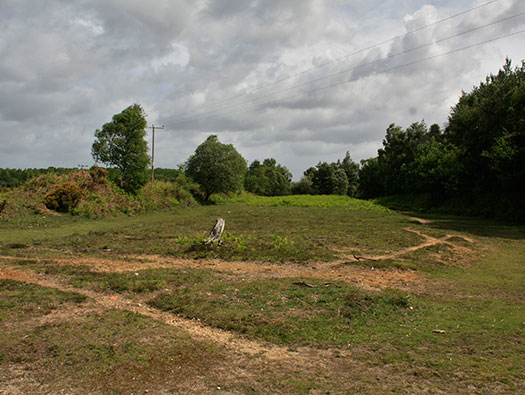
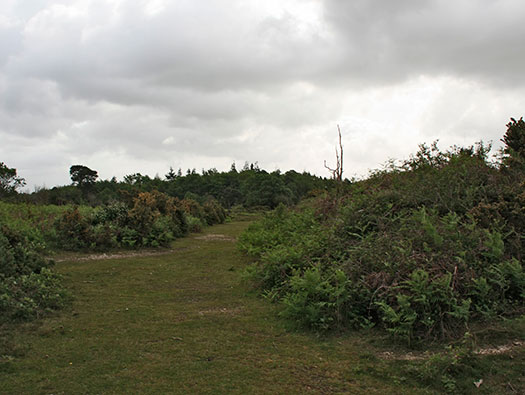
Bomb Store.
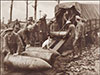
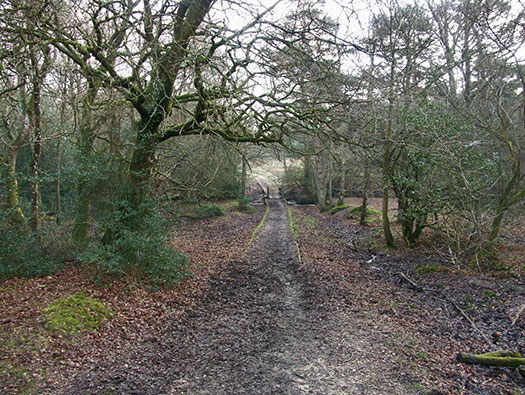
This is the end of the second store, which served as the tail unit fin storage area.
22 May 2011
RAF Holmsley South
07 February 2005
RAF Holmsley South
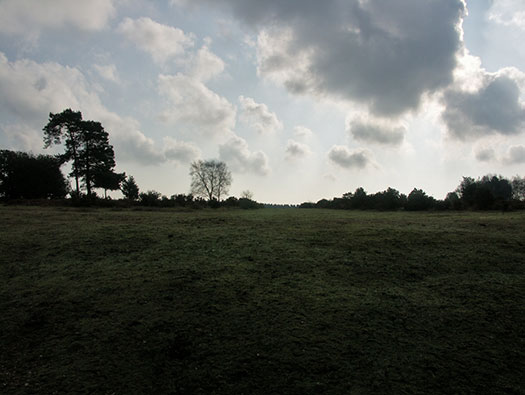
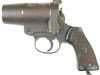
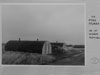
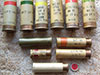
Serving the 38 aircraft dispersals, each site included an accompanying Pyrotechnic Store to house the flares used by aircraft for identification. These were essential for signalling the "Colour of the Day"—a specific combination of three colours—when returning to England. Because live flare cartridges could not be left inside an aircraft between flights, they and the flare guns were issued and stored safely for every sortie. Beyond the dispersals, the area was defended by 40mm Bofors anti-aircraft guns, each equipped with an adjacent hut to accommodate the crew.
07 February 2005

RAF Holmsley South
07 February 2005
RAF Holmsley South
22 May 2011
RAF Holmsley South
07 February 2005
RAF Holmsley South
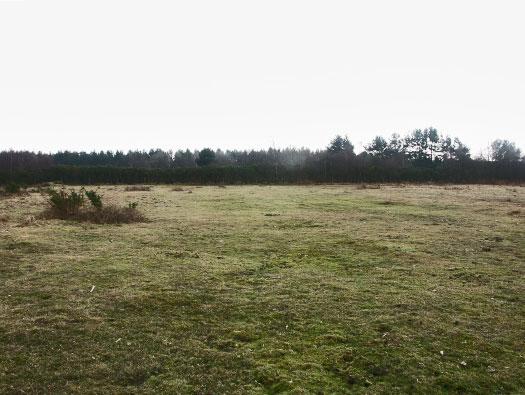
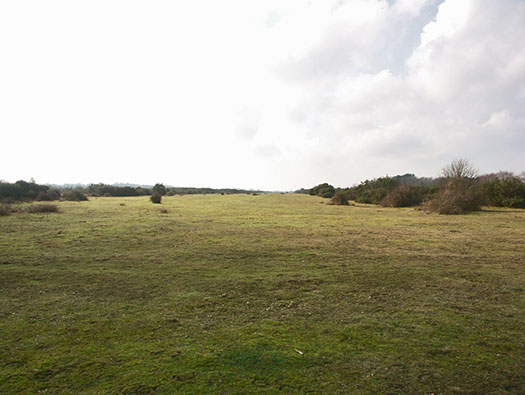
Runway.
The end of the runway, over the hedge were:
- 133: A.S.V.B.A. Standing (I cannot find out what this is yet).
- 134: Inner Marker Beacon.
07 February 2005
RAF Holmsley South
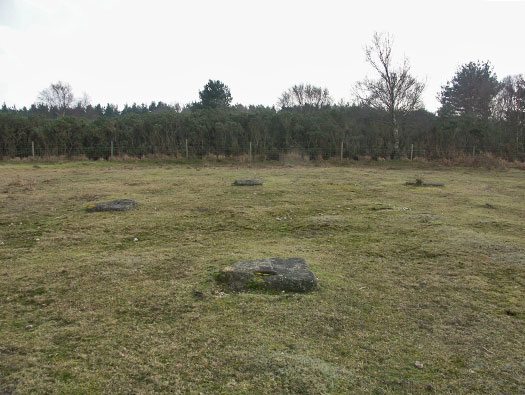
Dispersal.
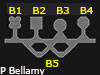
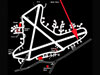
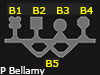
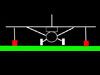
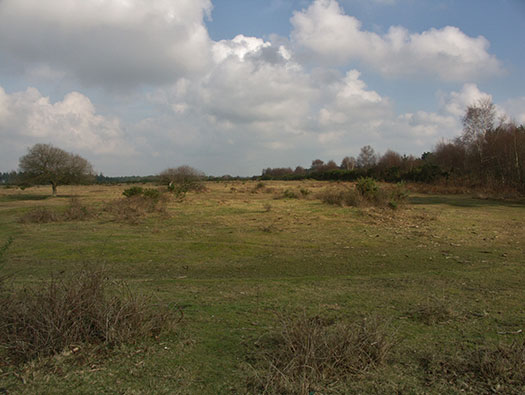
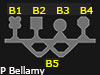
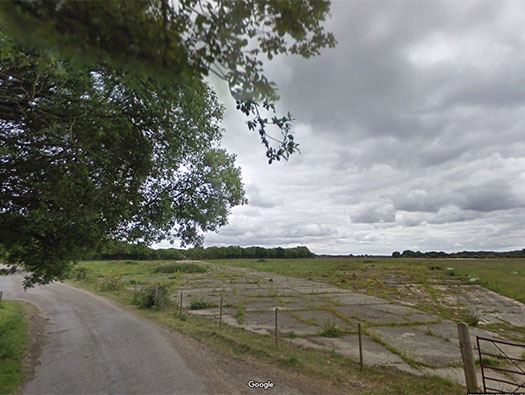
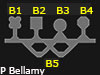
The airfield featured 36 aircraft dispersals, each consisting of a circular piece of concrete connected to the runway by a roadway. These were designated as B4 type, commonly referred to as "frying pan" dispersals, and each was equipped with four tie-down points to secure the aircraft.
07 February 2005
RAF Holmsley South
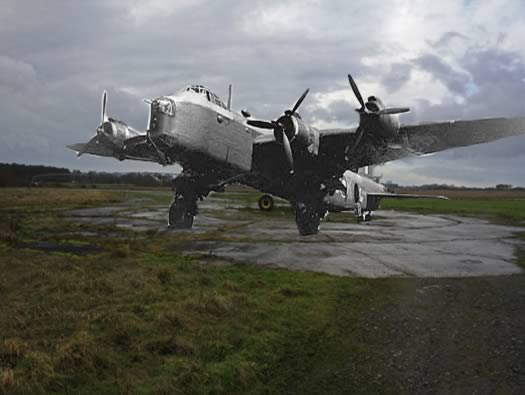
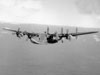
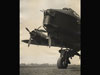
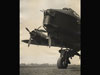
A Short Stirling bomber parked on a hard stand at one of the airfield's 36 aircraft dispersals.
RAF East Moor Stirling bomber
RAF Holmsley South
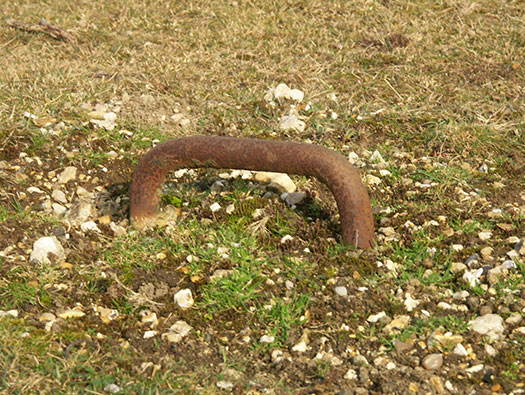
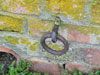
Dispersal: Aircraft tie-down. An aircraft parked on the dispersal would be tied down to these very strong steel hoops that were set into the concrete dispersal to stop an aircraft from being blown away by a strong wind.
The second picture is an aircraft tie-down at RAF East Moor, showing what was set under the concrete of the dispersal.

RAF Holmsley South
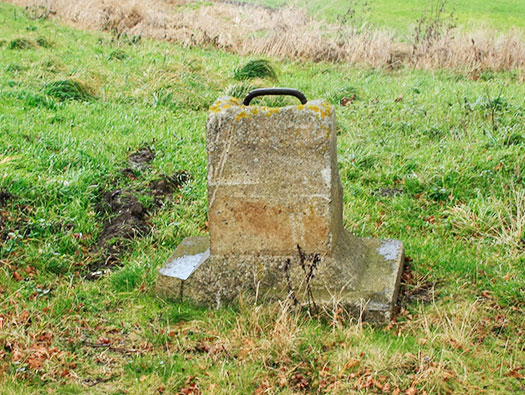
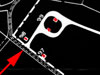
This photograph shows an aircraft tie down from RAF East Moor that has been removed from the ground, illustrating the heavy steel hoops set into the concrete dispersal to secure aircraft during strong winds.
RAF Holmsley South
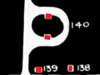
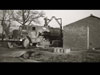
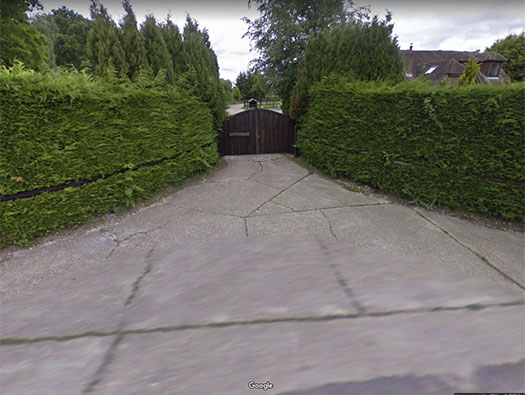
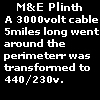
- 138: M & E Plinth - Brick
- 139: Picket Post - N - 12404/41
- 140: Bulk Petrol Installation - 72,000gal. - 9846/41
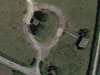
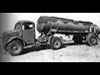
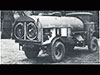
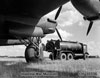
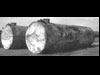
The second photo is of RAF Westonzoyland and shows what a Bulk Petrol Installation - 72,000gal. - 9846/41 would have looked like.
07 February 2005
RAF Holmsley South
This photograph of RAF Weston Zoyland shows what a Bulk Petrol Installation (72,000 gal. - 9846/41) would have looked like during the war.
RAF Holmsley South
This is a schedule of the site infrastructure and its associated reference codes.
- 138 - M & E Plinth - Brick
- 139 - Picket Post - N - 12404/41
- 140 - Bulk Petrol Installation - 72,000gal. - 9846/41
07 February 2005

RAF Holmsley South
AIR 20-7587

RAF Holmsley South
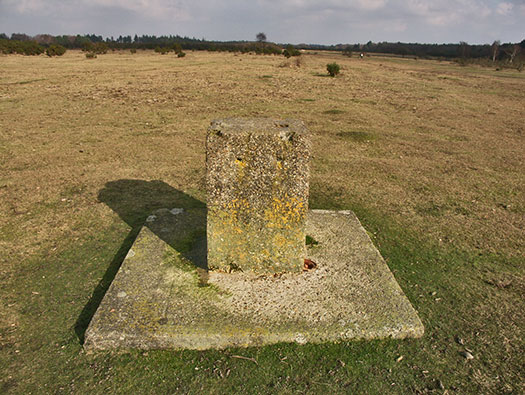
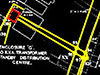
Cloud Height Projector.
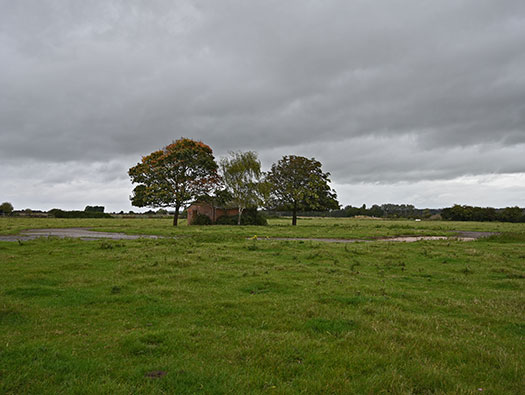
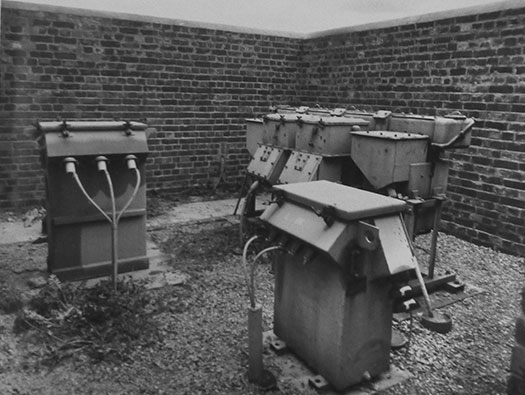
Out on the airfield sits a concrete plinth that served as a mounting for a cloud height projector. This device used a lamp to shine a beam vertically onto low clouds; by measuring the angle of this beam from the watch office, personnel could accurately calculate the cloud base height.
07 February 2005
RAF Holmsley South
07 February 2005
RAF Holmsley South
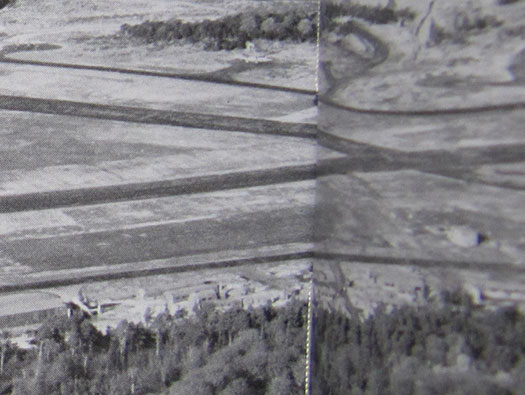
1944
RAF Holmsley South
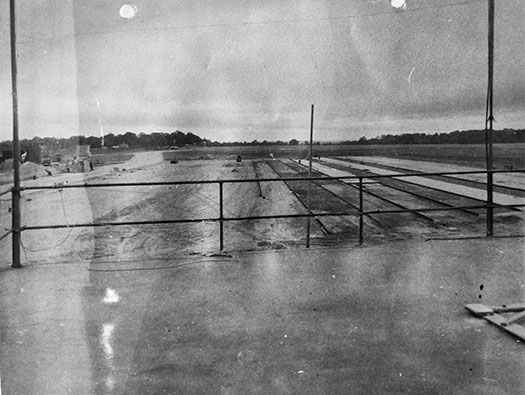
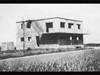
Watch Office 12779/41
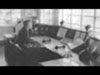
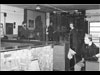
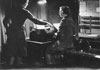
These photos were taken from the roof of the control tower looking along the perimeter track to the west and a large concrete aircraft parking apron. On the first picture the apron is being made, and the second, when it's finished.
Air 28/368 1945
RAF Holmsley South
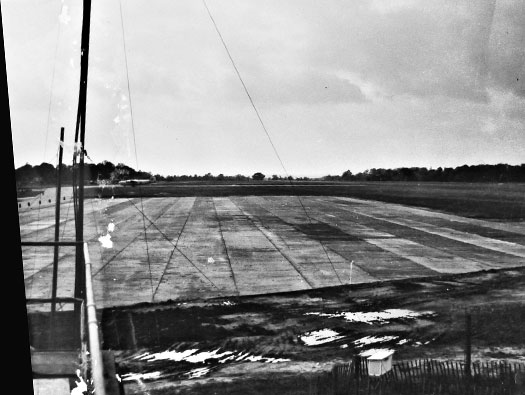
Watch Office 12779/41
These photos were taken from the roof of the control tower looking along the perimeter track to the west at a large concrete aircraft parking apron. In the first picture, the apron is being constructed; the second shows it when it was finished.
Air 28/368 1945
RAF Holmsley South
Air 28/368 1945
RAF Holmsley South
11 November 2008
RAF Holmsley South
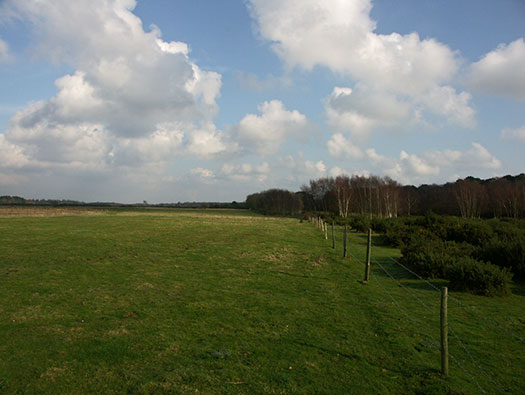
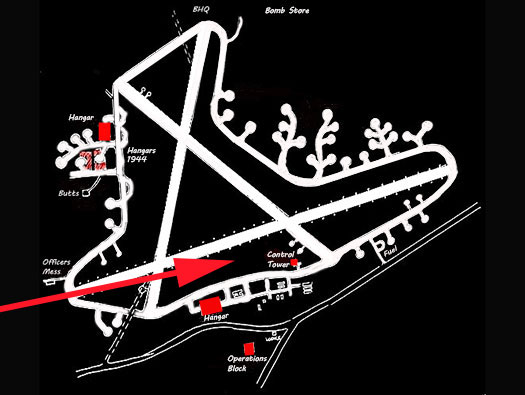
Flight line.
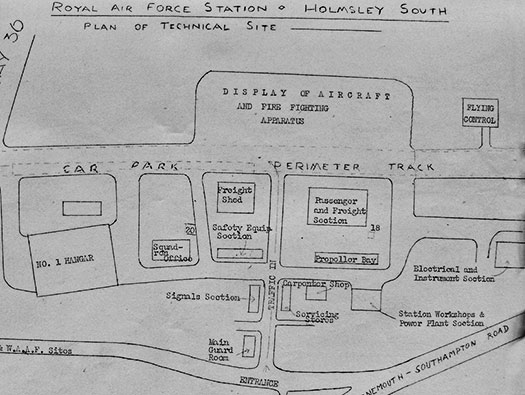
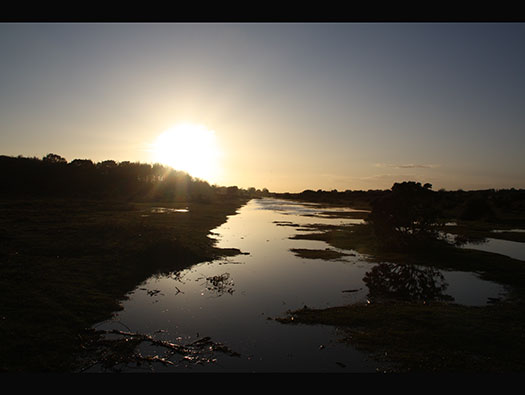
This perimeter track leads past the right side of the Airfield Site, where nearly all the primary airfield buildings were located.
07 February 2005
RAF Holmsley South
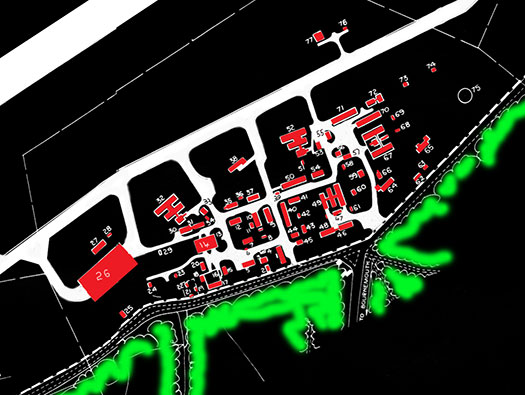
This is a schedule of the main airfield site buildings and their associated drawing numbers:
- 1 - Guard & Fire Party House - N - 12404/41
- 14 - Fuel Compound - 90'x54' - 9108/41
- 26 - Aircraft Shed - St - T2 25bay - 8254/40
- 32 - Squadron HQ - N - 14982/41
- 36 - Technical Latrines RAF - TB - 9036/41
- 45 - Fire Tender House - TB - 5352/42
- 46 - Station Offices - N - 12400/41
- 49 - Station Workshops - N - 12774/41
- 52 - Flight Office - N - 14982/41
- 67 - Main Store - N - 12775/41
- 77 - Watch Office - B - 12779/41
AM 4759/44 Airfield Plan
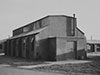
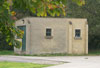
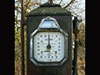
RAF Holmsley South
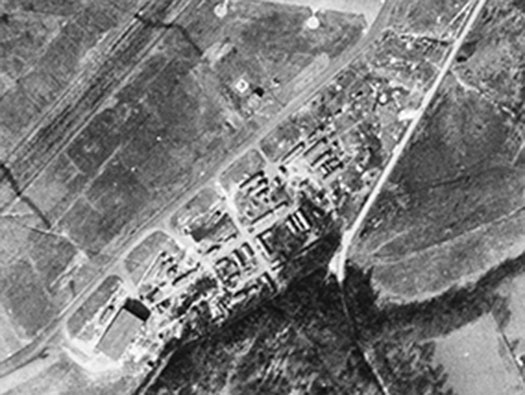
This aerial photograph illustrates the extensive network of hutting that characterized the dispersed accommodation sites surrounding the airfield. These various structures provided vital housing for the station's personnel, including the hundreds of officers, airmen, and W.A.A.F. members who lived and worked here during the site's active years between 1942 and 1946.
1942/43
RAF Holmsley South
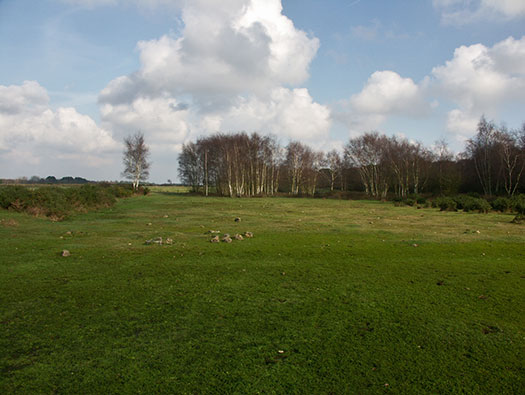
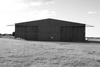
26 - Aircraft Shed - St - T2 25-bay - 8254/40.
The hangar has run-outs onto the perimeter track and you can just see the main runway above.
07 February 2005
RAF Holmsley South
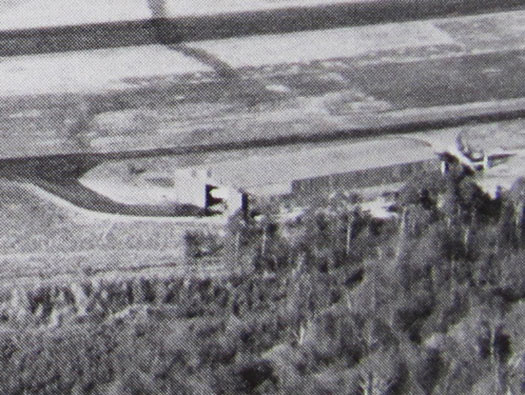
This structure is one of the airfield's T2 hangars, which were built to bomber standard. As the airfield developed, these hangars provided vital aircraft maintenance and servicing space for the various squadrons, including the RCAF and RAF units that operated from Holmsley South throughout the war.
Air28/368
RAF Holmsley South
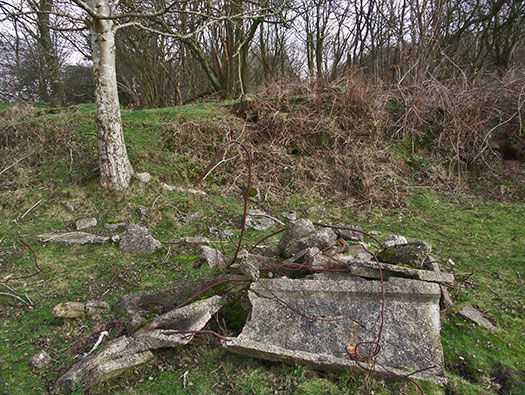
07 February 2005
RAF Holmsley South
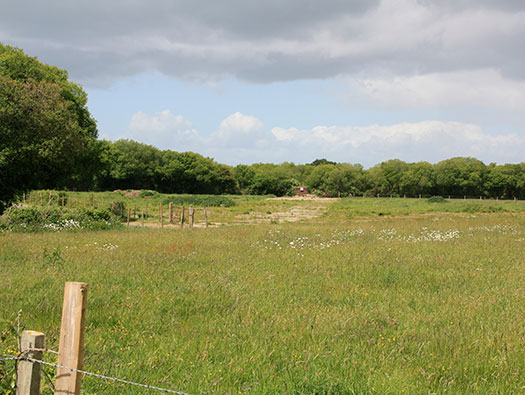
22 May 2011
RAF Holmsley South
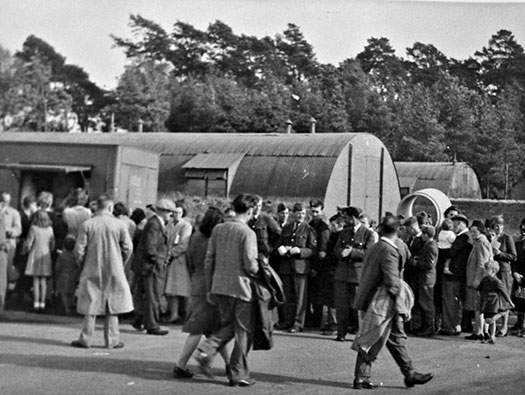
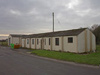
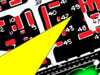
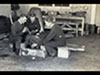
49 - Station Workshops - N - 12774/41. 3 x 24' Nissen huts adjoined.
This picture was taken on 'Battle of Britain Day'. It also shows the NAAFI wagon selling 'tea and a wad'.
Air28/368

RAF Holmsley South
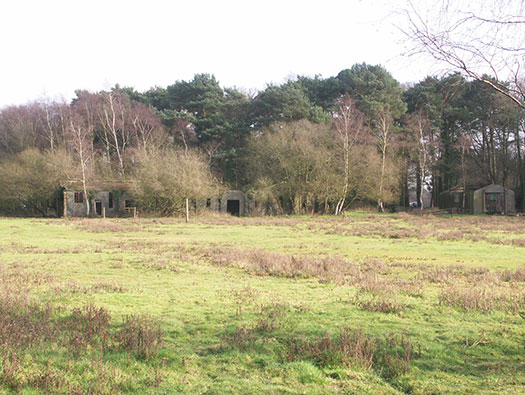
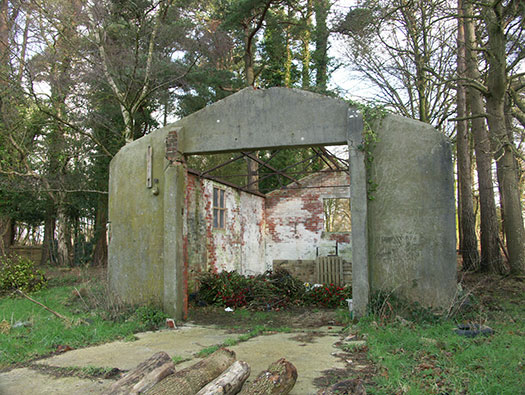
- 40 - Servicing Wing Store: B - 12409/41 - 3525/42.
- 45 - Fire Tender House: TB - 9026/41.
Most buildings were built in tin as with Nissen huts, but these two were built in brick and rendered.
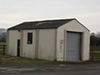
RAF Holmsley South
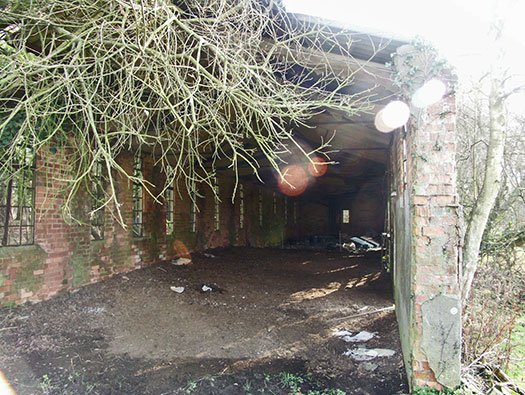
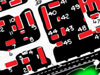
40 - Servicing Wing Store - B - 12409/41 - 3525/42
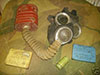
Buildings marked thus * on the schedule have been re-appropriated and are now functioning as indicated on the airfield plan. This notation indicates that the original use of the building is unknown; however, reference 12409/41 was originally a gas respirator store and workshop.
07 February 2005
RAF Holmsley South
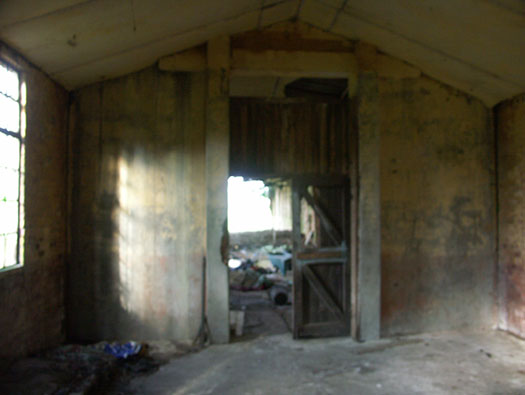
40 - Servicing Wing Store - B - 12409/41 - 3525/42.
I wish I had taken more photos; the original door is still in place.
07 February 2005
RAF Holmsley South
07 February 2005
RAF Holmsley South
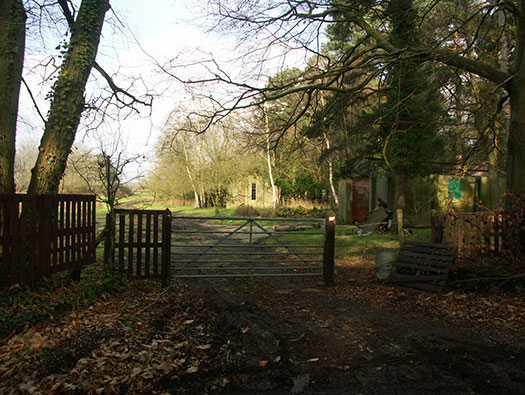
This is a schedule of the buildings located at the Main Entrance or Main Gate.
- 1 - Guard House & Fire Party - N - 12404/41
- *9 - W/T Workshop - TB - 5525/42
- *40 - Servicing Wing Store - B - 12409/41 - 3525/42
- *44 - Fire Section Office - N - 12408/41
- 45 - Fire Tender House - TB - 5352/42
07 February 2005
RAF Holmsley South
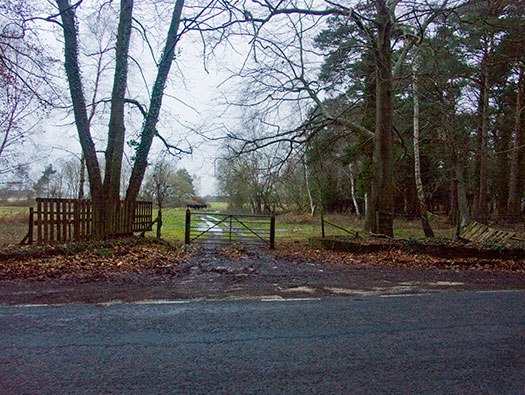
11 November 2008
RAF Holmsley South
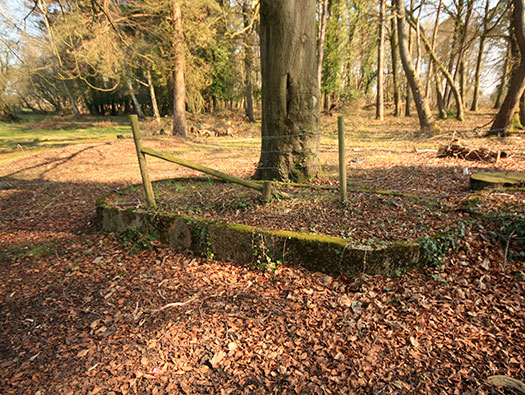
27 March 2012
Site Transition
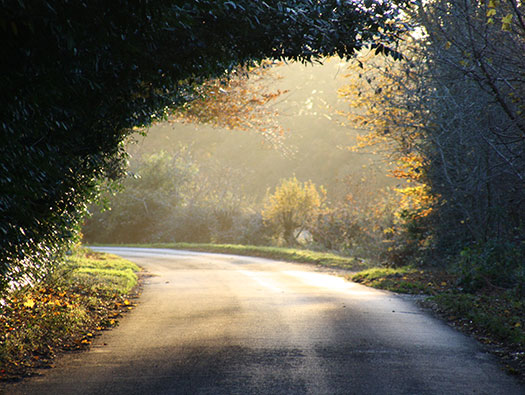
11 November 2008
RAF Holmsley South
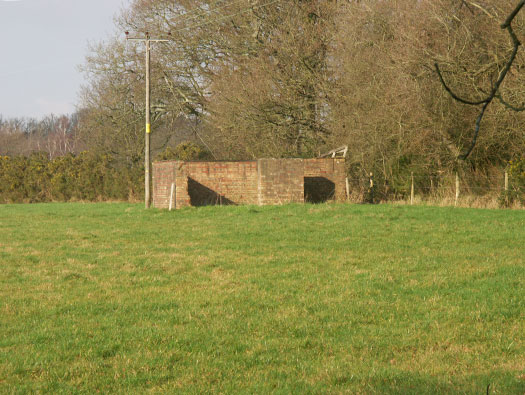
07 February 2005

RAF Holmsley South
RAF Holmsley South
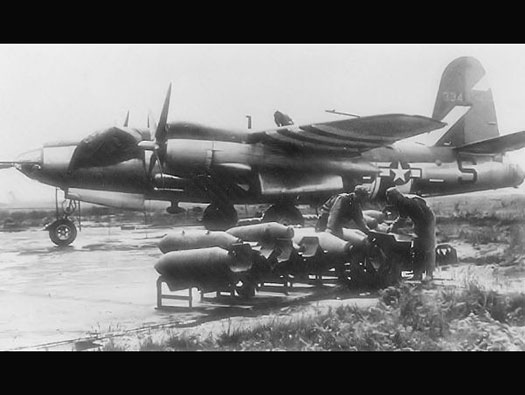
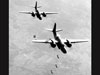
USAAF B26
RAF Holmsley South
07 February 2005
RAF Holmsley South
07 February 2005
RAF Holmsley South
07 February 2005

RAF Holmsley South
RAF Holmsley South
RAF Holmsley South
07 February 2005
RAF Holmsley South
07 February 2005
RAF Holmsley South
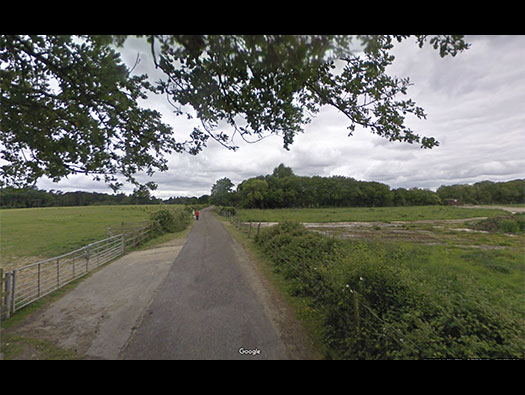
07 February 2005
RAF Holmsley South
Air28/368
RAF Holmsley South
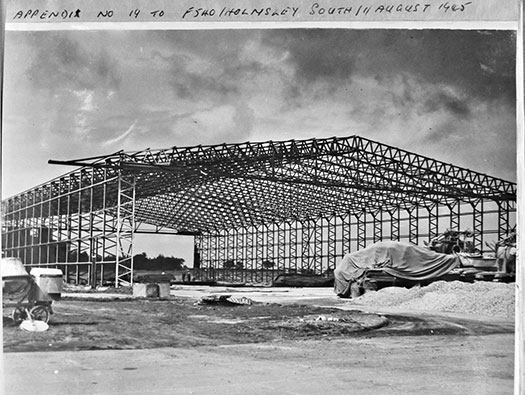
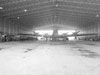
This is the construction of the extra three hangars, dated 11 August 1945. Holmsley South was becoming more of an international airport than a military base; the aircraft were for VIPs and not bombs. The aircraft probably needed a better repair and servicing regime. It was acceptable to send an aircraft to war that was not quite ready, but with VIPs, it would be unimaginable. It was the start of moving from war to peace.
Air28/368
RAF Holmsley South
07 February 2005
RAF Holmsley South
RAF Holmsley South
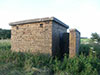
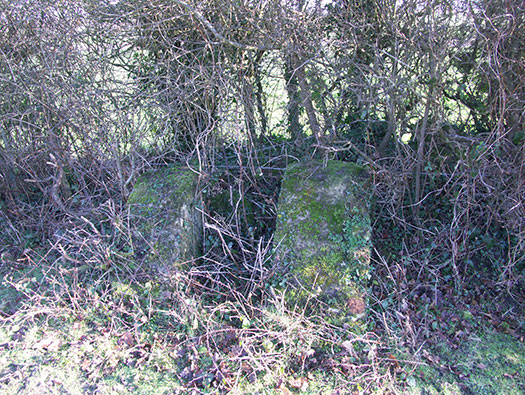
This is a schedule of ancillary infrastructure components located at the airfield:
- 97 - M&E Plinth - PC
- 98 - Picket Post - N - 12404/41
- 99 - Bulk Petrol Installation - 72,000gal - 9846/41
07 February 2005

RAF Holmsley South
07 February 2005
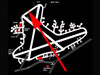

RAF Holmsley South
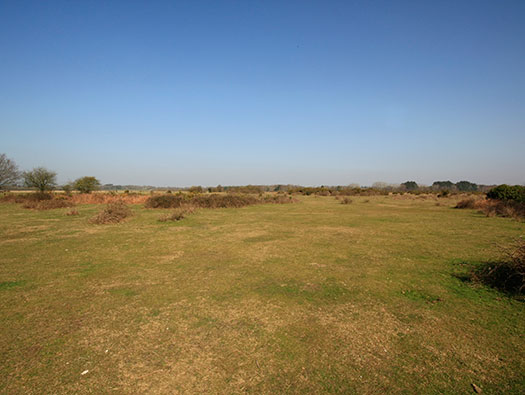
07 February 2005
RAF Holmsley South
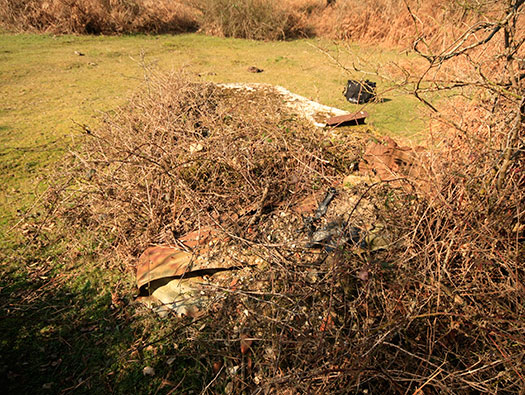
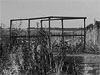
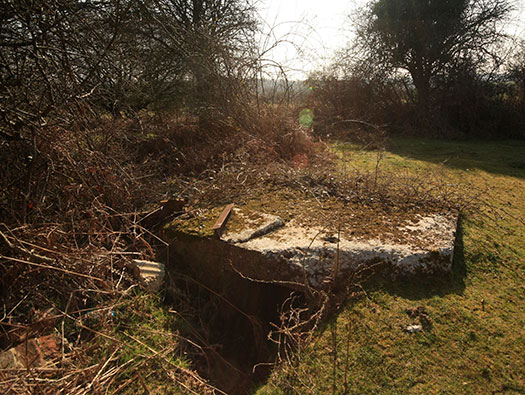
Battle Headquarters.
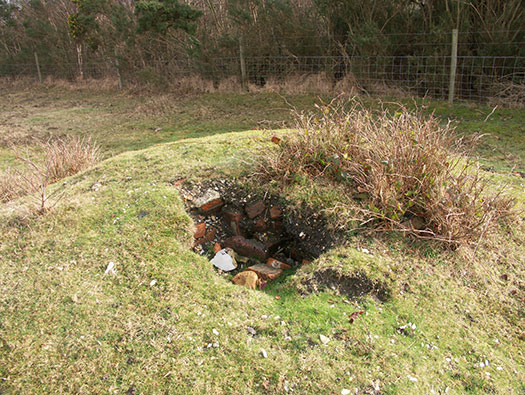
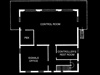
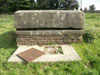
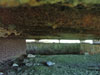
Hidden in the undergrowth are the remains of the Battle Headquarters (BHQ 11008/41), a structure not shown on the official airfield site plan. It consists of an underground bunker equipped with a 360-degree viewing cupola, three internal rooms, and a toilet.
07 February 2005
RAF Holmsley South
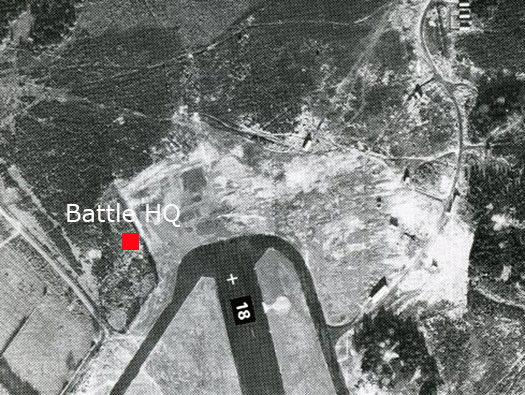
- Building Number: 103
- Description: Battle Headquarters
- Construction Type: TB
- Drawing Number: 11008/41
RAF Holmsley South
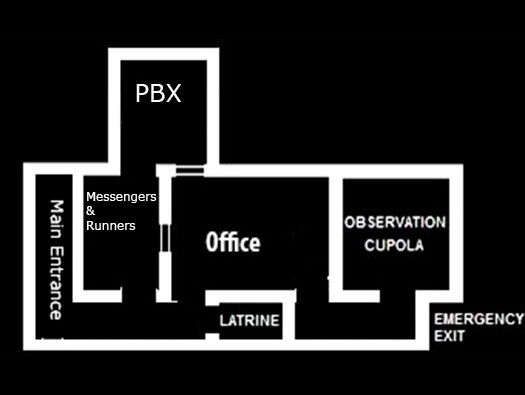
103 - BHQ - TB - 11008/41.
The reason for the BHQ was that in 1940 the RAF were concerned that a German invasion would take place and that parachutists would drop on an airfield, and then, once captured, glider-borne troops and Ju52 transports would land and take over. With the BHQ, there would be a ring of pillboxes around the perimeter all facing into the landing ground. These would be controlled and all RAF and army units on site managed by the station commander from the BHQ. He could see the whole area and had telephone communications with outlying units and the main HQ on the station. If the telephone link was broken, messenger runners would be sent out to relay orders.
Here, due to the later building in 1941/1942, the invasion threat was over and no pillboxes were built. But all airmen were still trained to shoot a Lee-Enfield rifle and were issued with them, to use in defence.

RAF Holmsley South
07 February 2005
RAF Holmsley South
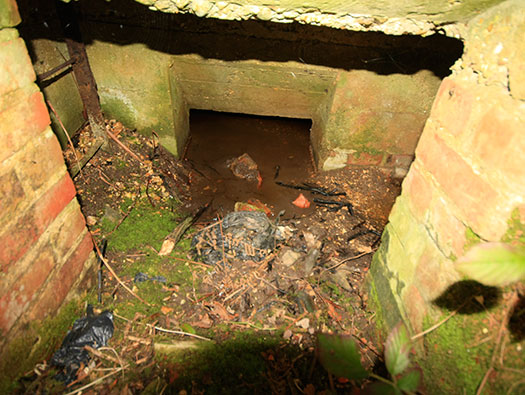
Battle HQ.
The shape of the lintel was designed to stop you from hitting your head when you descended the steps. You can see the steel ladder on the left, which served as the emergency escape hatch.
07 February 2005
RAF Holmsley South
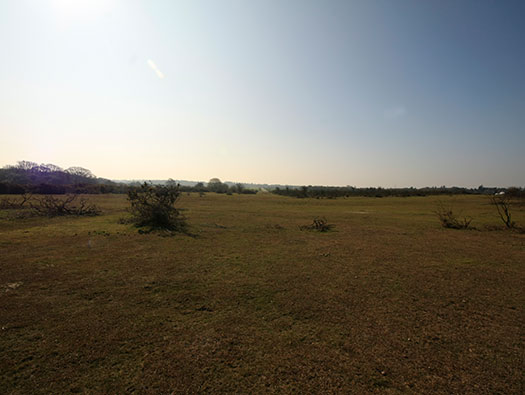
07 February 2005
RAF Holmsley South
Air28/368
RAF Holmsley South
Air28/368Air28/368
RAF Holmsley South
Air28/368
RAF Holmsley South
Air28/368
RAF Holmsley South
Air28/368
RAF Holmsley South
Air28/368
RAF Holmsley South
Air28/368
RAF Holmsley South
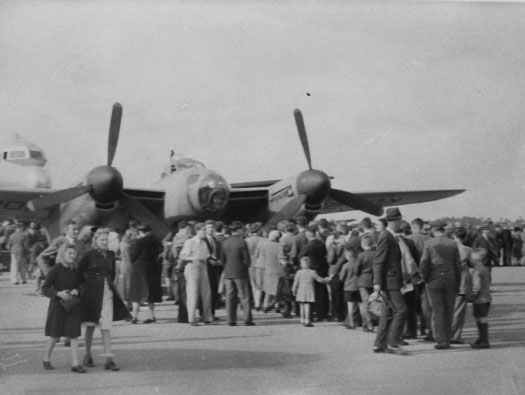
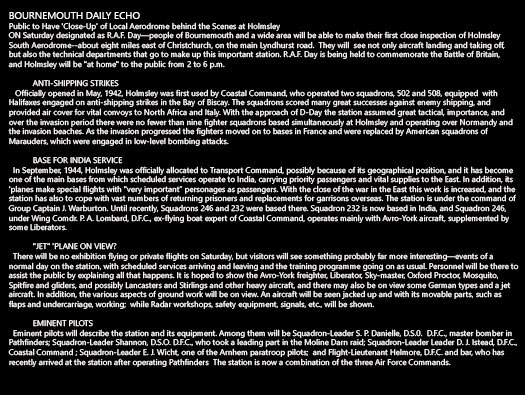
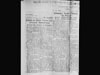
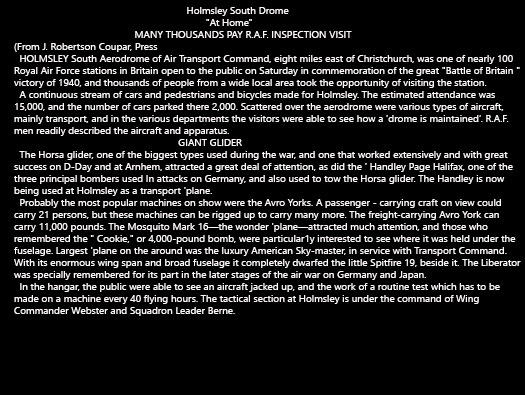
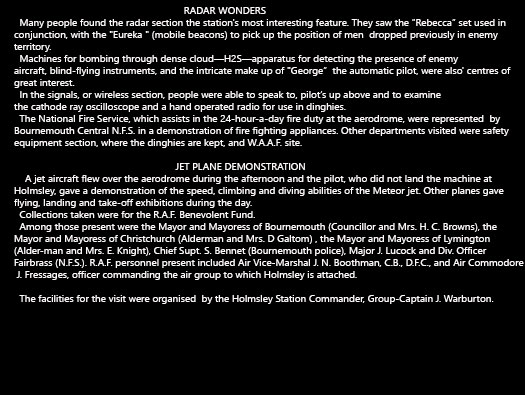
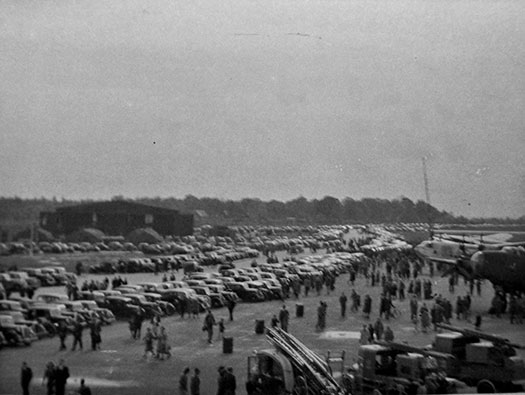
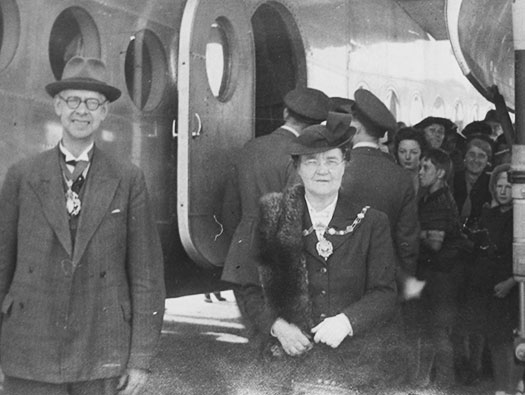
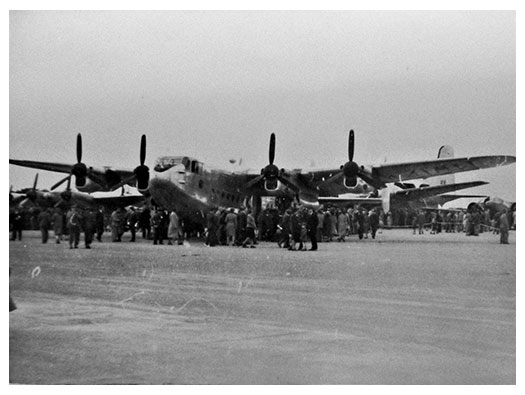
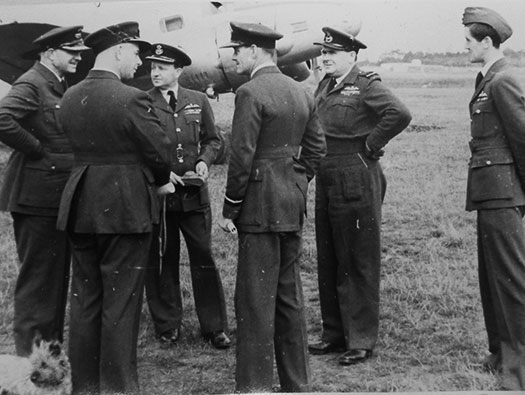
"At Home" day 14th September 1946.
Conclusion: RAF Holmsley South
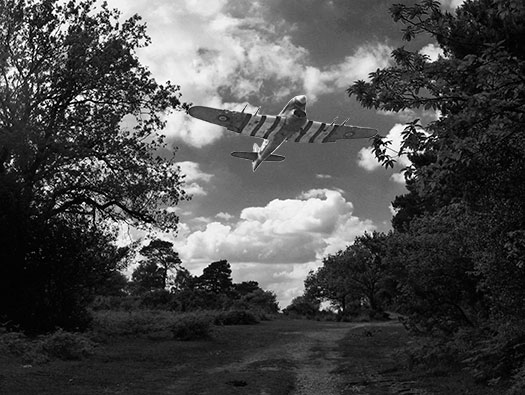
The airfield officially closed for flying operations in October 1946, marking the end of its active military service. It was subsequently returned to the Forestry Commission and passed into private ownership during the 1950s, concluding its chapter as a significant site in Britain's wartime aviation history.