StP Re104 to Re119 Kermorvan,
STP · K.V.Gruppe Saint Renan · AOK 7 Brittany · France

Le Conquet: The Setting
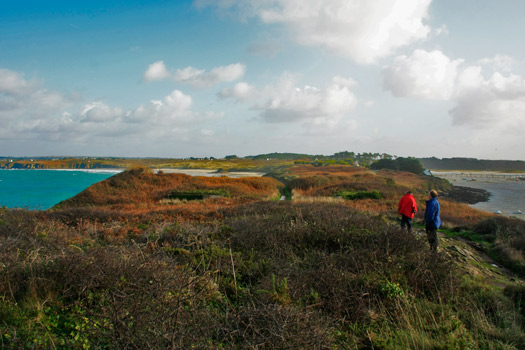
Le Conquet, a small fishing port in Western Brittany, looks out into the wild Atlantic. This coastal area was fortified during World War Two as Stützpunkt Kermorvan, a German strongpoint that encompassed a series of defensive structures, from Re104 to Re119, designed to protect the coastline.
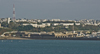
StP Kermorvan. StP Re104 to Re119.
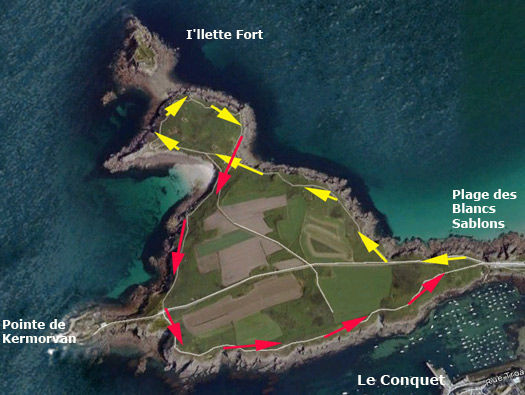
StP Kermorvan encompassed numerous strongpoints, specifically WNs Re104 to Re115, and many other defence structures such as R-bunkers, Vf58c Tobruks, and gun emplacements for Pak anti-tank guns. While many structures are hard to find or blocked off by gates to prevent entry, the site offers an interesting walk, even on a very blustery wet day. Beyond its significant role in World War Two, the area also boasts a rich history, with fortifications dating back to the 17th and 18th centuries.
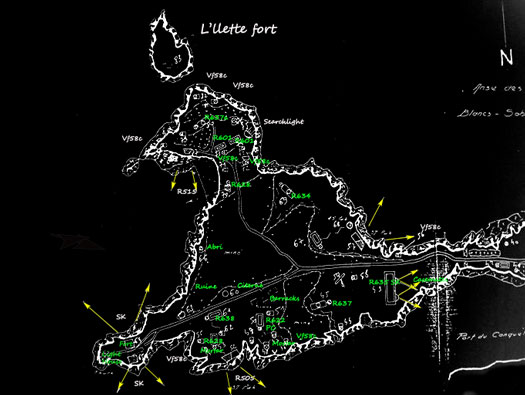
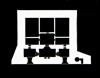
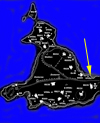
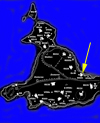
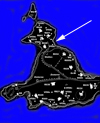
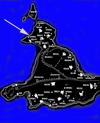
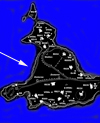
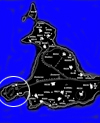
SHM plan for the site.
shm
View from the Bunkers
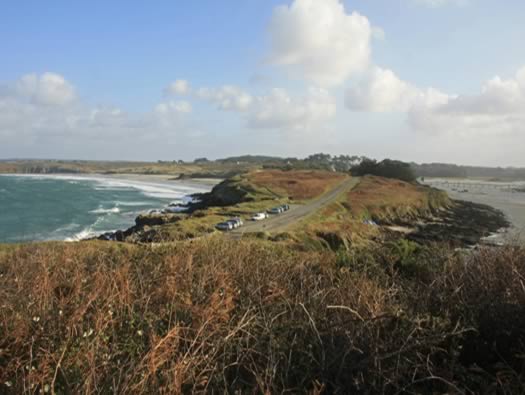
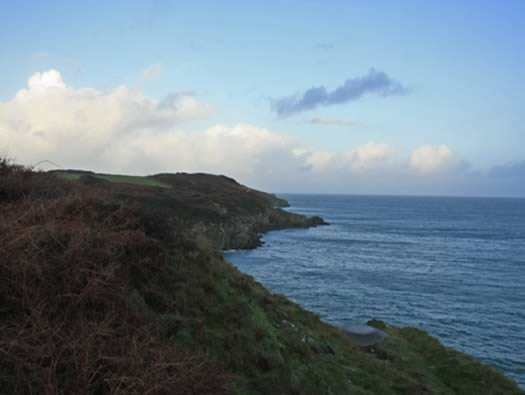
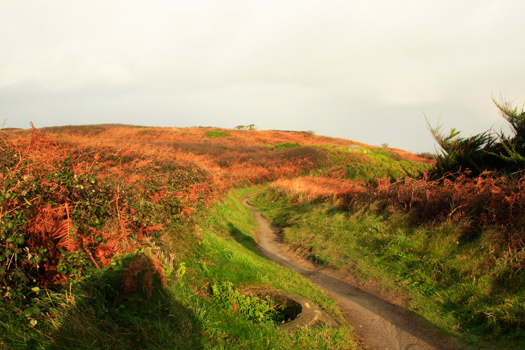
A view from the bunkers covering the entrance. The weather was atrocious (it may not look it in some pictures, but it was).
Photo Enhancement
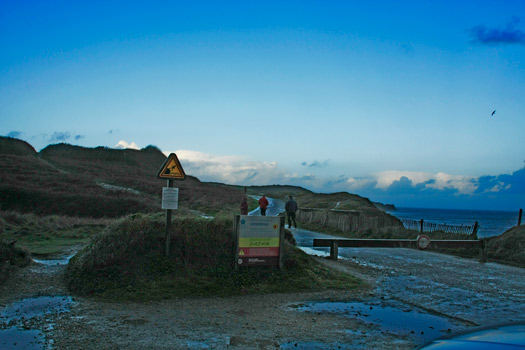
I have worked hard on this picture to brighten it up, especially considering the atrocious and blustery weather encountered on the day, which made capturing clear images challenging.
Machine-Gun Bunkers
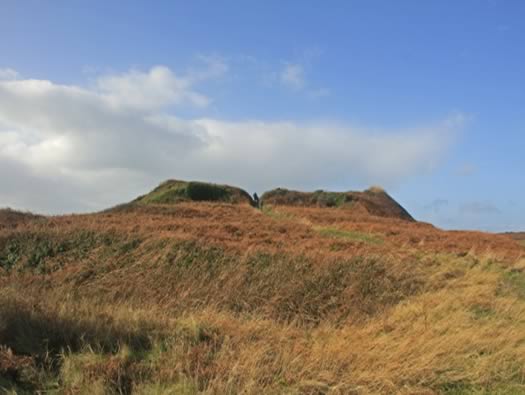
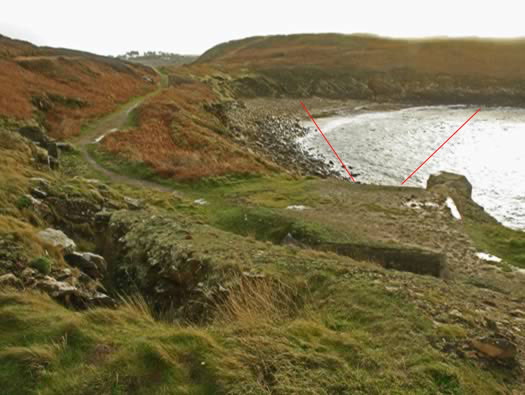
There were two machine-gun bunkers set into the hillside and covered the entrance to StP Kermorvan.
Visible Remains Today
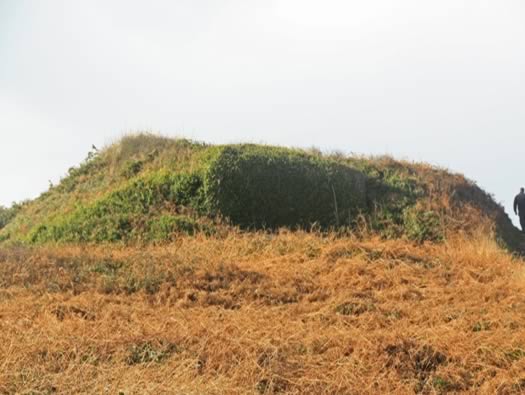
The two machine-gun bunkers, along with many other defensive structures on the StP Kermorvan site, are now largely obscured or inaccessible. Entrances to some of these structures, such as the R635 twin group bunker, are currently blocked off, making it difficult to fully appreciate their original form and extent.
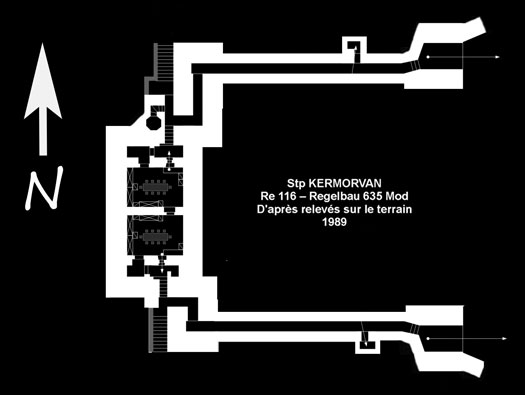
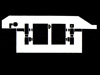
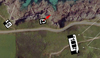
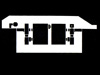
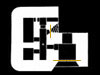
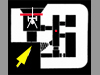
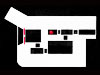
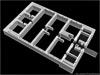
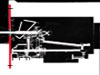
The plan of the main bunker covering the entrance n R635 plus two machine gun casemates.
adjusted plan from the original 1969
H635 Twin Group Bunker
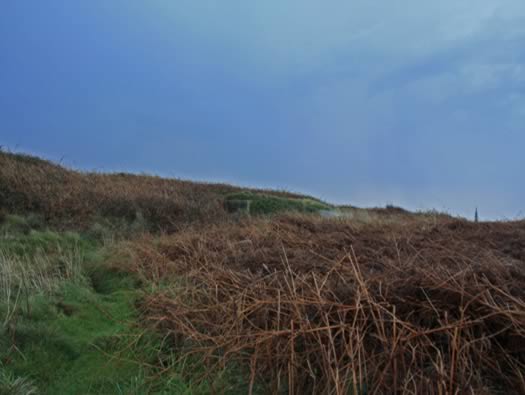
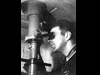
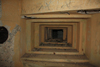
Set behind the cover of a bank and two machine gun bunkers is an H635 twin group bunker for possibly 12 men. A periscope would be able to view 360 degrees and allow the men inside a good view.
R635 Bunker Design
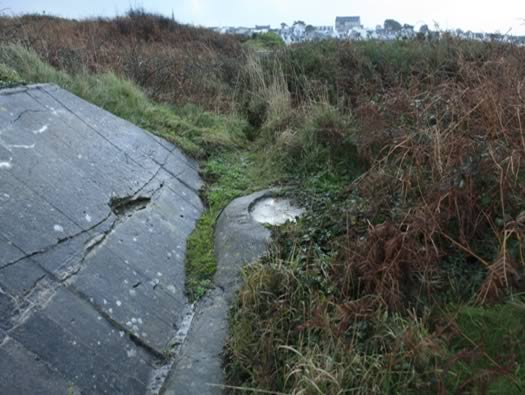
R635 bunkers had a strengthened forward apron for protection from that direction and two flanking walls covering the entrances.
Blocked Entrances
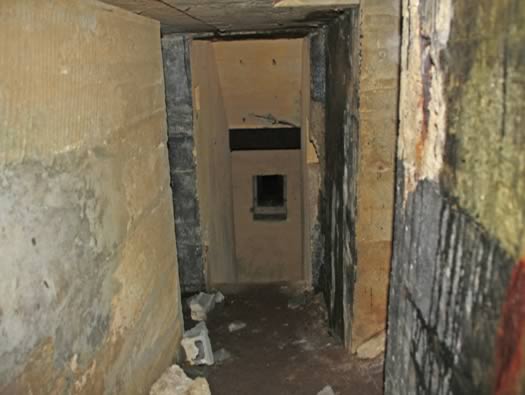
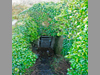
The entrances to the R635 bunkers, which were previously covered by two flanking walls for protection, are now blocked off. This is a common sight among the defence structures at StP Kermorvan, with many being made inaccessible to visitors.
Tobruk on the North Shoulder
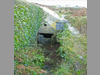
Set on the north shoulder of the peninsula, this Tobruk (Vf58c) is a very simple concrete bunker designed for one or two men, with one operating the gun and the other feeding ammunition. Multiple Vf58c Tobruks were strategically placed throughout the StP Kermorvan defensive network, often connected by trenches.
Tobruk Bunker
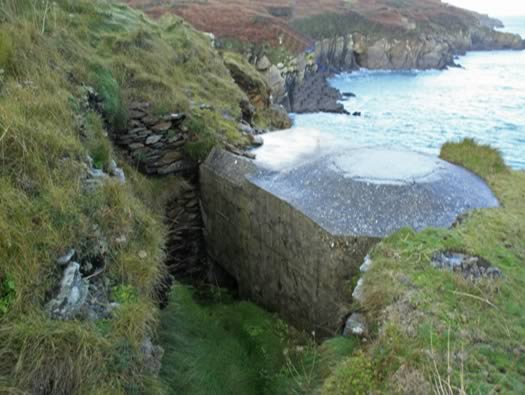
This very simple concrete bunker, identified as a Tobruk (Vf58c), is located on the north shoulder of the peninsular. It was designed to accommodate one or two men, with one operating the gun and the other feeding the ammunition.
Tobruk Position
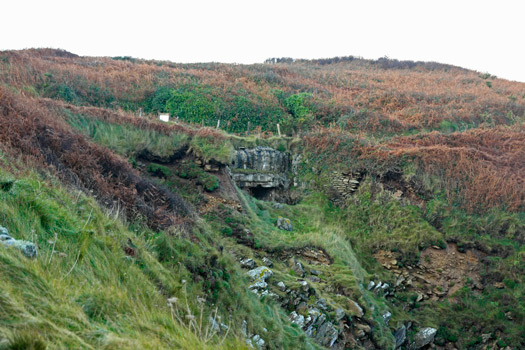
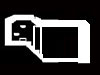
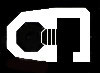
This simple concrete Tobruk bunker, designed for one or two men, is uniquely set down in the rocks with its access from the rear, likely for better protection or concealment.
StP Kermorvan. StP Re104 to Re119.
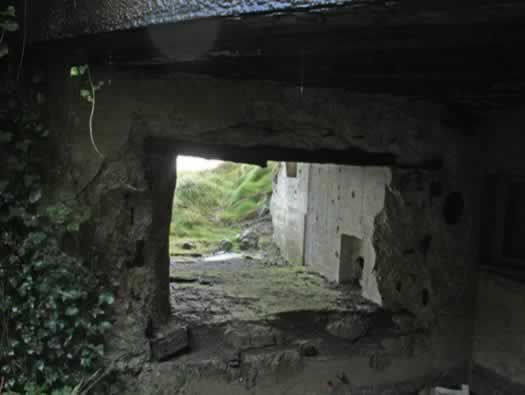
Looking from the rear of the bunker, the entrance is clearly designed to allow a 3.7cm Pak anti-tank gun to be brought into the gun room. While not a very powerful weapon, this type of gun, such as the 3.7cm Pak 35/36 found at Re104 and Re113, would have been capable of inflicting damage on a landing craft.
StP Kermorvan. StP Re104 to Re119.
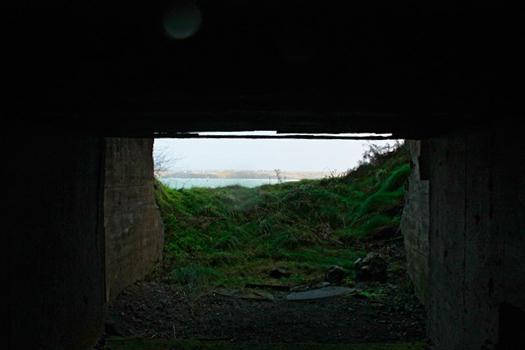
This is the gun room, a very small space designed to house a 3.7cm Pak A/T gun. Looking across the bay, this gun, though not very powerful, would have been sufficient to inflict damage on a landing craft. The gun pivoted with its wheels running either side of a semi-circle of concrete, indicating its operational setup within the confined space.
The Gun Room
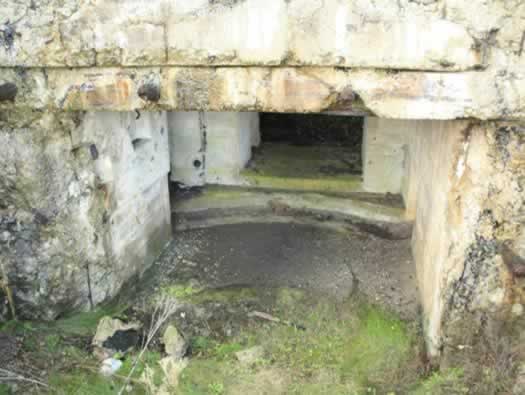
The gun room is quite small and designed to house a 3.7cm Pak A/T gun. From this position, the gun would have had a view across the bay. While not a very powerful weapon, the 3.7cm Pak A/T gun would have been sufficient to inflict damage on enemy landing craft.
Gun Effectiveness
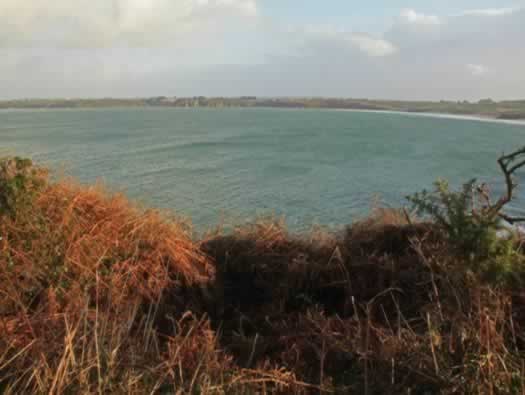
Not a very powerful gun but it would have done enough damage to a landing craft.
Trenches on the Peninsula
The StP Kermorvan site on this peninsula is crisscrossed by an extensive network of trenches. These trenches were vital components of the defence system, often leading directly into bunker entrances and connecting various positions, such as the R515 casemate and Vf58c Tobruks, creating a cohesive defensive layout across the area.
R628 Group Bunker
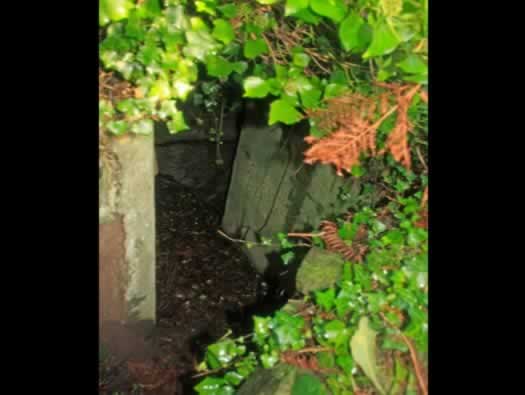
An R628, a group bunker, smaller version of an R635 like the earlier one we saw at the entrance to the peninsula.
R634 Six-Embrasured Turret
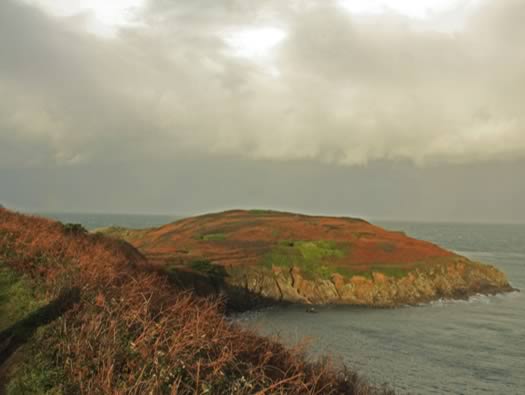
Continuing our exploration of StP Kermorvan, we noted an R634, identified as a six-embrasured turret. The site actually features two such R634 bunkers, one located at Re105 in the north-east sector and another at Re115 in the south-east.
Vf58c Tobruk Bunker
This is another example of a Vf58c Tobruk, a simple concrete bunker designed for one or two men. These defensive structures, typically machine-gun positions, are often set into the hillside with rear access and are connected to other defence features by trenches throughout the peninsula.
A Photographic Aside
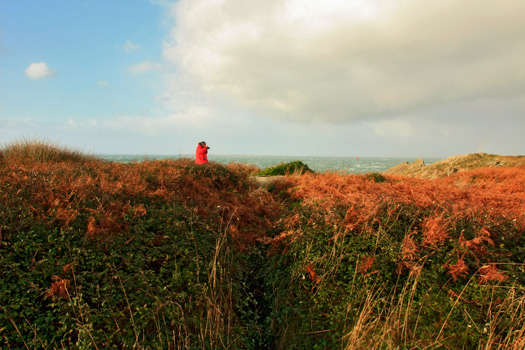
That man in the red coat was again busy photographing with his Nikon; mine is a Canon.

Trenches and Bunker Access
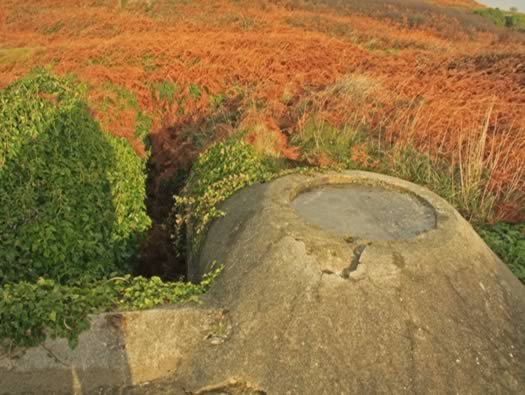
Trenches were an integral part of the defence system at StP Kermorvan, extending across the peninsula. These trenches typically led directly into bunker entrances, providing protected access and connecting various defence features across the site, as seen for structures like the R515 casemate and Vf58c Tobruks.
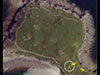
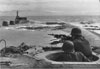
StP Kermorvan. StP Re104 to Re119.
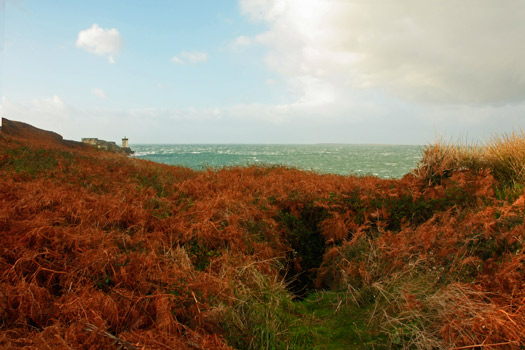
This view captures the pointe, where a pair of bunkers are situated on its neck. The pointe itself is defended by two SK casemates, housing 7.5cm K.M.97(f) guns, which are connected by a tunnel and stand alongside the historic French fort.
R628 Group Bunker
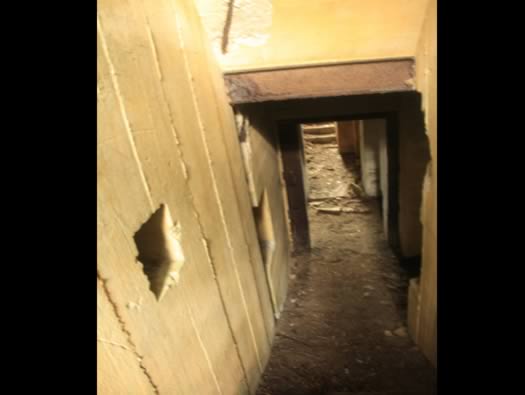
This R628 is a group bunker, a smaller version of the R635 bunker seen earlier at the entrance to the peninsular. A pair of these R628 bunkers are located on the neck of this part of the pointe.
Pair of R628 Bunkers on the Pointe
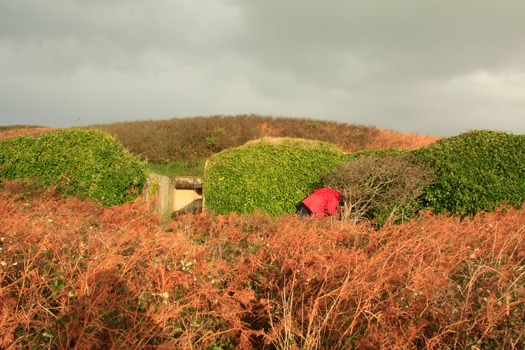
There are a pair of these R628 group bunkers located on the neck of this part of the pointe. The R628 is a smaller version of an R635 group bunker, similar to the one previously encountered at the entrance to the peninsular.
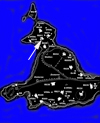
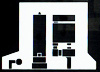
R628 Bunker Protection Plates
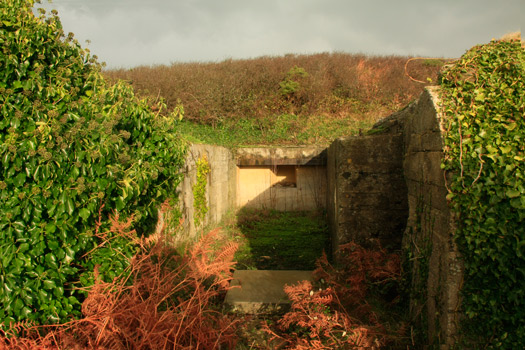
Three heavy '7P7' 10cm steel plates would have been bolted on to the top of these R628 group bunkers, providing essential protection for the machine gun and its crew. These specific R628 bunkers, found in pairs on the neck of the pointe, were designed to defend against potential threats to the site.
Gun Emplacement Details
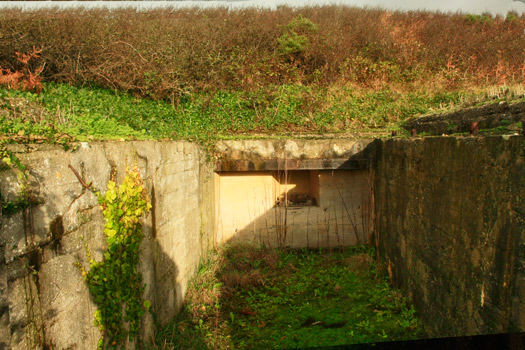
The recess in the far wall was specifically designed to accommodate the barrel of the gun, allowing it to fit securely within the gun room. This gun, perhaps a 3.7cm Pak A/T gun as found in other bunkers, or a French 7.5cm Pak anti-tank gun, would have had heavy '7P7' 10cm steel plates bolted to the bunker's top for protection of both the gun and its crew. Its design allowed it to pivot, with wheels running either side of the semi circle of concrete for aiming.

StP Kermorvan. StP Re104 to Re119.
These old houses look like very old dwellings, possibly fisherman's cottages.
Old Dwellings
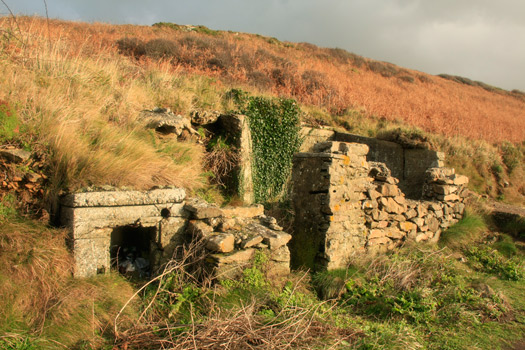
These structures appear to be very old dwellings, possibly fisherman's cottages. They highlight the area's longer history, a theme also observed elsewhere on the peninsula with references to 17th and 18th-century presence, indicating much existed before the World War Two fortifications.
R515 Machine Gun Casemate
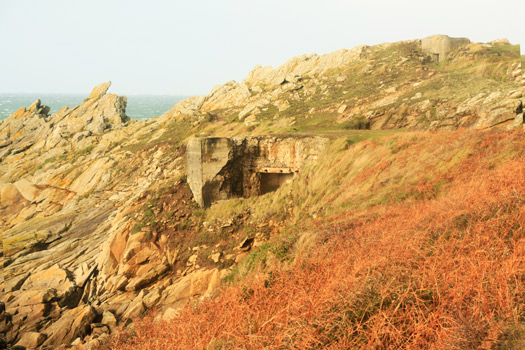
R515 machine gun casemate is quite a large bunker and only holds a machine gun.
R515 Casemate
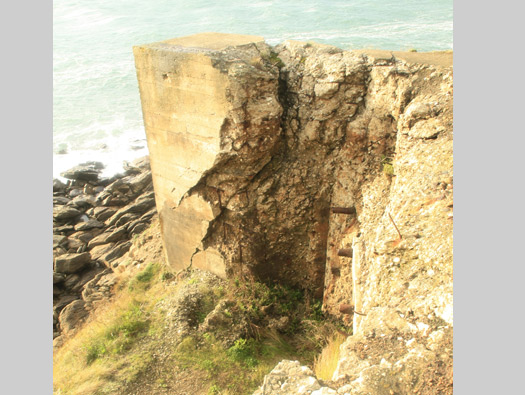
The R515 machine gun casemate, which is quite a large bunker, shows the bolts still sticking out of the concrete. These bolts were used to hold a substantial steel plate, providing additional protection for the structure.
Trench to R515 Casemate Rear Entrance
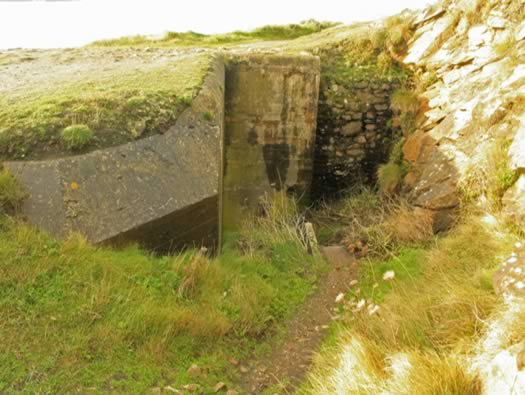
A trench would have led into the rear door of the R515 machine gun casemate, connecting it to other vital defence features across the peninsula's extensive trench system.
Rear Entrance Details
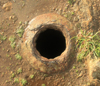
Rear entrance, the three square holes are for the rear door fitting and the P shape is where the aerial would have fitted.
Inside the R515 Casemate
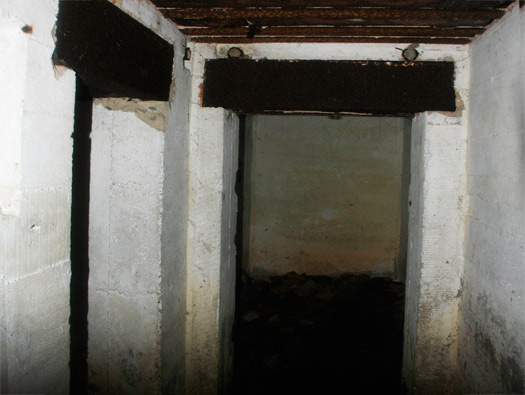
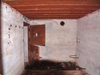
Looking inside the R515 machine gun casemate, one can observe its surprisingly large interior, designed to accommodate a single machine gun. The internal structure still shows the bolts in the concrete that once secured a large steel plate. The rear door fitting with its three square holes and the P-shaped aerial slot are also visible from within.
Rear Access: R515 Casemate and Vf58c Tobruk
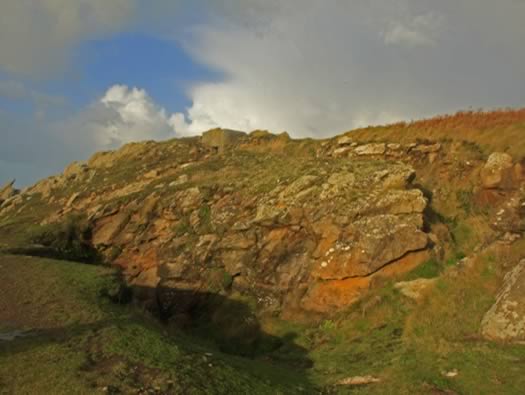
Here, we observe the rear access points for both the R515 machine gun casemate and a Vf58c Tobruk, which are positioned on the hill. The R515 is a notably large bunker, originally intended to house a machine gun, and still shows the bolts in its concrete that once secured a substantial steel plate. A network of trenches would have guided personnel to the rear door of the R515, linking it with other defensive positions. Similarly, the Vf58c Tobruk, a more compact concrete bunker designed for one or two men, was also reached via trenches from the rear. Imagining soldiers undertaking a 12-hour guard duty in such a Tobruk highlights the challenging conditions they faced, particularly on a day as cold and blustery as this one was.
A Tobruk Guard Duty
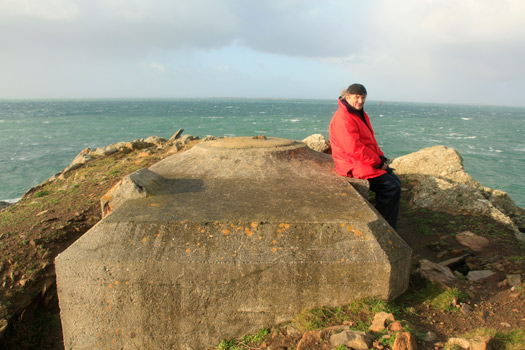
Imagine being a soldier ordered to do a 12-hour guard duty in a Vf58c Tobruk, a very simple concrete bunker designed for one or two men, with one on the gun and the other feeding ammunition. On this particular day, the wind was very cold and strong, making the conditions even more challenging.
Trench System and R515 Casemate
There are trenches all over this peninsular, and a trench system would have led directly into the rear door of the R515 machine gun casemate, connecting it to other defence features. The R515 itself is quite a large bunker, designed to hold a machine gun, and still shows the bolts sticking out of the concrete that once held a large steel plate. Rear access to the R515 is also found near a Vf58c Tobruk on the hill.
StP Kermorvan. StP Re104 to Re119.
StP Kermorvan. StP Re104 to Re119.
StP Kermorvan. StP Re104 to Re119.
Island Fortifications and Machine-Gun Position
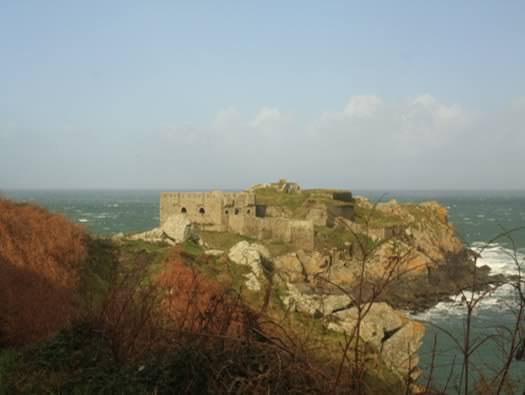
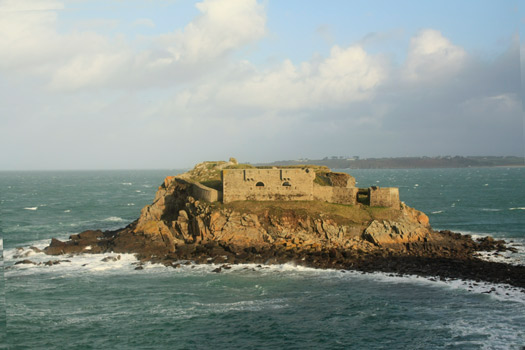
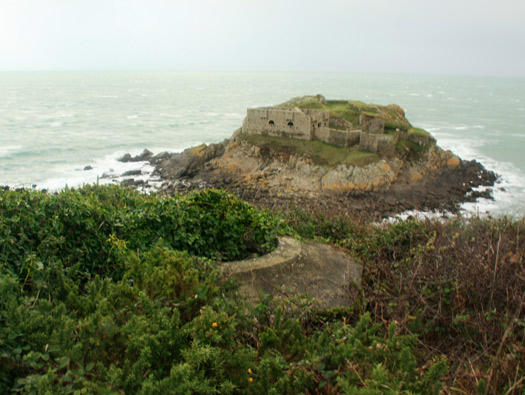
There was a machine-gun position on the island, firing to the right as we look at it. This island features historical structures from the 17th and 18th centuries, likely including a French fort, which we unfortunately did not manage to visit.
View to Plage des Blancs Sablon
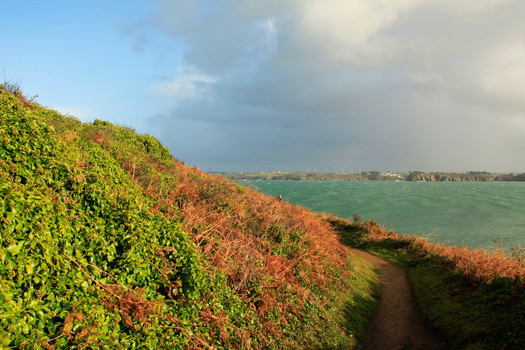
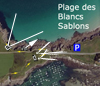
View across to the Plage des Blancs Sablon which has its own sets of bunkers both ends of the beach and two French forts.
7.5cm Anti-Tank Gun Position
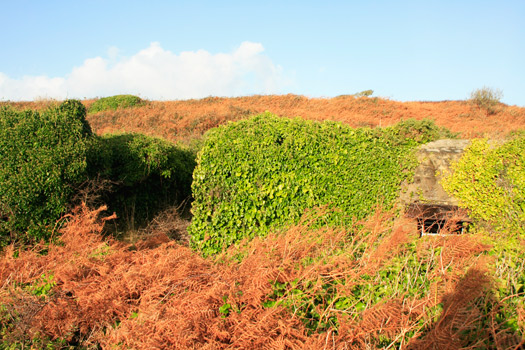
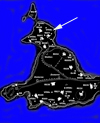
This position served as home for a French 7.5cm Pak anti-tank gun. Such guns were typically housed within R601 bunkers or Sonderkonstruktion (SK) casemates, providing protection for the weapon and its crew.

R601 Bunkers and Tobruk Variations
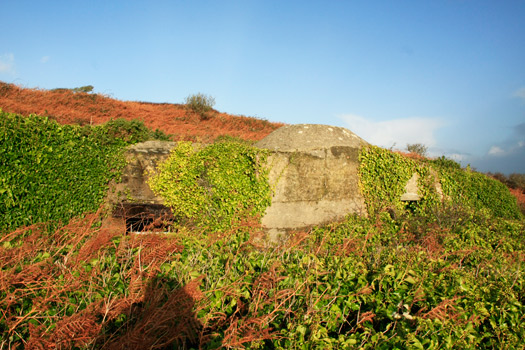
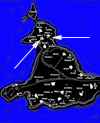
On one of the R601 bunkers, which housed a French 7.5cm Pak anti-tank gun, the associated Tobruk is positioned to the right. A similar R601 at the site (Re107) features its Tobruk on the left, highlighting a difference in their defensive arrangements.
StP Kermorvan. StP Re104 to Re119.
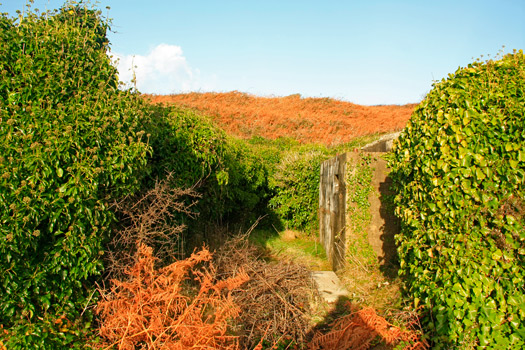
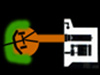
This is the gun garage, also referred to as a gun room, which was designed to house a 3.7cm Pak A/T gun. Though a very small room, the gun would have been positioned to look across the bay. While not a powerful weapon, it would have been effective enough to inflict damage on landing craft.
StP Kermorvan. StP Re104 to Re119.
The Island Machine-Gun Position
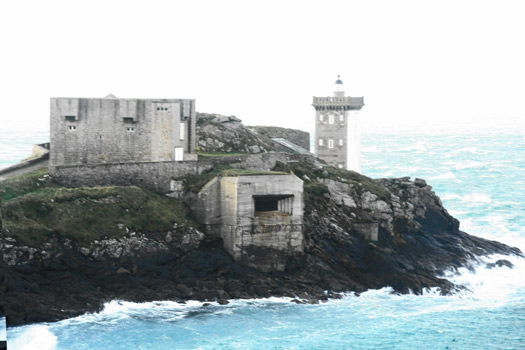
There was a machine-gun position on the nearby island, which we had hoped to explore, but unfortunately we did not get the chance to go out there.

Defenses of the Pointe
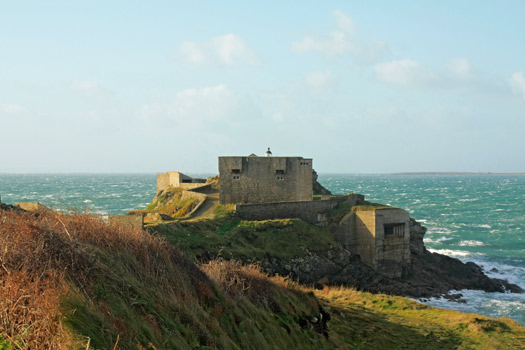
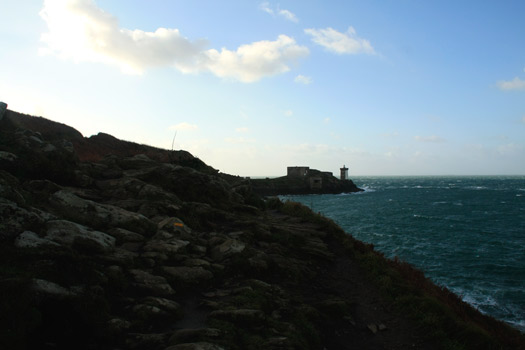
It looks heavily defended, but there are only two SK casemates for 7.5cm K.M.97(f) guns on the Pointe, and they are joined by a tunnel and, of course, the French fort.
"SK" bunker = (Sonderkonstruktion) Special construction.
SK Casemate Entrance
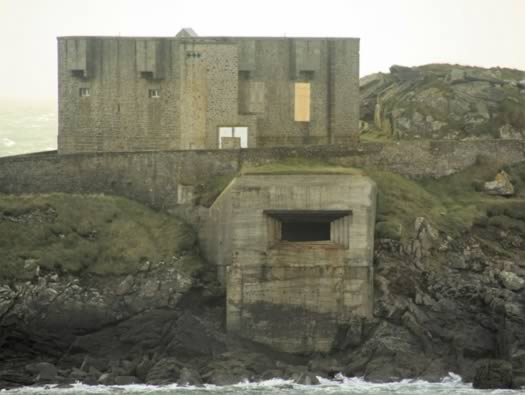
This block offers a good view into the mouth of this bunker, which is one of the two SK casemates located on the Pointe. These casemates housed 7.5cm K. M.97 (f) guns and were connected by a tunnel, forming part of the robust defenses of StP Kermorvan.
Lighthouse Observation
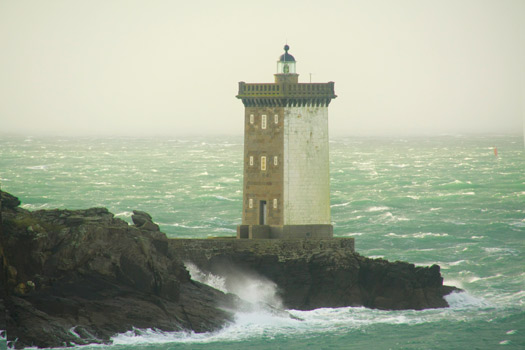
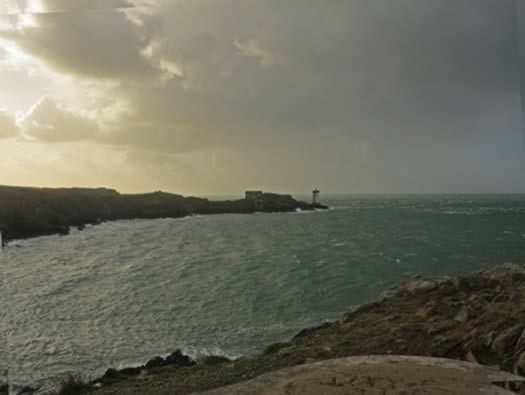
I believe the French coast has the most lighthouses of any other country.
StP Kermorvan. StP Re104 to Re119.
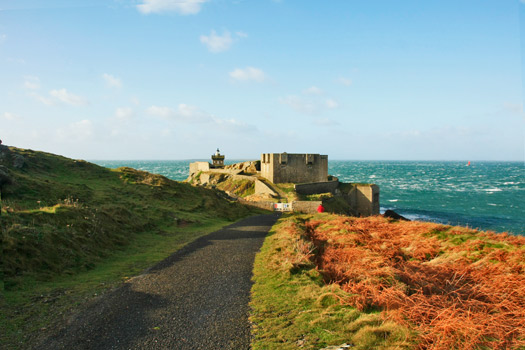
StP Kermorvan. StP Re104 to Re119. f6d
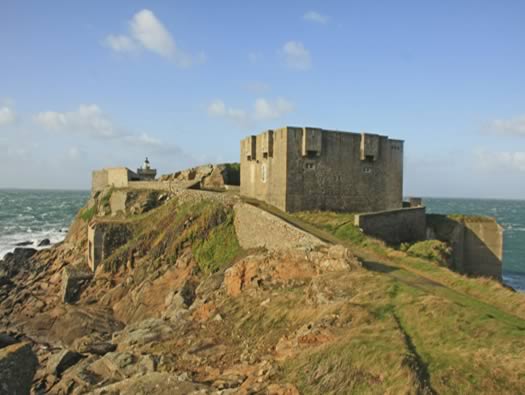
Tunnel Connecting Casemates
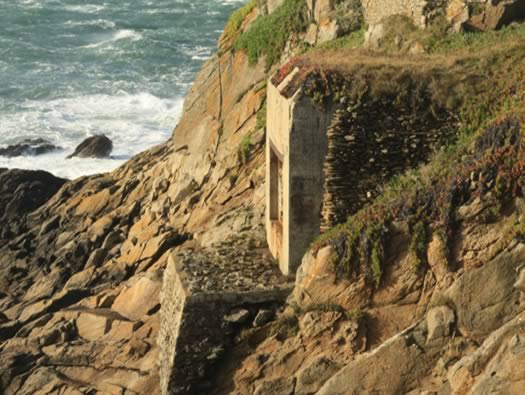
A tunnel connects the two SK casemates on the Pointe, which housed 7.5cm K. M.97 (f) guns.
Weather and Sea Conditions
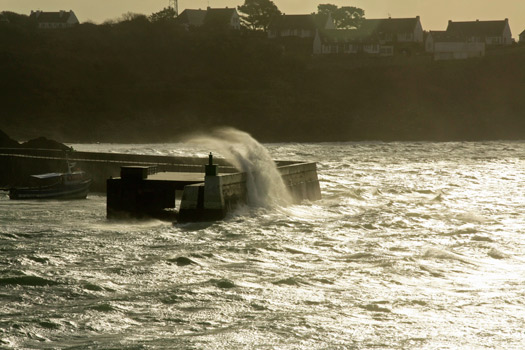
The weather during our visit to StP Kermorvan was genuinely appalling and atrocious, marked by a very blustery, wet, and strong wind. Despite these severe conditions, I had hoped for more spectacular waves, but they ultimately proved to be less dramatic than anticipated.
A Familiar Sight
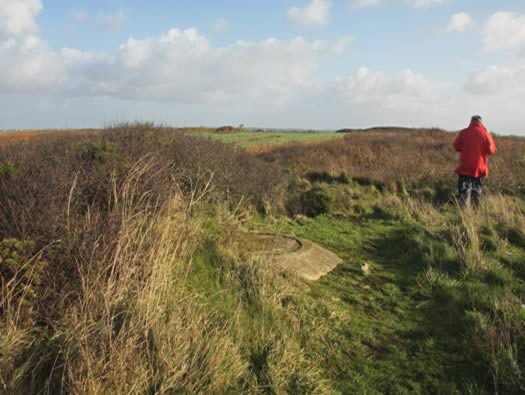
Ah that red coat again.
Trench Access to Vf58c Tobruk
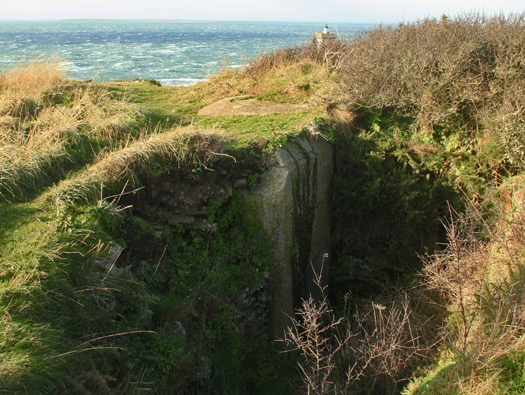
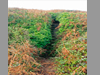
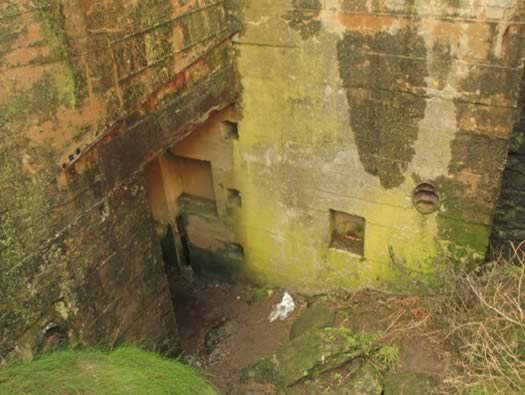
From this vantage point, we are looking down into one of the numerous trenches that crisscross this peninsular. This particular trench leads to the rear entry of a Vf58c Tobruk, a simple concrete bunker typically designed for one or two men. Trenches like this were essential for providing protected access to these defence structures.
Additional Details
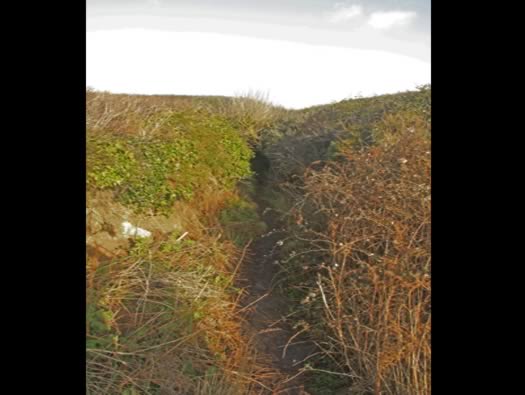
Some additional details will go here
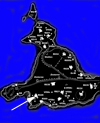
StP Kermorvan. StP Re104 to Re119.
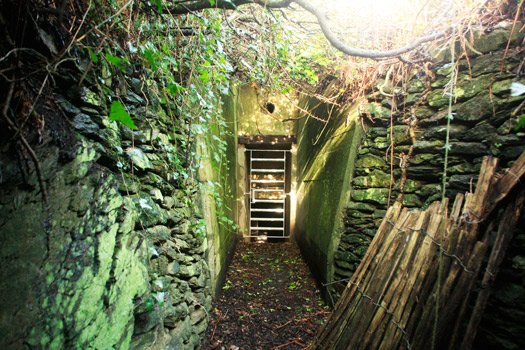
Some additional details will go here
Aerial Slot Detail
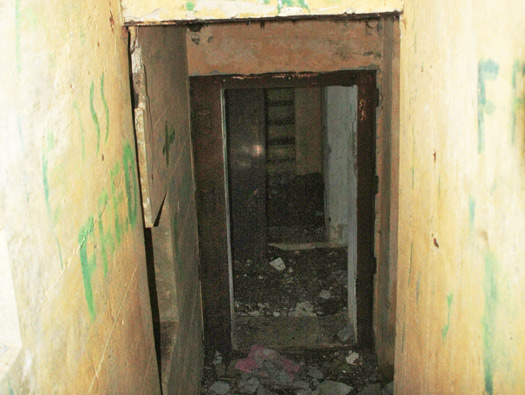
As observed from within the passage, an aerial slot is visible on the left side, designed to accommodate the antenna for communications. This feature is particularly noticeable within structures like the R515 machine gun casemate, where a distinctive P-shaped recess was typically used for such fittings at the rear entrance.
Inside the Defence Tobruk
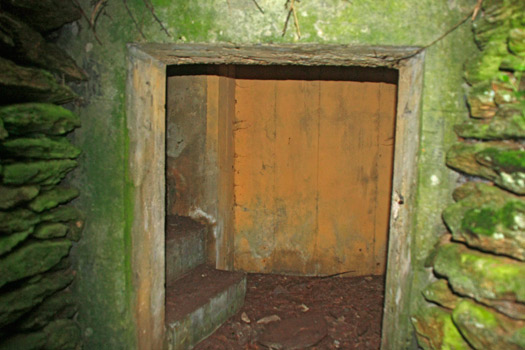
Looking into this defence Tobruk, it's easy to imagine a soldier enduring a 12-hour guard duty in such a simple concrete bunker designed for one or two men, one operating the gun and the other supplying ammunition, especially considering the very cold and strong winds we experienced.
Overlooking Le Conquet Harbour
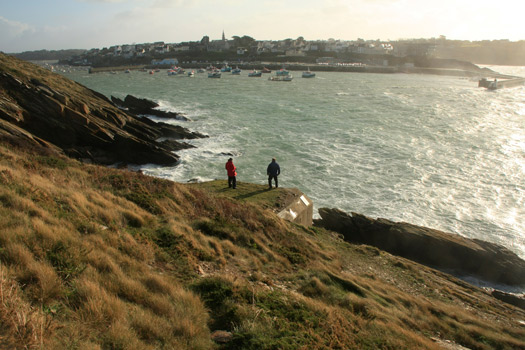
From this vantage point, there's a clear view across to Le Conquet, a small fishing port in Western Brittany that looks out into the wild Atlantic. This particular observation is made from above the R504, which would have been an integral part of the StP Kermorvan defences.
StP Kermorvan. StP Re104 to Re119.
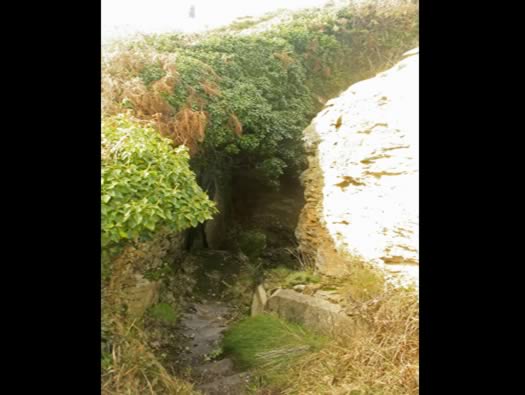
Consistent with many other defence structures at StP Kermorvan, the rear entrance is now blocked off to prevent entry.

Missing Steel Plate
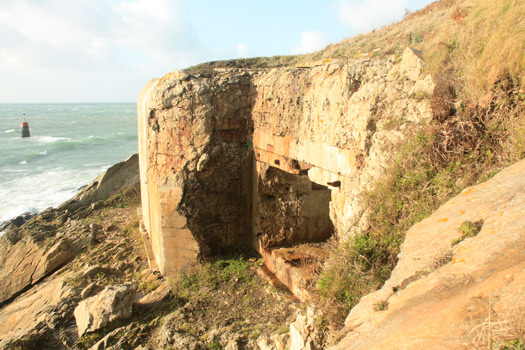
It is a recurring observation that steel plates are missing from the bunkers at StP Kermorvan. These plates, which were crucial for the protection of the gun and its crew, included large steel plates for casemates like the R515 (as seen with the bolts still protruding from the concrete), and three heavy '7P7' 10cm steel plates designed for group bunkers such as the R628.
Gun Pivot Mechanism
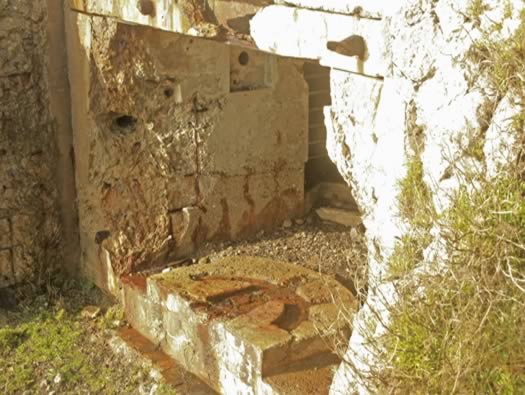
You can see here where the gun pivoted with the wheels running either side of the semi circle of concrete.
StP Kermorvan. StP Re104 to Re119.