Underground Hospital & Ammunition Store
Gruppe Guernsey · Kanalinseln (Channel Islands) · France

Underground Hospital, Guernsey
Channel Island of Guernsey
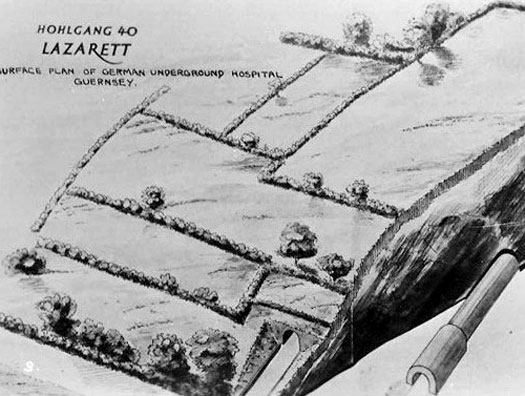
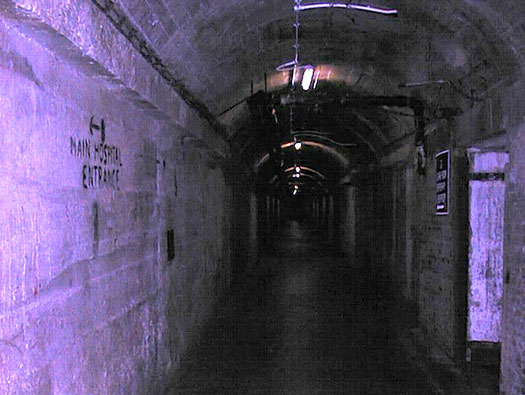
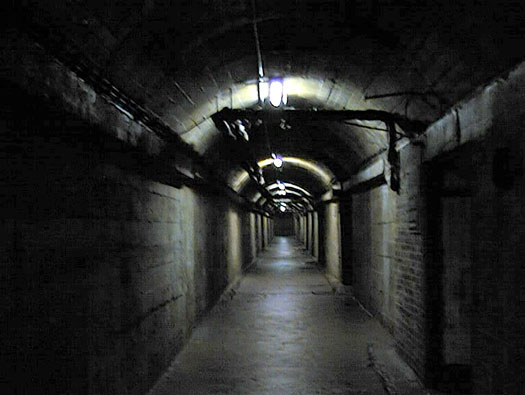
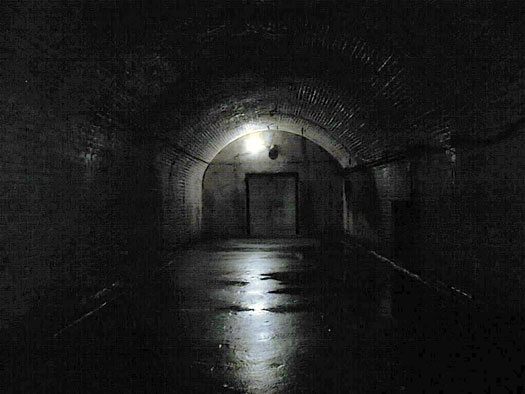
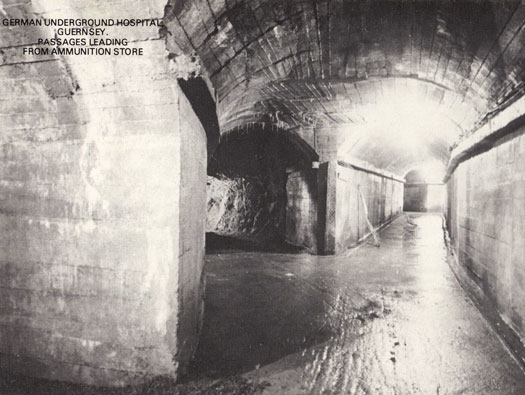
The Hospital is laid out from the two main corridors which run parallel to each other. Connected to both are the wards, operating theatre, X-ray room, laboratory, dispensary, staff quarters. Off one corridor are store rooms, cinema and mortuary. At the end of a corridor are the machinery of the central heating and the kitchens. The kitchen are near a ventilation shaft to allow the smell to escape the compound. Other parts are for ammunition storage. One corridor and entrance were not concreted and that entrance has fallen in since 1950.
Underground Hospital, Guernsey
Underground Hospital, Guernsey
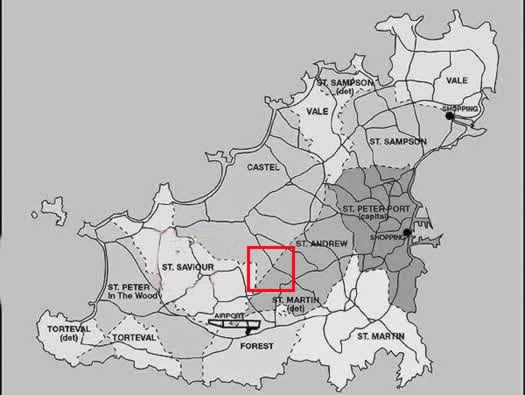
Guernsey
Situated in the centre of the island, cut into the side of a small valley.
I visited Guernsey in 2000 and as usual I did not take enough pictures and so please forgive me for any errors from a bad memory also the camera was a very early digital with a small memory and low battery life.
22 October 2000
Underground Hospital, Guernsey
The entrances.
Post card
Underground Hospital, Guernsey
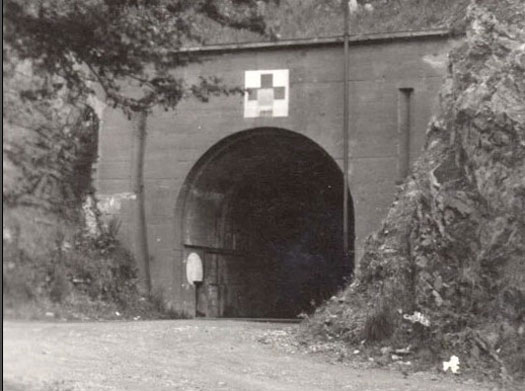
The hospital entrance.
Post card

Underground Hospital, Guernsey
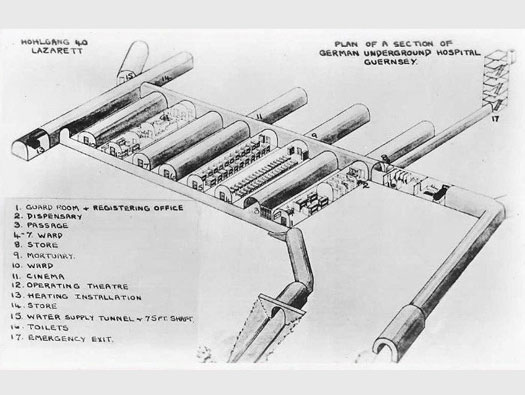
Hospital plan.
Post card
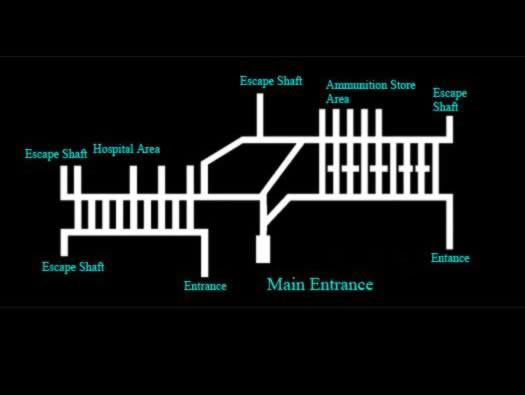
The left side was the hospital and the right side the ammunition storage.
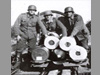
Although the ammunition was placed here, they must have had trouble with damp and condensation keeping the ammunition dry and rust free.
Plan.
Underground Hospital, Guernsey
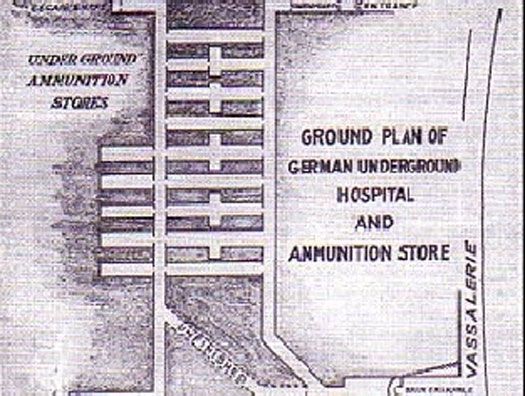
More plans.
Post card
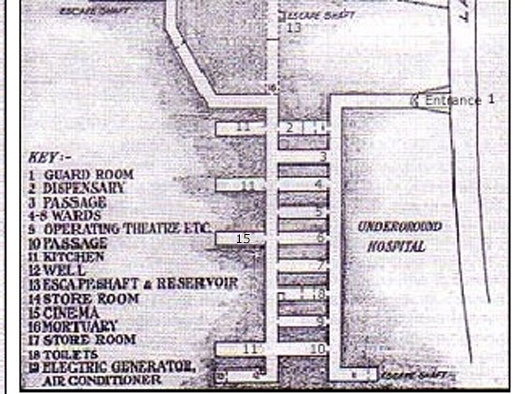
Underground Hospital, Guernsey
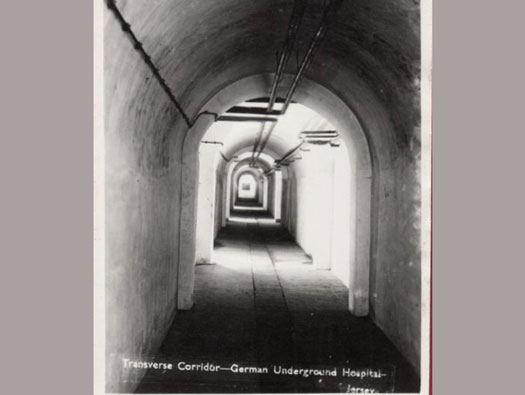
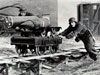
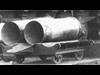
Note the railway line running through the middle, a narrow gauge and they would have been pushed by man power. It does not show up on my photos.
Post card
Underground Hospital, Guernsey
Tunnels
Inside the main entrance.
Work started just after the Germans captured the island in 1940, they imagined Churchill's army would try its hardest to liberate the Islands as early as possible. Churchill would have liked to have tried to bring the Channel Islands back under the fold of the then Free World. The British Government rightly decided that, in fighting for the islands, more civilians would have died from any fighting and was not worth the sacrifice.
22 October 2000
Underground Hospital, Guernsey
22 October 2000
Underground Hospital, Guernsey
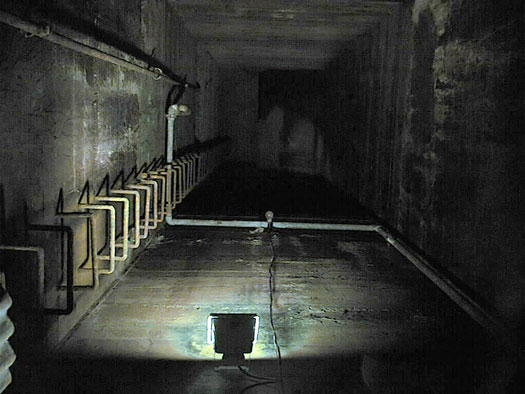
Escape shaft
Looking up one of the escape shafts.
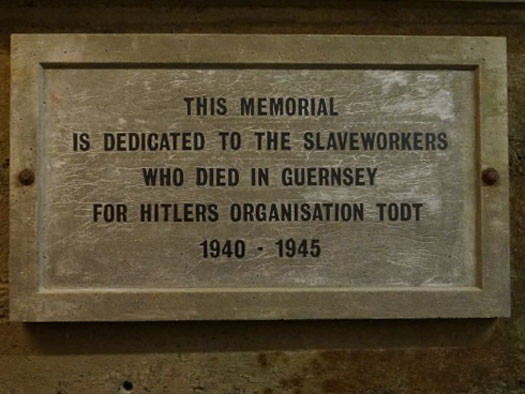
To dig the tunnels the workers had to use not only explosives and pneumatic drills but picks, shovels, sledge hammers and bare hands.
It took three and a half years of work before it was ready.
22 October 2000
Underground Hospital, Guernsey
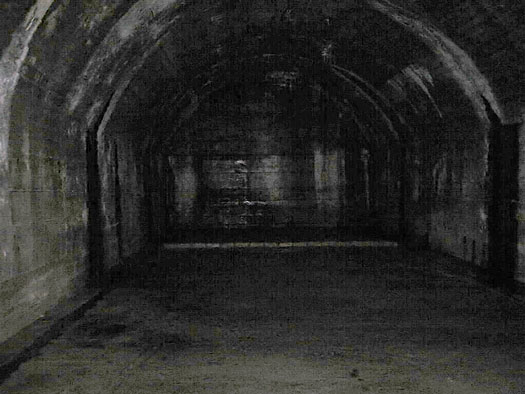
One of the side rooms
Built in two parts, the right hand section was in use as an ammunition store. Every room was packed with ammunition and covered by tarpaulins to keep it dry. Although similar in design this is larger than the hospital section.
22 October 2000
Underground Hospital, Guernsey
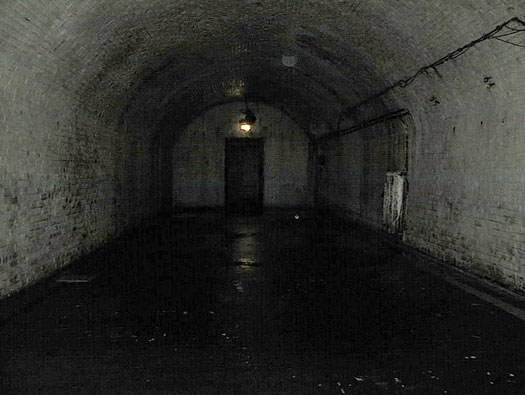
Side room
Ammunition room.
22 October 2000
Underground Hospital, Guernsey
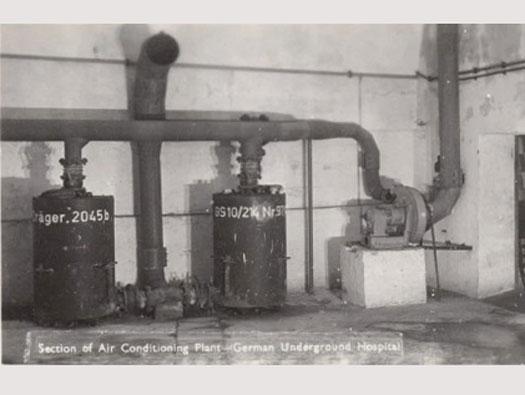
It states 'Air conditioning'. I think it was more gas filtration and air circulation.
Post card
Underground Hospital, Guernsey
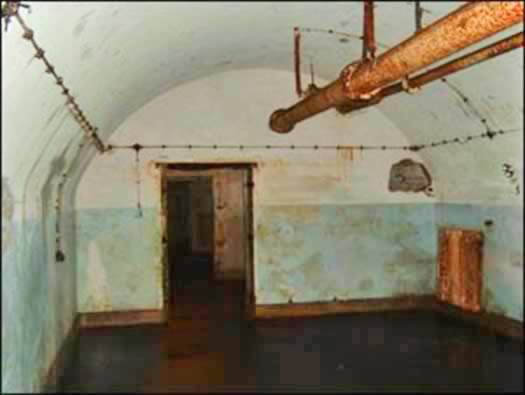
Side room
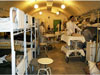
This looks more like a hospital ward.
22 October 2000
Underground Hospital, Guernsey
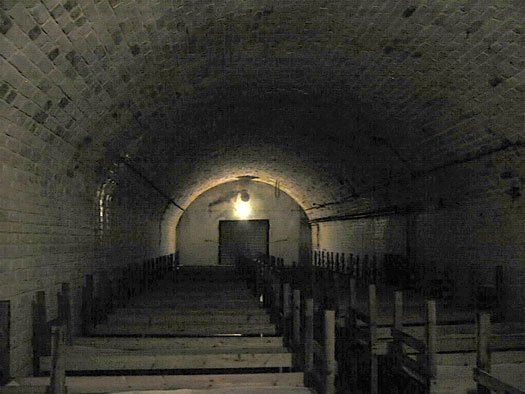
Hospital ward
The hospital was equipped with an operating theatre, kitchen, cinema, staff quarters and wards. It was only used for three months when all the wards were occupied by German soldiers wounded in the D-Day Normandy battles. They were brought to the islands mainly by ship from Cherbourg. After a few weeks underground they were not really healing well and most were as white as a sheet, having seen no sunlight in all that time. After the Liberation of most of France and with no signs of a the Channel Islands being liberated, the casualties were transferred to above ground accommodation.
22 October 2000

Underground Hospital, Guernsey
Hospital Ward
So not the most efficient hospital but an incredible feat of engineering.
22 October 2000
Underground Hospital, Guernsey
Post card
Underground Hospital, Guernsey
22 October 2000