Wn224 Fort de Nacqueville
WN · K.V.U.Gruppe Cherbourg See · AOK 7 Normandy · France

Wn224 Fort de Nacqueville
Fort de Nacqueville, Le Bas de Rue Du Nez
(The Bottom of Street Of the Nose: a Babel Fish translation), situated about 10ks west of Cherbourg centre, this French fort was built to protect the western side of the naval dockyard from attack. Possibly built around the 1890's and then re-fortified by the Germans and incorporated into the Atlantikwall.
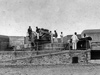
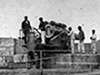
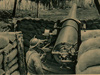
Wn224 Fort de Nacqueville
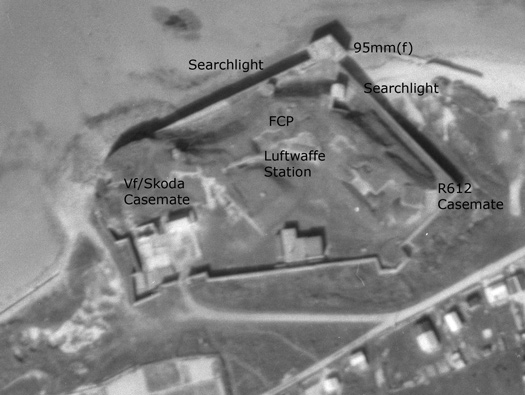
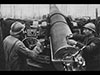
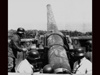
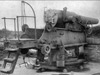
240mm M1903 French coastal guns captured in 1940.
1 x French fire control post.
1 x R612.
1 x Vf/Skoda.
1 x MG Stand.
2 x Flak.
1 x 7.5cm F.K.
1 x 4.7cm Pak36(t).
ignf
Wn224 Fort de Nacqueville
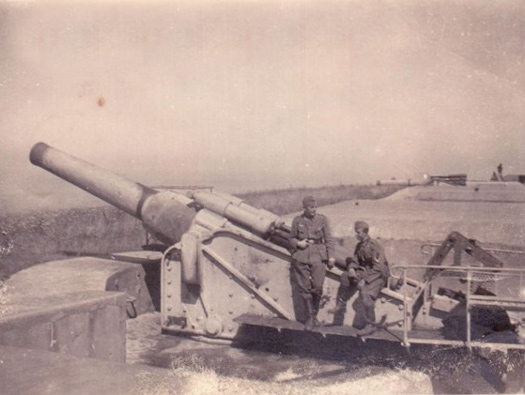
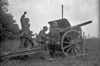
240mm M1903 French coastal guns.
The Canon de 240 TR Mle 1903 sur affût-truck Mle 1914 was designed by Canet and manufactured by Schneider. It started life as a coastal defense gun called the Canon de 240 TR Mle 1884-1903 sur affût G Mle 1903. It was a typical built-up gun of the period made from steel with a rifled inner tube and reinforced by layers of external tubes. (Wiki)
ebay
Wn224 Fort de Nacqueville
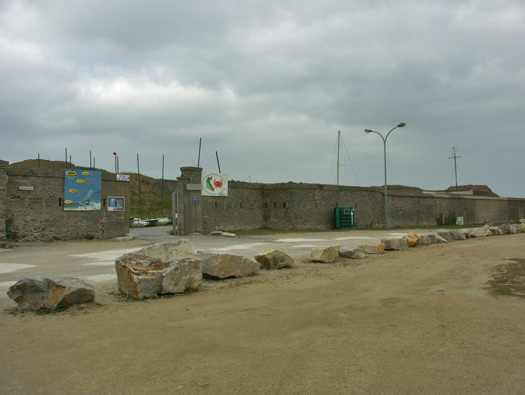
The forts landward side wall and main gate.
17 March 2006
Wn224 Fort de Nacqueville
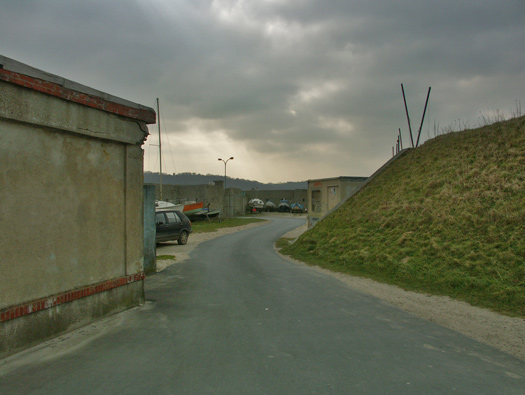
Looking back at the gate from inside with French buildings and large mounds of earth for the storage of ammunition.
17 March 2006
Wn224 Fort de Nacqueville
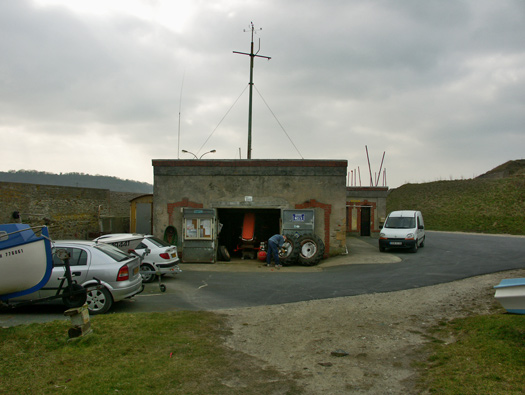
The forts office where the commander would work from.
17 March 2006
Wn224 Fort de Nacqueville
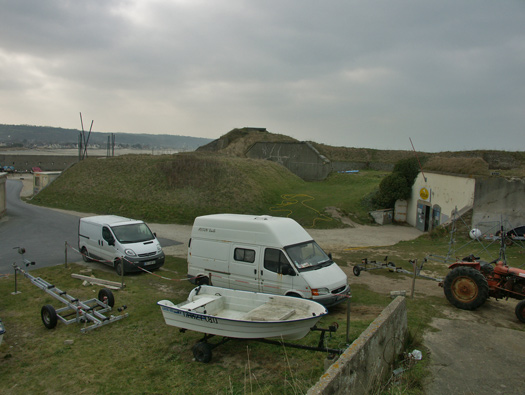
Looking down at western side of the fort.
17 March 2006
Wn224 Fort de Nacqueville
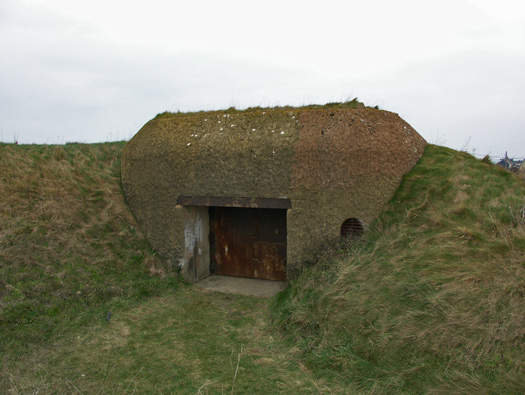
R612 casemate.
Set into the old earthen banks is an R612.
17 March 2006
Wn224 Fort de Nacqueville
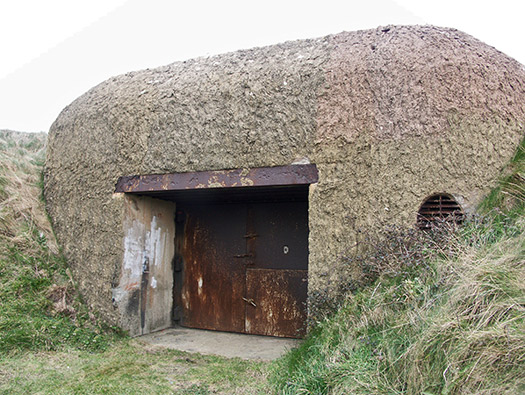
R612 casemate.
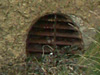
A closer look at the back, still with its doors intact and a large air vent on the right side to extract the gases from the casemate when the gun is fired. Also its cement camouflage added all over.
17 March 2006
Wn224 Fort de Nacqueville
R612 casemate.
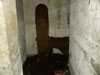
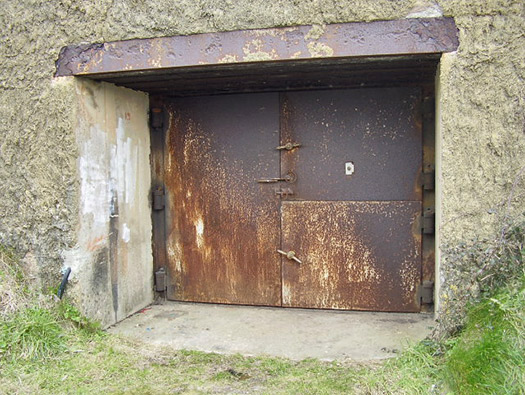
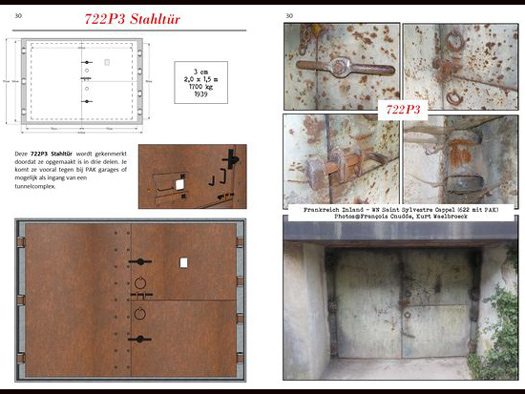
722P3 Door.
The doors came in three pieces. One large door on the left, two half doors on the right. If the area behind the bunker has been hit and rubble and earth has built up behind the door. The left and bottom right door will not open, but the top right can. Thus allowing escape. Also note the small square hole in the r/h top door, an eye hole to look out and even poke a rifle through.
17 March 2006
Plan Kurt
Wn224 Fort de Nacqueville
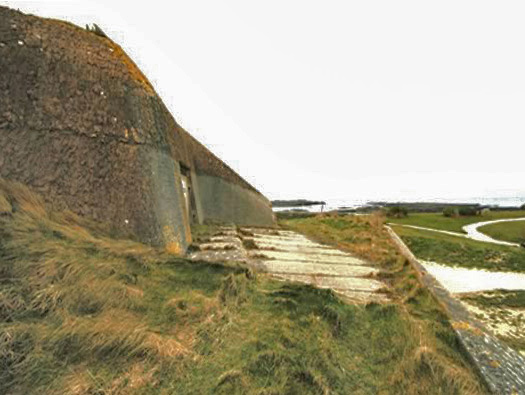
R612 casemate.
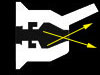
The bunker covers the eastern approaches to the beach area and a flanking wall on its left to protect it from direct fire from the sea.
17 March 2006
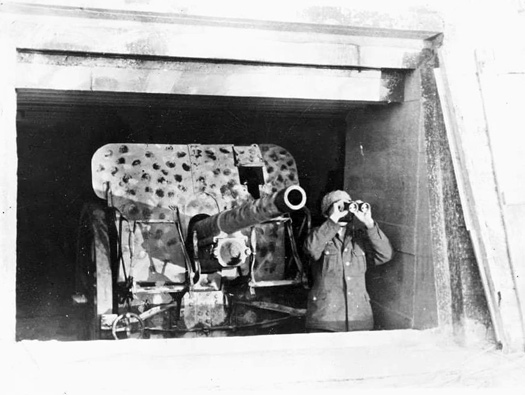
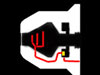
How the embrasure may have looked when the gun was inside.
Wn224 Fort de Nacqueville
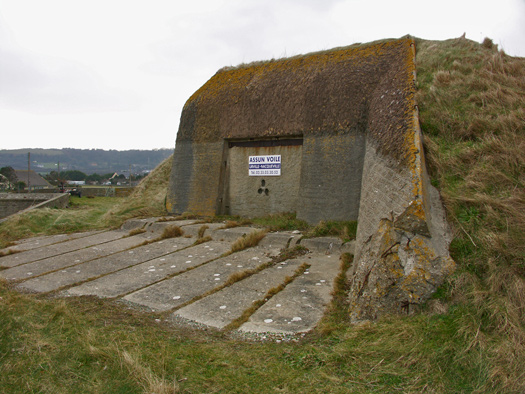
R612 casemate.
A set of pre formed concrete strips have been laid down as a sort of glacis plate for the gun. Something I have never seen anywhere else.
17 March 2006
Wn224 Fort de Nacqueville
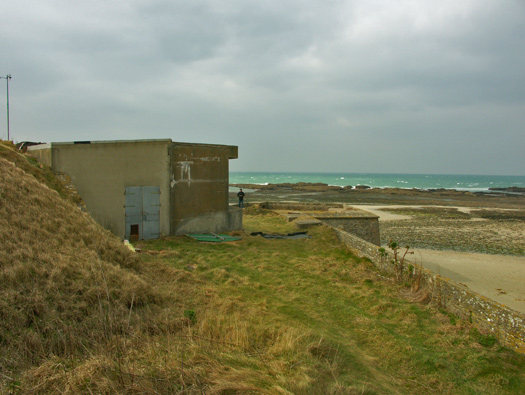
First search light.
Carrying on around the seaward side of the fort we come to the first of two search light bunkers.
17 March 2006
Wn224 Fort de Nacqueville
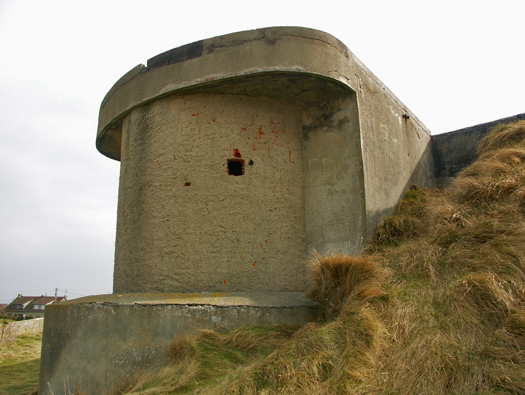
First search light.
17 March 2006
Wn224 Fort de Nacqueville
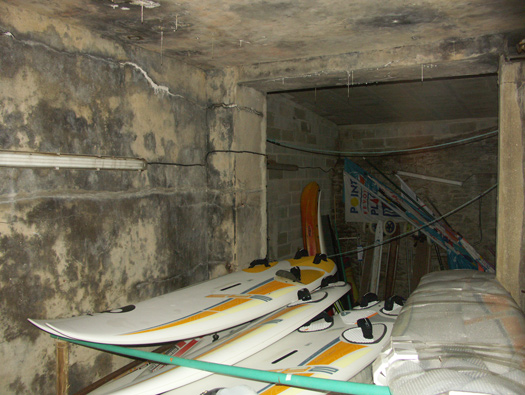
First search light.
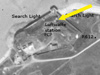
There are two search lights in the fort, set into the outer wall and they were used to illuminate targets out at sea so that guns inland could fire on sea targets. They were not used against aircraft.
17 March 2006
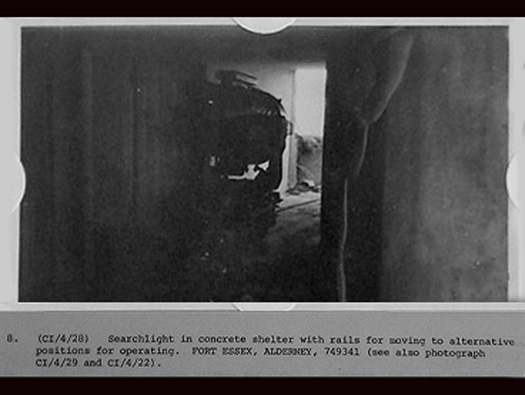
A picture of a searchlight on the Island of
Wn224 Fort de Nacqueville
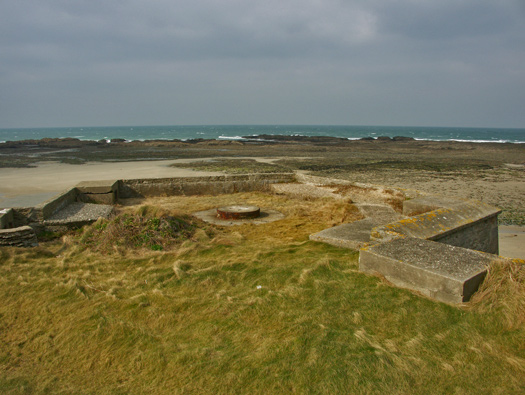
Gun Position.
Probably a 95mm French gun.
17 March 2006
Wn224 Fort de Nacqueville
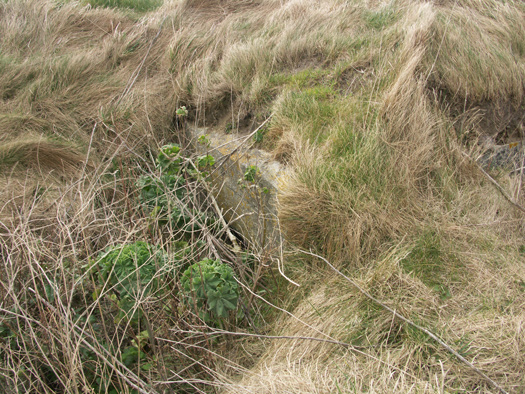
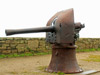
Something hidden in the grass.
17 March 2006
Wn224 Fort de Nacqueville
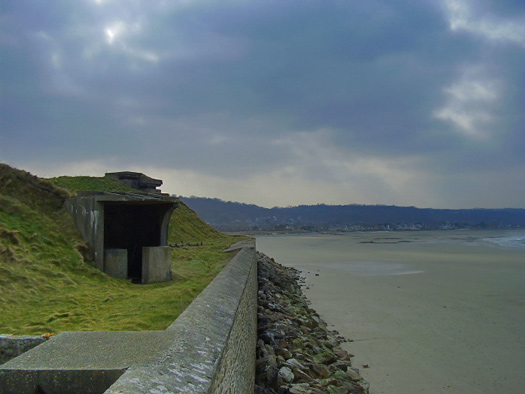
The second searchlight.
17 March 2006
Wn224 Fort de Nacqueville
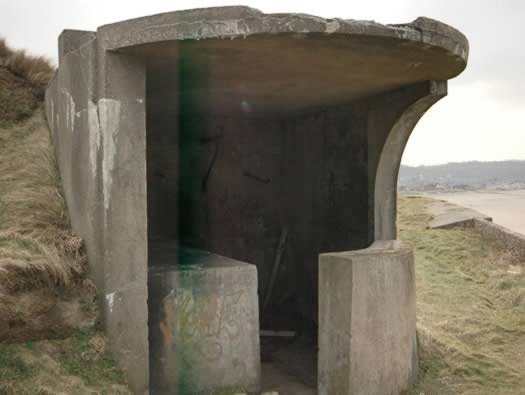
The second searchlight.
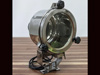
This could be a French searchlight, pre war. The light would have been quite small, 10cm? and only access was through the front.
17 March 2006
Wn224 Fort de Nacqueville
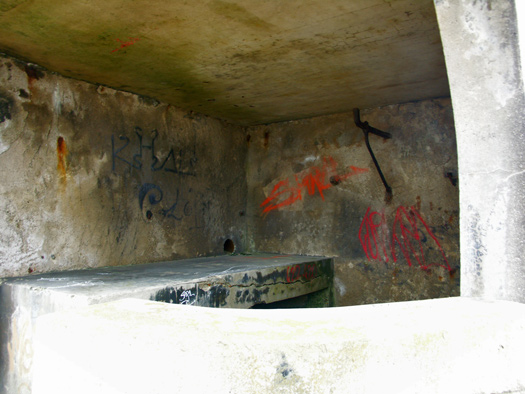
The second searchlight.
Looking inside there is a hook on the wall to hang, maybe the wiring.
17 March 2006
Wn224 Fort de Nacqueville
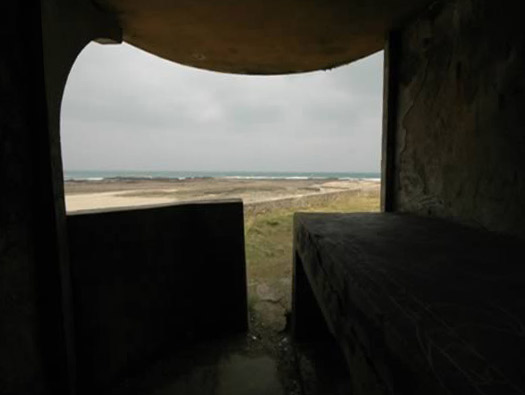
The second searchlight.
Looking out of the lamp room.
17 March 2006
Wn224 Fort de Nacqueville
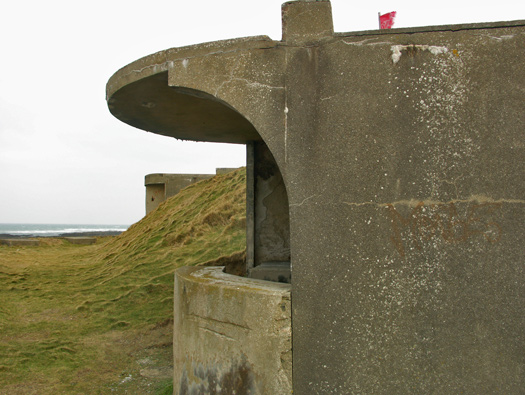
The second searchlight.
There is a small chimney in the roof to let out the heat generated by the light.
Having the lights low down, if there was low cloud or mist, the lights could shine under it. If they had been on the hills behind they could not penetrate through the fog or cloud.
17 March 2006
Wn224 Fort de Nacqueville
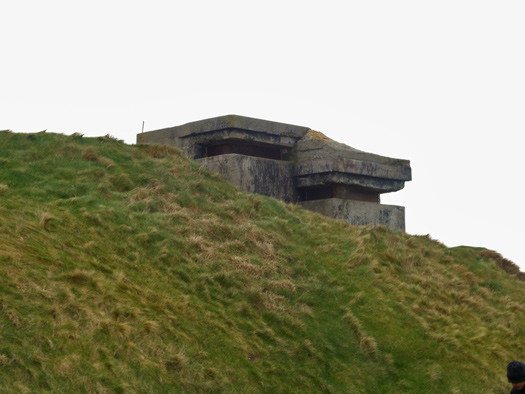
A double fire control post sitting on the top of the old forts earth bank.
17 March 2006
Wn224 Fort de Nacqueville
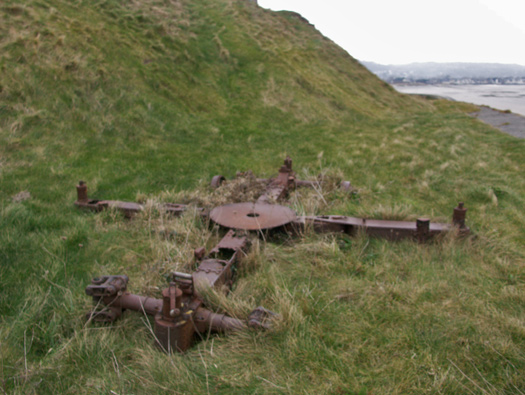
Bofors 40mm Anti Aircraft gun.
A 40mm Bofors AA gun chassis, possibly German, could also be allied after the landings or later French. Most forces in WW2 used the 40mm Bofors guns, probably one of the most prolific AA guns made and still in use today.
17 March 2006
Wn224 Fort de Nacqueville
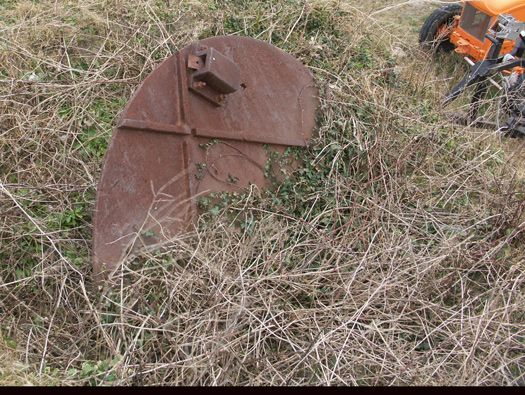
Bits lying around.
17 March 2006
Wn224 Fort de Nacqueville
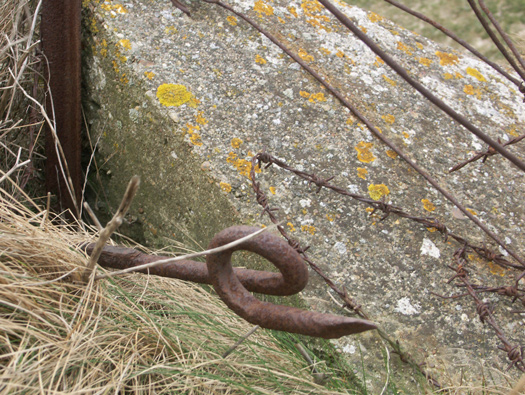
Bits lying around.
Barbed wire, concrete and a screw picket post, probably left over from the first world war.
17 March 2006
Wn224 Fort de Nacqueville
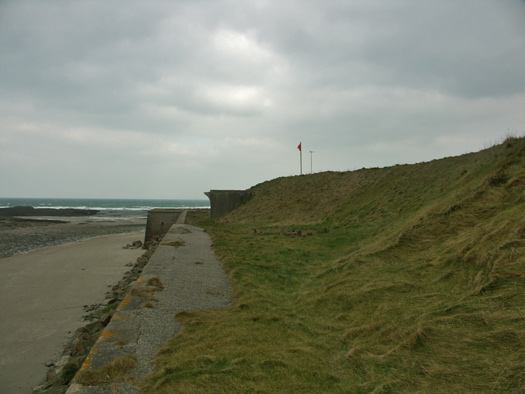
View along the seaward side.
17 March 2006
Wn224 Fort de Nacqueville
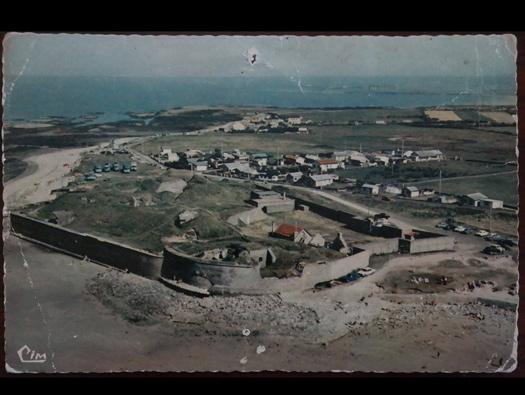
Cim postcard of the fort.
cim
Wn224 Fort de Nacqueville
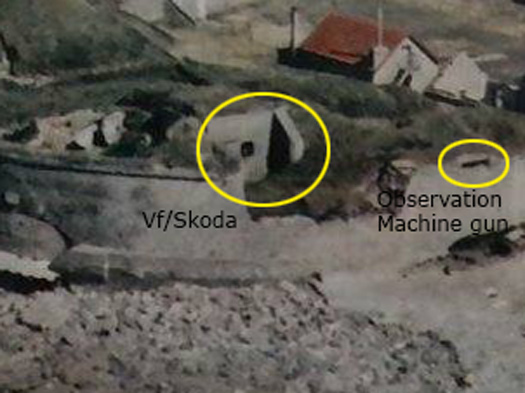
Cim postcard enlarged to show the Vf/Skoda casemate and a small observation/machine gun bunker set int the forts wall.
To allow the Skoda gun to fire, part of the forts wall has been removed.
The gun was a 4,7-cm-PaK 36(t) Škoda 4.7cm Model 1938.
This area now has a brand new sailing club built over the top.
cim
Wn224 Fort de Nacqueville
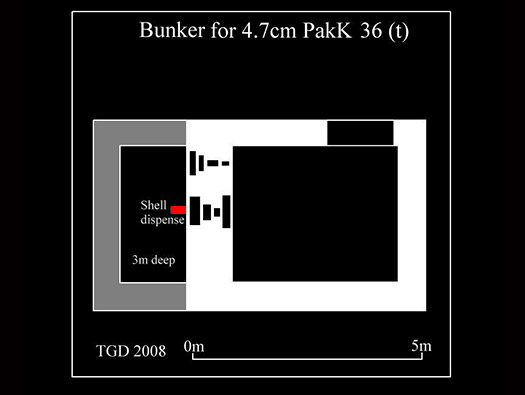
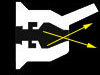
Plan originally of a Vf/Skoda casemate on the Island of Alderney and drawn by TGD. It shows a gun room, a spent shell case pit. The gun took up the centre of the front of the casemate and a viewing slit for the guns commander next on its right. The
Wn224 Fort de Nacqueville
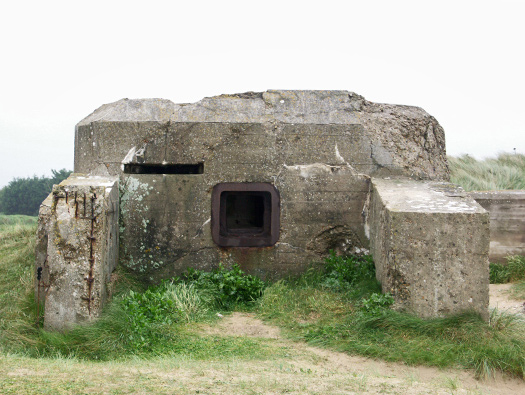
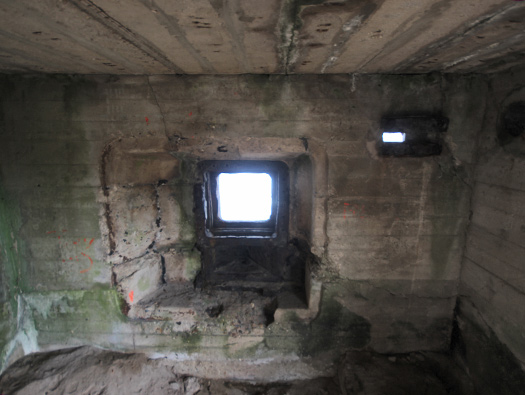
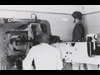
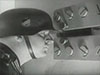
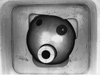
These two photos are from StP10 Hameau Mottet where there is a Vf/Skoda gun casemate, of roughly the same design.
Between the two hornes on this casemate, there is a tree meter square hole, where
stp 10 hameau mottet
Wn224 Fort de Nacqueville
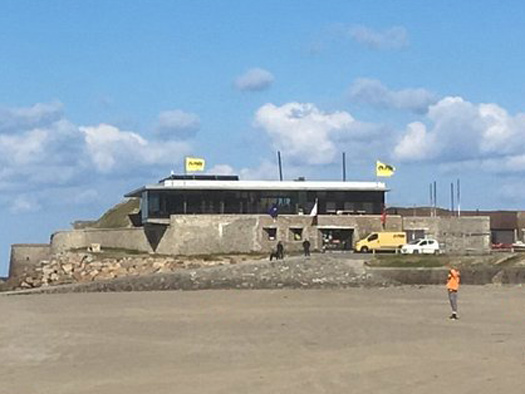
Pôle Nautique Hague.
The wall has been repaired, windows and a door have been fitted in.
Trip adviser
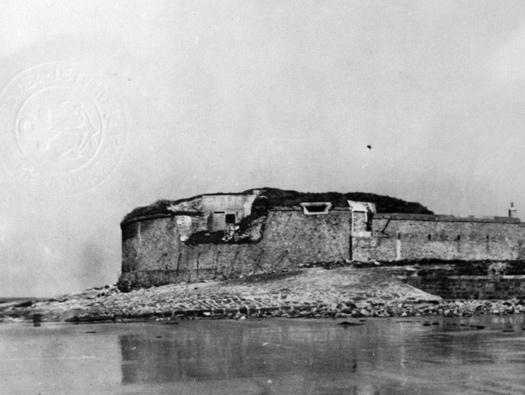
and how it looked around 1945.
SHM
Wn224 Fort de Nacqueville
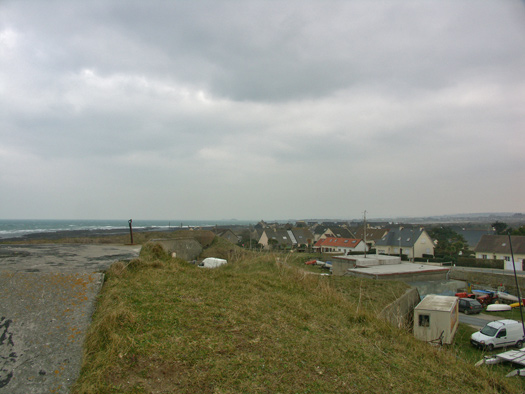
View from the top of the R612.
17 March 2006
Wn224 Fort de Nacqueville
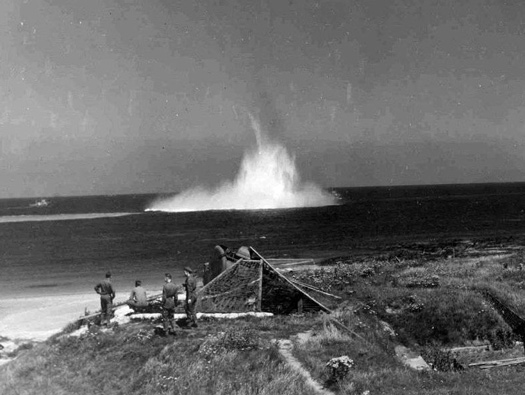
After the capture of Cherbourg, the clear up of the battle field commenced. The mines off the coast and in the harbour. Mines on the beaches and inland. Booby traps in and around the dock yard. It was a massive task. Although this was US area of responsibility, US forces did not have the spare capacity in mine clearing in the water that the British had. No ports in the British responsible are had been captured and until Caen was captured, these naval parties had very little to do. After Cherbourg, they went on to clear Granville and most of the Brittany ports that were captured.
Naval Command Western Task Force (NCWTF) put Commander M/S West in charge of the operation of clearing mines from Cherbourg. Intelligence data available, as to the extent of mining in and off the harbour, was of great assistance in framing for this difficult clearance. Before Cherbourg was taken, during the northward advance of the U.S. Army along the Cotentin Peninsula, channel "L" was extended along the east and north coasts to protect bombarding ships employed in support of the Army's advance. During these operations, the minesweepers repeatedly came under fire of shore batteries. Within 24 hours of the silencing of the last battery, "H" and "L" channels had both been established and an area off the harbour entrance cleared to seaward of the 10-fathom line. The clearance of moored mines, within the 10-fathom line outside the harbour was effected by the two U.S. Yard Minesweeper (YMS) squadrons, the 167th British Yard Mine Sweeper (BYMS), and 206th His Majesty's Motor Minesweeper (HMMS) Flotillas. I think this is right.
Wn225 Fort de Nacqueville Hout, Luftwaffe station 'Castor' Monitoring Unit
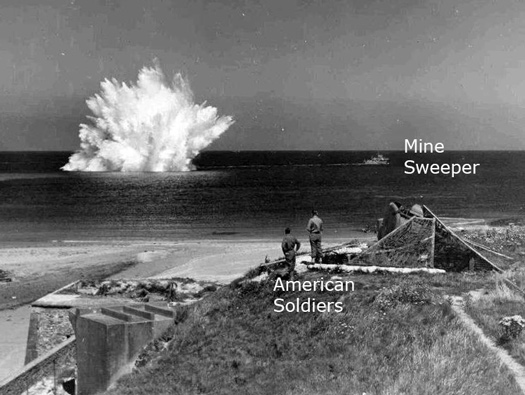
Two American soldiers watching mine sweepers clearing the extensive mine fields that were laid all around the Normandy coast.
As the Allies gradually expanded their hold on Normandy and – eventually - broke out, the minesweepers steadily shifted their area of operations to clear the approaches to the vital ports that were being liberated. This saw our sweepers - particularly the MMS and BYMS flotillas with their better inshore capability - working off Cherbourg. Their efforts inshore were supplemented in the harbors and docks themselves by the ‘P Parties’ – diving teams trained to locate and make safe or destroy the innumerable mines and booby traps left in the docks and wharves. (HMS Vernon).
Wn224 Fort de Nacqueville
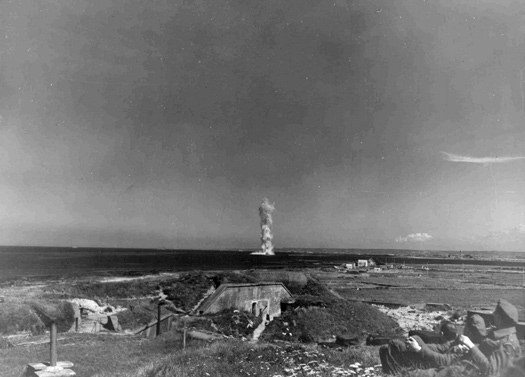
British soldiers watching the action from the top of the fort..
Wn224 Fort de Nacqueville
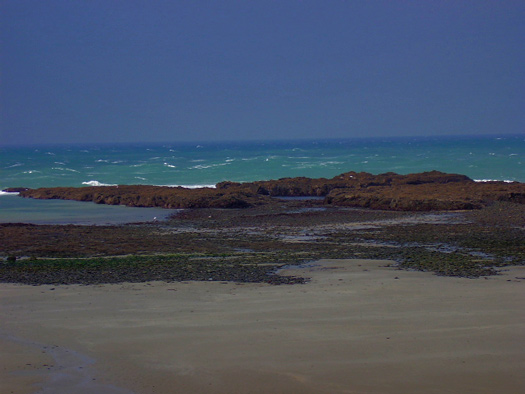
17 March 2006