Wn31 Courseulles (Juno Beach)
WN · K.V.U. Gruppe Courseulles (Juno/Gold Beach) · AOK 7 Normandy · France

Stp31 Courseulles
Stp31 Courseulles
Stp31 Courseulles
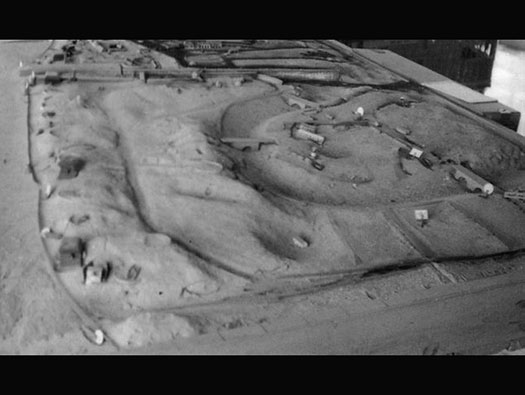
1944

Stp31 Courseulles
00-00-00
Stp31 Courseulles
6./736 Inf. Reg., 719 Inf. Div. in command was Hauptmann Grote.
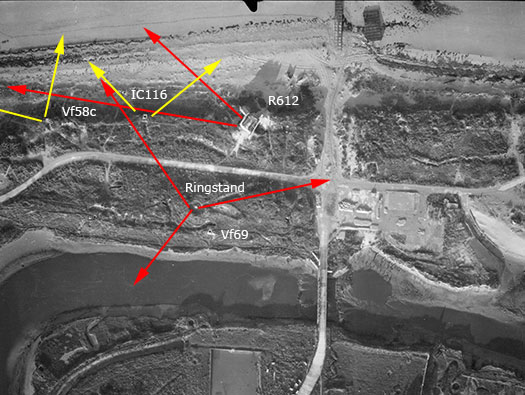
1 x R612 Casemate.
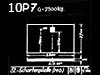
1 x R623 Casemate 10P7 plate.
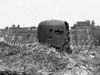
1 x R666 Observation bunker + dome 749P3.
1 x Vf PC6./736 Rgt HQ. 2 x Nr1669 ringstands.
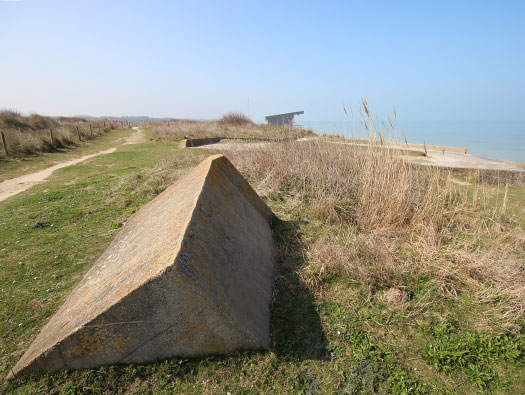
1 x U Tobruk FT17 PzT(f).
2 x Vf69 Mortar Tobruk.
2 x Vf58c Tobruk's.
5 x Ic116 Tobruk's.
2 x B206 mortar Tobruks.
2 x 5cm Ringstands.
3 x Vf bunker shelter.
2 x Bf61a mortar Tobruks.
1 x SK/Doppelschartenstand.
2 x 5cm KwK L/60 guns.
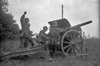
2 x 7.5cm F.K.16 n. Art. Field Cannon.
2 x 5cm Gr.W(f) Mortars.
2 x 8.4cm Gr.W.278(f) mortar.
Plan
Stp31 Courseulles
DEFE 2/430
Stp31 Courseulles
09 March 2013
Stp31 Courseulles
DEFE 2/430
Stp31 Courseulles
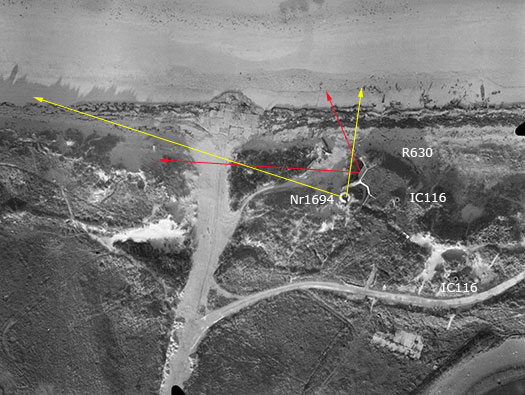
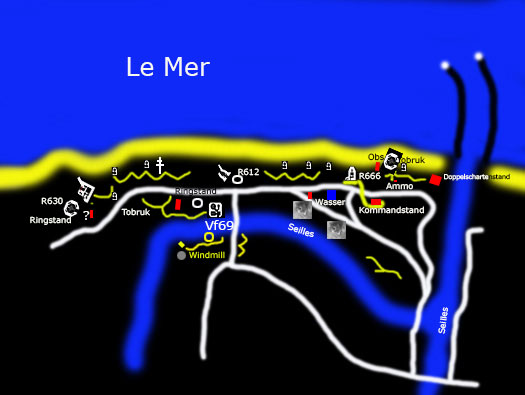
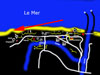
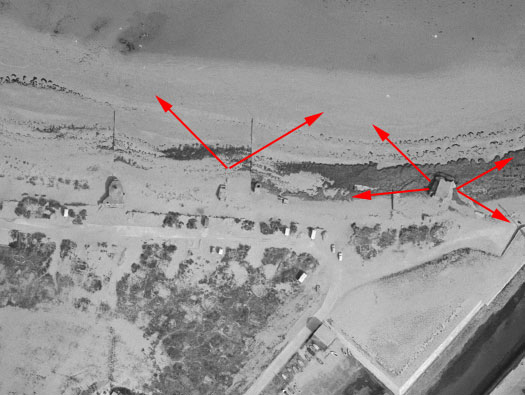
Yellow - 5cm KwK.
Red - MG.34.
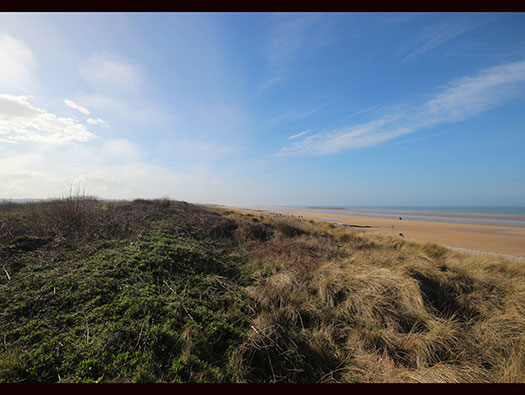
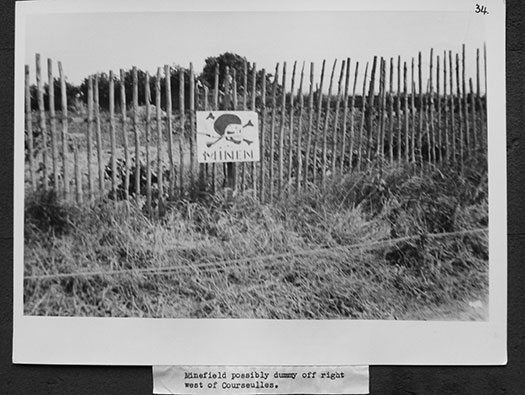
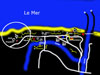
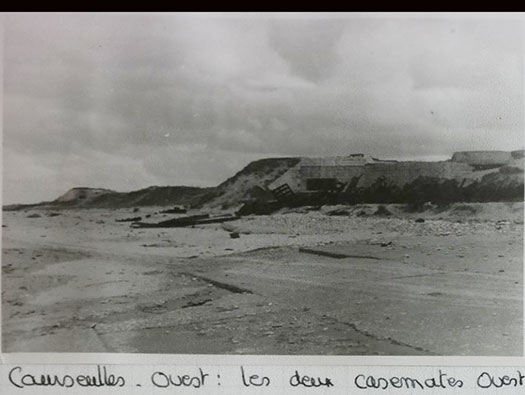
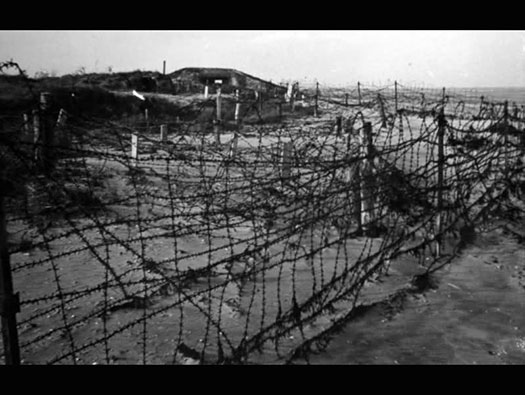
We start here on the left flank the track, there seems to be no bunkers or defences on the left of the track. Mine fields (or as we have seen dummy mine fields) laid along the coast to the next defence and plenty of barbed wire. Surprisingly this defence although a very important one only had a machine gun bunker and a field gun bunker facing west with a 5cm Ringstand. Not the heavy fire power of an 8.8cm A/T gun. Perhaps it was the last place they thought the allies would try and land.
Geoportail 1947
Stp31 Courseulles

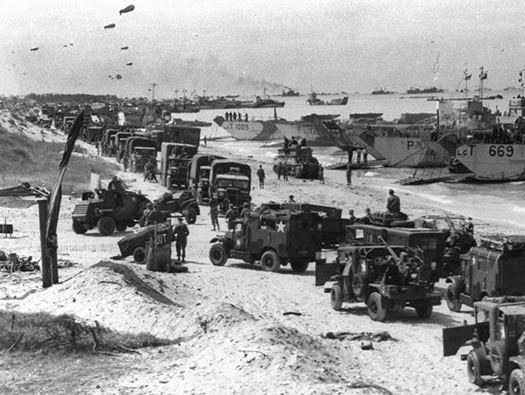
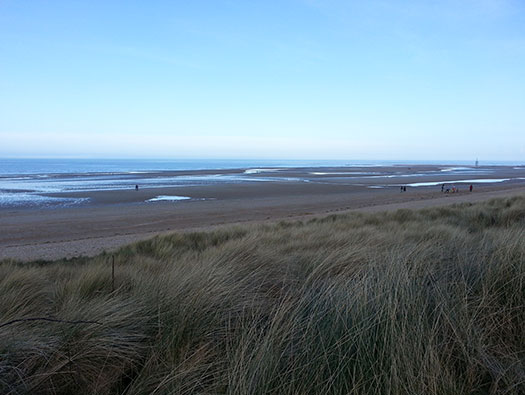
Looking east with the tide as it would have been on D-Day morning.
10 March 2013
Stp31 Courseulles
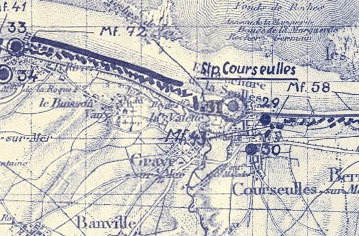
K.V.Gruppe Caen, StP Courseulles, StP31.
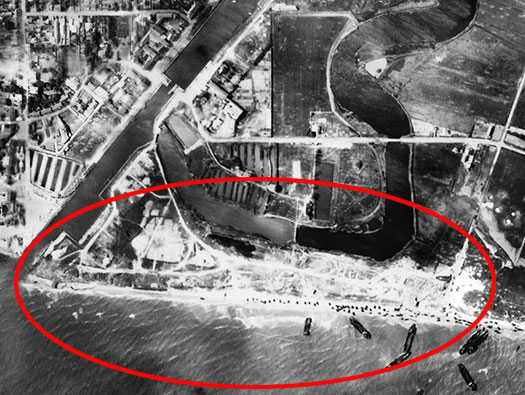
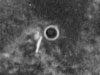
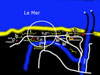
Courseulles, circled with the dot in it.
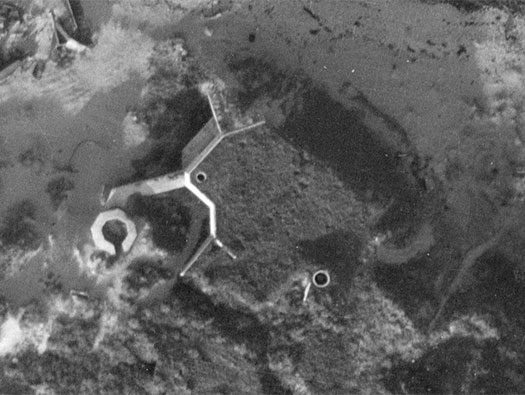
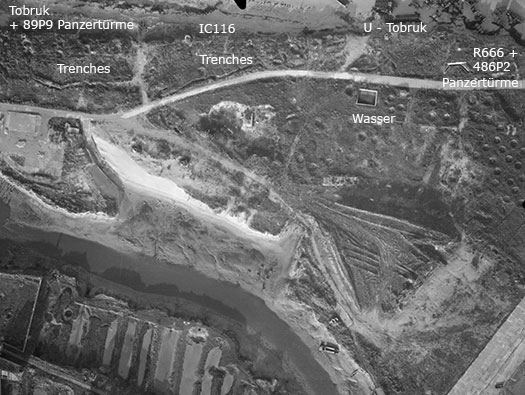
Mine Field 72 between Wn33 & StP31, M.F.43 covering the railway on Wn29, M.F.58 covering the eastern side of StP Courseulles.
Wn - Widerstandsnest a self contained unit of infantry positions in 'shell-proof' positions, normally including machine guns and other infantry weapons. StP - Stützgpunkt - Strong point, usually including heavy and light fortifications with heavy and light Infantry weapons and often artillery.
StP Gruppe - A group of strong points.
21 March 2015
Stp31 Courseulles
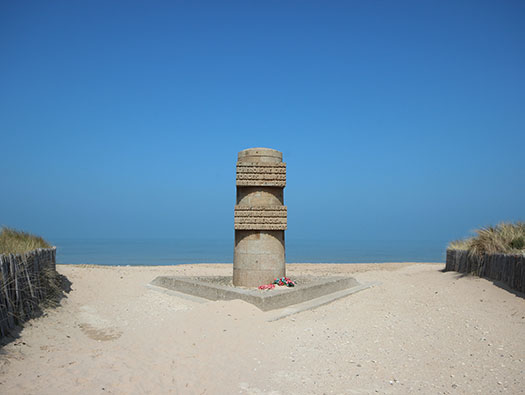
21 March 2015
Stp31 Courseulles
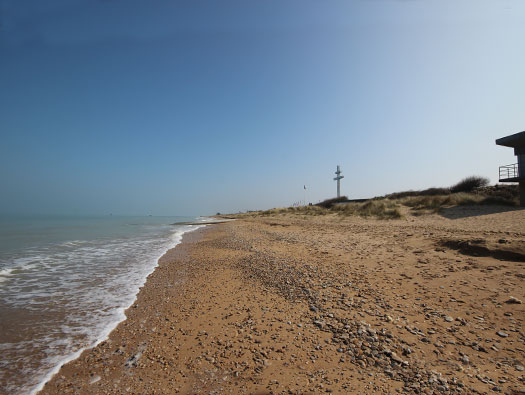
21 March 2015
Stp31 Courseulles
SHM
Stp31 Courseulles
21 March 2015
Stp31 Courseulles
Geoportail 1947
Stp31 Courseulles
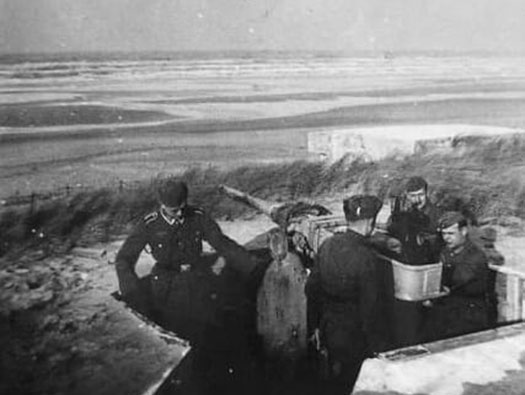
Internet
Stp31 Courseulles
DEFE 2/433
Stp31 Courseulles
Internet
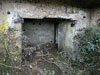
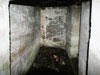
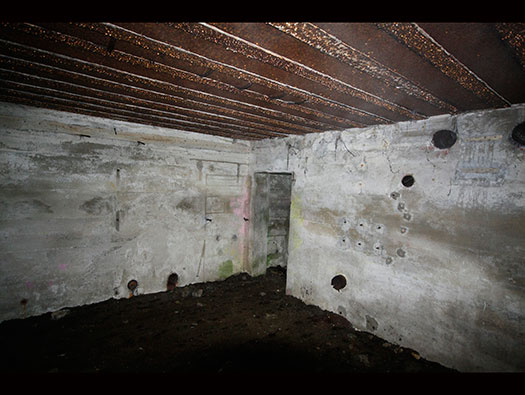
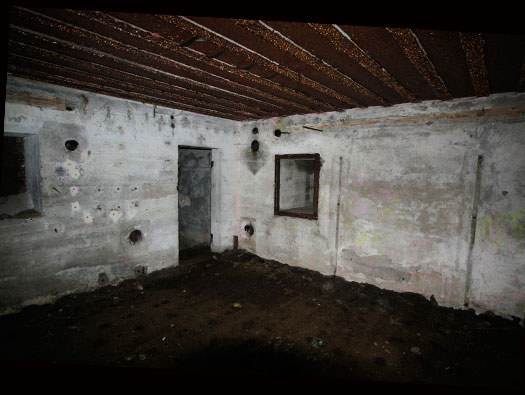
Stp31 Courseulles
Plan Kurt

Stp31 Courseulles
21 March 2015
Stp31 Courseulles
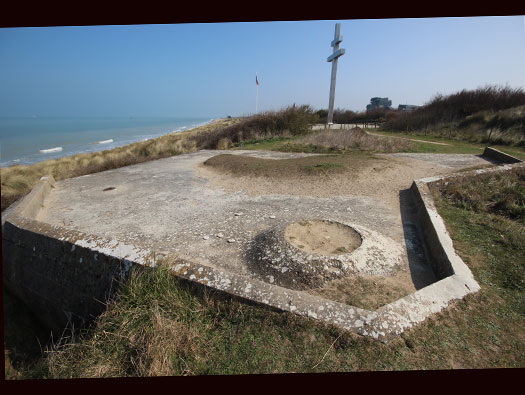
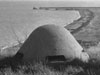
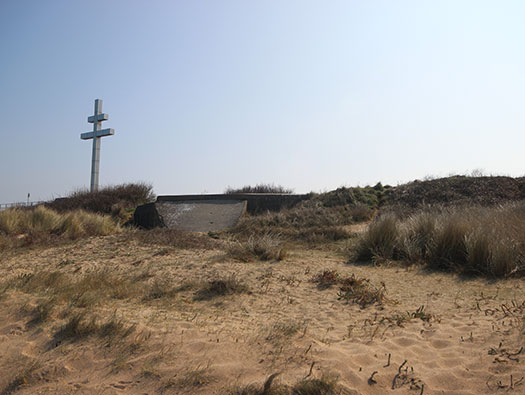
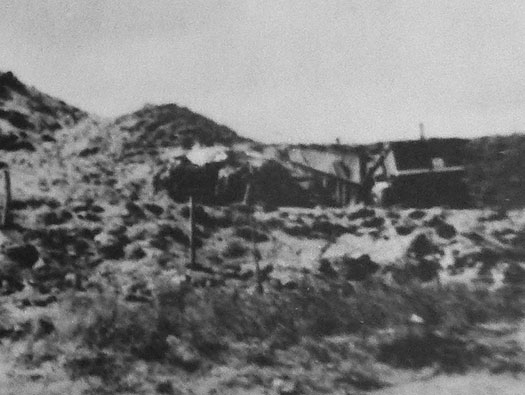
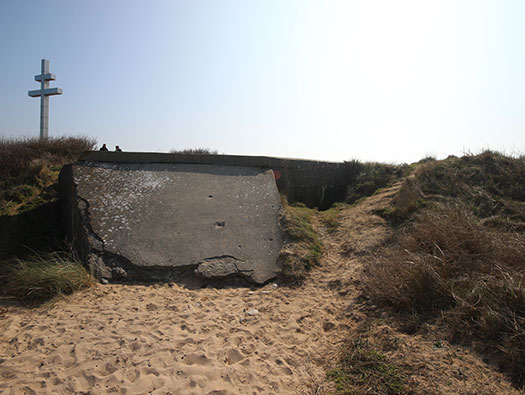
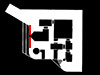
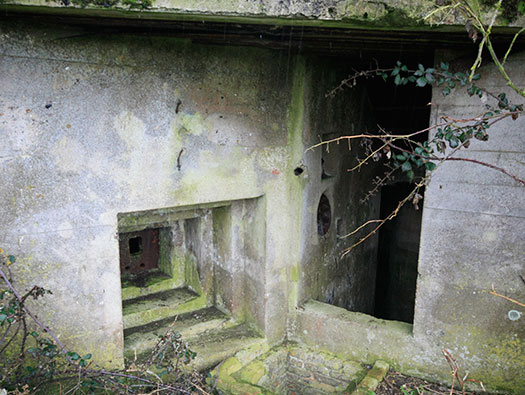
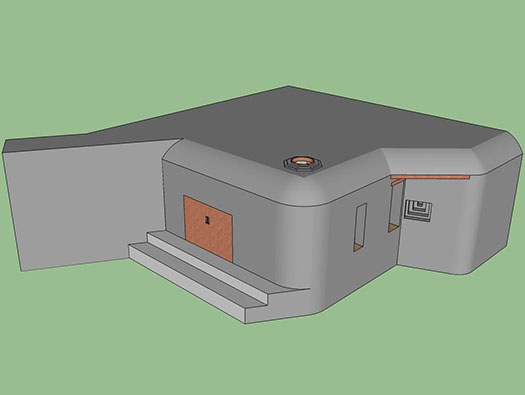
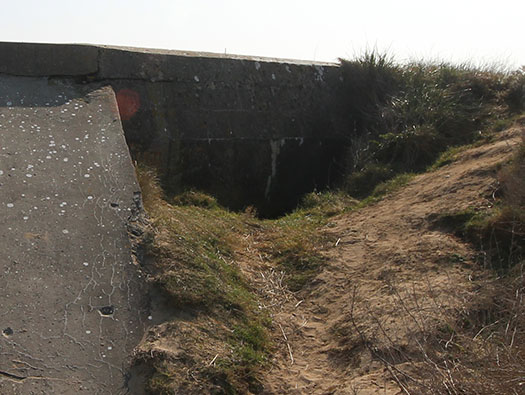
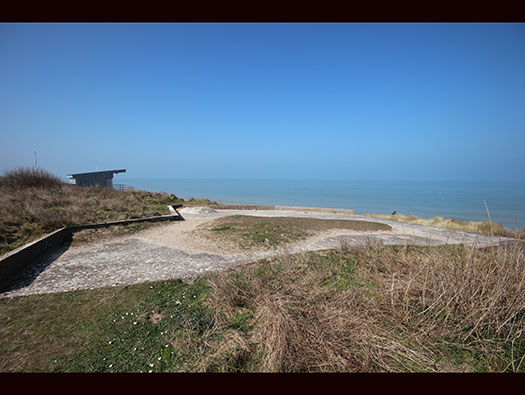
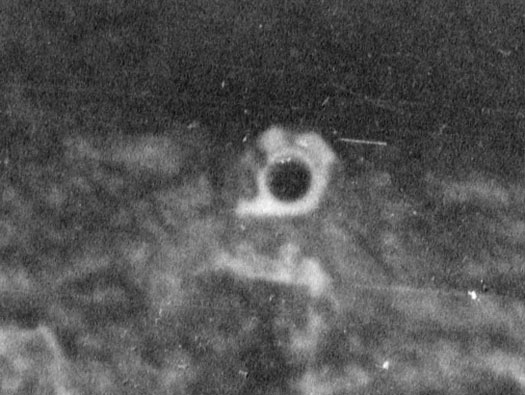
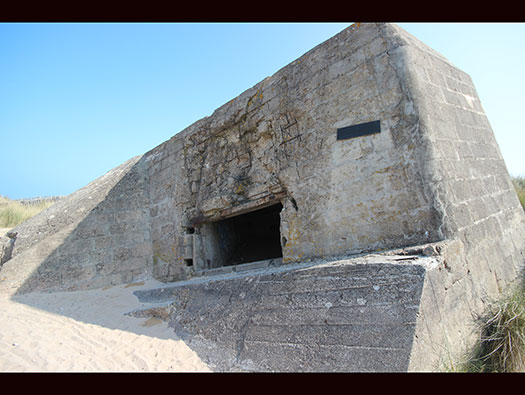
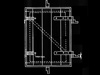
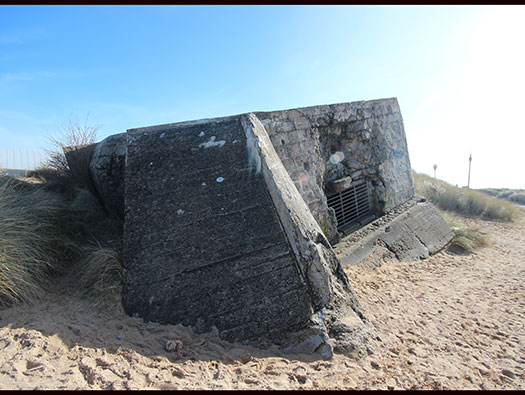
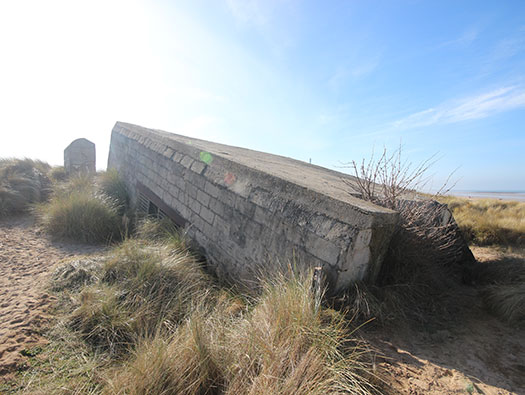
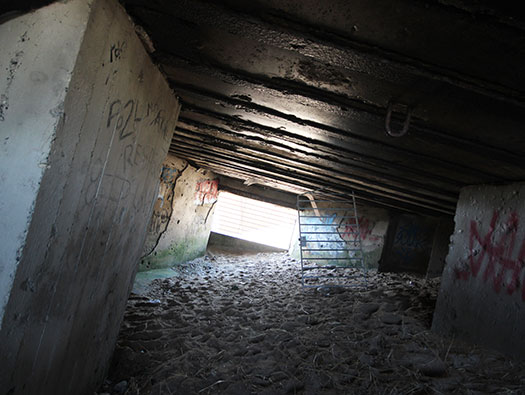
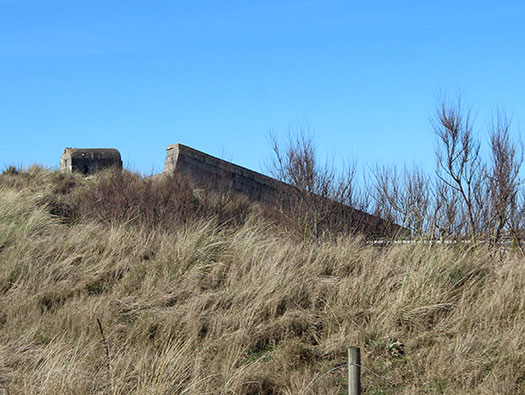
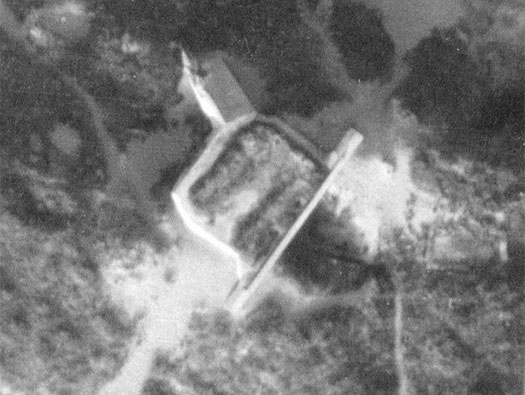
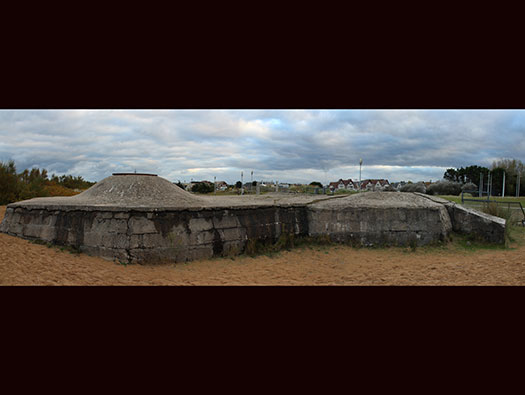
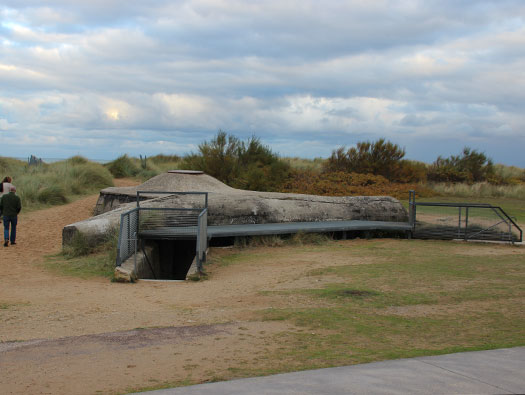
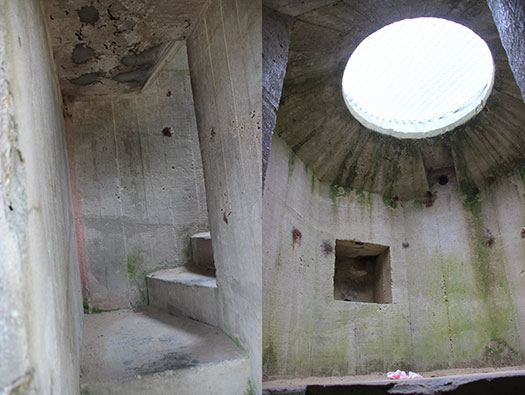
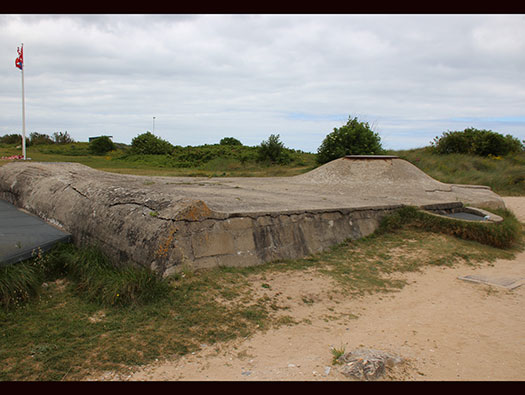
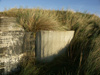
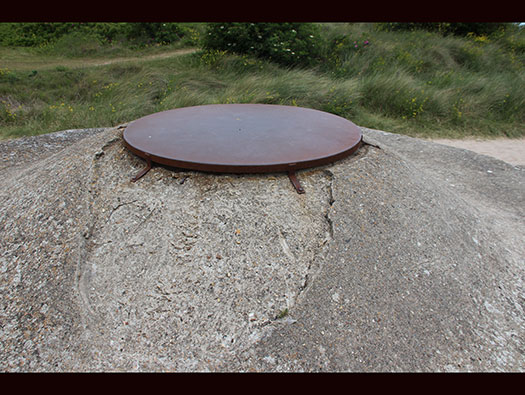
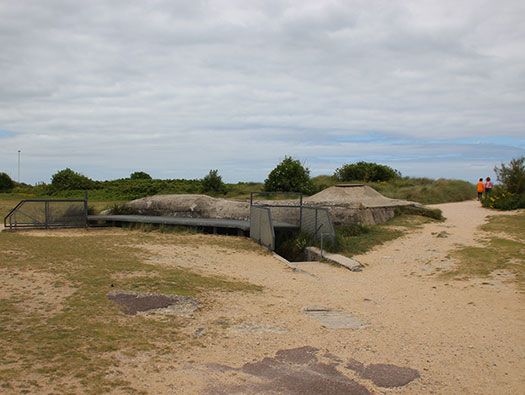
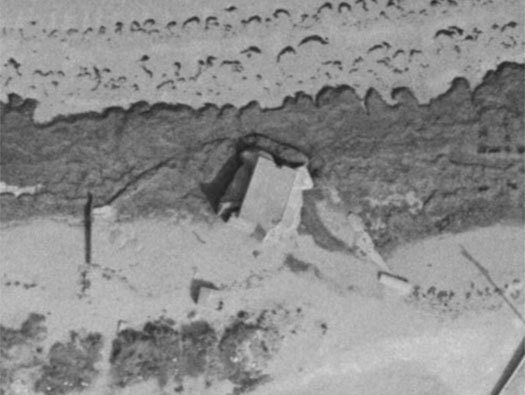
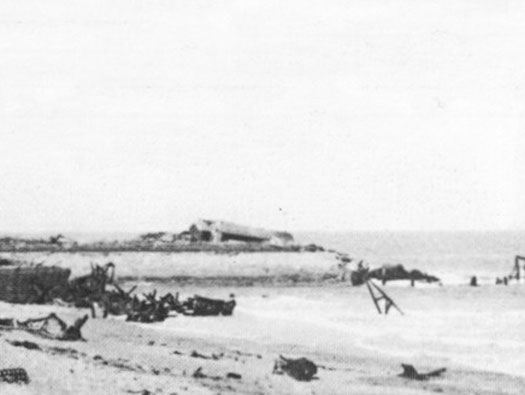
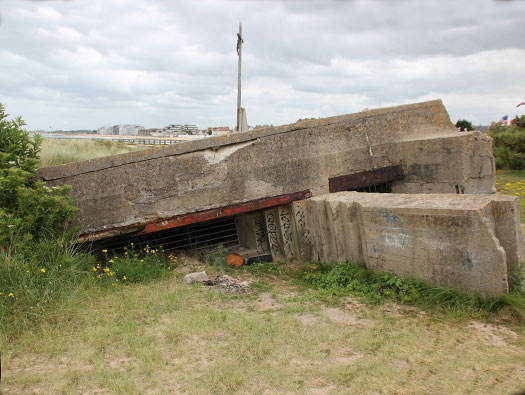
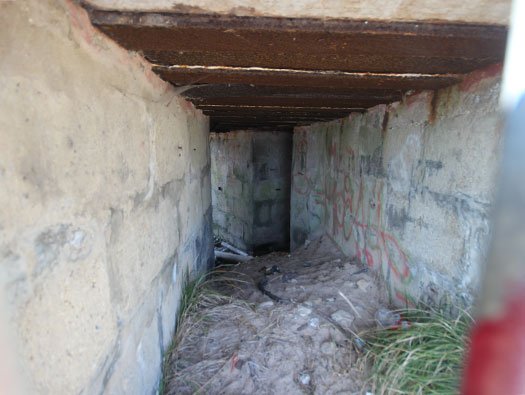
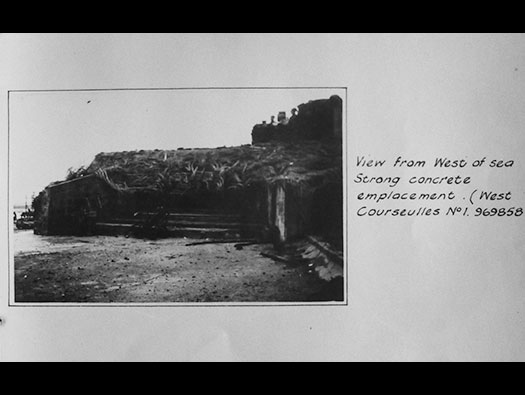
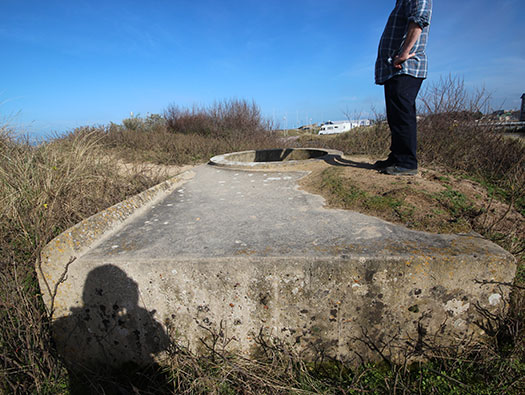
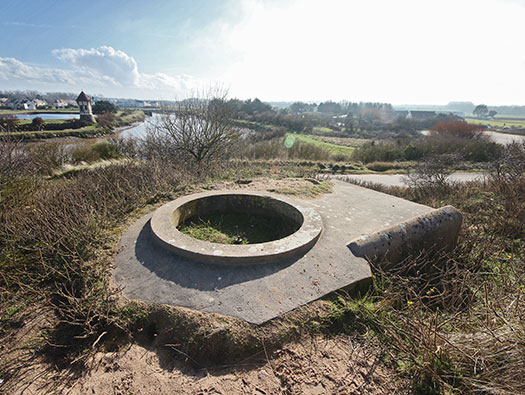
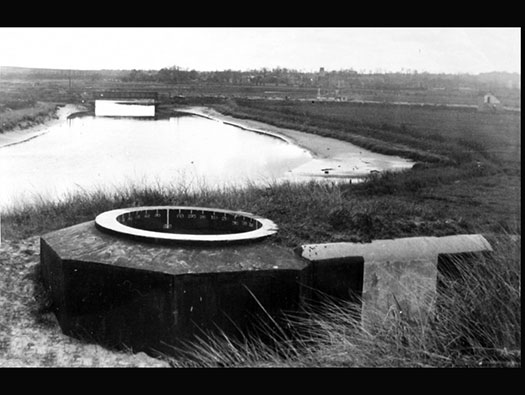
R623 casemate The top of the casemate, very little can be seen as it is now covered in sand. The Tobruk defence shows up well and you can see the steel armoured ring of the periscope fitting. A gas proof, new type strong point fitted with air conditioning pumps and a periscope. Sleeping accommodation was for 9 men, and 20 were reported to have surrendered. A heavy machine gun could cover the beach to the west, firing through a small 12" by 9" in a 2" thick steel shield. A 3' diam Tobruk type MG post was fitted flush with the roof, with access from outside the main shelter. The main entrance to the shelter was on the shore side, and connected by trench systems to other posts. The roof of the shelter was level with the top of the dunes at the back of the beach.
DEFE 2/433 report.
21 March 2015
Stp31 Courseulles
21 March 2015
Stp31 Courseulles
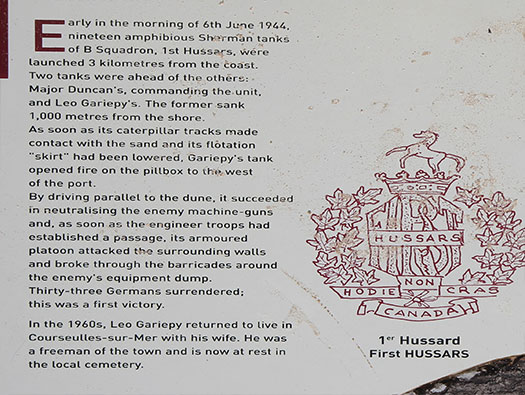
21 March 2015

Stp31 Courseulles
21 March 2015
Stp31 Courseulles
09 March 2013
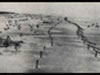
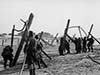
Stp31 Courseulles
Geoportail 1947
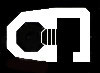
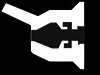
Stp31 Courseulles
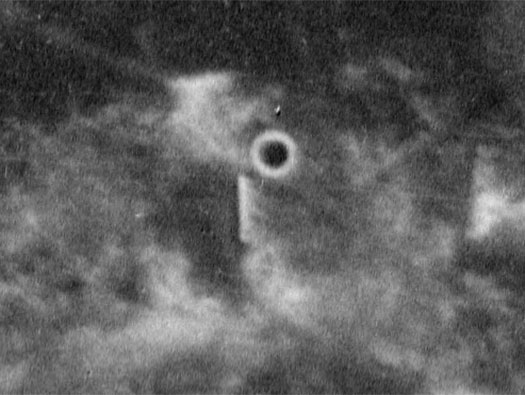
Geoportail 1947
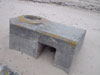
Stp31 Courseulles
Geoportail 1947
Stp31 Courseulles
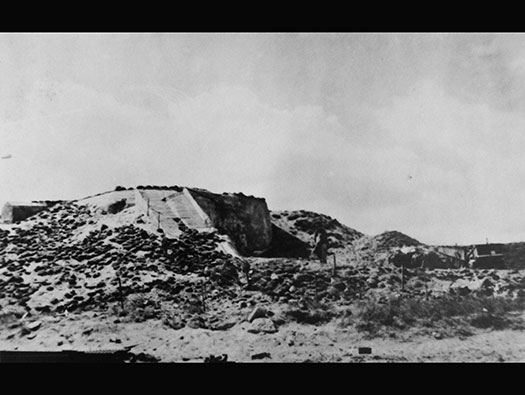
DEFE 2/433
Stp31 Courseulles

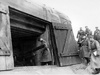
Showing off its battle damage.
via SD
Stp31 Courseulles
21 March 2015
Stp31 Courseulles

via SD
Stp31 Courseulles
21 March 2015

Stp31 Courseulles
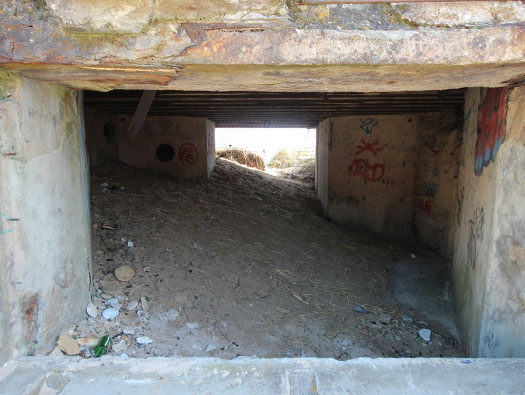
21 March 2015
Stp31 Courseulles
09 March 2013
Stp31 Courseulles

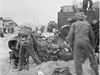
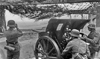
The gun can be seen moved around and the two direct hits show up well. Also it looks like a crew of a landing craft have come assure for some R&R.
via SD
Stp31 Courseulles
09 March 2013
Stp31 Courseulles
09 March 2013
Stp31 Courseulles

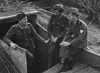
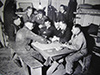
Here it looks like stranded ships crew have taken it over as a billet and making themselves very comfortable.
via SD
Stp31 Courseulles
09 March 2013
Stp31 Courseulles
Geoportail 1947
Stp31 Courseulles

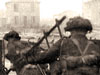
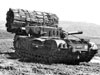
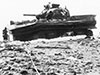
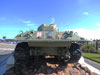
A Canadian Crusader III AA MkI tank with a 40mm Bofors gun mounted.
Redundant as a main battle tank, several chassis were converted to the anti-aircraft role, by adding either a Bofors 40mm or twin Oerlikon 20mm.
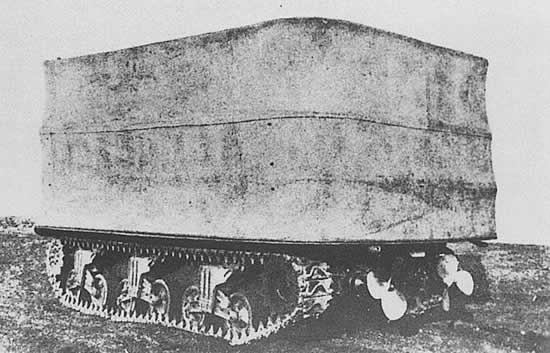
Next to the Crusader is a Sherman DD tank. It looks as this is as far as it got.
Via SD
Stp31 Courseulles
Geoportail 1947
Stp31 Courseulles
Geoportail 1947
Stp31 Courseulles

DEFE 2/433
Stp31 Courseulles
Geoportail 1947
Stp31 Courseulles
SHM
Stp31 Courseulles
Geoportail 1947
Stp31 Courseulles

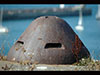
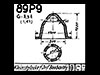
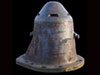
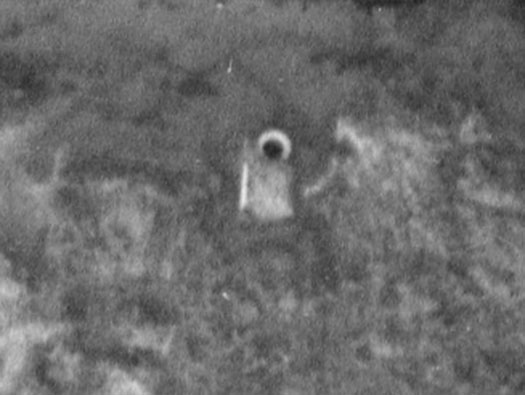
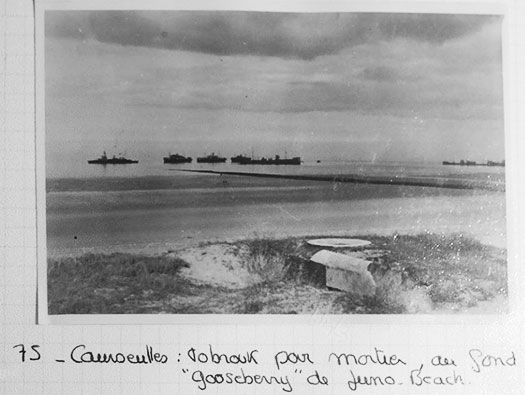
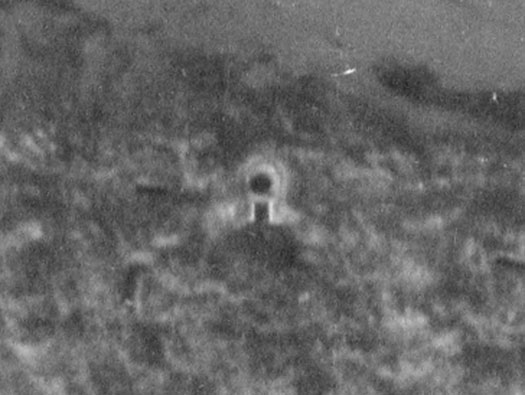
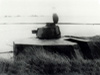
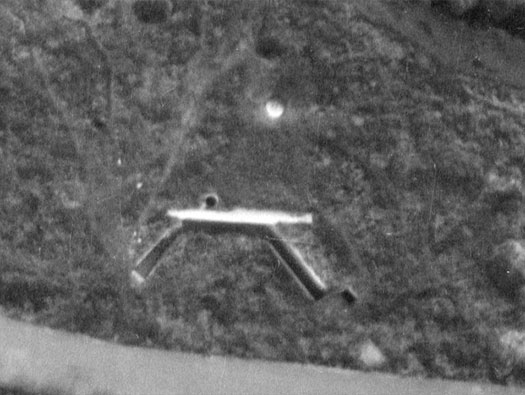
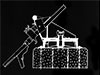
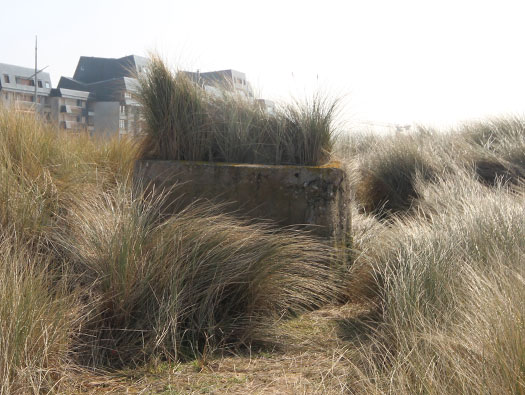
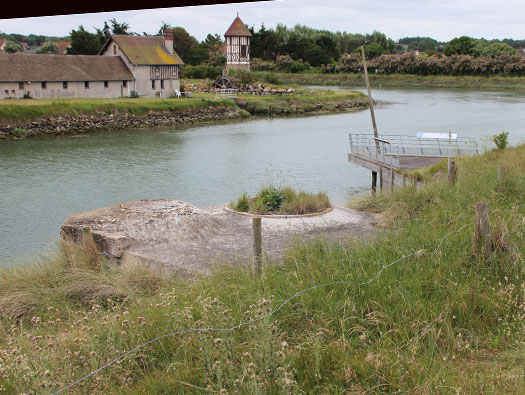
A small MG post (form of Tobruk 3' diam type) with 1/8" thick steel plate cupola on top. A hit on the cupola had made a hole 1' by 1'; this would have put the position out of action. The cause of the damage was not found.
DEFE 2/433 report.
DEFE 2/433
Stp31 Courseulles
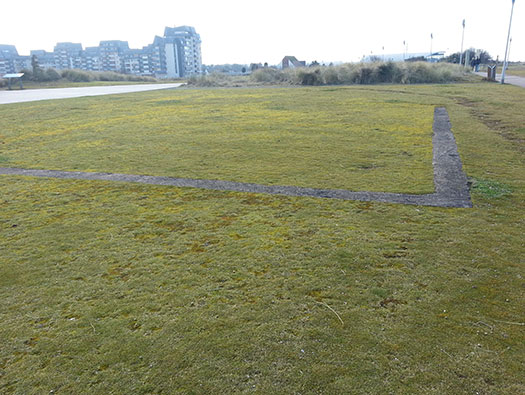
09 March 2013
Stp31 Courseulles
11 November 2016
Stp31 Courseulles
Geoportail 1947
Stp31 Courseulles
11 November 2016
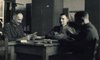
Stp31 Courseulles
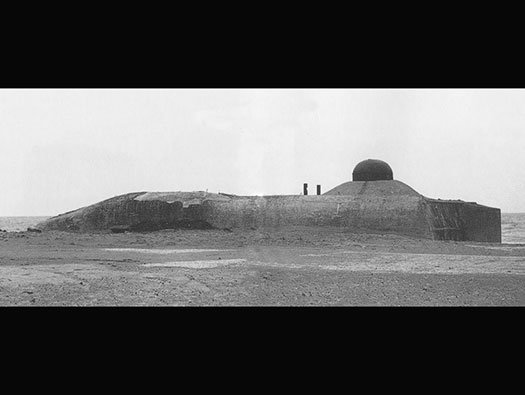
MKB Bunkertour
Stp31 Courseulles
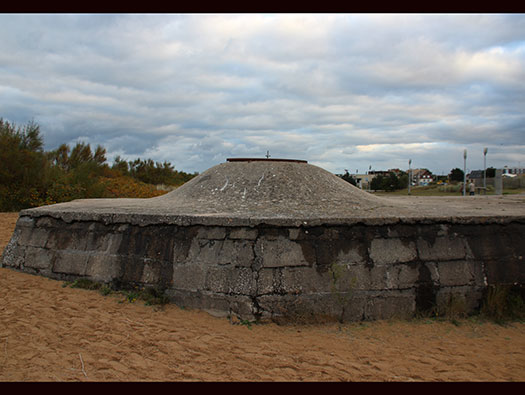
11 November 2016
Stp31 Courseulles
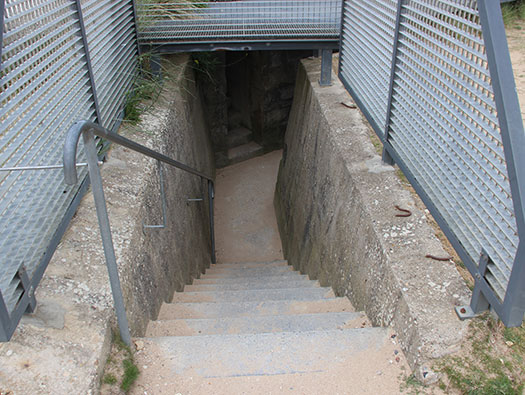
12 June 2017
Stp31 Courseulles
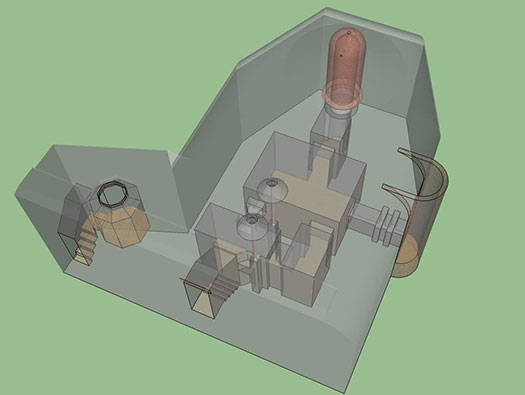
Plan Kurt
Stp31 Courseulles
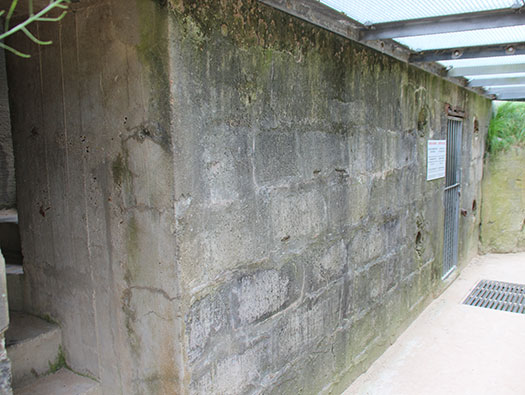
12 June 2017
Stp31 Courseulles
12 June 2017
Stp31 Courseulles
12 June 2017
Stp31 Courseulles
12 June 2017
Stp31 Courseulles
12 June 2017
Stp31 Courseulles
12 June 2017
Stp31 Courseulles
12 June 2017
Stp31 Courseulles
12 June 2017
Stp31 Courseulles
11 November 2016
Stp31 Courseulles
12 June 2017
Stp31 Courseulles
12 June 2017

Stp31 Courseulles
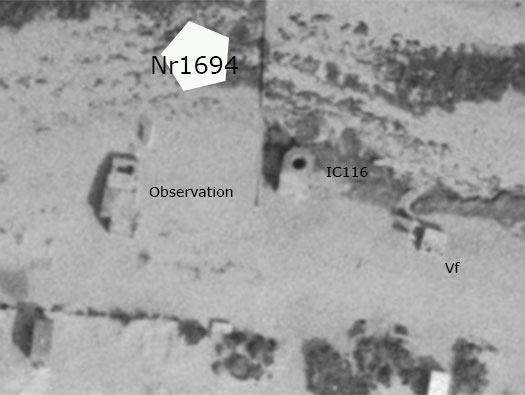
Geoportail 1964
Stp31 Courseulles
Geoportail 1964
Stp31 Courseulles
Geoportail 1964
Stp31 Courseulles
Geoportail 1964
Stp31 Courseulles
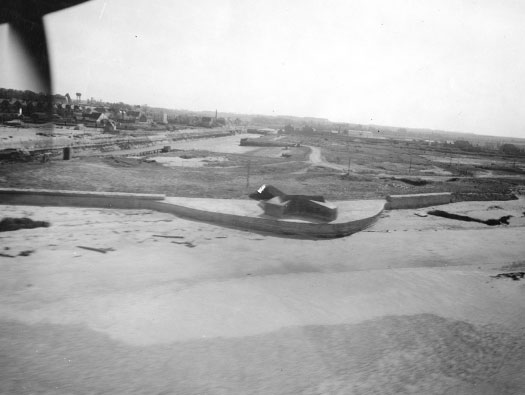
USAAF reconnaissance flight
Stp31 Courseulles
Stp31 Courseulles
12 June 2017
Stp31 Courseulles
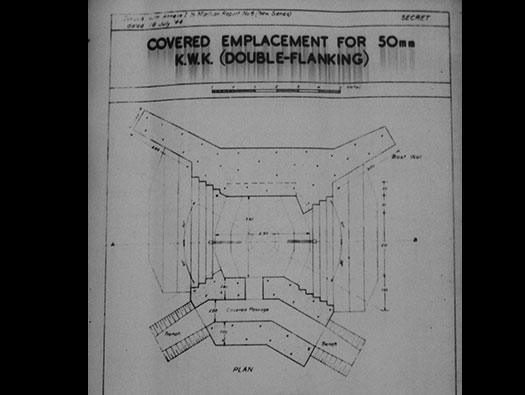
Martian Report
Stp31 Courseulles
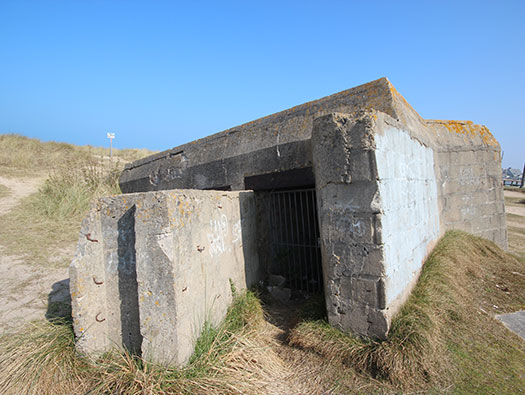
21 March 2015
Stp31 Courseulles
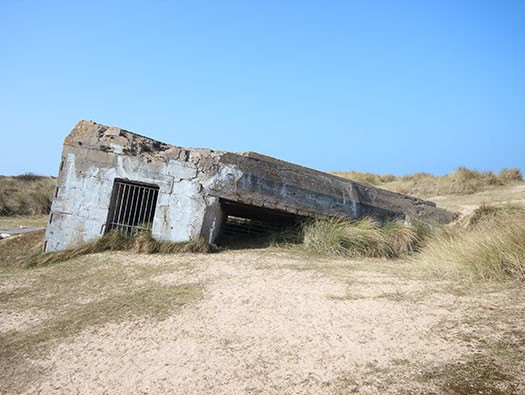
21 March 2015
Stp31 Courseulles
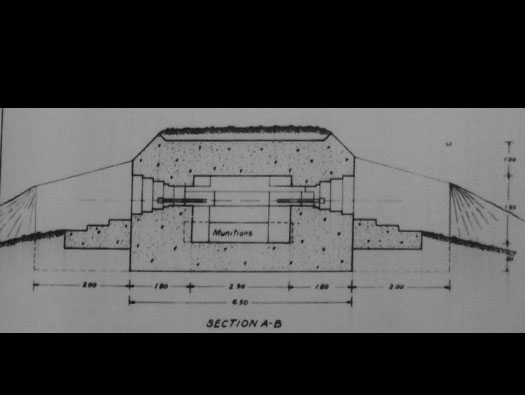
Martian Report
Stp31 Courseulles
21 March 2015
Stp31 Courseulles
DEFE 2/433
Stp31 Courseulles
Stp31 Courseulles
21 March 2015
Stp31 Courseulles
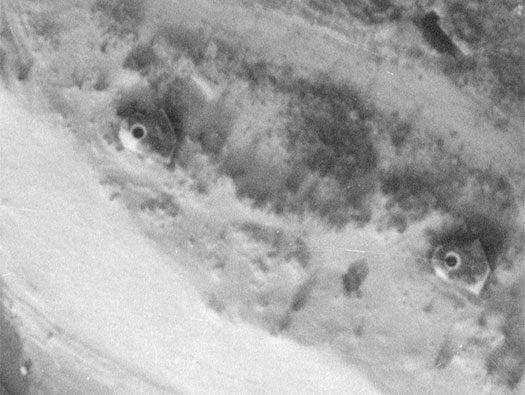
Geoportail 1947

Stp31 Courseulles
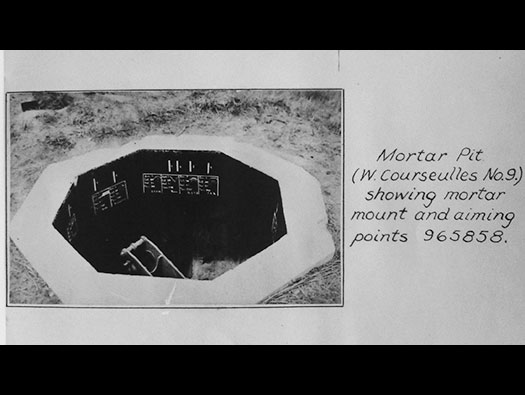
DEFE 2/433
Stp31 Courseulles
21 March 2015
Stp31 Courseulles
21 March 2015
Stp31 Courseulles
12 June 2017
Stp31 Courseulles
21 March 2015

Stp31 Courseulles
12 June 2017
Stp31 Courseulles

DEFE 2/433
Stp31 Courseulles
09 March 2013
Stp31 Courseulles
09 March 2013
Stp31 Courseulles

DEFE 2/433
Stp31 Courseulles
SHM
Stp31 Courseulles

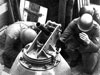
How it may have looked inside. This one was actual to the east side of Courseulles.
DEFE 2/433
Stp31 Courseulles
09 March 2013
Stp31 Courseulles
12 June 2017
Stp31 Courseulles
12 June 2017
Stp31 Courseulles
12 June 2017
Stp31 Courseulles
11 November 2016