Berck Süd radar
RADAR · Berck - Le Crotoy K.V.A. D2 · AOK 15 Nord Pas de Calais · France

StP Berck Süd (Coastwatcher Radar), Fu.MG Seetakt Gema Zertsörersaüle Fu.MO 3.
Fu.MG Seetakt Gema Zertsörersaüle Fu.MO 3.
Hopital Maritime Berck1900.
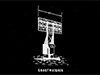
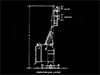
StP Berck Süd (Coastwatcher Radar), Fu.MG Seetakt Gema Zertsörersaüle Fu.MO 3.
StP Berck Süd (Coastwatcher Radar), Fu.MG Seetakt Gema Zertsörersaüle Fu.MO 3.
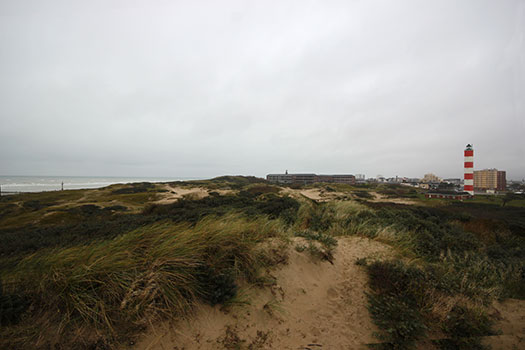
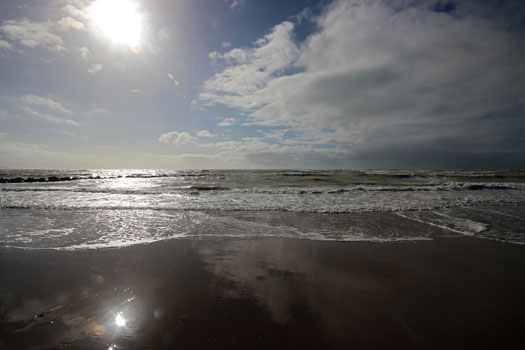
The radar was set into these sand dunes. These radars were placed here to watch over the coast as an early warning for an attack by sea and air. Every day almost what ever the weather allied fighters, fighter bombers and bombers were out doing their stuff and had to be watched so stubborn defence could be put up against them.
22 October 2014
StP Berck Süd (Coastwatcher Radar), Fu.MG Seetakt Gema Zertsörersaüle Fu.MO 3.
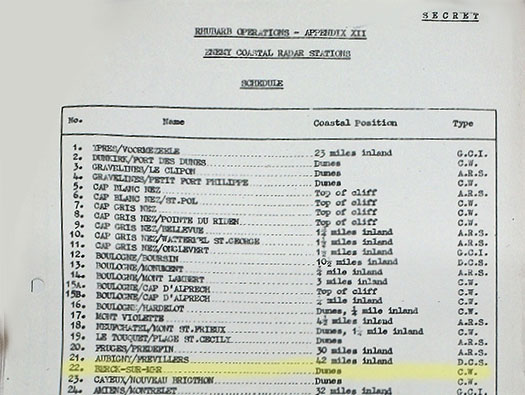
A secret list of radars coastal area, the type this is how the allies named the radars. They did not use the German terms.
C.W. - Coast watcher.
G.C.I. - Ground control intercept.
A.R.S. - Aircraft reporting station.
D.C.S. - Day fighter control station.
NA
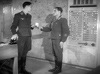
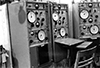
StP Berck Süd (Coastwatcher Radar), Fu.MG Seetakt Gema Zertsörersaüle Fu.MO 3.
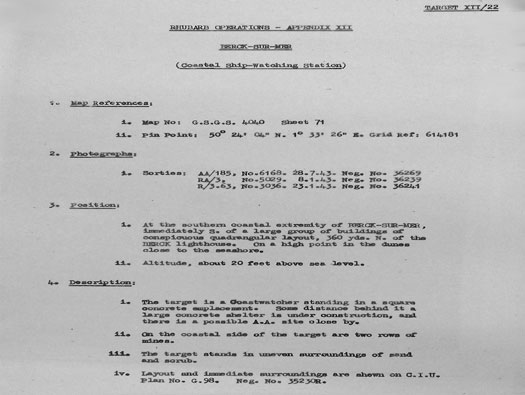
Map references.
Photographs.
Position.
Description.
All the details a fighter, bomber pilot would need.
NA
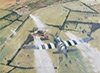
StP Berck Süd (Coastwatcher Radar), Fu.MG Seetakt Gema Zertsörersaüle Fu.MO 3.
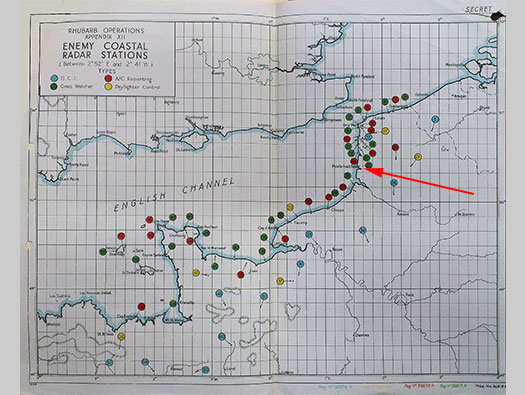
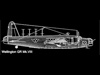
British small gun boats would sail across to the French coast and cause a rumpus whilst special Wellington bombers filled with electronics would fly around and locate the radars as they lit up looking for the ships. Thus locating the radars to destroy them when the time was right. The radars could also direct the guns on the cliffs to fire on the boats. They then knew where all the guns were.
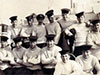
An old friend who was a 17yearold sailor on a steam gunboat whose captain was the famous Sir Peter Scott, the bird watcher. Peter Scott would come in slowly under the French cliffs and order 'SPARKS' to the engine room. Sparks would then fly out of the funnel and on a dark night lighting up the area around the boats. Thus giving away their position. The radars and guns would then open up on them as they retreated at high speed. The Wellington meanwhile was recording all this information. Later when D-day came along these radars were either attacked and knocked out OR left alone and allowed to be used so that RAF Bombers could drop 'Window' strips of silver paper that blocked radar OR it could fool radar into thinking something was there when it was not, like on the morning of D-day window was dropped to look as though a vast fleet was attacking the north French coast.
NA
StP Berck Süd (Coastwatcher Radar), Fu.MG Seetakt Gema Zertsörersaüle Fu.MO 3.
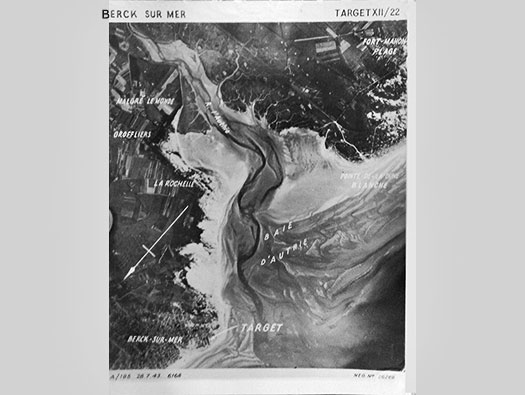
High flying reconnaissance photo.
NA
StP Berck Süd (Coastwatcher Radar), Fu.MG Seetakt Gema Zertsörersaüle Fu.MO 3..
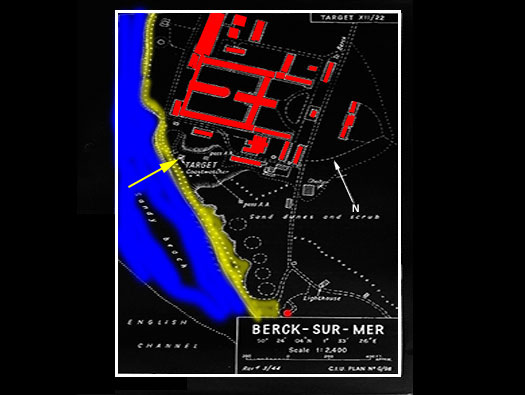
Plans, models, maps and photos were produced in prolific numbers to aid the pilots.
NA
StP Berck Süd (Coastwatcher Radar), Fu.MG Seetakt Gema Zertsörersaüle Fu.MO 3.
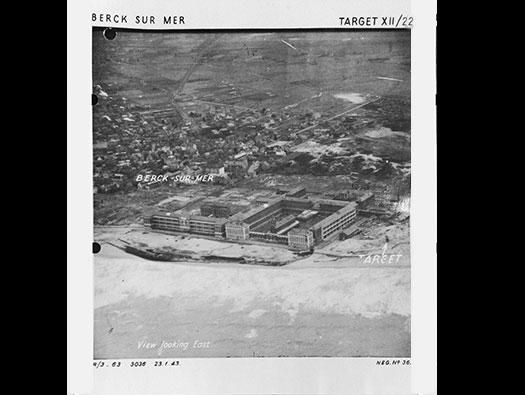
Probably taken by a Spitfire.
NA
StP Berck Süd (Coastwatcher Radar), Fu.MG Seetakt Gema Zertsörersaüle Fu.MO 3.
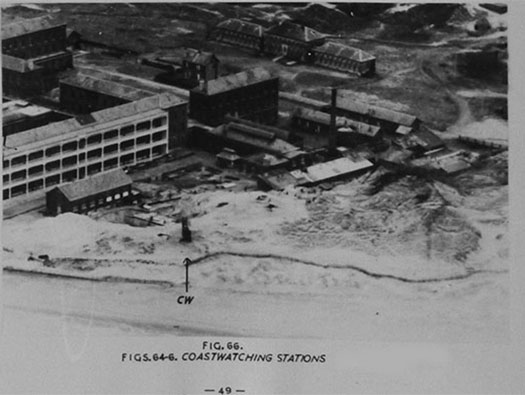
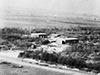
'Even lower' Low level reconnaissance photo of the Hopital Maritime.
You can see the radar sticking out very well.
NA
StP Berck Süd (Coastwatcher Radar), Fu.MG Seetakt Gema Zertsörersaüle Fu.MO 3.
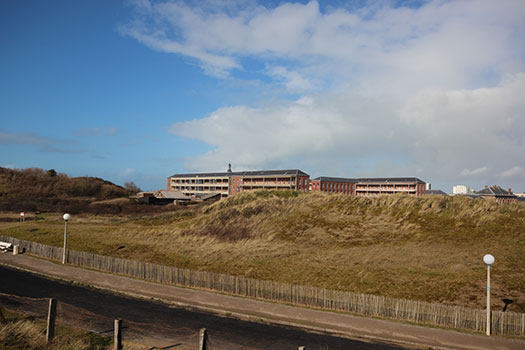
The sand dunes look as though they have moved and covered the area where the radar sat.
22 October 2014
StP Berck Süd (Coastwatcher Radar), Fu.MG Seetakt Gema Zertsörersaüle Fu.MO 3.
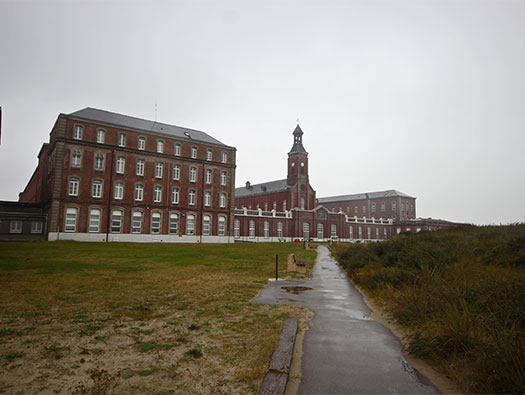
The radar was to the right of this picture.
22 October 2014
StP Berck Süd (Coastwatcher Radar), Fu.MG Seetakt Gema Zertsörersaüle Fu.MO 3.
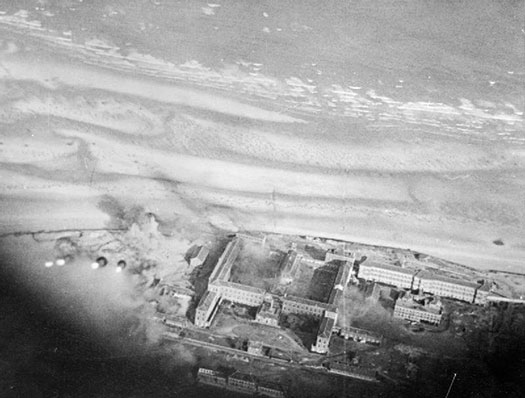
This is an RAF photo of a Typhoon attack on the radar.
NA
StP Berck Süd (Coastwatcher Radar), Fu.MG Seetakt Gema Zertsörersaüle Fu.MO 3.
22 February 2014