La304 St-Jacut pointe du Chevet, K.V.U.Gruppe Matignon, K.V.Gruppe Lamballe
WN · K.V.Gruppe Lamballe · AOK 7 Brittany · France

Ro425 ´Kora´, Ro429 'Korola', Ro424 'Käthe', MENU Page
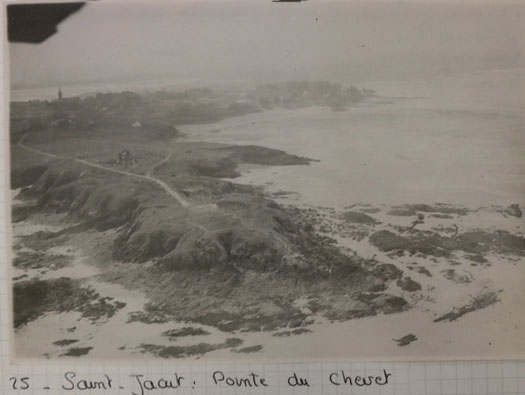
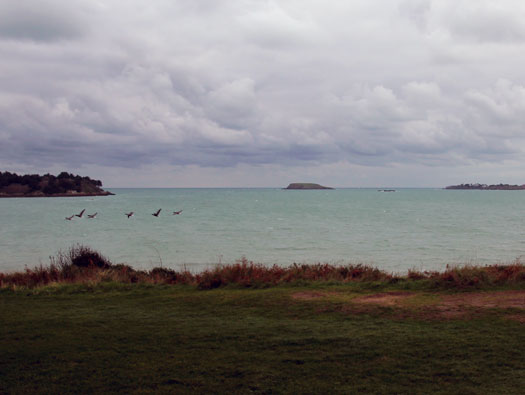
La304 St-Jacut pointe du Chevet was a small Widerstandsnest with three casemates and several machinegun posts, defending the Baie de L'Arguenon on the west side and the Baie do Lancieux on the east side.
shm
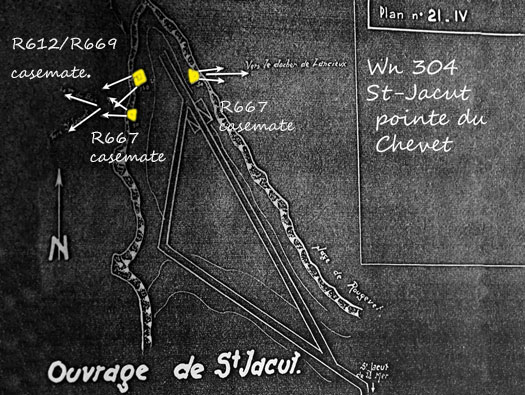
La304 St-Jacut,Pointe du Chevet.
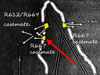
1 x R612/R669 casemate without measuring it could be either.
2 x R667 casemates.
1 x VF/MG Stand.
1 x Unterstand.
2 x 5cm KwK.
1 x 7.5 F.K.
shm
24 November 2013
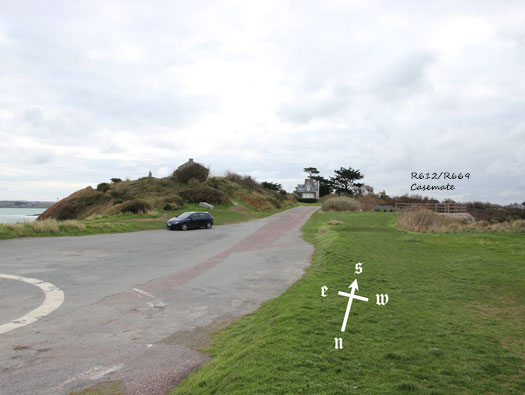
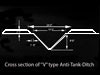
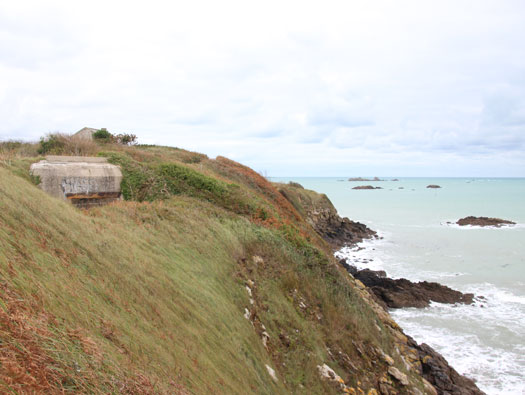
La 304 at St-Jacut pointe du Chevet is on on a peninsular, the bunkers were built west and east of the cliff to defend the beach at Lancieux and the barrage at le Guildo. At the neck of the peninsular, there was probably either an anti-tank ditch, a thick barbed wire fence and also a mine field. None of this remains today.
The R612 casemate, one site states its an R612 and another book that it is an R669.
24 November 2013
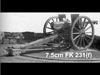
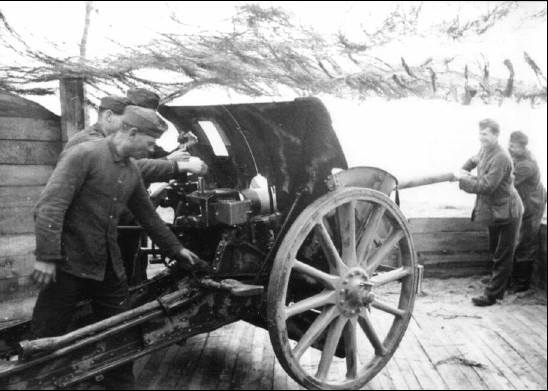
F.K 235(b) an ex Belgian Army captured gun and re used in fortifications. Very accurate, quick firing and can fire armoured piercing or high explosive.
24 November 2013

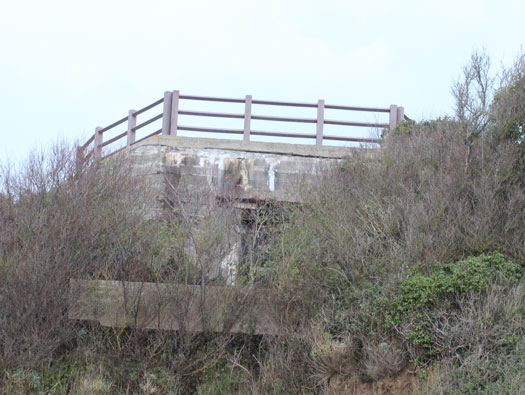
The R612 casemate, one site states its an R612 and another book that it is an R669.
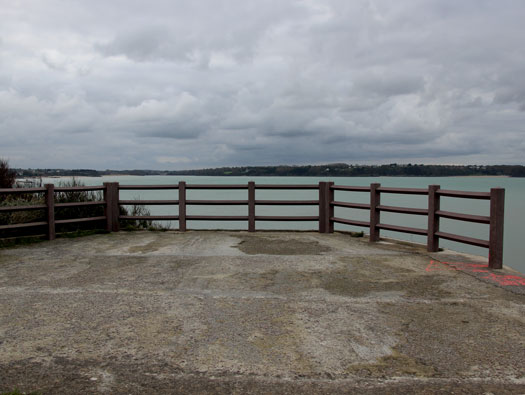
From the front the casemates look very alike, this one looks as though it was built on a concrete raft as the ground may have been very unstable.
24 November 2013
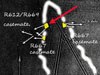
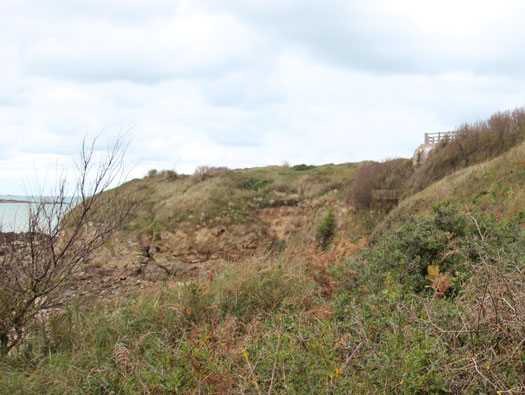
The R612 casemate, one site states its an R612 and another book that it is an R669.
Its very hard to get close, its also sealed, so no measurements can be taken inside.
24 November 2013
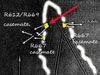
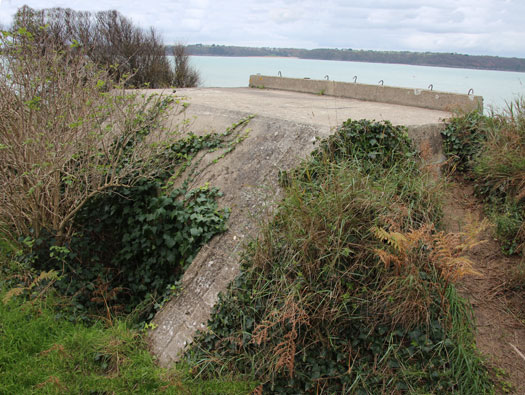
R667 casemate rear. Western side.
24 November 2013
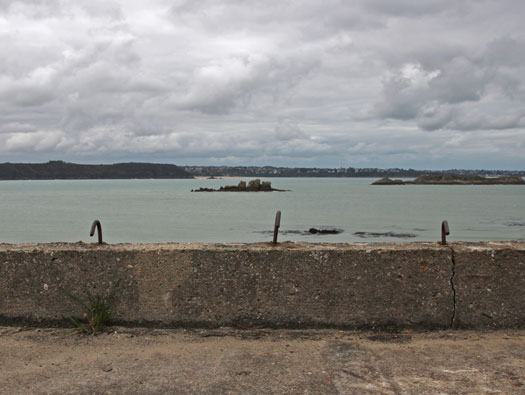
Casemate hooks for a camouflage net to hook to.
24 November 2013
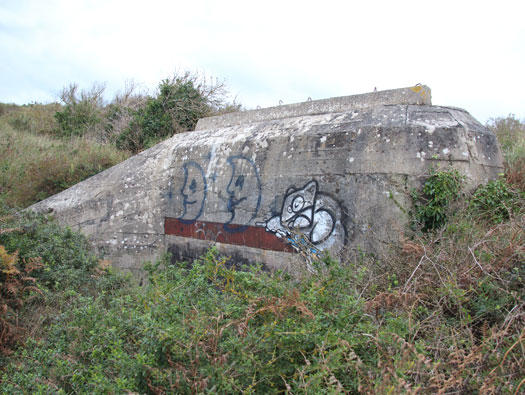
R667 casemate.
Western side.
24 November 2013
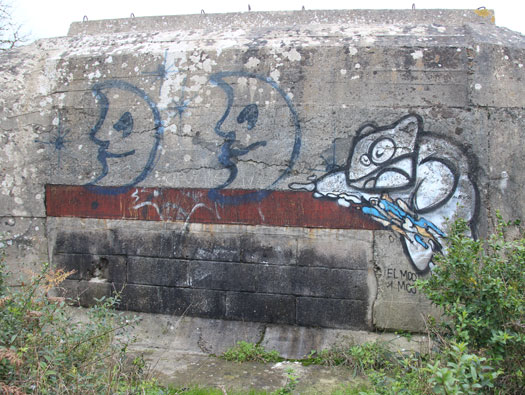
24 November 2013
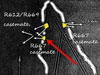
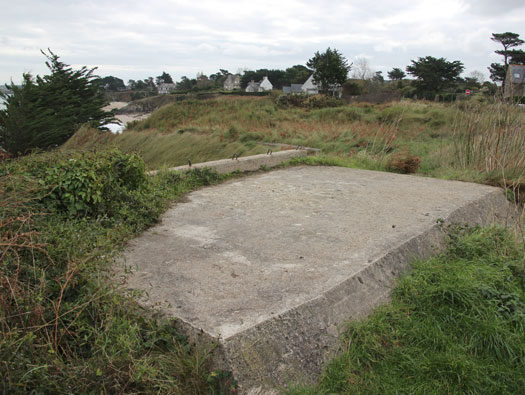
R667 casemate. Eastern side.
24 November 2013
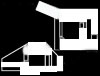
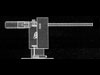
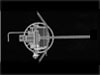
R667 casemate. Eastern side.
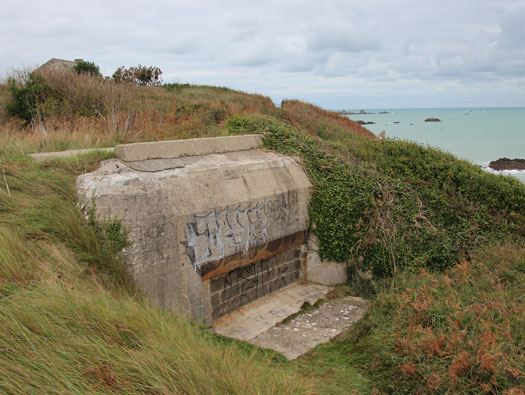
These casemates were built especially for a 5cmk Kampfwagenkanone, originally fitted to a Mk.IV tank, these tanks were upgraded to a 7.5KwK gun and so that left the armouries with a lot of 5cm guns. A pillar mount was designed and first placed in earth positions as at Wn62 on Omaha Beach. Then in open emplacements. Vf1694 or
R667 casemate. Eastern side.
These casemates would have had earth on top of the roof, the concrete along the front, stopping and earth from slipping down into the embrasure. Then putting turf on the top and adds to its camouflage. Then a net covering the front and that would hide the shadow given off by the vertical face. Very hard to locate when properly hidden.
24 November 2013
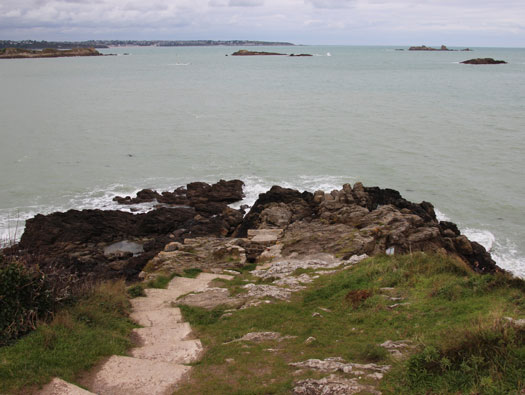
Possibly the VF/MG Stand. Cut out of the baron rock and entrenched.
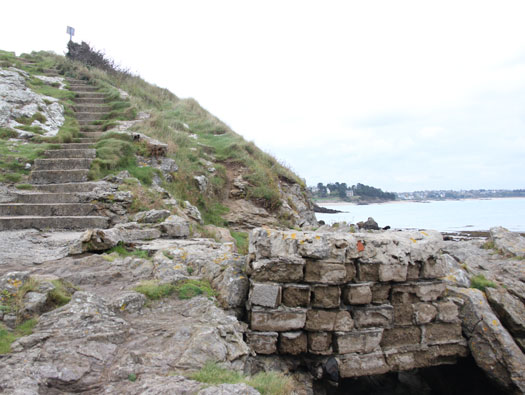
Possibly the VF/MG Stand.
Cut into the rock and odd pieces of brick, rock used to make up the trench.
24 November 2013.
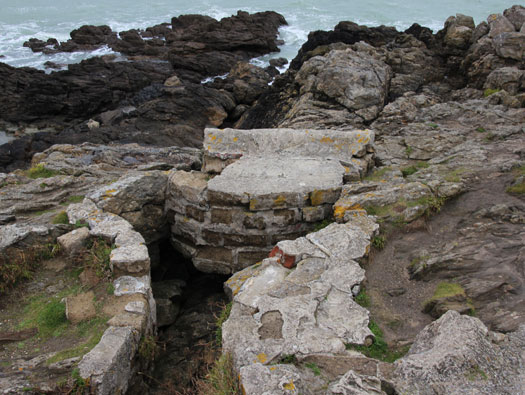
Possibly the VF/MG Stand.
A machine gun could be set up on the concrete base behind a wall of sand bags, camouflaged and it would be very hard to see. The space on the left of the platform is for the ammunition handler and also the guns commander, who would spot for the gunner.
24 November 2013
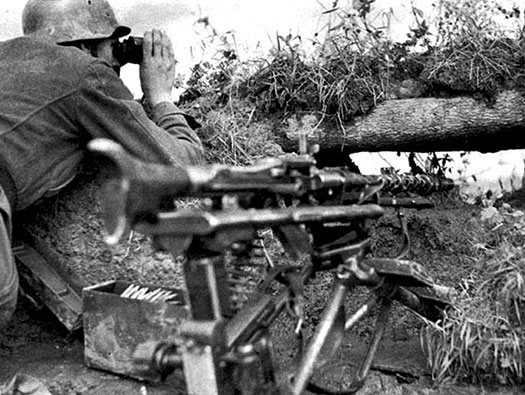
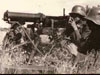
I think this is an MG42 and the type that may have been used here, it shows how a machine gun can be camouflaged and hidden with adding logs and foliage. The machine guns issued could be anything from the very latest, the MG42, or an Mg34, MG08 a WW1 machine gun, French and many other foreign guns could be used. Also ammunition for these guns could be totally different calibres.
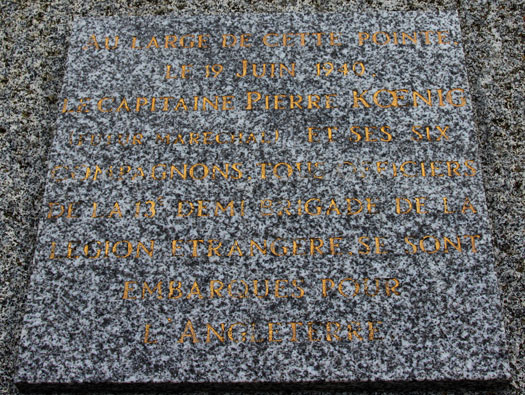
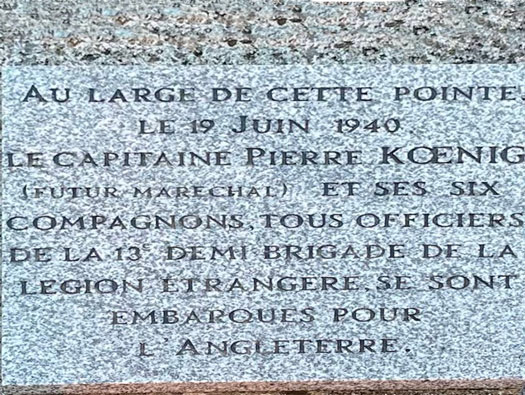
French soldiers escaped from here to Britain in 1940. This is all I knew about the plaque, now I am uploading the photo, I visited Google Maps and found a much better image than mine, it must have been re painted.
Off This Point On
June 19, 1940
Captain Pierre Kœnig(Future Marshal) and His Six Companions,
All Officers
of the 13th Demi-Brigade of the
Foreign Legion
Set Sail for
England
24 November 2013
Marie-Pierre Kœnig (1898–1970) was a key Free French officer who escaped from Brittany to England in June 1940 following the fall of France. After fighting in Norway, he joined General de Gaulle's Free French movement in London, and rose to prominence as a commander, notably in the 1942 Battle of Bir Hakeim. And a lot more.
24 November 2013
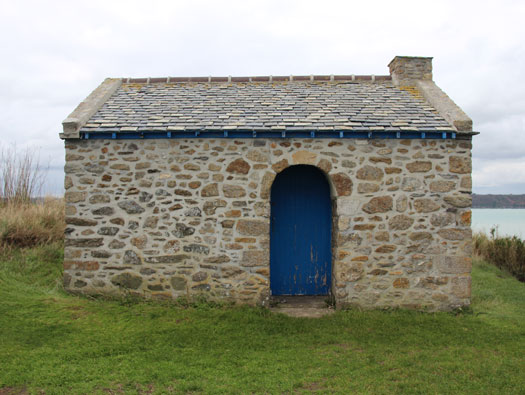
Corps de garde du chef de l'isle.
Chef de l'Isle Guardhouse (Saint-Jacut-de-la-Mer).
Inventory of Cultural Heritage in Brittany. The rectangular, single-story structure, featuring a gable roof, measures 4.50 meters in length by 3.50 meters in width. It features a single entrance, an arched doorway (rebuilt) on the north side and a window on the south side. The entire masonry structure has been repointed using cement mortar, as has the schist roofing. On the general map of the "Capitainerie garde coste" (Coastal Guard District) drawn up by the Count of Pontbriand in 1734, the Saint-Jacut guardhouse is depicted as being in ruins, as is the Ebihens battery. The Dinan district was subsequently rearmed around 1793, and a small portion of its fortifications was restored. However, the 1827 cadastral map indicates the presence of the guardhouses at Château-Parlant (now vanished) and Le Chevet. Today, only the Chef de l'Isle guardhouse remains standing; it has been restored by the municipality. Locality: Chef-de-l'Isle Roofing Materials: Schist tiles
Setting: Isolated location
Location: Coastal municipalities of Côtes-d'Armor
File Author(s): Guy Prigent
24 November 2013
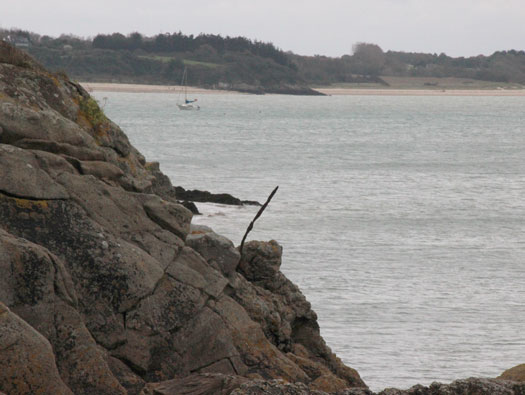
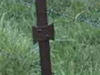
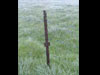
Eisenpfahel barbed wire post.
Behind is one of the western beaches, Plage des Haas that the Wn was placed here to defend. This side had the machine gun, a 5cm KwK casemate and a casemate for a 7.5cm F.K.
24 November 2013
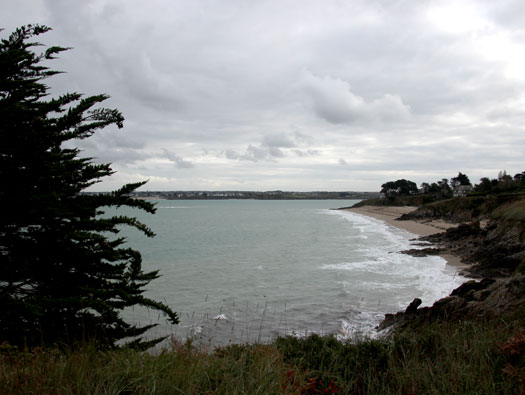
This is the other beach on the eastern side Plage du Rougeretthat, was defended by the machine gun and the 5cm KwK in an R667 casemate.
24 November 2013
La304 St-Jacut pointe du Chevet.
24 November 2013