RAF Aston Down, Gloucester
RAF · Gloucester · England · United Kingdom

Html
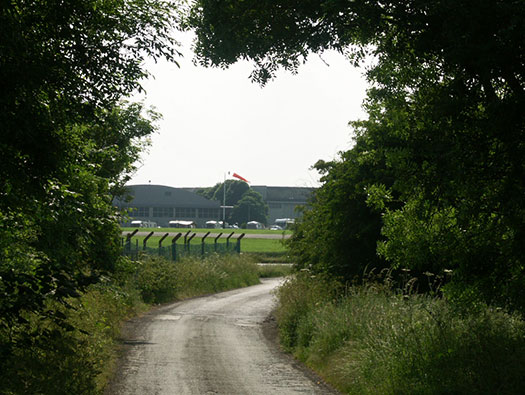
The road into the site from the east.
History : the airfield was started in WW1 as a Training Depot Station for the Australian Flying Corps. Called Minchinhampton. Like most WW1 aerodromes, the camp, hangars were pulled down, although one hangar remains, moved to another site and used as a garage.
With the rise of of Hitler, the RAF decided they needed parity to France and Germany, so many new RAF airfields were designed and laid out. There were many Expansion Schemes and one asked for a set of aircraft storage and repair facilities. They were called ASU's. Aircraft Storage Units. Where aircraft could be brought from local aircraft builders and be stored, fitted out with war materials, machineguns, radios, etc. Kept here and then when needed, flown out to a station and Squadron that needed it.
Many of the A S U's & were becoming ready for 1938/39. The Expansion Scheme era is very interesting in an architectural sense. Buildings were allowed to be designed by modern architects in an English/Georgian style and made to fit in to the surroundings by using local materials.
Hangars (named also as Sheds):
1 x C type.
4 x D type.
6 x Bellman.
8 x Blister.
23 x Robins.
6 x E type.
2 x L type.
44 aircraft dispersals of Y type and fighter circular types.
19 June 2005

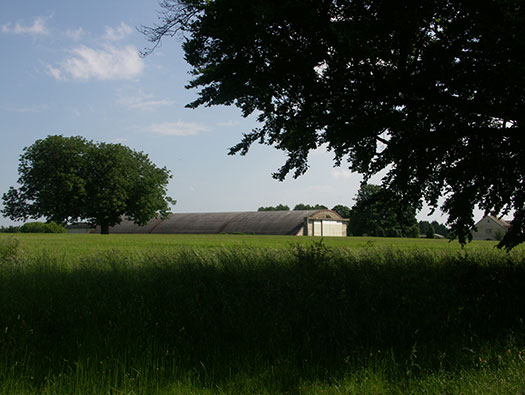
Site B, two 'L' sheds 34 & 35.
History : 'L' sheds were designed in 1937 for aircraft storage.
19 June 2005
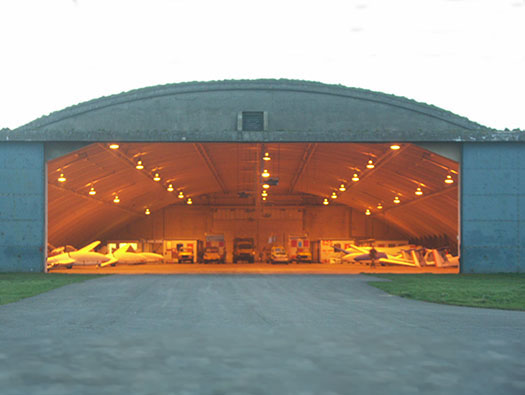
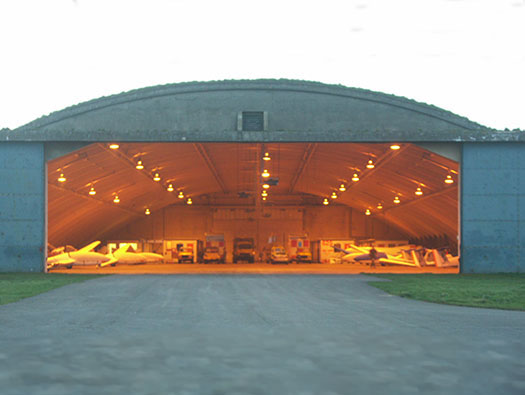
An 'L' shed at RAF Hullavington shows what they look like inside.
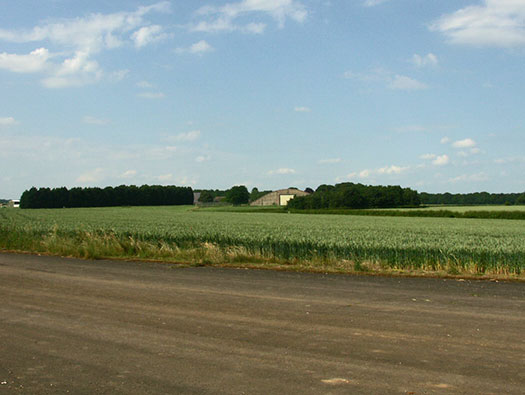
Another view from the perimeter track. We were very lucky, there was access the, now I very much doubt it.
History : later Fighter Command took over.
Change to 5 Operation Training Unit in 1940 using Spitfires, Hurricanes and Defiants.
19 June 2005
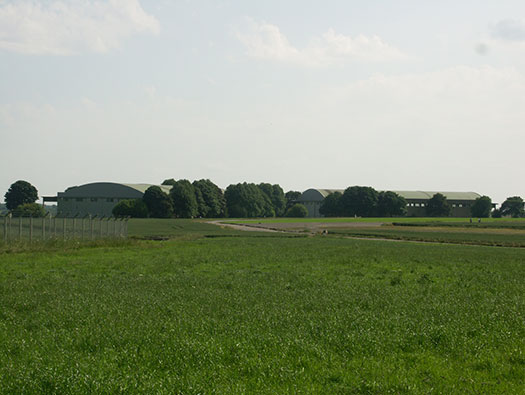
'D' sheds 27 & 28.
The next two are 'D' Type sheds. These very large hangars were constructed in reinforced concrete for the storage of aircraft in their fully erected state..
19 June 2005
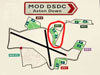
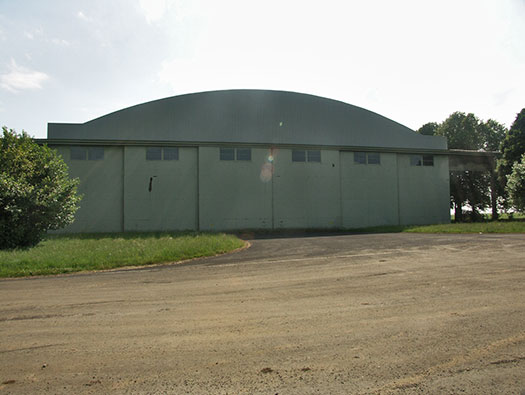
'D' shed 28.
19 June 2005
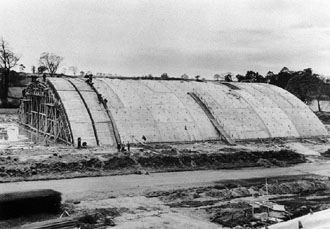
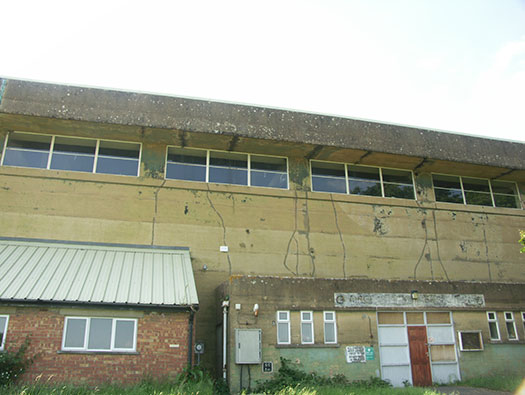
'D' shed 28.
Side view.
The sides of this hangar, one has attached offices/workshops and the other has area for materials salvaged from aircraft. Also you can see traces of the camouflage.
History : November 1940 came with a name change to 55 OTU.
19 June 2005
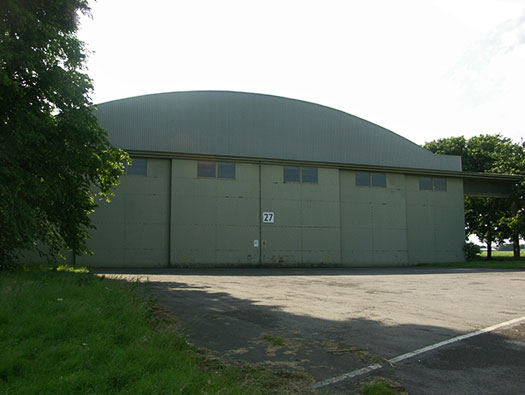
'D' shed 27.
Hangar 27 and inset are details of the door.
19 June 2005
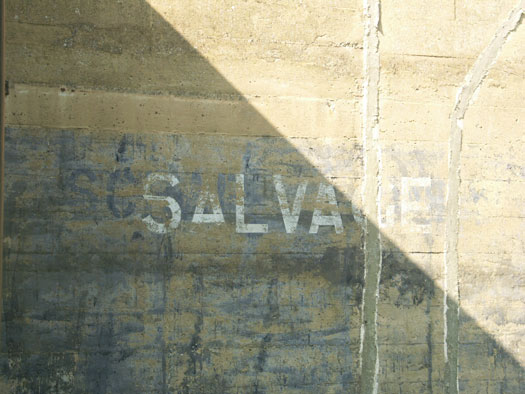
'D' shed 27.
19 June 2005
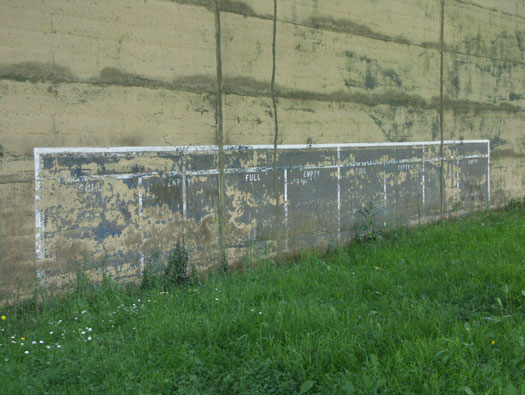
'D' shed 27.
stencilling on the walls
19 June 2005
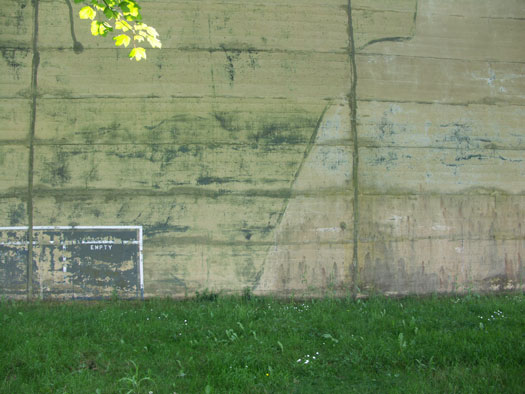
'D' shed 27.
They were not only camouflaged, but they also had eye bolts to hook camouflage nets on them.
19 June 2005

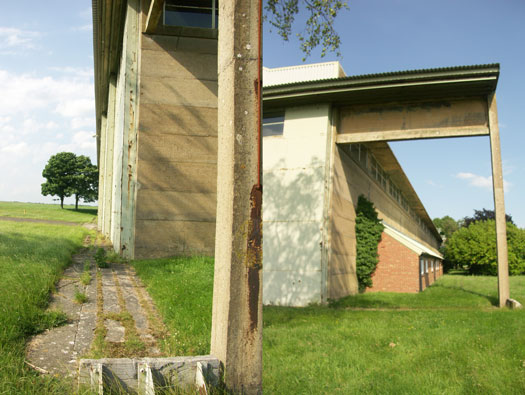
'D' shed 27.
On the left, the main door runners and their door stops. Right looking down the side.
19 June 2005
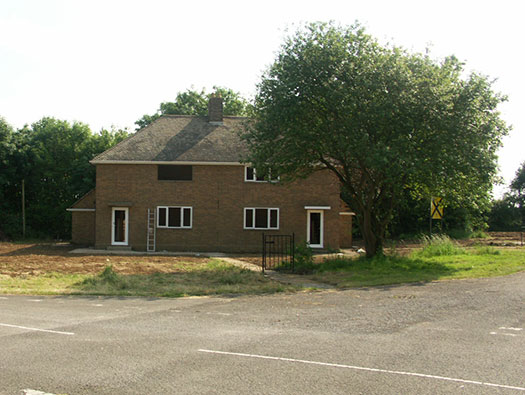
Wardens houses to site 'C'.
19 June 2005
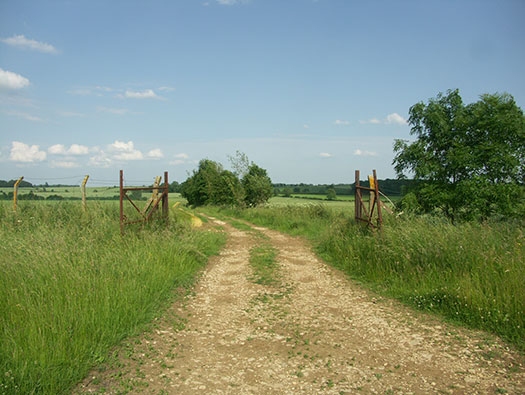
The way out to open aircraft storage and each area was allotted a Robins 'B' hangar, a cheep lightweight hangar, built with minimal foundations and an earth floor. Just to keep tools in, jacking equipment, oil, (petrol?), probably plenty of spare spark plugs. Just enough to ready a plane that has been parked for several day/weeks to fly out to a front line squadron.
Aston Down handled fighter aircraft more than heavy bombers.
19 June 2005
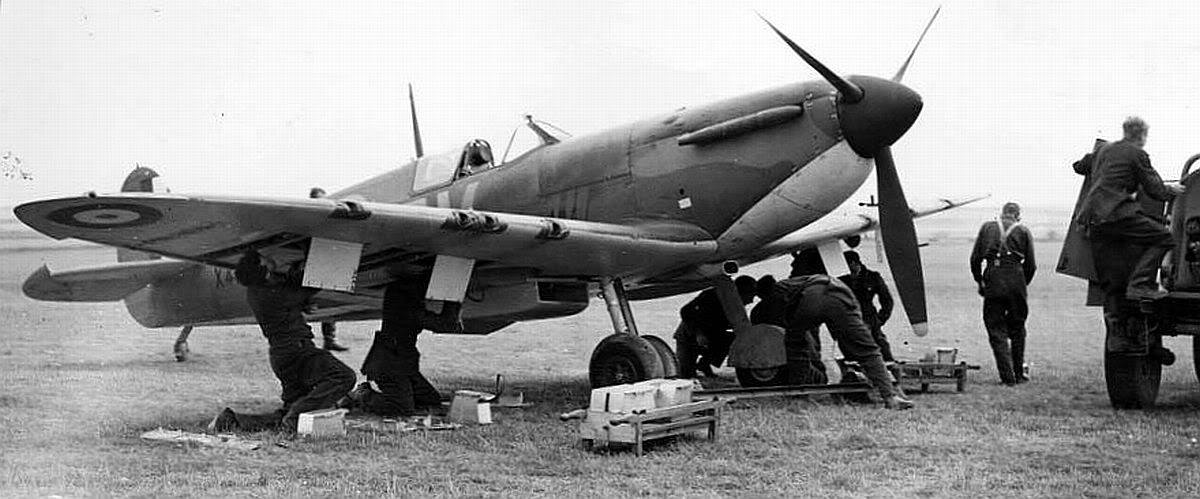
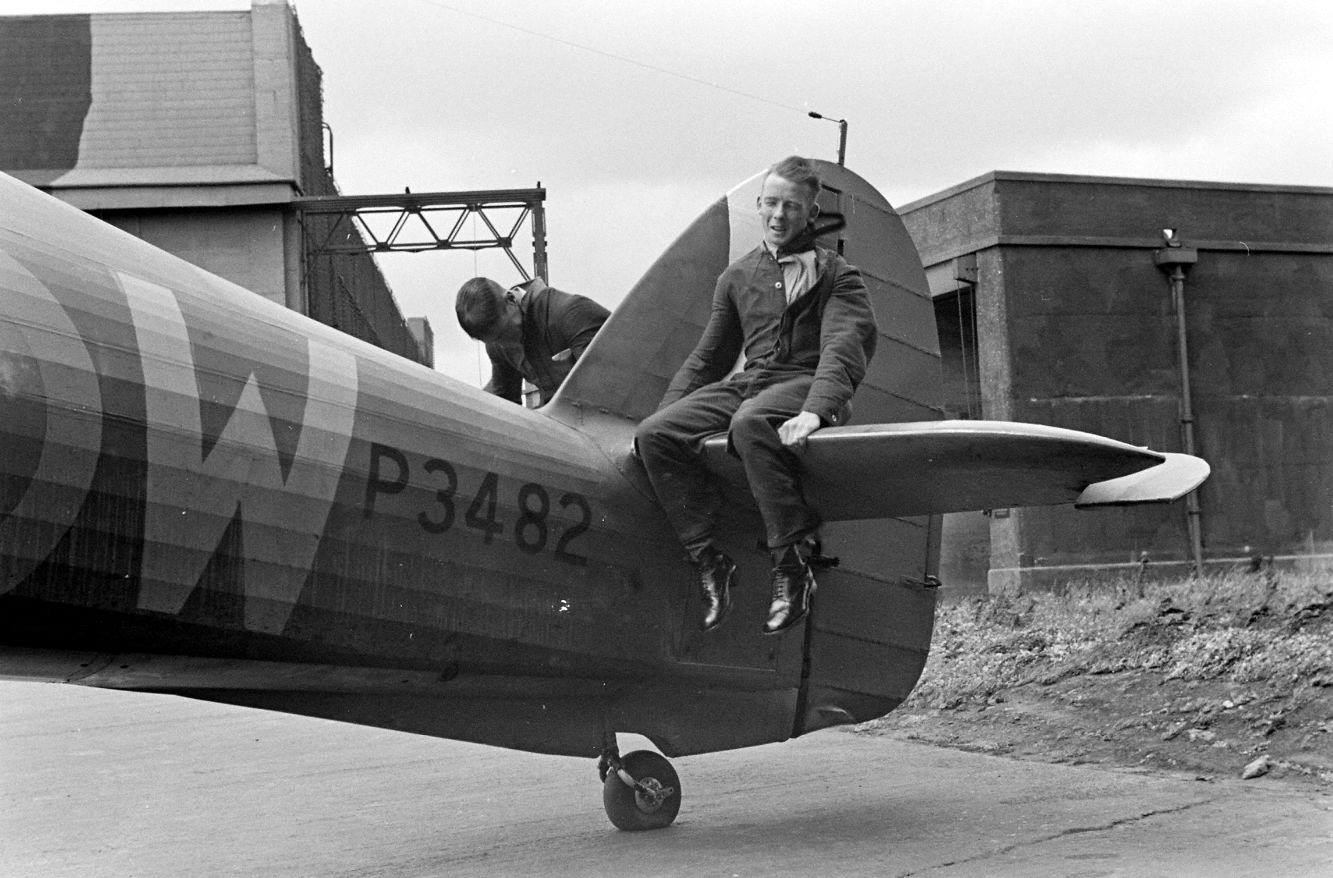
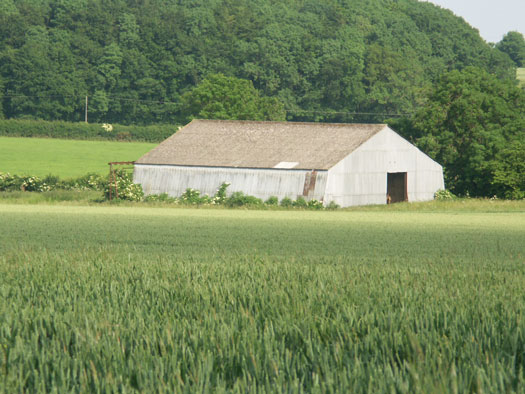
Robins Type 'B' outside the wire where hundreds of aircraft would have been stored, either in need of repair, or ready to go. The RAF system was. One plane on a Squadron, one in reserve at an ASU. One plane being manufactured. That is a simplified form of what went on. So here planes from manufacture, would arrive by air, then armed, radios fitted, etc. Ready for war. Then go into storage. When needed it would be collected, taken to one of the Robins hangars, thoroughly checked over, fuelled oiled, etc. And brought onto the airfield and flown out by an ATA pilot. Most often a woman pilot.
19 June 2005


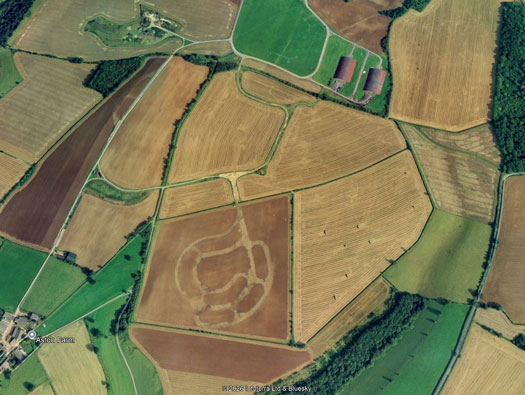
Later wartime aircraft dispersals on the grass with either concrete or clinker roadways.
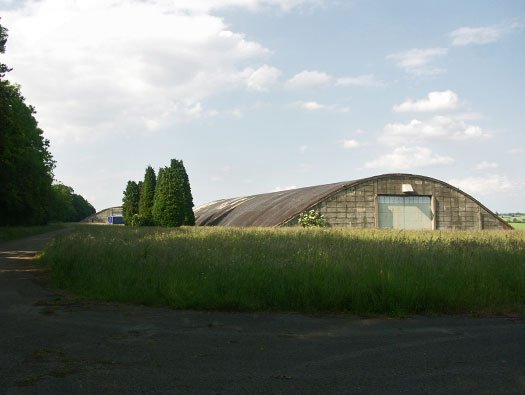
'L' sheds site D 41.
19 June 2005
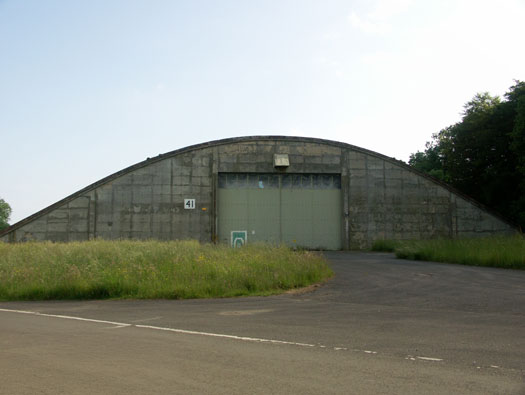
'L' sheds site D 41.
19 June 2005
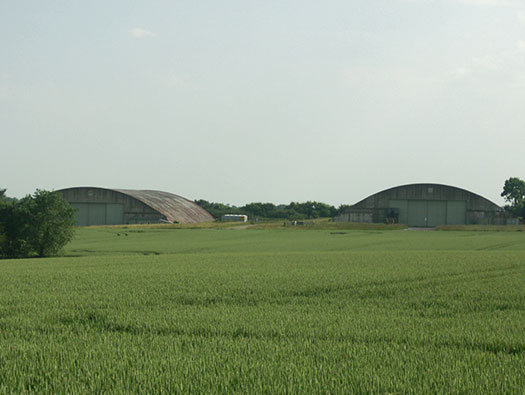
Site G 41 and 42 two more 'L' sheds. I cannot see any heating plants on any of the hangars, so these may have all been un heated.
19 June 2005
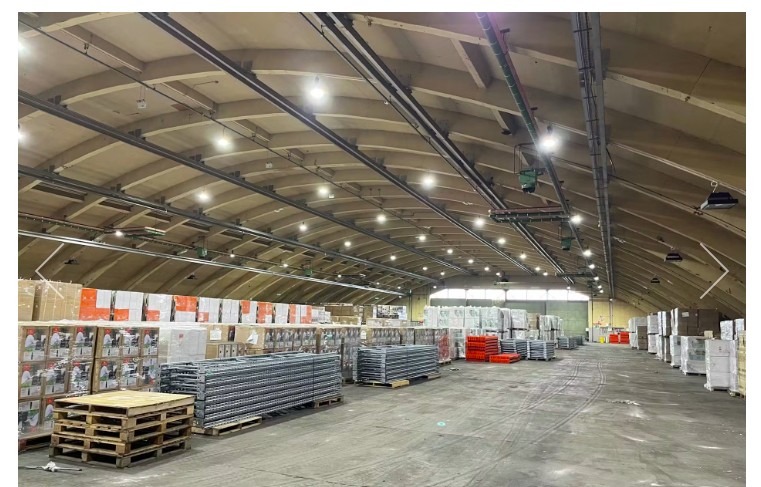
Hanger 21, Aston Down Business Park. (Whitmarsh Lockhart)

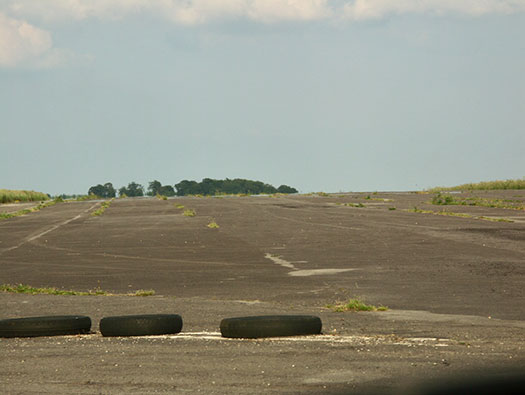
Main runway.
Initially, it would have been designed as a grass airfield. With war coming and the constant heavy use of grass on airfields, it was realised that hard runways were needed. The runways on ASU's were sufficient for most RAF aircraft to take off and land with light loads (not war loads)., and as ASU's were none operational, the runways were perfect even when they started to be used to train pilots.
19 June 2005
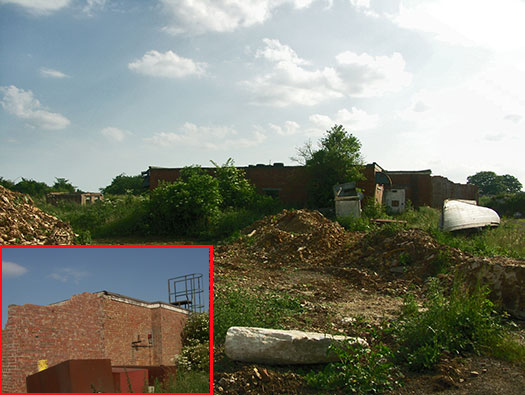
This area was a special test facility.
Initially it was used to test the Fairy Rotordyne rotor blade assembly, consisting of an Avon air bleed, mounted within the long building to supply air to drive the rotor assemble just outside. When the Fairy Rotordyne was cancelled the same rig was used for Concorde air intake research and development work, by mounting a scale model intake on the tip of the spinning blade. On completion of this work the area was used for jet engine noise research with various engines mounted in test stand outside, and a range of other aircraft flying low over the site.
19 June 2005
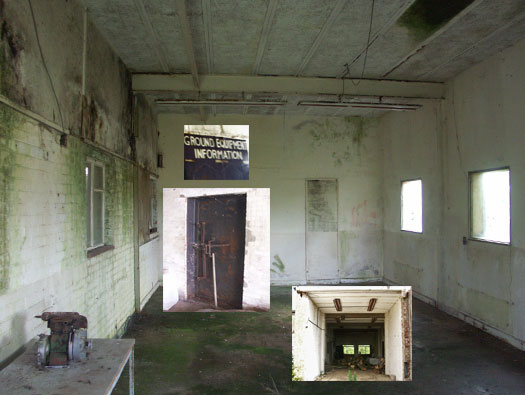
A large noise reflecting pan was constructed to the far SW. This all came to an abrupt end when HRH Philip complained about the noise. The Avon was removed and the site decommissioned. The Fairy Rotordyne rig was just a single rotor blade balanced against a counter weight. Also at Aston Down up until the mid/late 90's where large quantities of aircraft jigs. In the early 80's I visited the site of some jigs which had just been cut up and picked up a data plate which called up Avro York! and I was amazed to find on the east side of the airfield Gloster Javelin jigs (these survived to the late 1980's) Other jigs included, Gnat, Nimrod MR2&AEW3, Victor, Vulcan, Phantom (From the data plates on these jigs, they were made in the UK, shipped to USA for A/C production, and returned to AD for long term storage ....production off set deals eh?), Jaguar, and Harrier.
Rumours from several A/D employee's suggested a complete set of TSR2 jigs where once quietly stored here, without the knowledge of certain members of the government, but I am unable to confirm this.
Thank you to a friend of Aston Down for this information.
19 June 2005
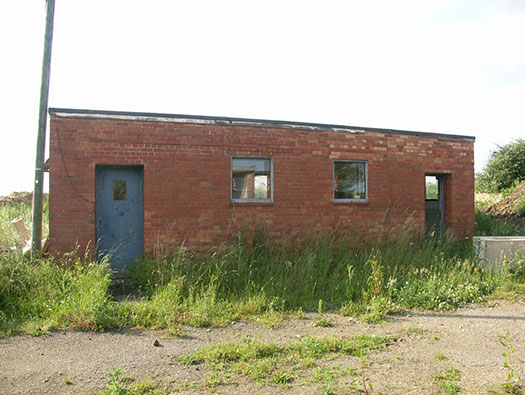
Part of the test facility.
19 June 2005
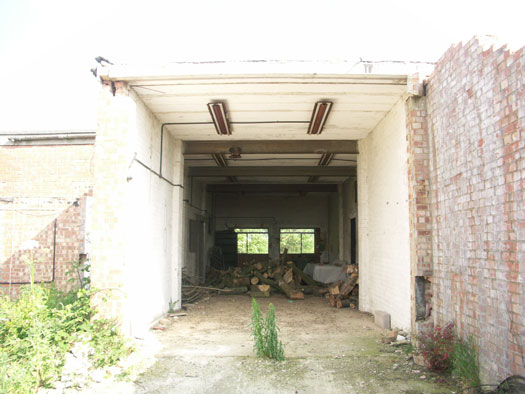
Part of the test facility.
19 June 2005
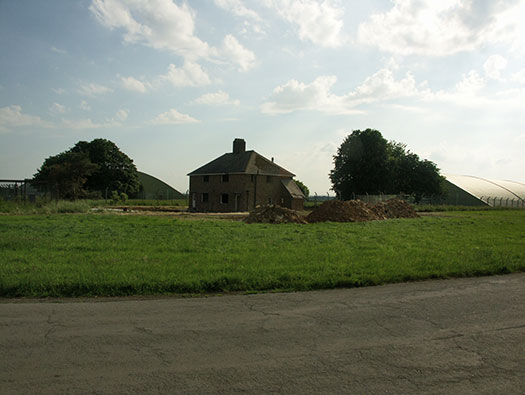
Each storage area had two civilian Wardens. Their job was a bit like an RAF guard room, they would book in any body arriving and leaving, check security at night and basically look after the place. By offering the guards a married quarter, it kept them on site 24hours. Quite a god idea of the Air Ministry.
19 June 2005
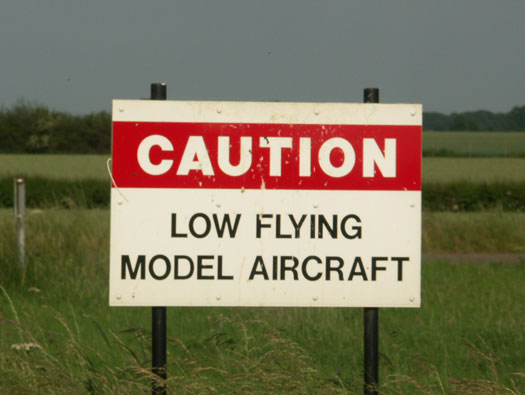
Now for a bit of an interlude.
Whilst we were visiting RAF Aston Down, RAF Kemble was having a display by the Red Arrows.
19 June 2005
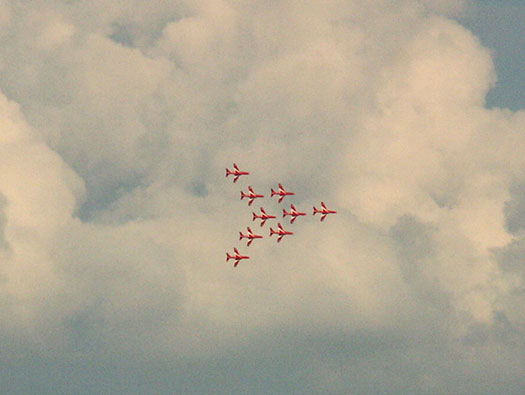
Hawks of the Red Arrows.
19 June 2005

Hawks of the Red Arrows.
19 June 2005
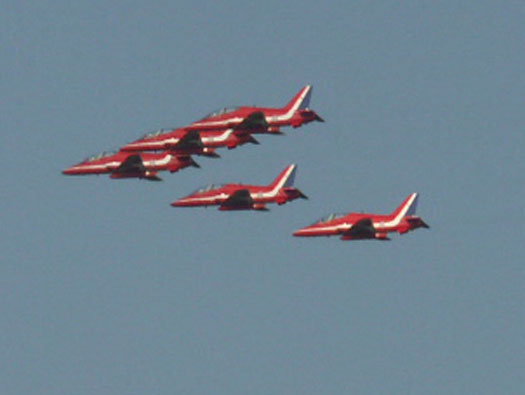
Hawks of the Red Arrows.
We had a good display, just a bit too far for really good photos.
19 June 2005
19 June 2005
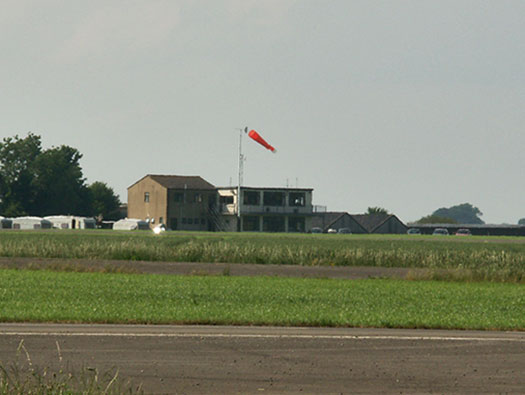
Watch office for all commands 12779/41. Initially there was no control tower, they could have used a caravan, or there was a small building as a watch office. As the airfield got a lot busier with ASU aircraft, training aircraft, VIP aircraft and also planes needing an emergency landing. A proper Watch Office, Control Tower was needed.
19 June 2005
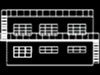
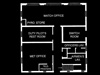
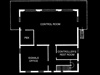
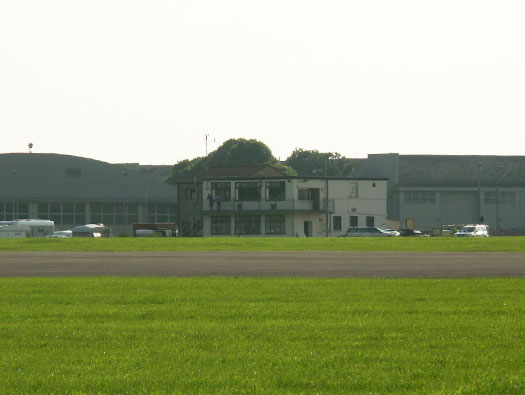
Watch office for all commands 12779/41.
19 June 2005
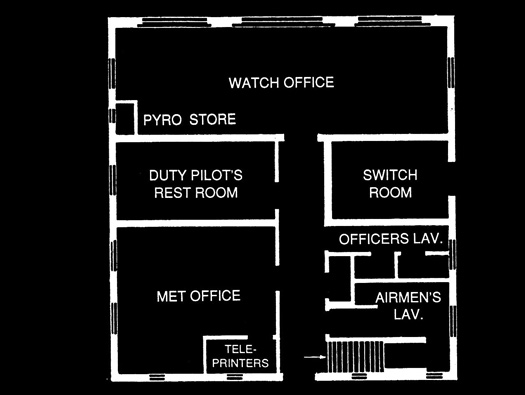
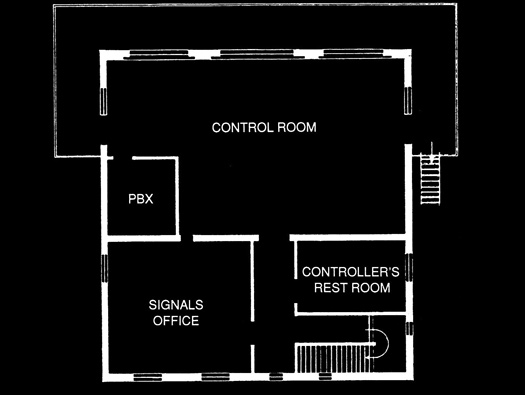
Watch office for all commands 12779/41.
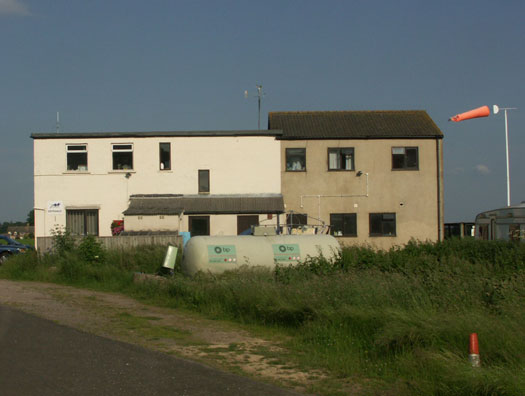
Watch office for all commands 12779/41.
19 June 2005
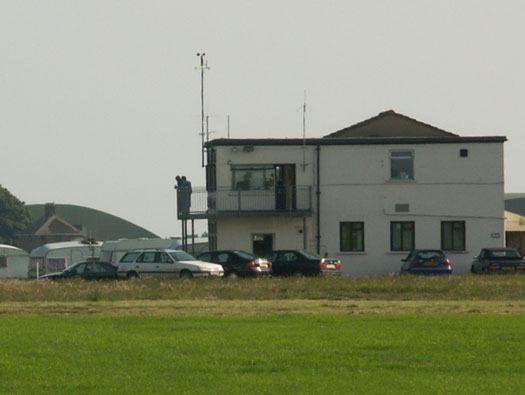
Watch office for all commands 12779/41.
19 June 2005
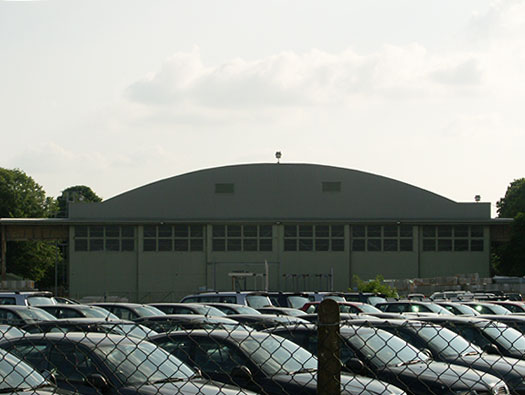
'D' type shed in the main admin area of the site.
19 June 2005
Cannon test butts, before a fighter could leave to go operational, the cannon & machineguns needed aligning. There are two ways, one. Set the plane up level and flat. Fit special devises into the gun ports and use the by looking trough cross hairs at a target. Or, again set the plane level & flat in front of a canon butt and press the button. Then adjust as necesary.
19 June 2005
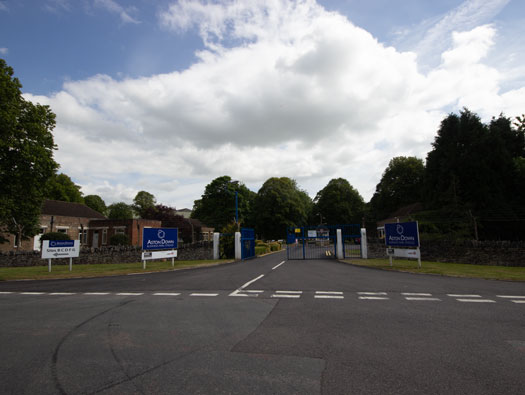
This set of photos is now 27 June 2015, ten years later and just out of the front near the main gate and most of the items that are not behind the wire are wartime buildings and not Expansion Period buildings.
27 June 2015
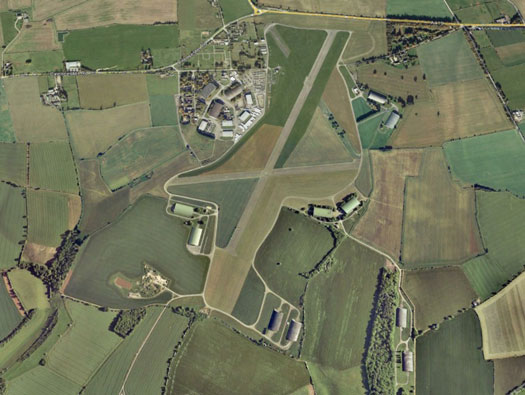
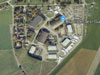
Google 2021
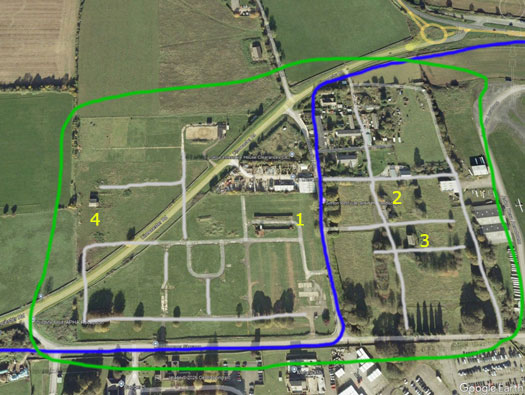
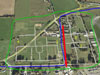
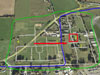
This I believe was the wartime area, with temporary buildings unlike the Expansion periods, permanent buildings.
Green - the area I think is wartime area.
Blue - the original Cirencester road, although pre-RAF Aston Down the road would have cut across the airfield.
Grey - the wartime road network.
I do not have a site plan, so will guess what they are.
1. Fuel Compound.
2. Temporary Brick Hut.
3. Squash Court 6589/40.
4. Unsure what this was.
Google 2021

Dispersed site.
25 June 2015
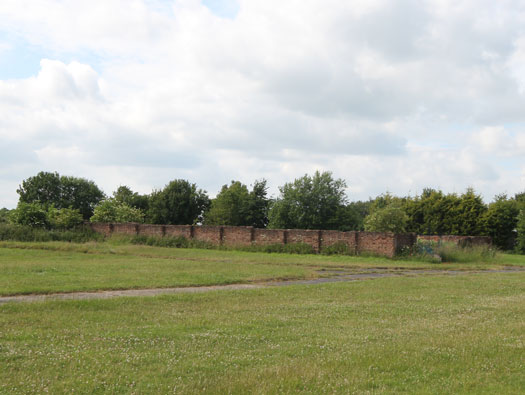
Fuel compound.
25 June 2015
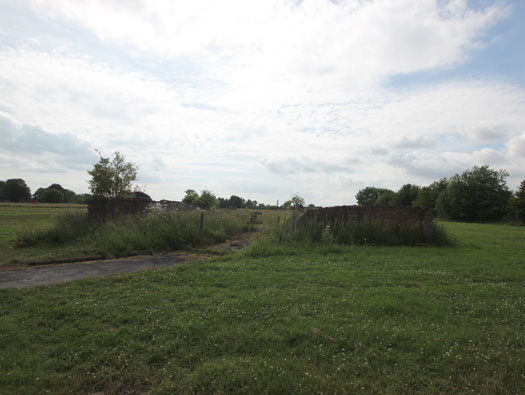
Fuel compound, a walled yard with a wire fence around the top and barbed wire around the top.
The fuel was coal or coke. It would be used in most, if not all the heating. from the humble hut heater to the main boiler house.
25 June 2015
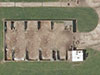

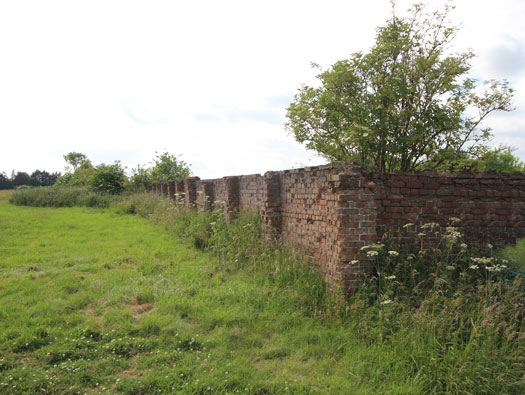
Fuel compound.
The wall on the outside.
25 June 2015
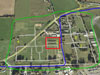
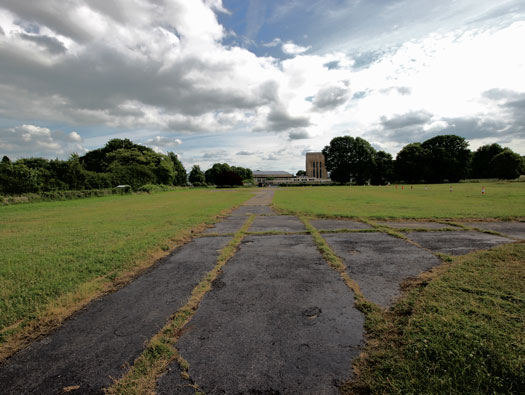
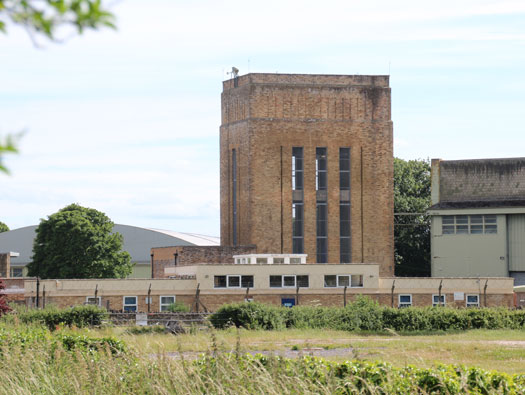
This picture showing the WW2 road system linking into the pre war layout. The prominent building is the high level water tower.
25 June 2015
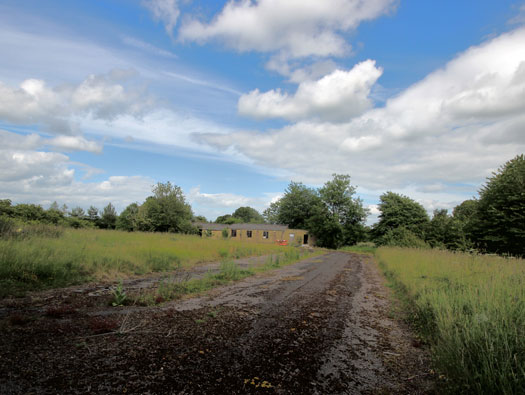
No.2 a hut.
25 June 2015
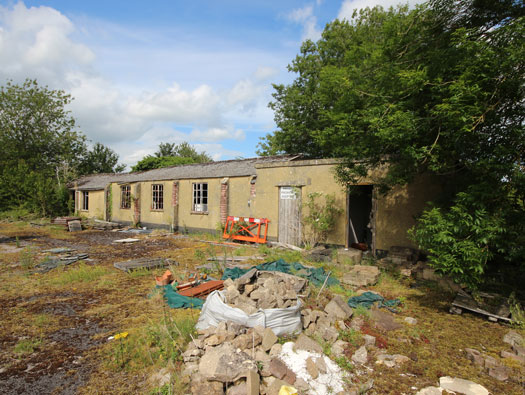
Temporary Brick hut, half brick walls with brick piers.
25 June 2015

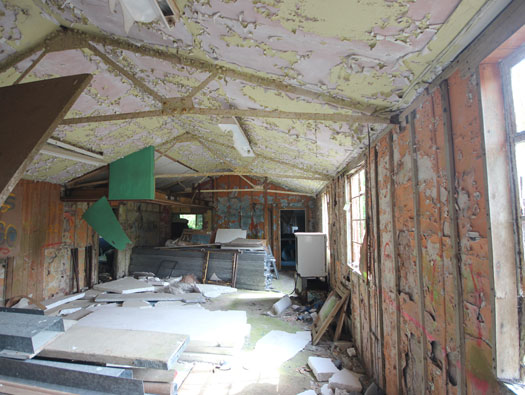
Inside showing the steel roof trusses that sit on the brick piers. Usually the walls were bare brick and painted, but here the walls later were covered.
25 June 2015
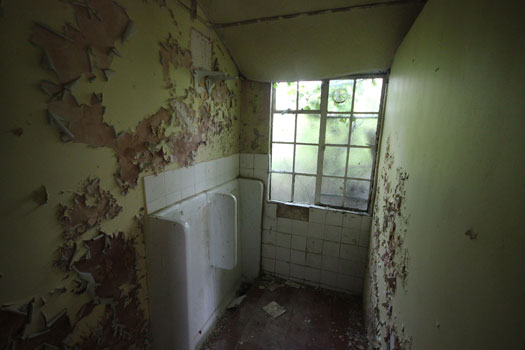
Post war installed toilets.
25 June 2015
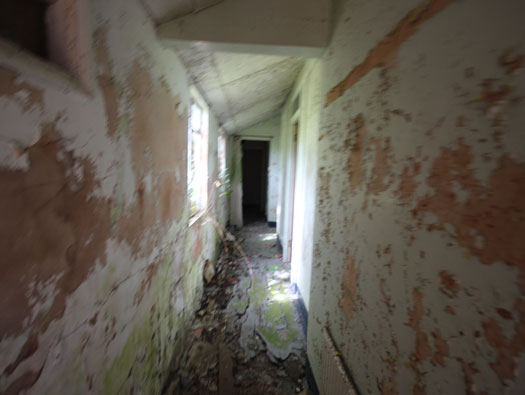
Further down is a long corridor with rooms off to the side.
25 June 2015
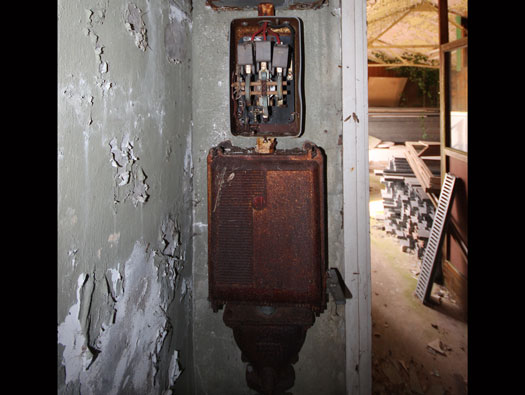
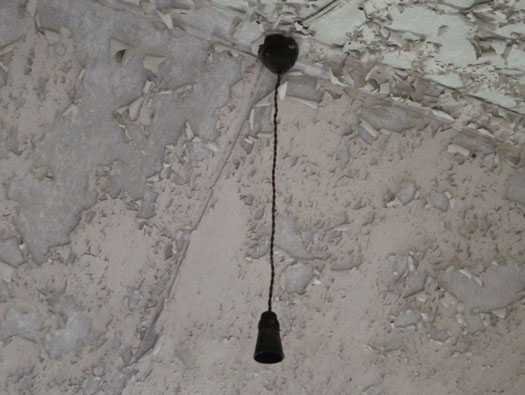
Early electrical supply.
25 June 2015
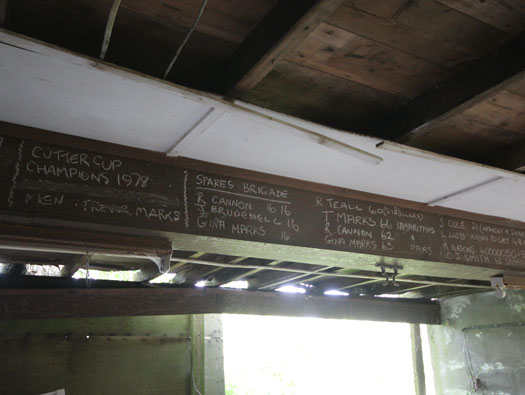
I am not sure if this hut was used as a club or a bar.
25 June 2015
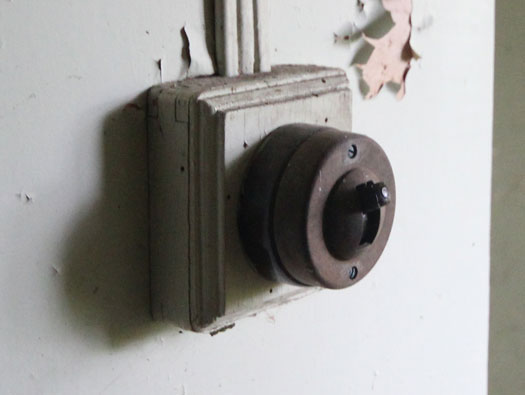
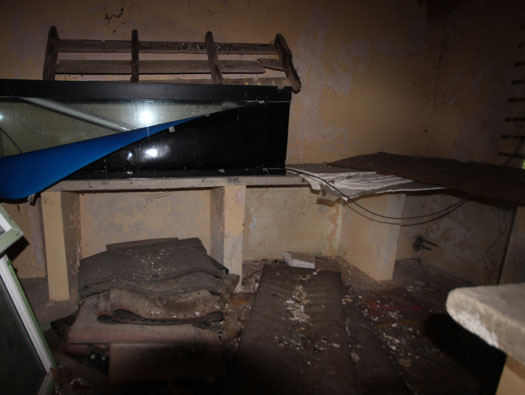
In one of the rooms I found these brick and concrete benches, which were used in workshops. I have mostly seen them on Royal Naval establishments.
25 June 2015
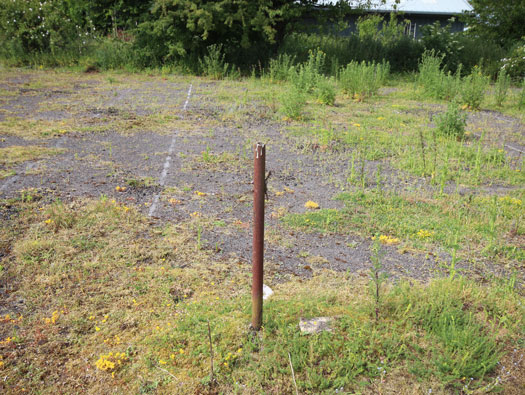
Tennis courts.
25 June 2015
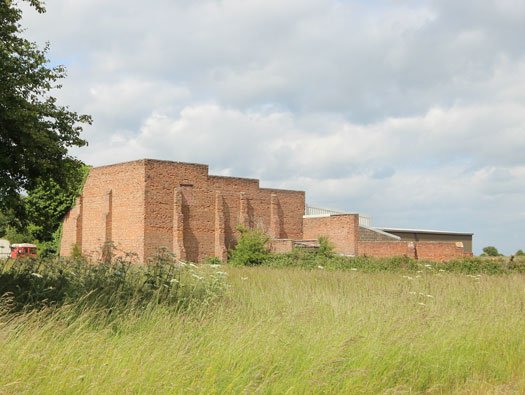
The rear of the cannon test butts.
25 June 2015
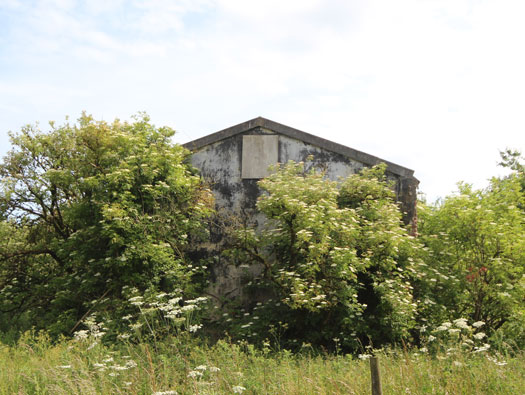
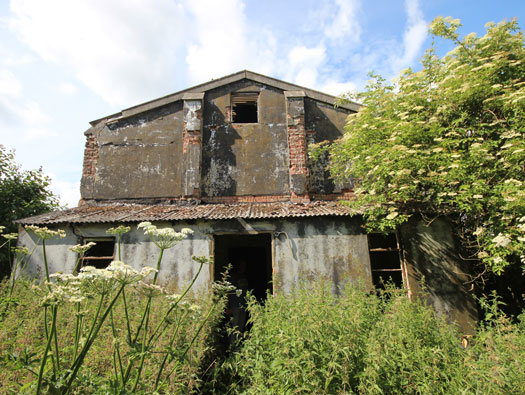
Squash Court 1642/30 in Temporary Brick.
25 June 2015
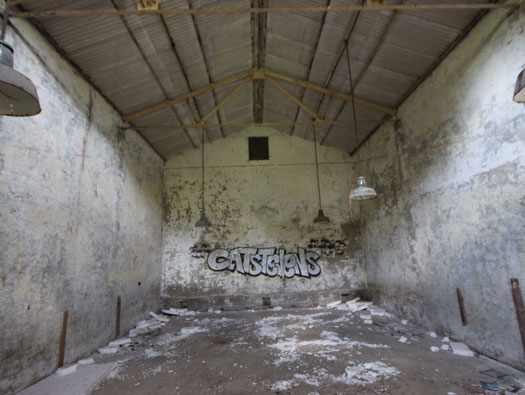
Squash court changing room end.
25 June 2015
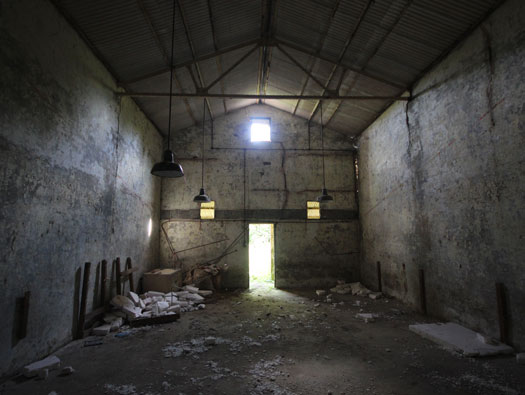
Squash court and could be cleaned up, painted and could be used.
25 June 2015
25 June 2015

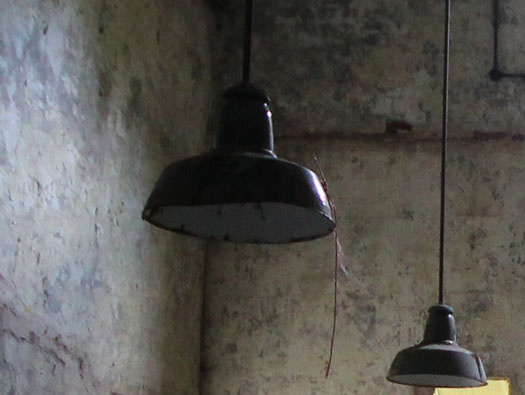
Lamp shades.
25 June 2015
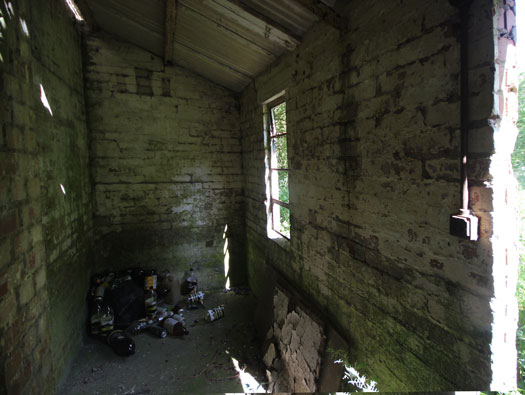
Changing room.
25 June 2015
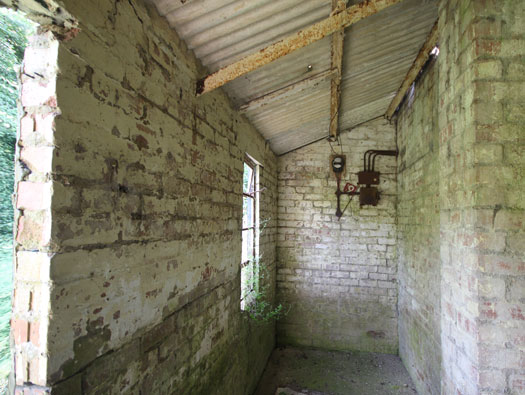
Changing room.
25 June 2015
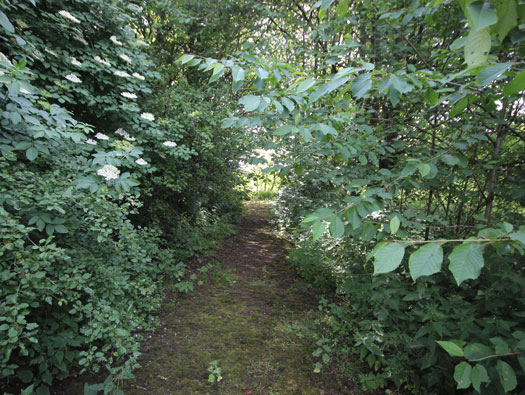
One of the roadways now being grown over.
25 June 2015
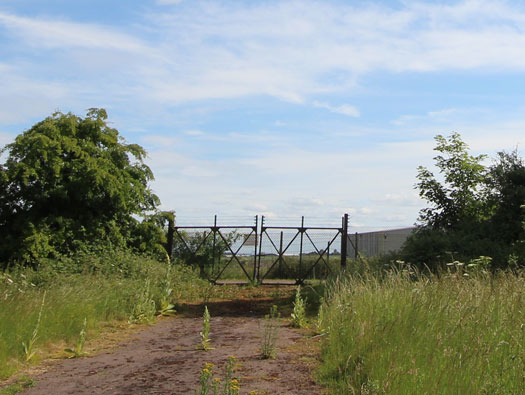
Standard military gates to the airfield.
25 June 2015
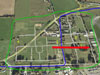
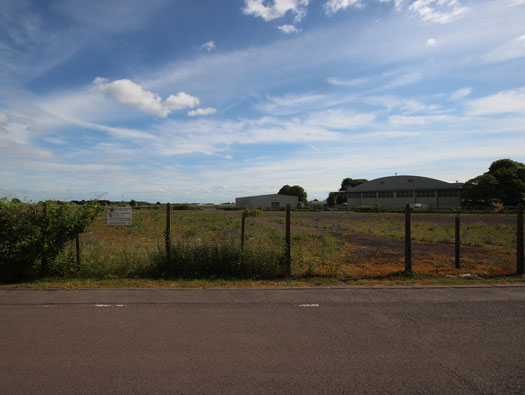
Looking out onto the airfield and the main site on the right with a 'D' shed, one of two here and a 'C' type. The smaller ones look like T2 hangars?
25 June 2015
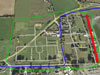
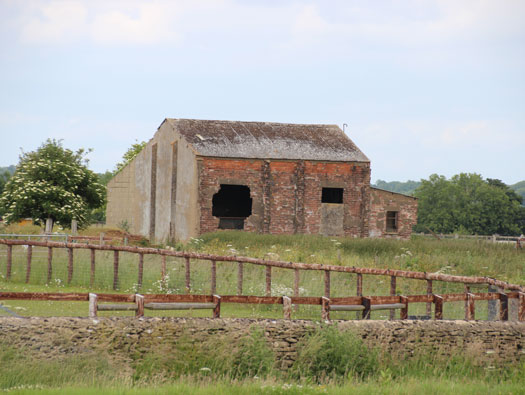
Unknown building.
25 June 2015
25 June 2015
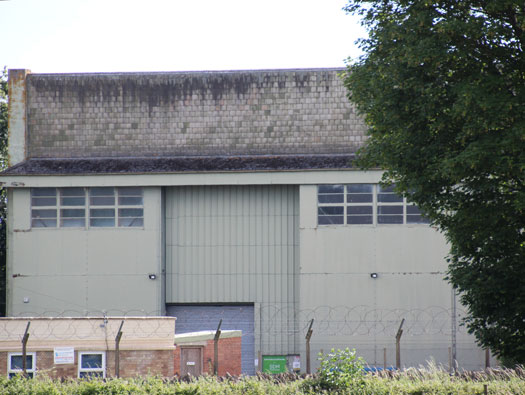
25 June 2015
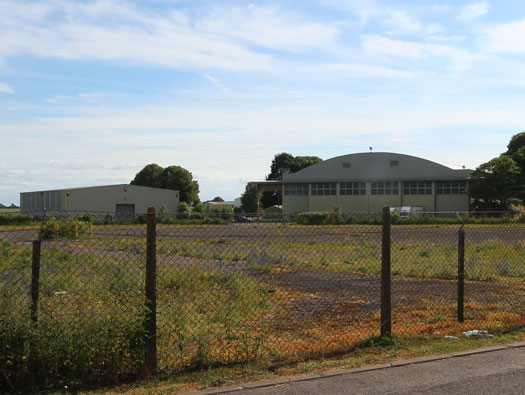
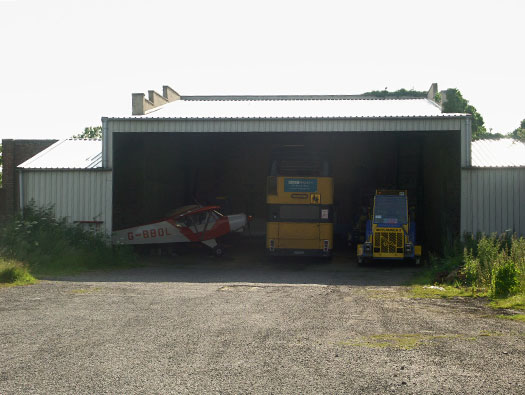
There are still (by the looks of it) four Bellman hangars left standing, one here next to the 'D' shed.
I should have called the Bellman a shed, as its of the age (prior to the 1940's) when it too would have been referred to as a shed.
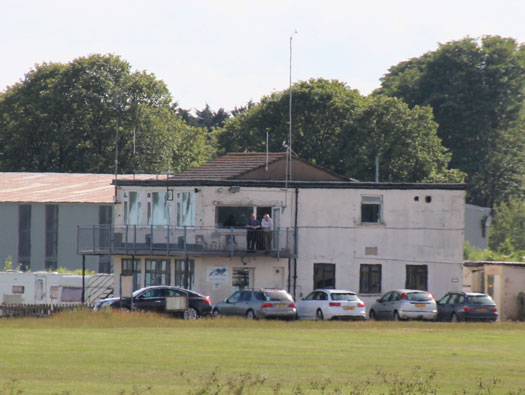
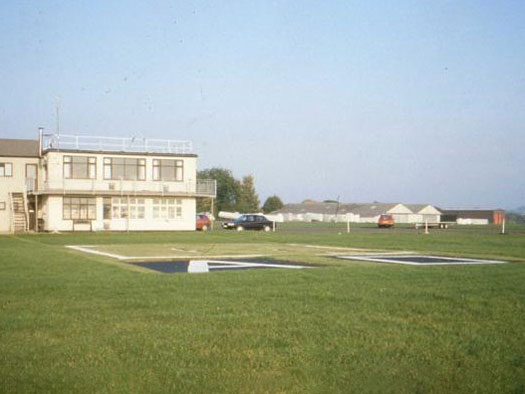
AD Aston Down, built on the site of the RFC Minchinhampton aerodrome, when the RAF started to reinstate the airfield, they were going to call it RAF Minchinhampton. But the villagers felt their property prices would fall, so RAF Aston Down was used.
Stroud News 6153748
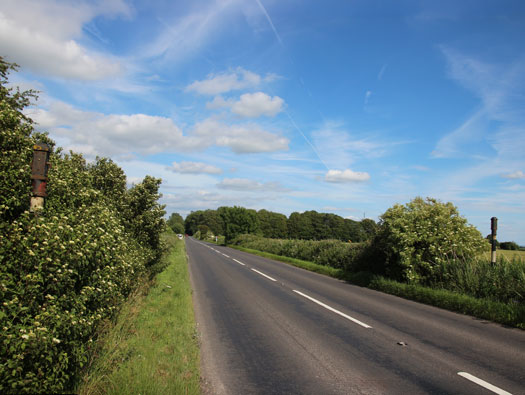
Now heading off home. there are two posts and these posts were traffic lights to stop traffic when low flying aircraft were landing or taking off. This would have been in the 60's and later.
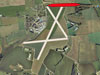
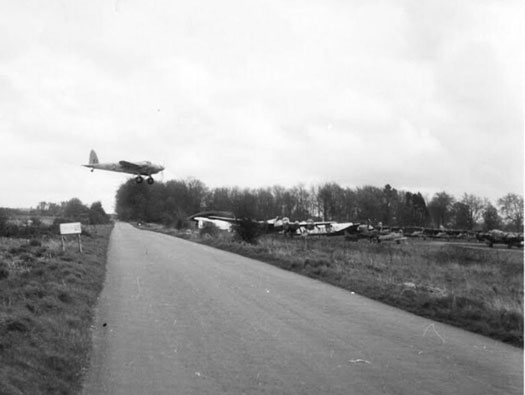
This is what it was like just post war, very low flying and loads of ex wartime aircraft ready for scrapping.
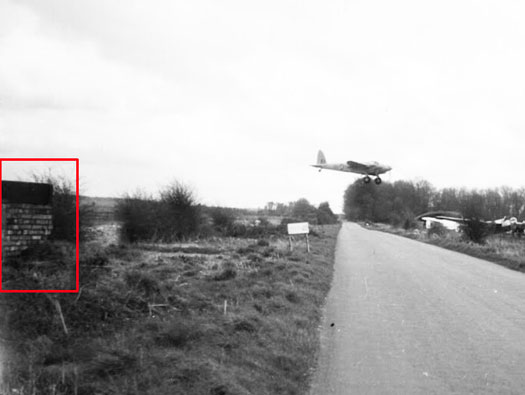
I noticed that on the left side was a pillbox defence, as this airfield was an early war one, it would have had a full pillbox defence, although, when we were there. We saw nothing of one.