RAF Keevil, Wiltshire Airfield Site.
RAF · Wiltshire · England · United Kingdom

RAF Keevil, Airfield Site. USAAF 471
RAF Keevil planned in early 1940 and opened in 1942 as an 'A' class bomber standard airfield. It had the three runway layout, two T2 hangars, a B1 hangar and 15 dispersed living sites. Pre war Wiltshire was a training county for the RAF and not a front line county. As the war panned out, the enemy took over all of France. Making Wiltshire a more front line. So several new airfields were built here and many upgraded. The RAF used the 'A' type design as a standard layout. Three runways, a perimeter track and several aircraft dispersals. Any RAF squadron could fly in (the motor transport would drive in). All the buildings would be dispersed into the countryside. This style of airfields can be found replicated all over the country.
September 1942 the first users of the airfield arrived and they were US 8th Airforce with C-47's.
RAF Keevil, Airfield Site.
RAF Keevil, Airfield Site.
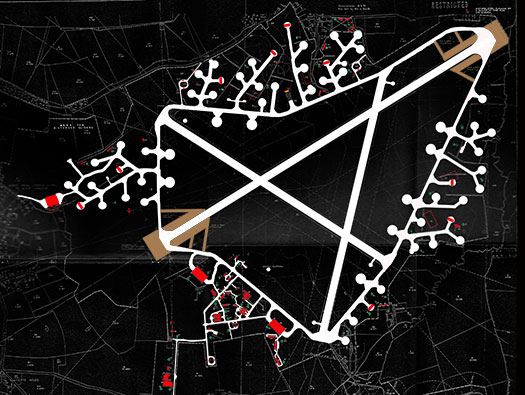
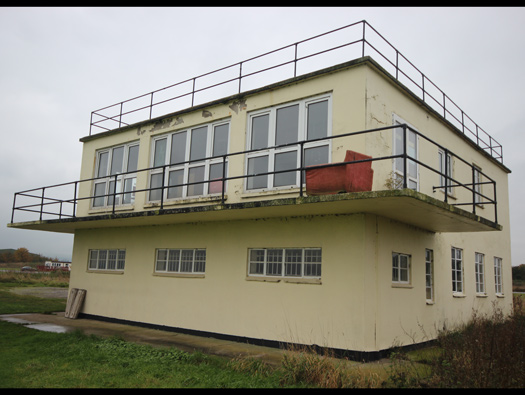
1 x Control tower type 12779/41.
2 x T2 hangars.
1 x B2 hangar (used as Spitfire construction.
9 x Blister hangar.
50 x 150ft dispersals.
4 x 125ft dispersals.
1 x 75ft dispersal.
15 x dispersed living sites.
Around 2,552 RAF & WAAF personnel.
AM Site Plan 126/45
RAF Keevil, Airfield Site.
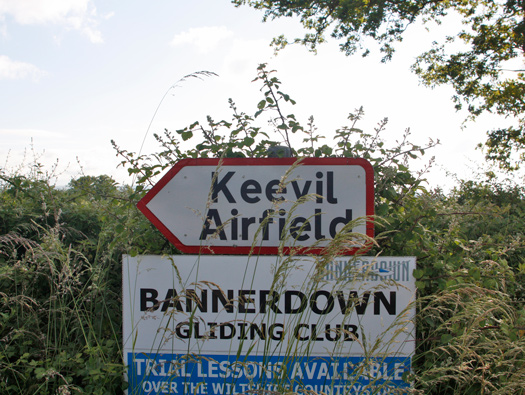
21 June 2009
RAF Keevil, Airfield Site.
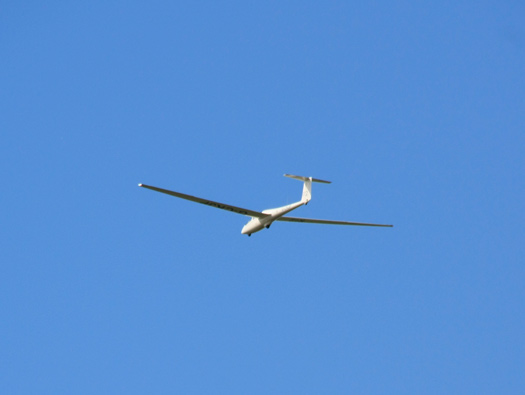
28 August 2010
RAF Keevil, Airfield Site.
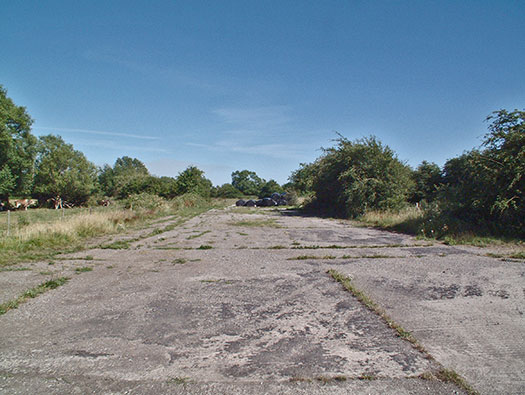
28 August 2010
RAF Keevil, Airfield Site.
28 August 2010
RAF Keevil, Airfield Site.
28 August 2010
RAF Keevil, Airfield Site.
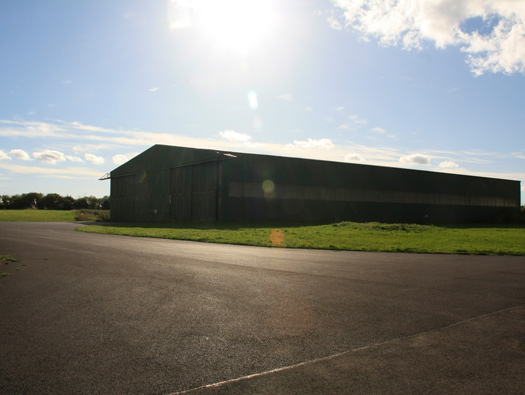
28 August 2010
RAF Keevil, Airfield Site.
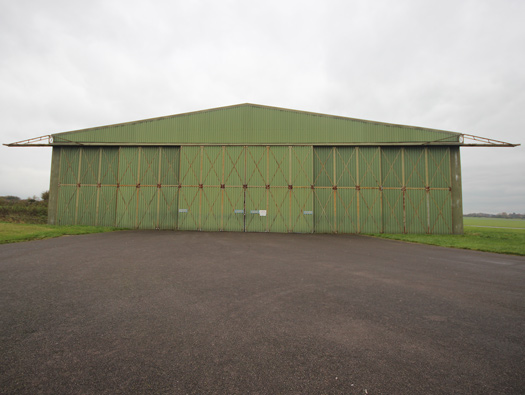
28 August 2010
RAF Keevil, Airfield Site.
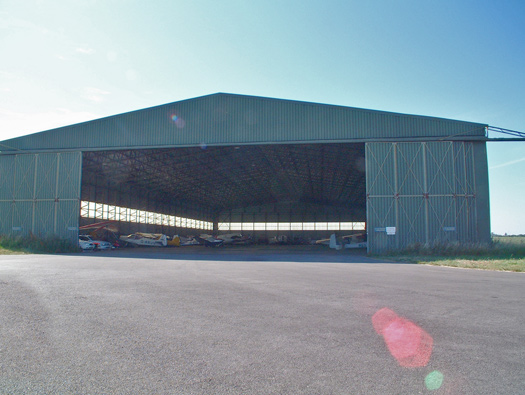
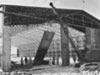
T2 hangar.
28 August 2010
RAF Keevil, Airfield Site.
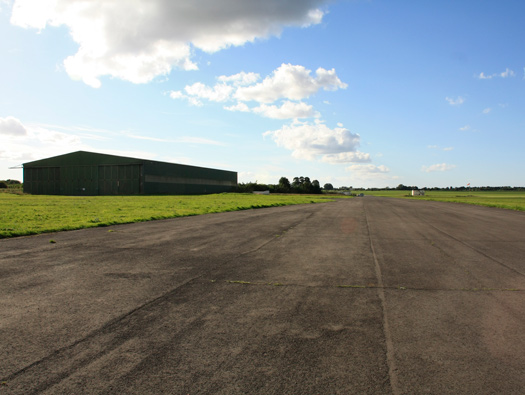
13 July 2003
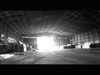
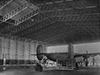
RAF Keevil, Airfield Site.
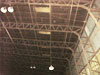
T2 hangar inside.
20 March 2005
RAF Keevil, Airfield Site.
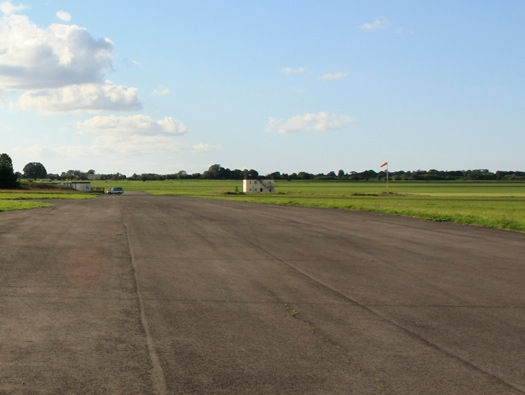
28 August 2010
RAF Keevil, Airfield Site.
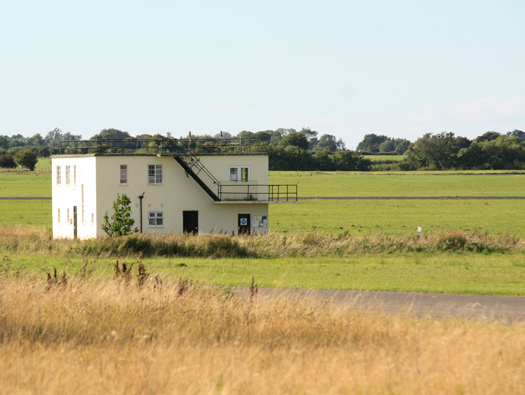
Control tower type 12779/41.
The door on this side only goes into the switch room, where all the wiring for phone/tele printer, etc comes into the building. Not accessible from inside.
28 August 2010
RAF Keevil, Airfield Site.
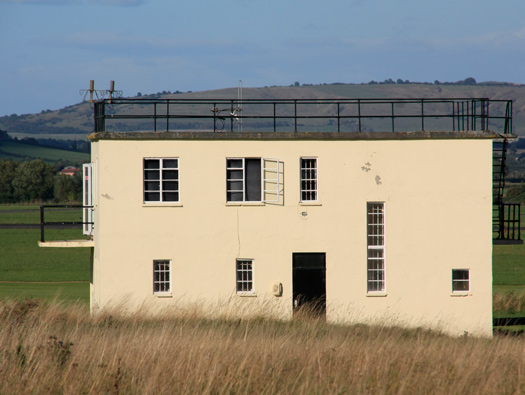
28 August 2010
RAF Keevil, Airfield Site.
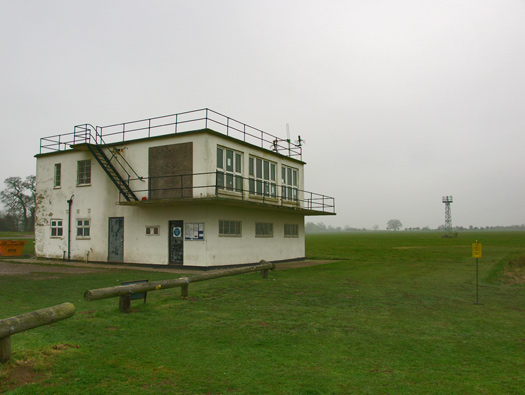
17 November 2013
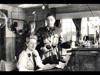
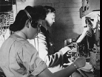
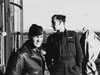
RAF Keevil, Airfield Site.
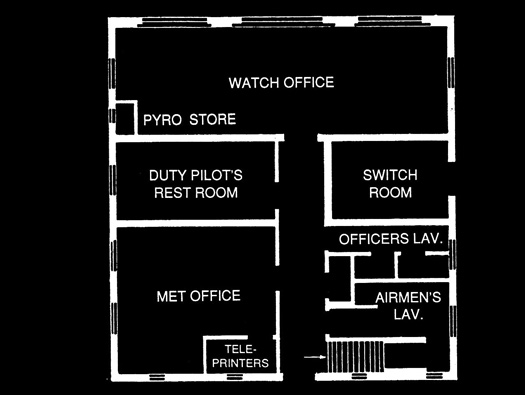
AM 12779/41 ground floor plan.
AM 12779/41
RAF Keevil, Airfield Site.
17 November 2013
RAF Keevil, Airfield Site.
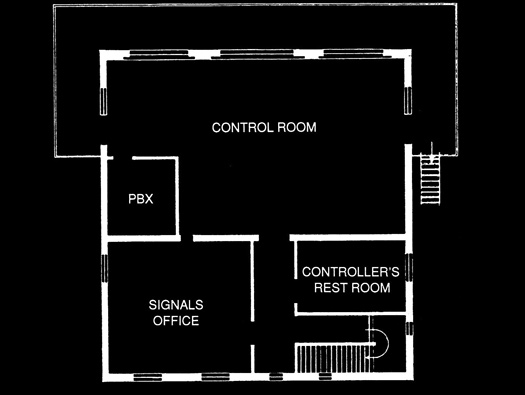
AM 12779/41 first floor plan.
AM 12779/41
RAF Keevil, Airfield Site.
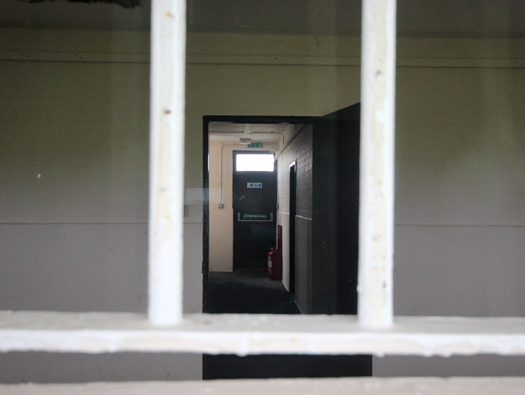
Control tower.
Inside the back door looking through the front window.
17 November 2013
RAF Keevil, Airfield Site.
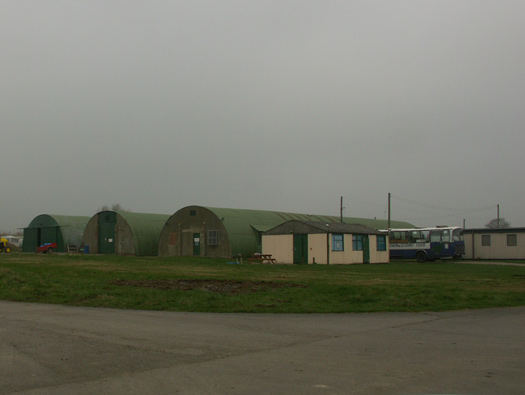
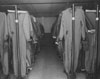
54 - Crew, Rest, Locker & Drying room - 30'N - 15657/41.
The large hut would be split up with flight office, office for dealing with all the flights crew and aircraft, etc.
The second a rest room for crew with lockers and storage and the third a drying room, to dry out flying clothing. Attached would have been a boiler room to heat the water system in the drying room.
20 March 2005

RAF Keevil, Airfield Site.

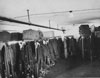
54 - Crew, Rest, Locker & Drying room - 30'N - 15657/41.
The large hut would be split up with flight office, office for dealing with all the flights crew and aircraft, etc.
The second a rest room for crew with lockers and storage and the third a drying room, to dry out flying clothing.
Attached would have been a boiler room to heat the water system in the drying room.
28 August 2010
RAF Keevil, Airfield Site.
28 August 2010
RAF Keevil, Airfield Site.
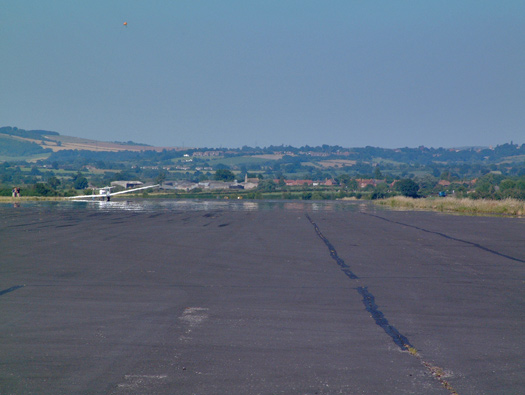

13 July 2003
RAF Keevil, Airfield Site.
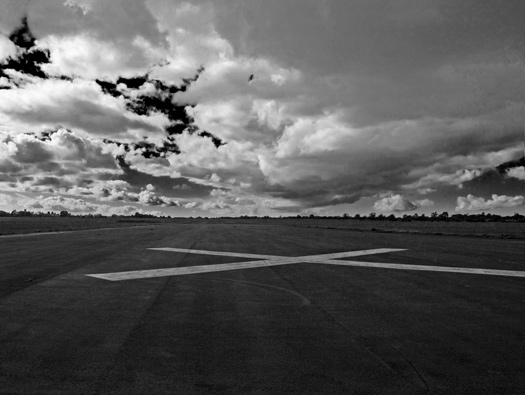
21 June 2009
RAF Keevil, Airfield Site.
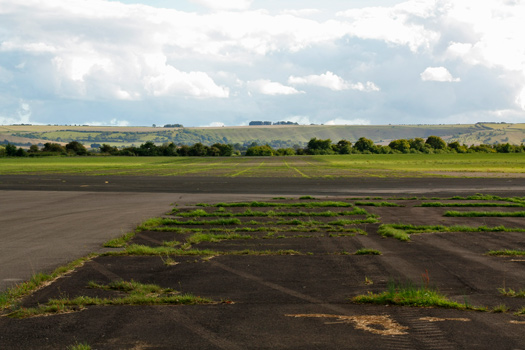
28 August 2010
RAF Keevil, Airfield Site.
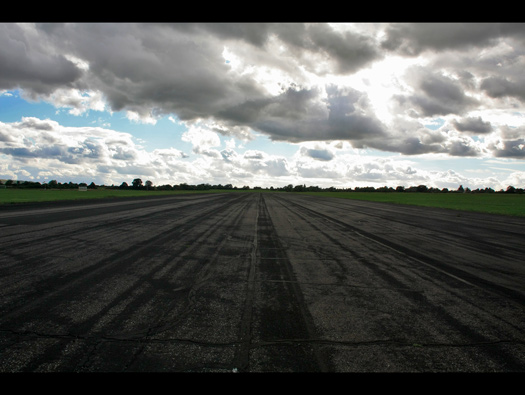

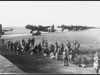
28 August 2010 -- 05 June 1944

RAF Keevil, Airfield Site.
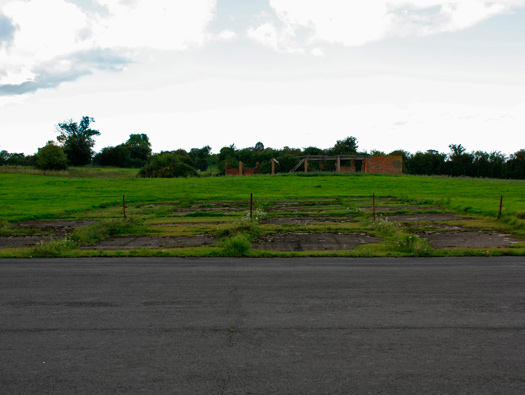
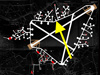
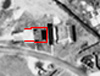
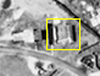
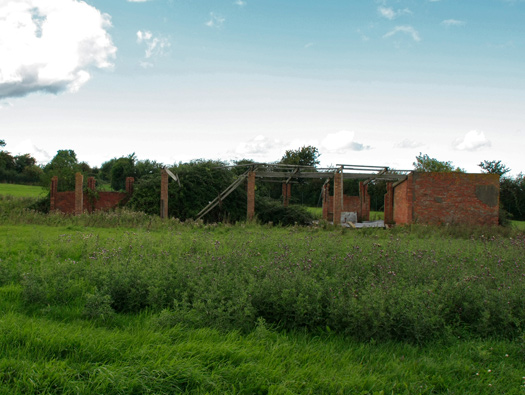
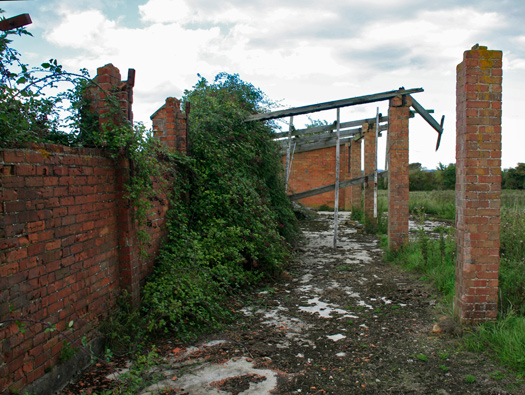
136 - MG Range - (6 point) - 147/41.
138 - Test Butt for Cannon - 40ft - T & TB - 16461/41.
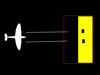
Test Butt for Cannon: -
The square concrete base, was to sit a fighter on it, jack the plane to horizontal and then fire the cannons into targets on the Butts wall. The cannons could be adjusted to coincide at a set point. in front of the plane, say 300yrds. Set in front of the MG range (the building seen here, would be a large brick built open ended building, with sand piled up to except the cannon shells when fired.
28 August 2010

RAF Keevil, Airfield Site.
28 August 2010
RAF Keevil, Airfield Site.
28 August 2010

RAF Keevil, Airfield Site.
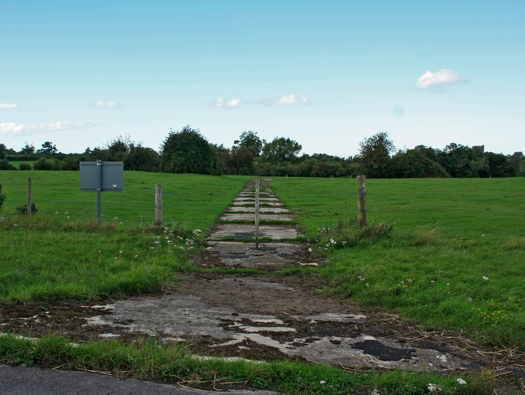
28 August 2010

RAF Keevil, Airfield Site.
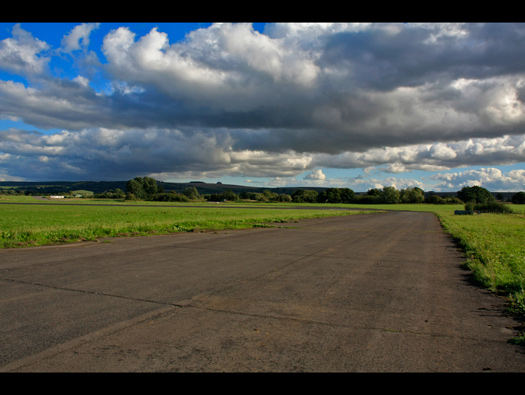
28 August 2010
RAF Keevil, Airfield Site.
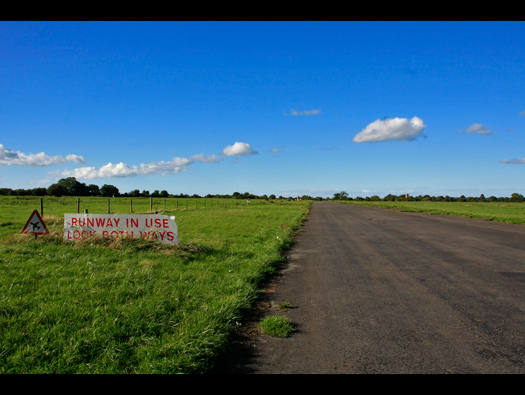
28 August 2010
RAF Keevil, Airfield Site.
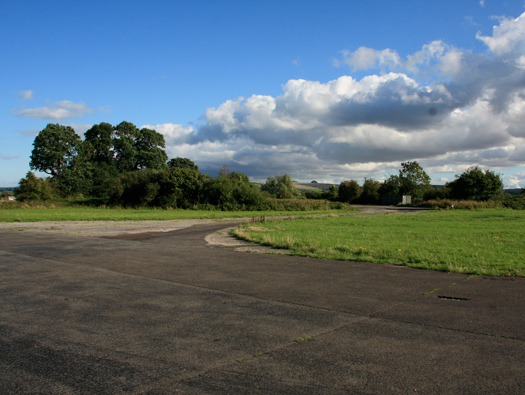
28 August 2010
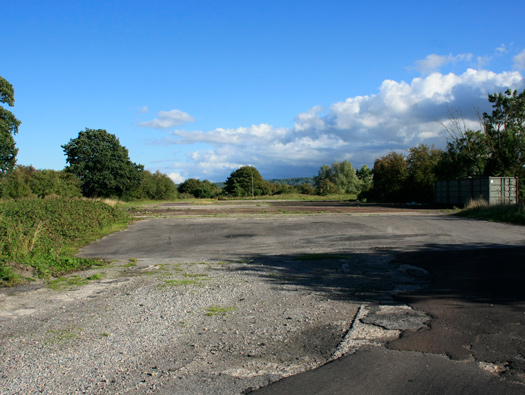
RAF Keevil, Airfield Site.
31 - Hangar T2(23) - 8254/40.
I believe from this the hangar was 23 sections long?
28 August 2010
RAF Keevil, Airfield Site.
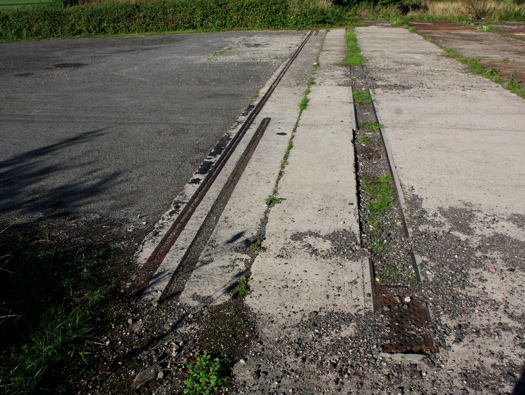
31 - Hangar T2(23) - 8254/40.
Runners for the three fully opening sliding doors.
28 August 2010
RAF Keevil, Airfield Site.
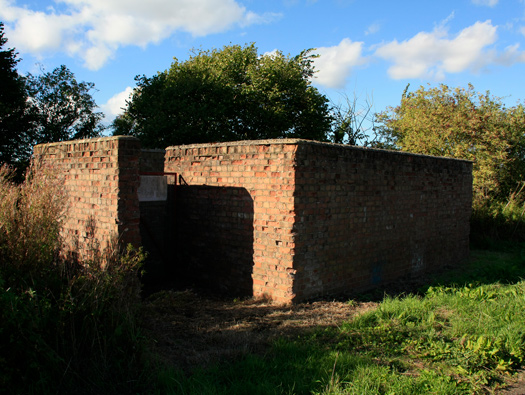

41 - M&E Plinth.
Glass embedded in the cement around the top of the wall. This is for security reasons, to keep the wrong people out. The Glass often seems to be brown glass, this could be the beer the builders were drinking, when they were constructing the plinth.
28 August 2010


RAF Keevil, Airfield Site.
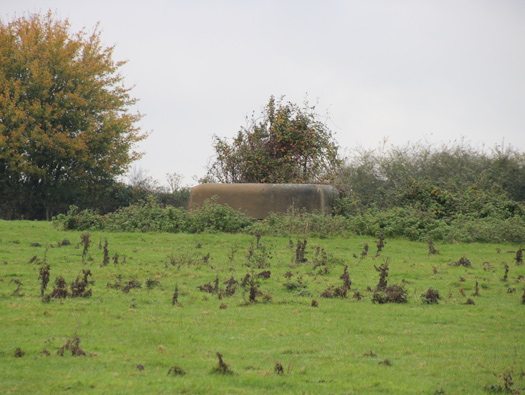
151 - Battle Headquarters - TB - 11008/41.
Probably the last time this BHQ was used was around D-Day, this is when a German parachute counter attack was deemed likely. All airfields were on high alert. Extra Bofors AA guns had been delivered and most airmen armed either with rifles or Sten guns.
17 November 2013

RAF Keevil, Airfield Site.
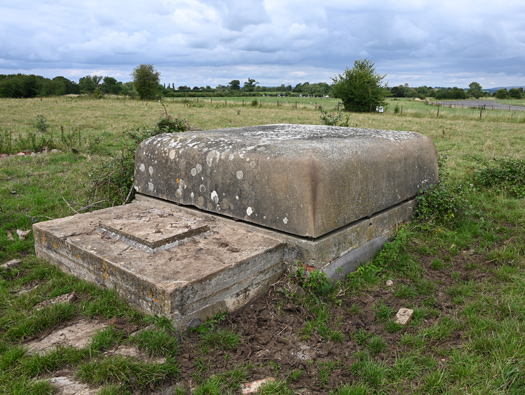
151 - Battle Headquarters - TB - 11008/41.
A senior Officer would have responsibility to run the defence. He would have a dedicated communications team and several runners. Runners could carry messages if the telephone link went down. He could command from the main room in the BHQ and another probably a Flight Lieutenant would view through the slit in the cupola and shout what was happening.
21 July 2023
RAF Keevil, Airfield Site.
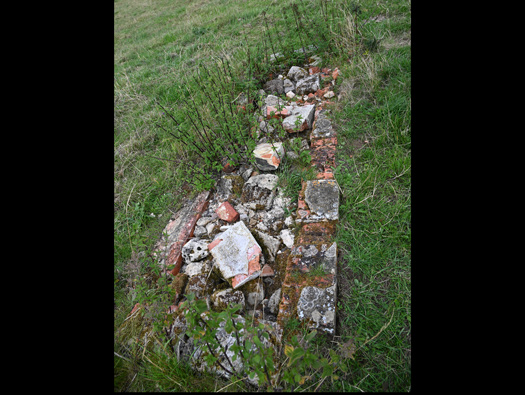

151 - Battle Headquarters - TB - 11008/41.
The entrance into the BHQ.
28 August 2010
RAF Keevil, Airfield Site.
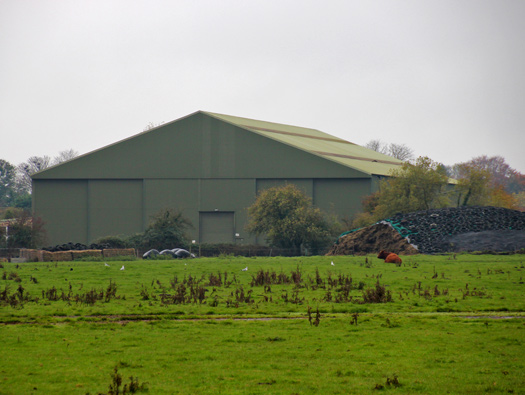
B1 repair hangar for Ministry Aircraft Production (MAP).
28 August 2010
RAF Keevil, Airfield Site.
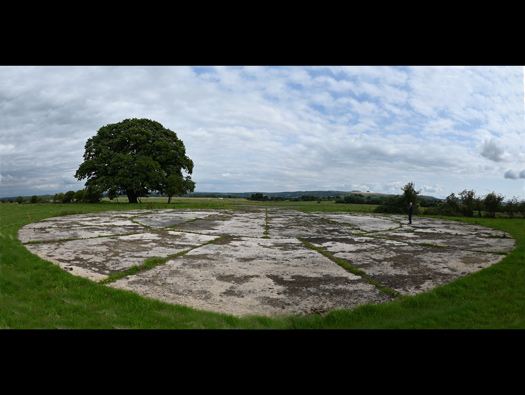
Aircraft dispersal.
It was found out quite early on in the war that aircraft needed to be dispersed around the airfield, randomly placed. So an enemy could not damage too many aircraft at once. So placing aircraft off the perimeter on concrete hard stands was the answer. There were: -
9 x Blister hangar on dispersals.
50 x 150ft dispersals.
4 x 125ft dispersals.
1 x 75ft dispersal.
28 August 2010
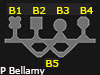
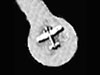
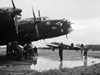
RAF Keevil, Airfield Site.
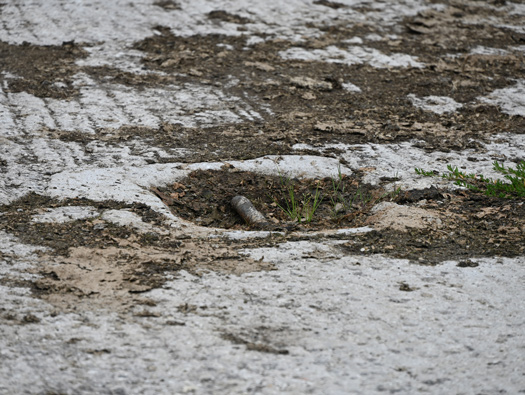
In windy conditions, aircraft needed to be tied down to the ground and on dispersals there are minimum of four of these very strong iron ties.
28 August 2010

RAF Keevil, Airfield Site.
21 June 2009
RAF Keevil, Airfield Site.
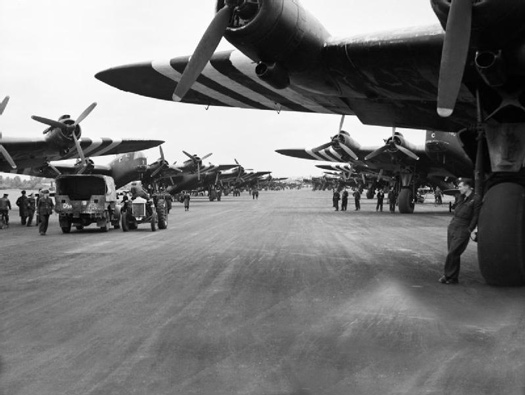
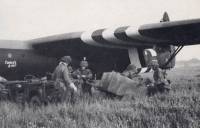
6 June 1944
RAF Keevil, Airfield Site.
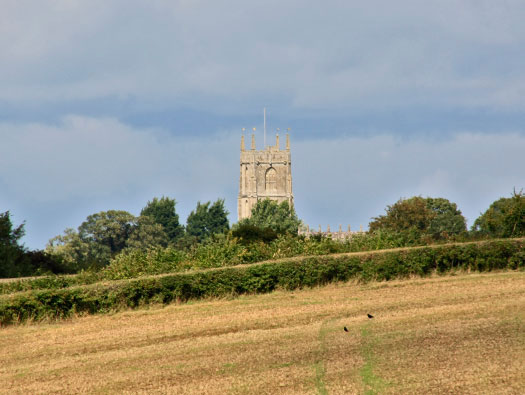
21 June 2009