RAF New Zealand Farm, Wiltshire - Exterior
RAF · Wiltshire · England · United Kingdom
RAF New Zealand Farm 'Exterior'
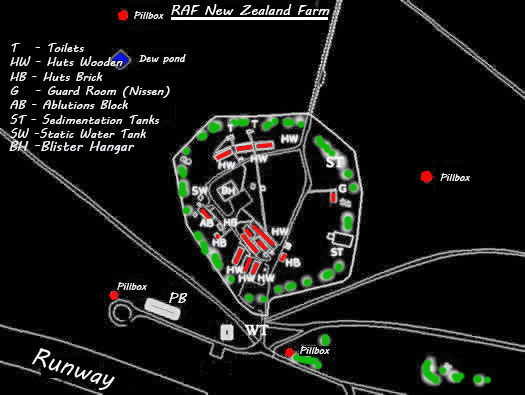
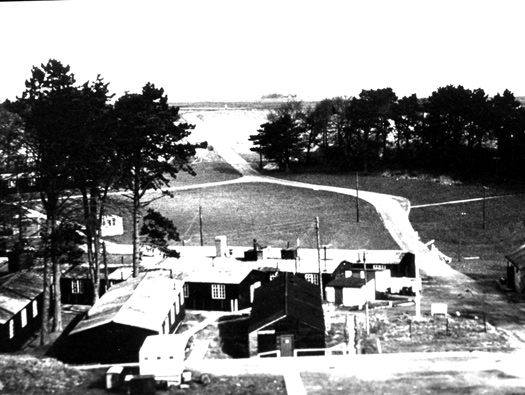
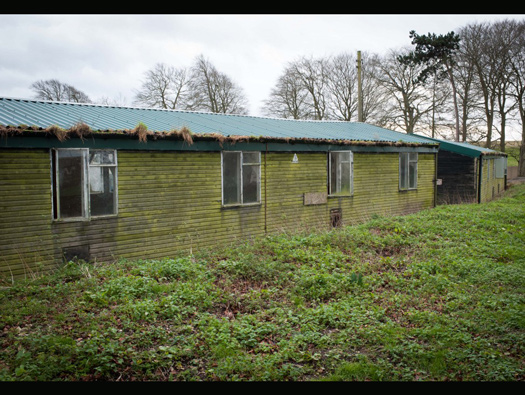
Starting life as a farm, then in WW1 used as a camp for New Zealand soldiers to train. Re named as New Zealand Farm (I don't know what its original name was).
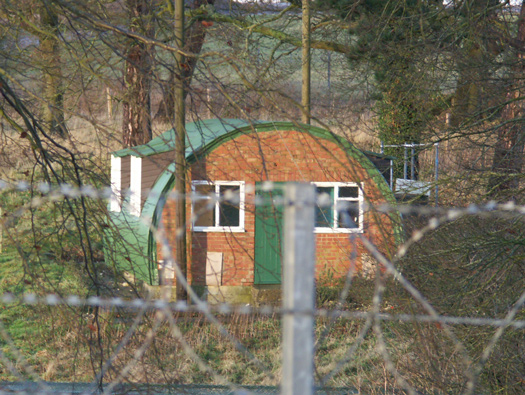
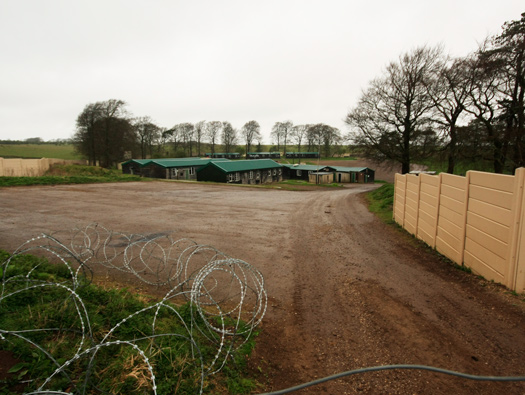
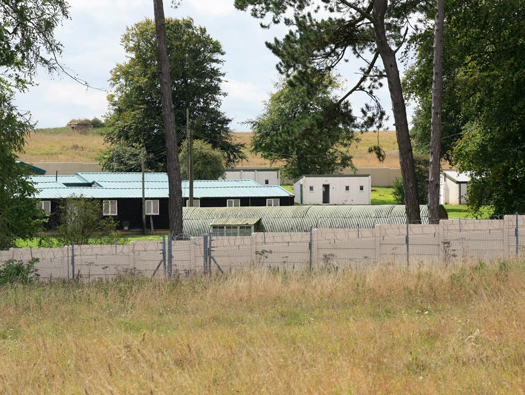
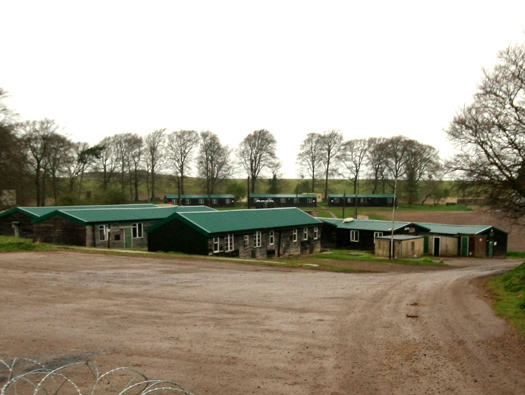
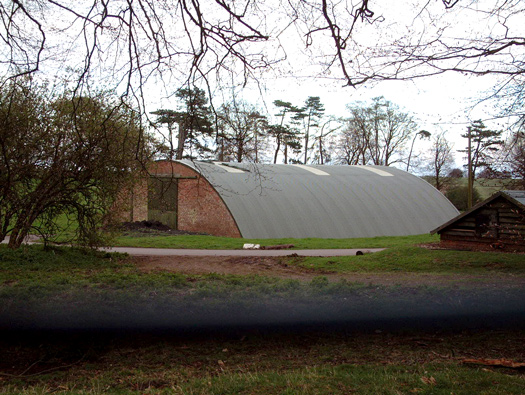
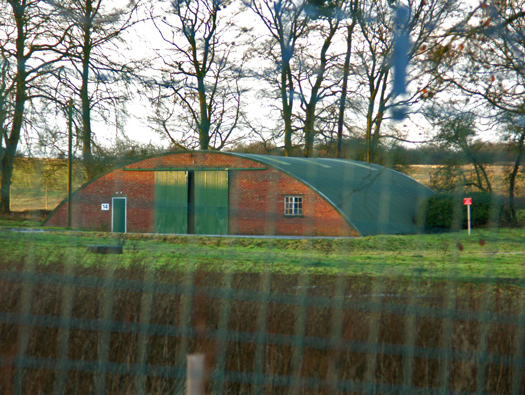
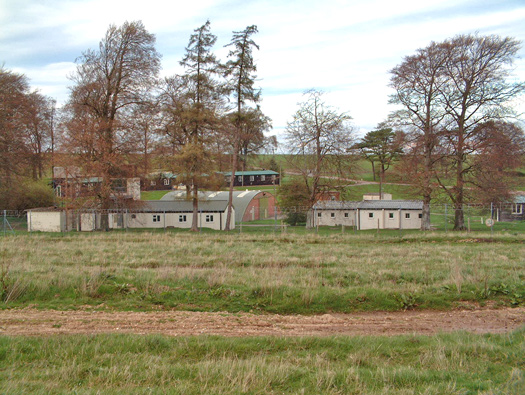
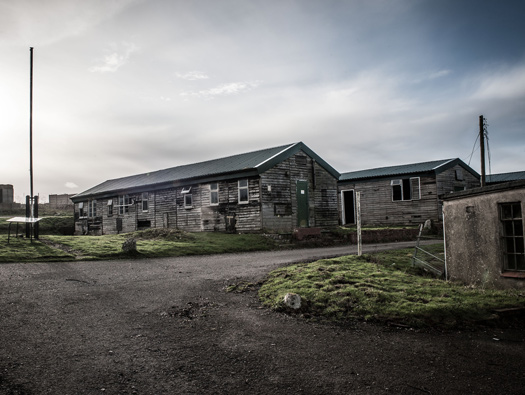
In 1940 It became a relief landing ground (RLG) and was laid out for Central Flying School (CFS) RAF Upavon, for night landings. The farm house was removed and the poor airmen had to live in the old barn. Later a Nissen, wooden barracks and Temporary Brick (TB) camp was gradually built. A set of Blister hangars around the west side and another inside the camp, probably used as a garage and storage for vehicles and ground equipment for the night landings.
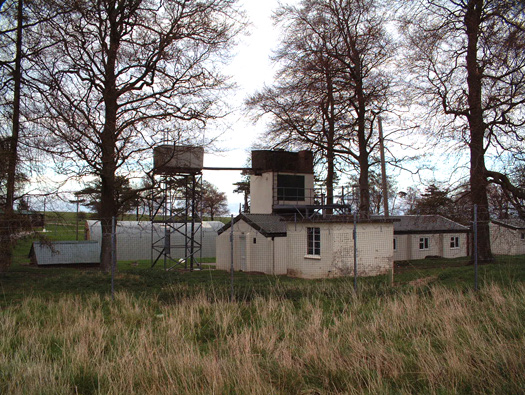
A timber or steel tower was built as a sort of watch office, two grass runways laid out. The camp was improved by the Aircraft & Armament Experimental Establishment (A&AEE) around 1943 and they used the site for aircraft trials. This was when the observation gallery was built.
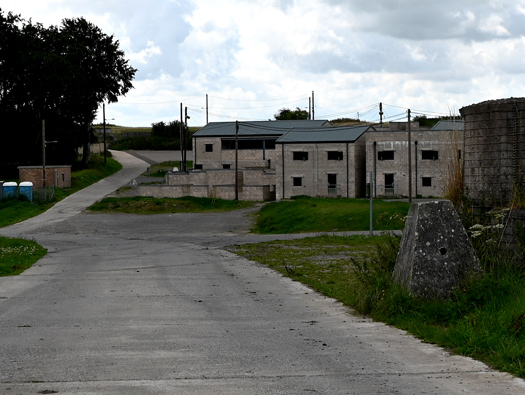
1980 the airfield stopped being used, and the camp taken over by the army and is now used for Fighting in Built up Areas (FIBUA), with some very sophisticated electronic training aids being used inside.
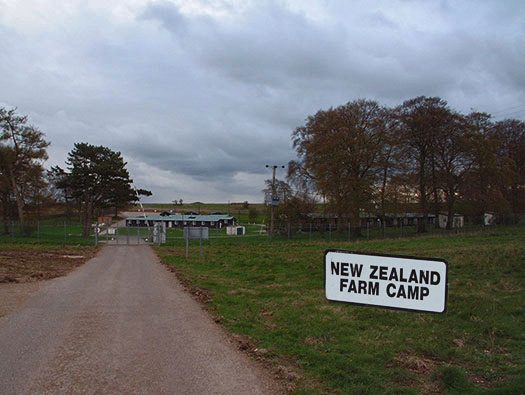
Improvements to training facilities at New Zealand Farm Camp.


RAF New Zealand Farm 'Exterior'
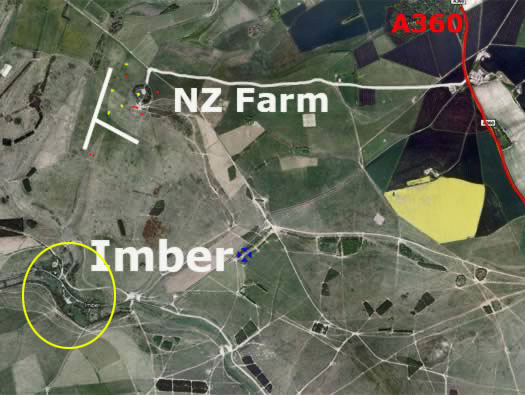
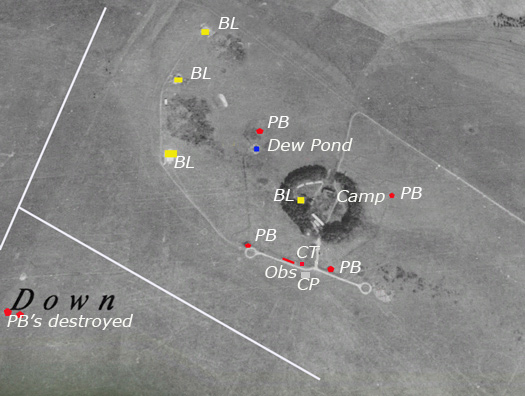
Yellow dots - Blister hangars.
Red dots - Pillbox defence.
White lines - the two grass runways.
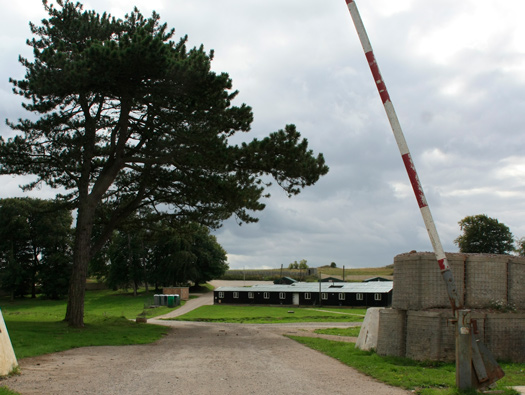
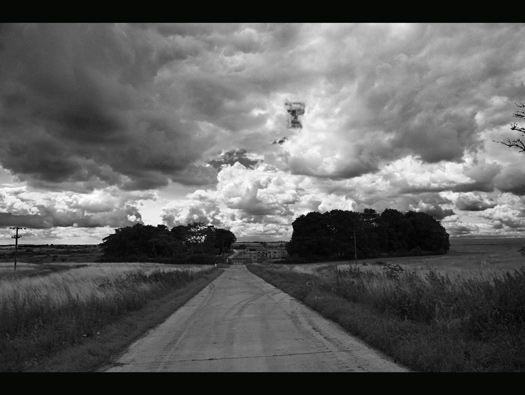
The white road comes in from the A360 with the camp sitting in a small hollow on the left.
The two runways were grass and are now not in very good condition with the odd tank track cut through and slit trench dug into it.
Imber village, taken over in the 1940's for US soldiers to train on fighting in a European village.
New Zealand farm is just on the edge of the training area and can be accessed at any time but be careful, if in doubt turn back and leave the area.


RAF New Zealand Farm 'Exterior'
Plan.
Sitting in a hollow, the site of New Zealand Farm, used in WW1 as a camp for training New Zealand troops, continuing as a very successful farm until about 1940. Completely removed and a small RAF camp replaced it. The exterior which we are covering here is the 1940's pillbox defence, the airfield and part of its use by the A&AEE, based at Boscombe Down..
(New Zealand Farm, so named due to Kiwi soldiers having trained there during the First World War) I believe.
Plan


RAF New Zealand Farm 'Exterior'
04 July 2006
RAF New Zealand Farm 'Exterior'
04 July 2006


RAF New Zealand Farm 'Exterior'
A&AEE


RAF New Zealand Farm 'Exterior'
Defence of RAF New Zealand Farm:
By 1940 under a cloud of invasion, the RAF took it to heart. As many airfields in France, Belgium and Norway had been attacked by paratroopers and gliders. They assumed that an attack on Britain would happen exactly the same way. The scenario was thought to be. First an airborne attack, where either paratroops or gliders would land on the airfield and take command. Then transports would shuttle more troops and light weight weapons in.
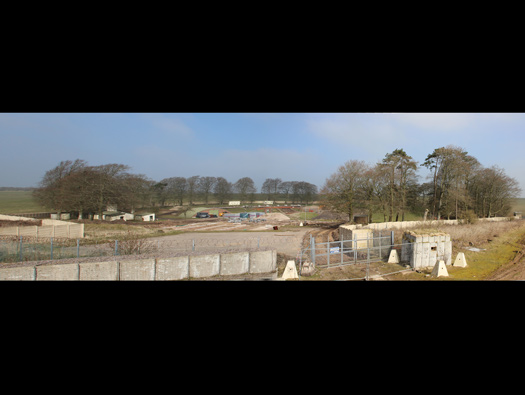
So the RAF's defence was to ring the airfields with pillboxes. Have a battle HQ and every airmen was issued with a rifle. If the attack came, the Officer Commanding would go to the BHQ and control the battle from their. Each airman would know his battle position and go straight to it. When the landings had started. The OC would control the battle via land line telephone or runner. Most pillboxes were arranged to fire onto the landing ground with, if fitted Bren machine guns and rifles. This layout was adjusted for each airfield, as was needed and here, a ring of pillboxes around the camp and two right up on the runway apex. Which possibly could have been a form of battle HQ area. As the views across the airfield are excellent.
A very good article in The Pillbox Study Group.
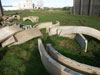
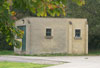
The first pillbox in the defence, earth had been heaped up against the walls and on top of the roof. A trench would have allowed access when under fire. Pillboxes around the camp and two right up on the runway apex.
29 August 2010


RAF New Zealand Farm 'Exterior'
The entrance showing a small ammunition niche set into the inner wall. Very seldom do I ever see doors on pill boxes, so what they used I have no idea.
29 August 2010
RAF New Zealand Farm 'Exterior'

The first pillbox in the defence.
This type is unique to the RAF and several local airfields have them still. One set is at RAF Overton Heath. They are a type pentagon style, with quite thin walls. As they were not likely to be attacked buy heavy weapons, but light weight airborne weapons.
29 August 2010


RAF New Zealand Farm 'Exterior'

29 August 2010


RAF New Zealand Farm 'Exterior'

17 April 2004


RAF New Zealand Farm 'Exterior'

This was the site of a wood/steel framed observation tower. The original watch tower for the airfield was made of wood. The runways were up on the hill and would have needed a high tower to see them. Watch towers made of wood/steel were common on WW1 aerodromes. RAF Oatlands the other side of RFC Stonehenge, it had a wooden/steel framed tower as too did RAF Netheravon.
13 March 2016


RAF New Zealand Farm 'Exterior'

This is the remains of the A&AEE observation tower.
Steps that would have led up to a stair way to the observation galleries.
It may have been wood or steel framed but these brackets were bolted to the uprights. The yellow circle is the armoured telephone cable connecting the tower to a telephone in the camp.
13 March 2016


RAF New Zealand Farm 'Exterior'

The observation tower with covered stairway up the side and at least two observation levels.
Th circular road way that runs along the front of the site.
A&AEE 1950's

RAF New Zealand Farm 'Exterior'
31 December 2005


RAF New Zealand Farm 'Exterior'
Artistic license,
I have added the picture of No.100Sqn on an exercise, exactly what sort of thing would have happened here.
No AI was used in this picture.
RAF Odiham No.400Sqn RAF


RAF New Zealand Farm 'Exterior'

This long concrete block bunker was used as an OP (observation post) by A&AEE RAF Boscombe Down and School of Land/Air Warfare RAF Old Sarum.
It was originally a a large rectangular type, with firing slits for rifles on the outer side.
31 December 2005


RAF New Zealand Farm 'Exterior'

Looking east. The two posts are the supports for the wind sock.
Looking west.
The next pillbox.
13 March 2016


RAF New Zealand Farm 'Exterior'
31 December 2005


RAF New Zealand Farm 'Exterior'


RAF New Zealand Farm 'Exterior'
31 December 200531 December 2005

RAF New Zealand Farm 'Exterior'
13 March 2016

RAF New Zealand Farm 'Exterior'
13 March 2016

RAF New Zealand Farm 'Exterior'
13 March 2016

RAF New Zealand Farm 'Exterior'
13 March 2016

RAF New Zealand Farm 'Exterior'
31 December 2005
RAF New Zealand Farm 'Exterior'
04 July 2006

RAF New Zealand Farm 'Exterior'
Destroyed pillbox.
I cannot remember if its two or three pillboxes out here.
04 July 2006
RAF New Zealand Farm 'Exterior'
13 March 2016


RAF New Zealand Farm 'Exterior'


RAF New Zealand Farm 'Exterior'
What went wrong at a flying demonstration leading to the death of Weymouth man.
The tragic story of the death of Dorset Home Guard Captain James Rowland West.
Winston Churchill at Imber on April 1


RAF New Zealand Farm 'Exterior'
13 March 2016


RAF New Zealand Farm 'Exterior'

13 March 201613 March 2016

RAF New Zealand Farm 'Exterior'

Inside left hand.
The Turnbull mount fitting.
13 March 2016


RAF New Zealand Farm 'Exterior'
13 March 2016


RAF New Zealand Farm 'Exterior'
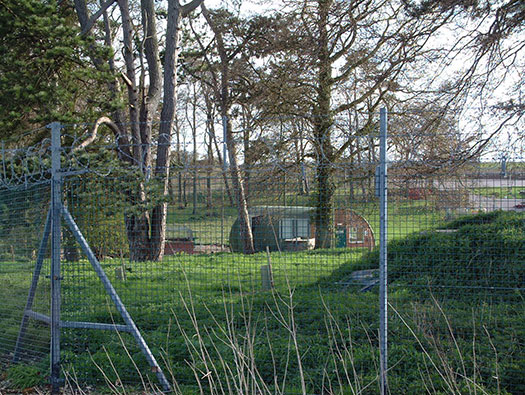
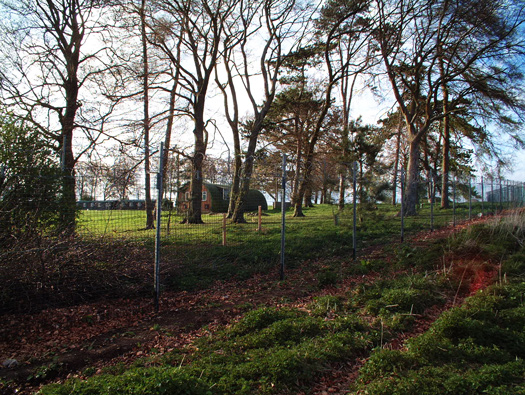
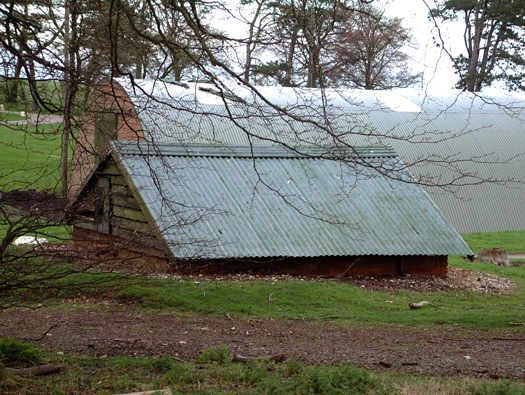
The Blister hangars on the west side.
Walking the field and I was surprised to actually find remains.
29 August 2010

RAF New Zealand Farm 'Exterior'
The Blister hangars on the west side.
The remains of the arched braces.
And here the mounting for the curtain rail for the fabric curtain doors.
29 August 201029 August 2010


RAF New Zealand Farm 'Exterior'
The Blister hangars on the west side.
29 August 2010


RAF New Zealand Farm 'Exterior'

I wonder if she ever did land here, this may be what she would have looked like. They certainly did parachute up here, testing equipment.
Beverley on trials from A&AEE Boscombe Down, para dropping with one of the three yellow Harvard's in tow, taking photos.
A&AEE


RAF New Zealand Farm 'Exterior'
RAF New Zealand Farm