RFC Netheravon, Wiltshire
RFC · Wiltshire · England · United Kingdom

RFC Netheravon, Wiltshire 1913 to 1918
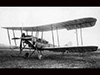
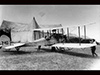
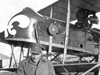
RFC Netheravon, Wiltshire 1913 to 1918
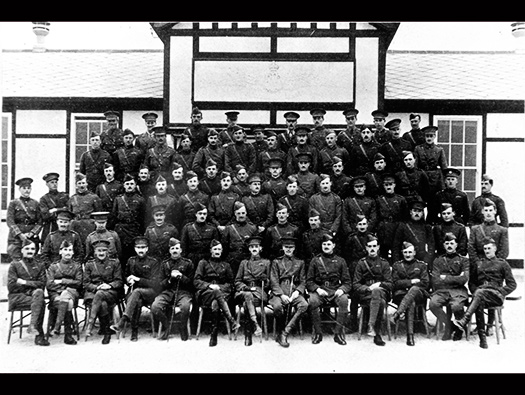
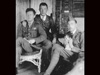
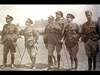
Officers at the Netheravon Concentration outside the Officers Mess June 1914.
June 1914 the whole of the RFC came together at the RFC Concentration. They trained, played, planed, tested and just grew as a group for a month & then went back to their respective Aerodromes.
12 August and Britain declarers War and all squadrons mobilised and moved via Dover (Swingate) to France and that is another story.
June 1914
RFC Netheravon, Wiltshire 1913 to 1918
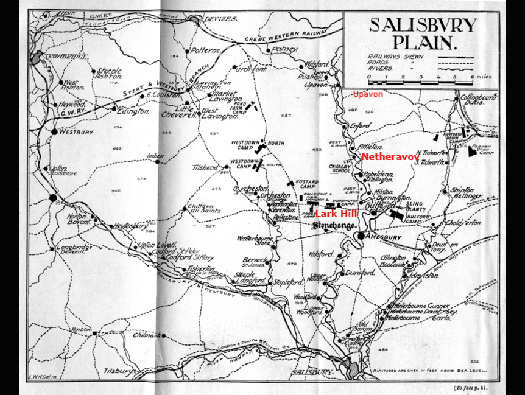
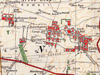
How Lark Hill, Upavon & Netheravon fit into the Salisbury Plain Training area.
13 April 1912 a White Paper published amalgamating the Military and Naval Aeronautical Services. By special permission of King George V the new service was constituted by Royal Warrant and 'In consideration of the specially difficult and arduous nature of the flying service', was to be known as the Royal Flying Corps.
[Baptism of Fire]
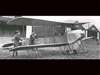
No.3 Squadron moved from Lark Hill to Netheravon on the 16th June 1913 with several different types of aeroplanes.
1917
RFC Netheravon, Wiltshire 1913 to 1918
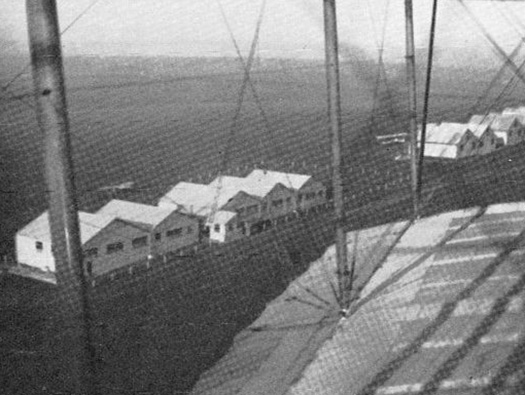
This was No.3 Sqn aircraft sheds at Lark Hill.
It was not until the large Infantry camp was built later that the name changed to Larkhill.
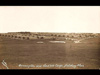
Lark Hill 1910
RFC Netheravon, Wiltshire 1913 to 1918
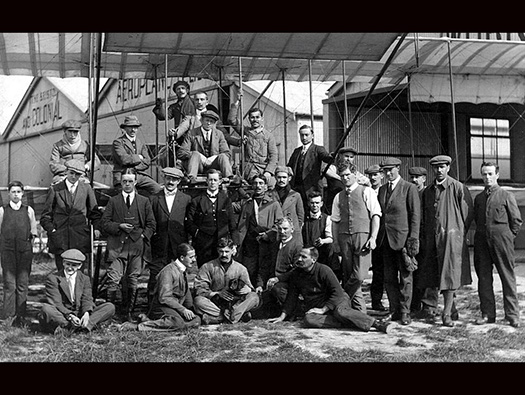
Lark Hill 1910
RFC Netheravon, Wiltshire 1913 to 1918
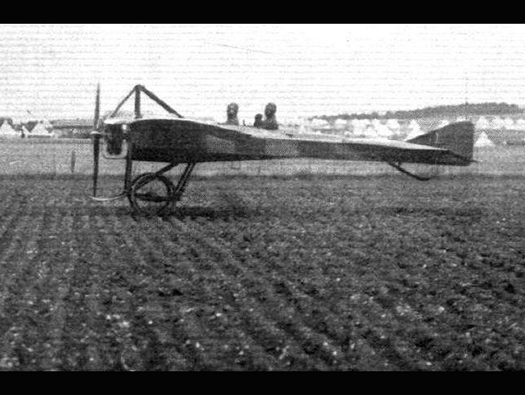
Lark Hill 1912 Fuller
RFC Netheravon, Wiltshire 1913 to 1918
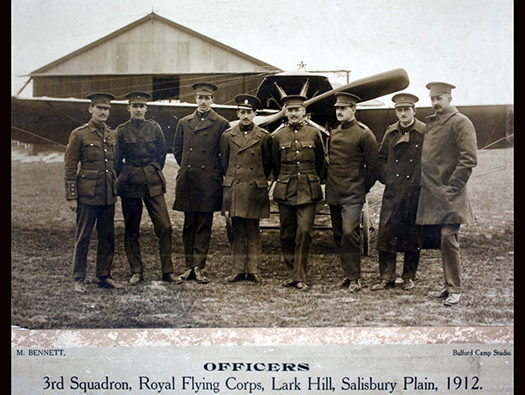
No 3 Squadron RFC.
The accommodation of the Officers was at the Bustard inn at Rollestone & men at Bulford Army camp and was very spread out and not really acceptable, so they moved into Netheravon as soon as they could.
Bennet
RFC Netheravon, Wiltshire 1913 to 1918
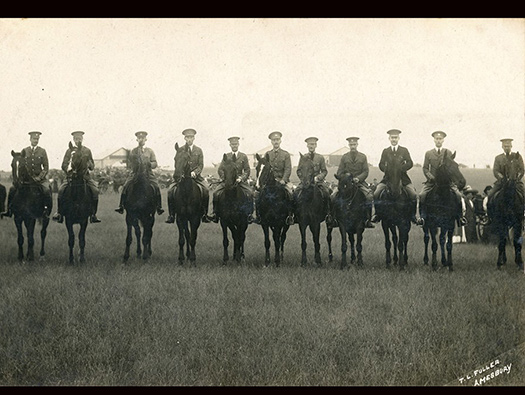
Cavalry from the School at Netheravon visiting the flyers.
Fuller June 1914
RFC Netheravon, Wiltshire 1913 to 1918
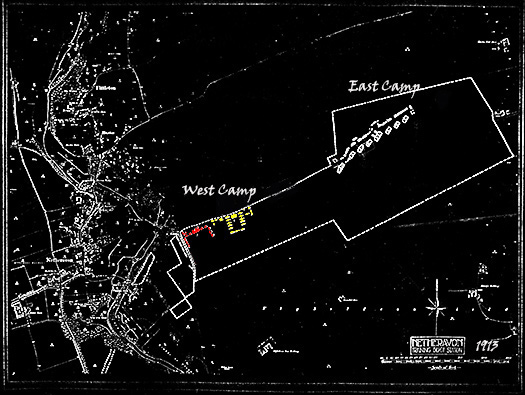
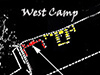
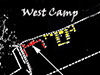
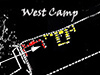
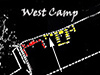
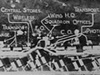
1913 Plan of RFC Netheravon.
Red are the Officers Mess & Quarters, Yellow The Sergeants and Men's Quarters and white are the aircraft sheds.
1913 plan
RFC Netheravon, Wiltshire 1913 to 1918
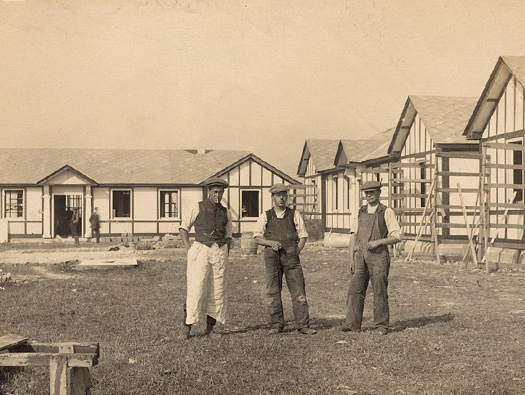
Major B. H. O. Armstrong Directorate of Fortifications and Works designed the buildings and layout for a two Squadron Aerodrome. Nothing like this had been done before, Armstrong had built many Army camps and Chiseldon was possibly the fore runner of Netheravon.
(I am unsure now if it was Armstrong as I think it was another Officer. I will try and find out, Bullock rings a bell])
Chivers Men from Devizes
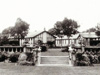
RFC Netheravon, Wiltshire 1913 to 1918
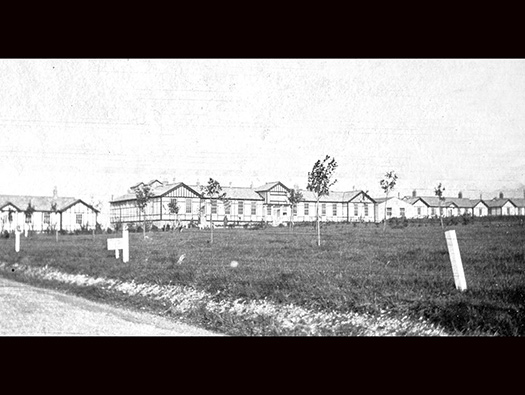
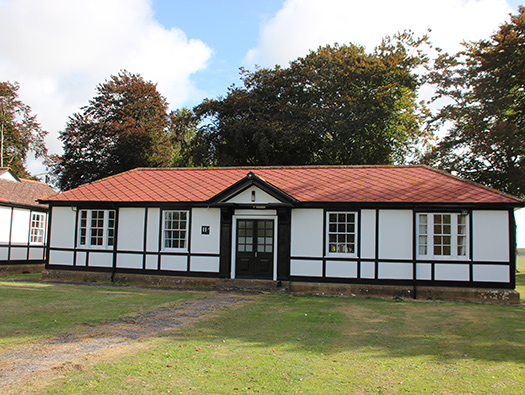
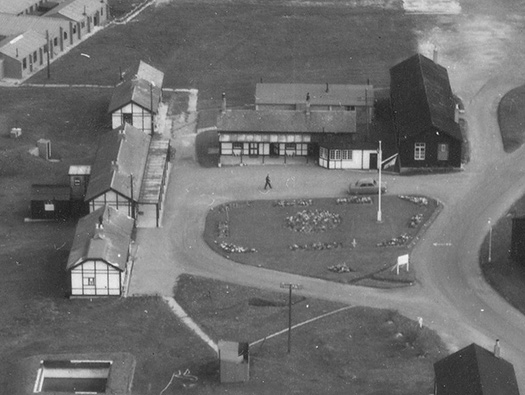
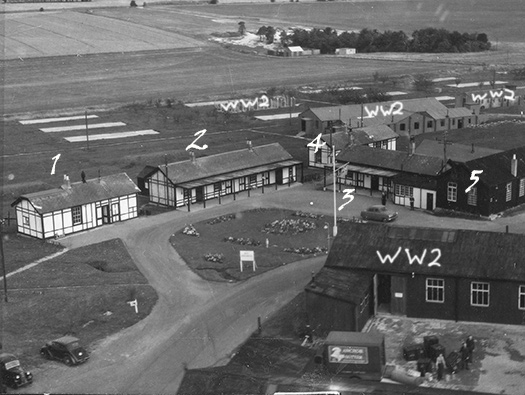
The Officers Mess in 1916. Made of timber frame on a concrete base with sheet cement asbestos covering and red roof tiles and its still the we passed by 23 July 2026.
2nd. Lt. NH Dimmock 1916
RFC Netheravon, Wiltshire 1913 to 1918
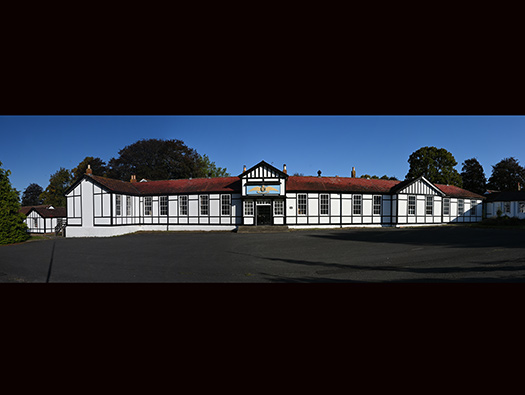
Officers Mess today (2019).
In the first months of 3 Squadron moving in, they co-operated with the Artillery on Knighton Down, Salisbury Plain. Flying was going on extremely well. (Salisbury Journal) . Several cross country reconnaissance flights took place, in all 1264 Miles was flown.
September 2019
RFC Netheravon, Wiltshire 1913 to 1918
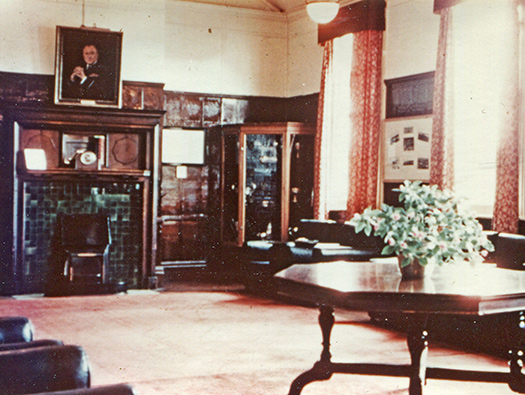
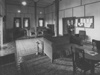
Inside the Officers Mess anti-room between 1950's.
NH Dimmock 1950's
RFC Netheravon, Wiltshire 1913 to 1918
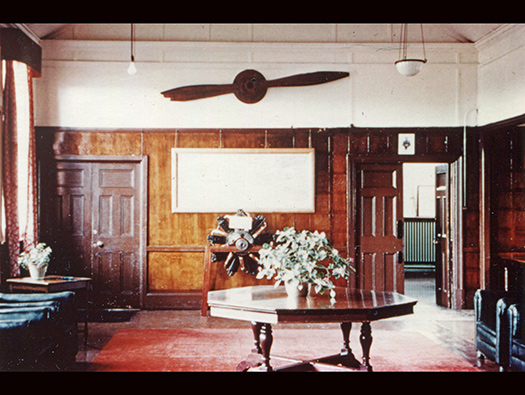
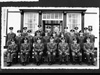
Inside the Officers Mess anti-room 1950's.
NH Dimmock 1950's
RFC Netheravon, Wiltshire 1913 to 1918
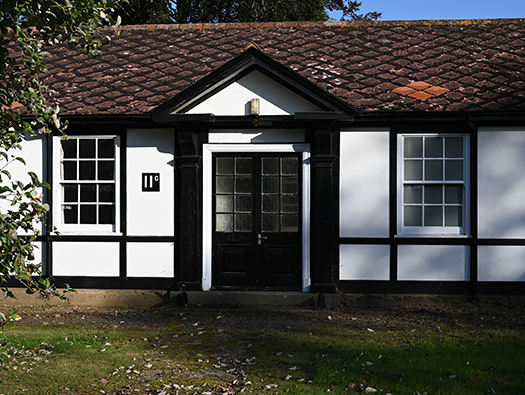
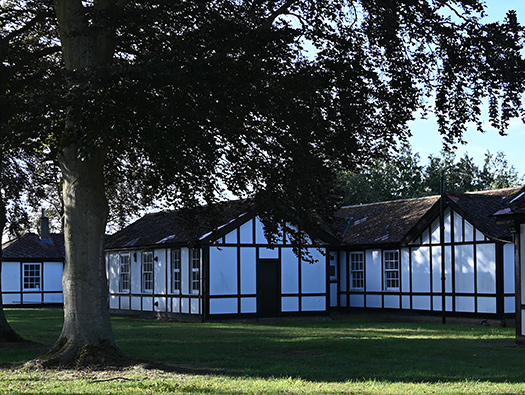
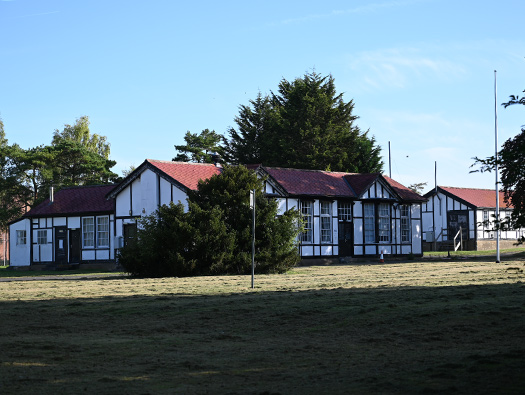
Officers Quarters for single officers.
Four Officers (increased to eight in wartime) and one servant,
15 September 2018
RFC Netheravon, Wiltshire 1913 to 1918
September 2019
RFC Netheravon, Wiltshire 1913 to 1918
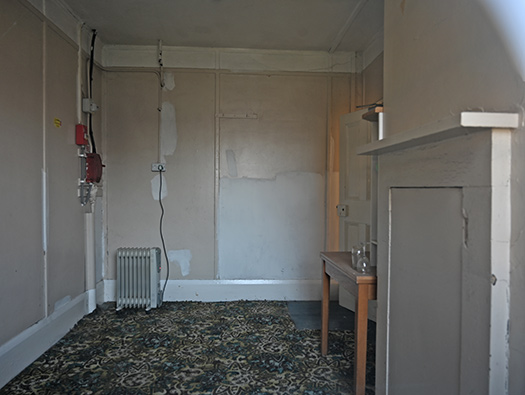
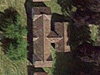
Officers Quarters for single officers.
September 2019
RFC Netheravon, Wiltshire 1913 to 1918
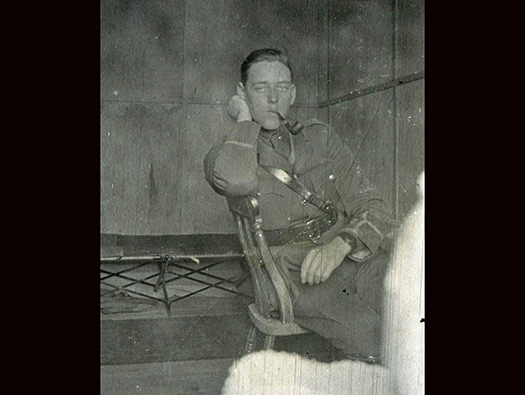
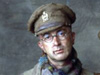
Lt Kay taken in 1916 by 2nd Lt. NH Dimmock.
They shared the room.
2nd. Lt. NH Dimmock 1916 (Lt Kay)
RFC Netheravon, Wiltshire 1913 to 1918
"Soldier-servant".
Every officer was assigned a servant, usually chosen by the officer from among his men. The term batman replaced this in the inter-war years. By the Second World War, only senior officers of the army and Royal Air Force were officially assigned batmen, with junior officers usually sharing the services of one batman among several officers. Batwomen also served in the women's services. Batman was usually seen as a desirable position. The soldier was exempted from more onerous duties and often got better rations and other favours from his officer. Senior officers' batmen usually received fast promotion to lance-corporal, with many becoming corporals and even sergeants. The position was generally phased out after the war. Officers of the Household Division however still have orderlies, because of the high proportion of ceremonial duties required of them. In the Royal Navy stewards performed many of the duties of batmen in the other services. Aboard ship, only captains and admirals were assigned personal stewards, with the other officers being served by a pool of officers' stewards. Most vessels carried at least two stewards, with larger vessels carrying considerably more.
September 2019
RFC Netheravon, Wiltshire 1913 to 1918
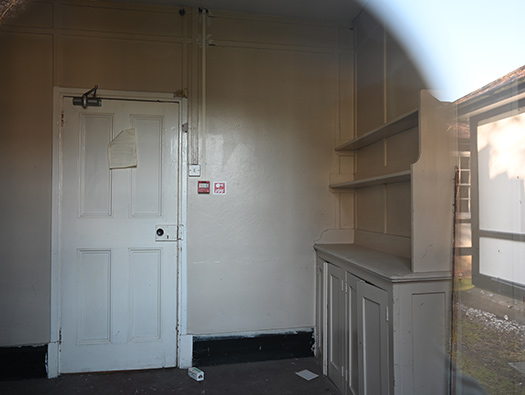
This is where the servant lived, another name is Batman. He would call the Officer with a cup of tea boiled from the open fire in this room and would have probably run a bath. Cleaned his shoes and ironed his uniform. You can imagine white cups sat on the dresser shelf. There was also a fire and stove.
September 2019
RFC Netheravon, Wiltshire 1913 to 1918
September 2019
RFC Netheravon, Wiltshire 1913 to 1918
WW1
RFC Netheravon, Wiltshire 1913 to 1918
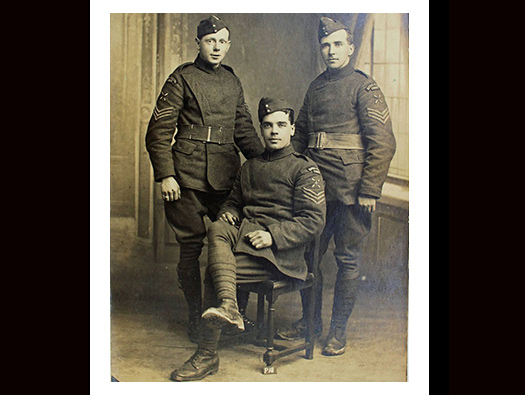
IWM
RFC Netheravon, Wiltshire 1913 to 1918
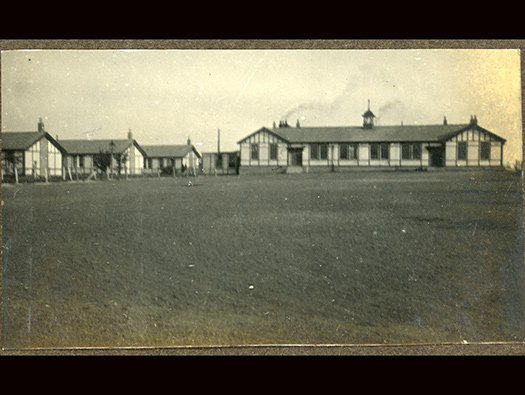
1913
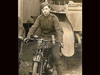
RFC Netheravon, Wiltshire 1913 to 1918
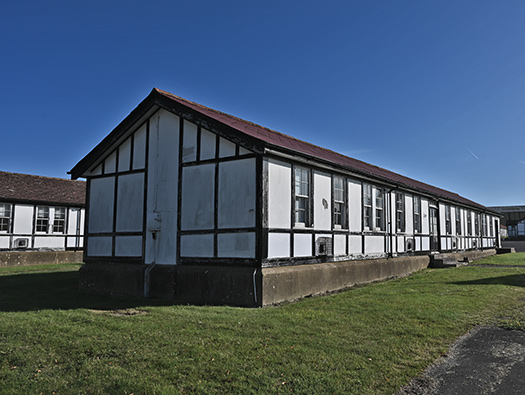
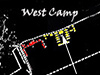
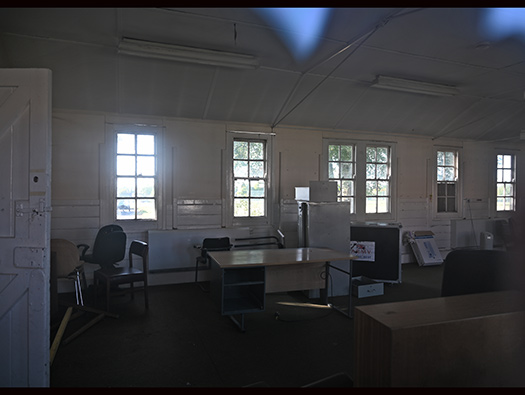
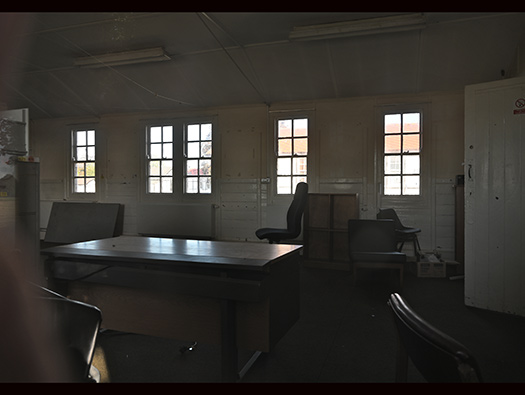
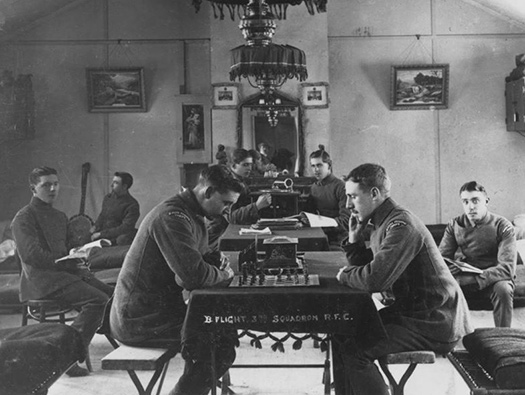
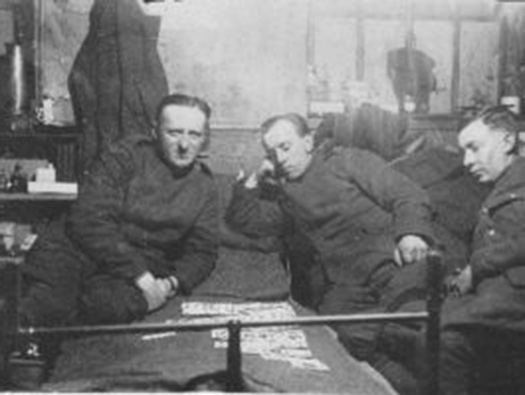
The men had to put up with a large room and one small room for a corporal, who was in charge of the hut. Six AM and they rose up and washed (Abluted), then probably some PT before breakfast and then marched off to work. Marched back for lunch and then back to work for the afternoon. An evening meal and then some time to themselves in the Institute, where they could play games (cards, snooker, etc. Lights out at 11.00.
14 September 2019

RFC Netheravon, Wiltshire 1913 to 1918
14 September 2019
RFC Netheravon, Wiltshire 1913 to 1918
14 September 2019
RFC Netheravon, Wiltshire 1913 to 1918
1913
RFC Netheravon, Wiltshire 1913 to 1918
WW1
RFC Netheravon, Wiltshire 1913 to 1918
1914 Fuller
RFC Netheravon, Wiltshire 1913 to 1918
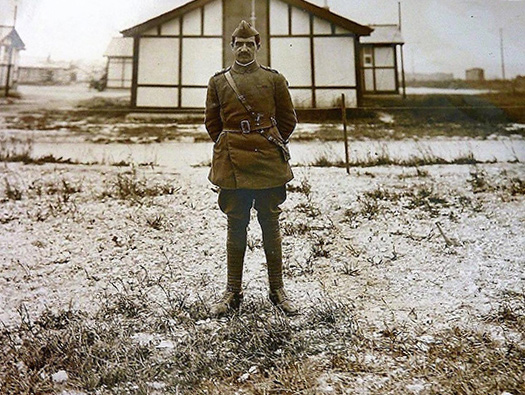
1913 Unknown
RFC Netheravon, Wiltshire 1913 to 1918
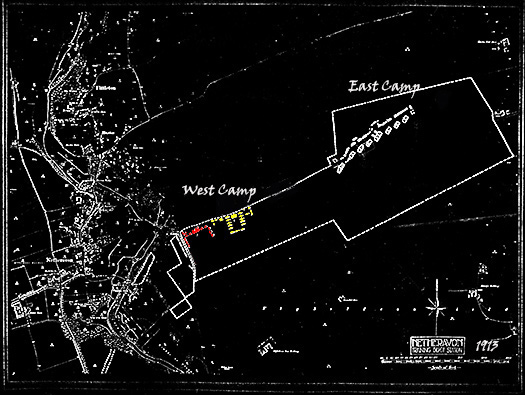
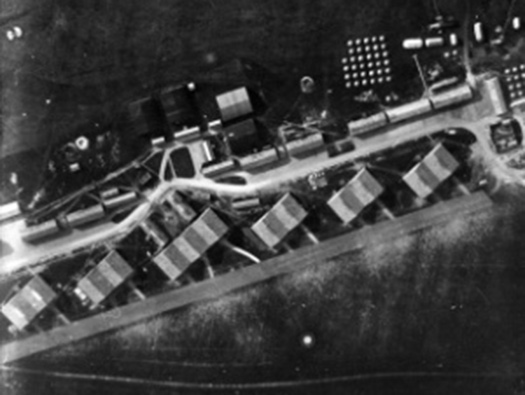
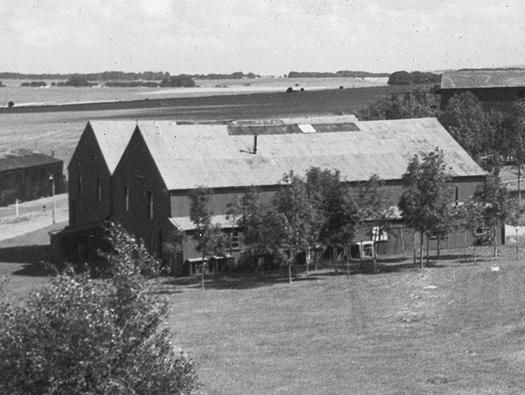
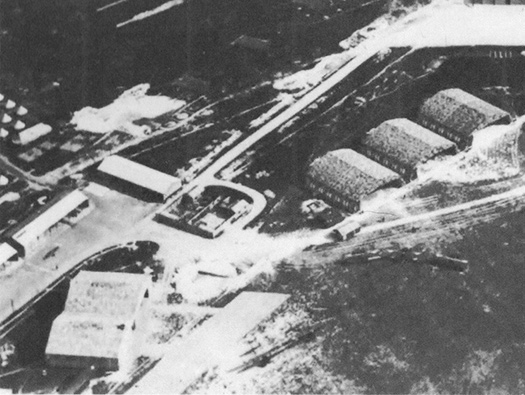
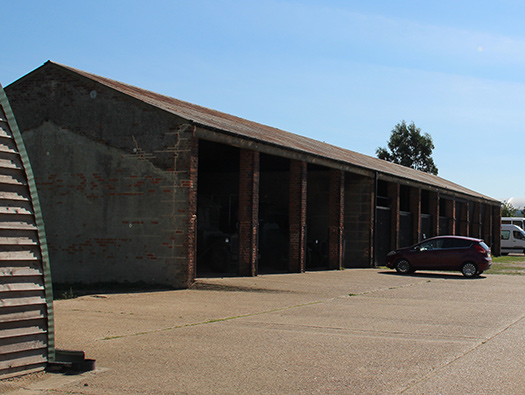
Continuing down we had five double tin sheds and one triple tin shed, behind were MT sheds for all the transport. An RFC squadron had to be self sufficient in its ability to move around the battle field, so attached to the aircraft component were heavy engineering lorries with lathes and milling machines, heavy and light lorries (tenders), motor cycle and side cars.
1913 Plan
RFC Netheravon, Wiltshire 1913 to 1918
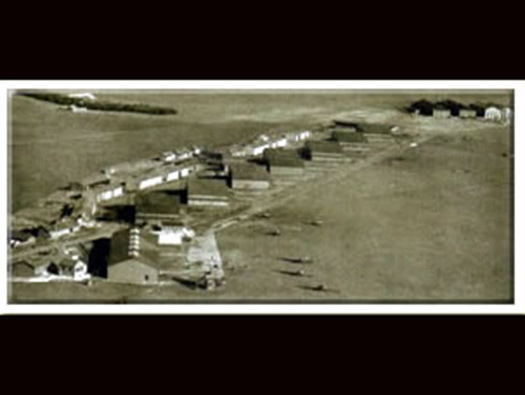
1920?
RFC Netheravon, Wiltshire 1913 to 1918
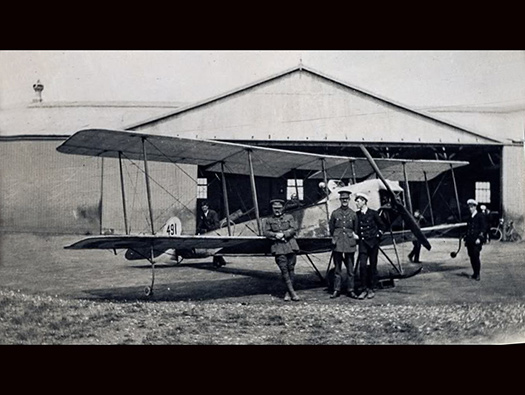
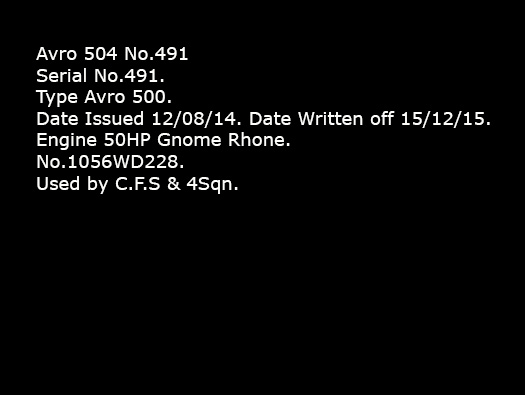
1914 (this could be at Central Flying School Upavon?)
RFC Netheravon, Wiltshire 1913 to 1918
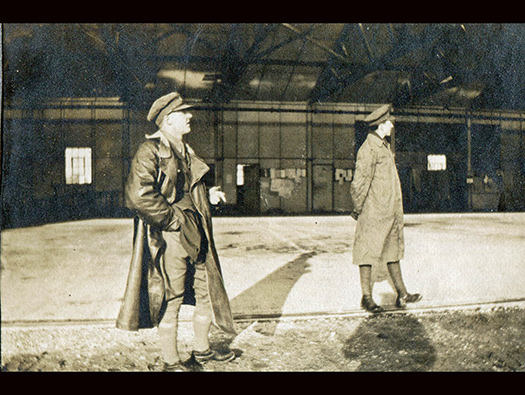
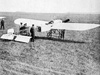
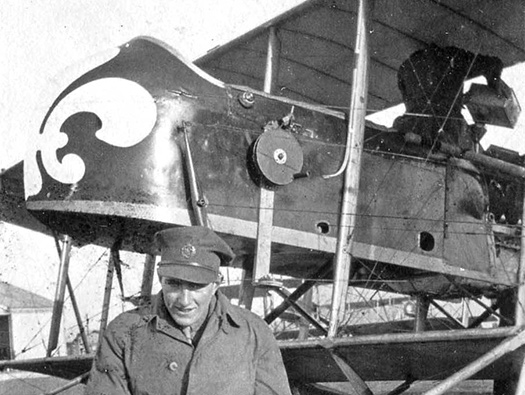
Normy Dimmock was commissioned as a 2nd Lieutenant in the Royal Flying Corps on September 13th 1916. After a month of lectures at Oxford he was posted to the flying school at Netheravon in Wiltshire where he did his first solo on a Maurice Farmen Shorthorn. Pupils in those days had to get to the hangars soon after daybreak, as it was generally too bumpy for flying instruction after about ten o’clock in the morning. (From his memoirs).
2nd. Lt. NH Dimmock 1916
RFC Netheravon, Wiltshire 1913 to 1918
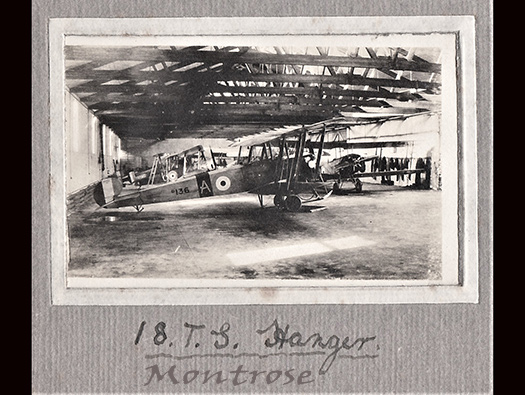
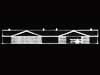
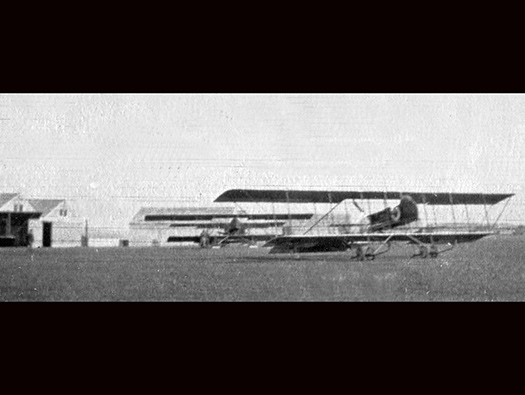
How the shed could have looked at Netheravon.
War was declared on Monday 3rd August 1914 and at Netheravon armed guards were placed around the aerodrome & aircraft. The aircraft were prepared for war and cockpits were fitted out with racks for rifles and sacks to hold ammunition and the issue of maps. All the squadrons then moved out for Swingate, Dover and then on to France. Netheravon then went very quiet and it became an annex to C.F.S. Upavon to train Officers that had not yet obtained their aviators certificates. By October 1914 closed and re opened as No.3 Reserve Aeroplane Company until January 1915 when they moved to Shoreham. Then Netheravon started the forming of new squadrons under No.4 Wing RFC. This continued until December 1916.
Montrose Facebook page.
RFC Netheravon, Wiltshire 1913 to 1918
2nd. Lt. NH Dimmock 1916
RFC Netheravon, Wiltshire 1913 to 1918
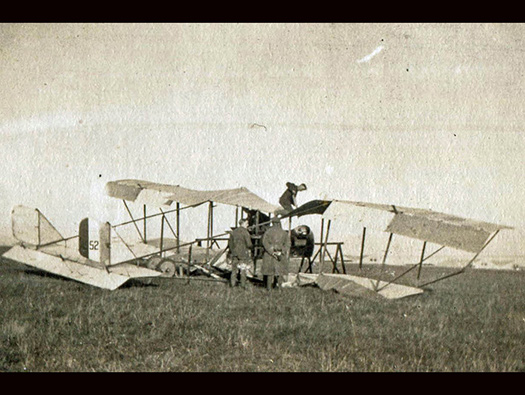
"I don't think I mentioned that the two best machines in our flight of four machines were smashed up this week. One was smashed to bits by a chap making a rotten landing, while the other was completely done in by a fellow in 24th Squadron dashing into it on the ground. His machine was also sugared. No one was hurt in the least by either of these little jaunts, our flight being the only thing to suffer (and the government , which has to pay up). However, we have a new machine brought from Farnborough, so it is alright". (Letters from Bob page 67, RFC, Netheravon, Wilts., 8/11/16). He shared a room with 2nd Lt NH Dimmock.
2nd. Lt. NH Dimmock 1916
RFC Netheravon, Wiltshire 1913 to 1918
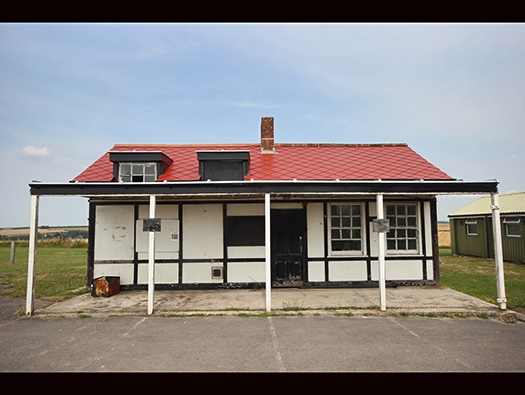
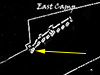
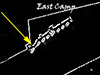
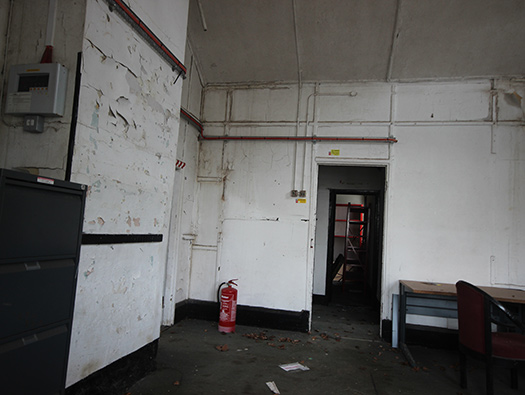
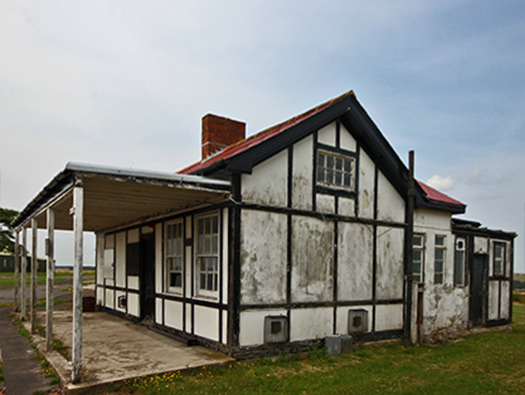
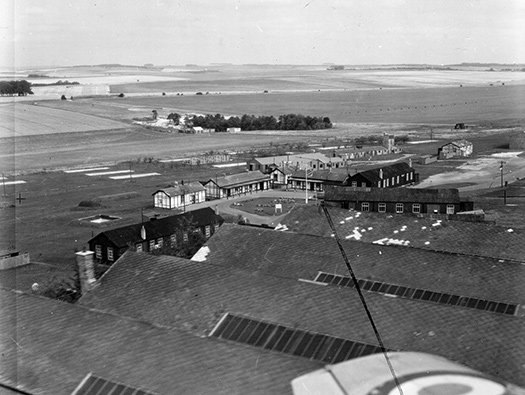
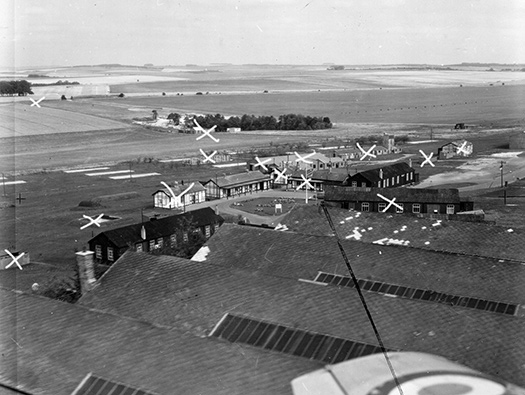
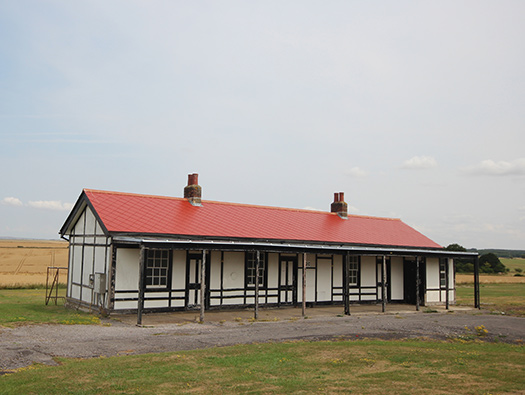
The East Camp Guard Room. When war was declared this hut would have become a hub of activity as guards were posted out to hangars/sheds all armed and with live ammunition. This has since been demolished.
21 July 2018
RFC Netheravon, Wiltshire 1913 to 1918
21 July 2018
RFC Netheravon, Wiltshire 1913 to 1918
21 July 2018

RFC Netheravon, Wiltshire 1913 to 1918
NH Dimmock
RFC Netheravon, Wiltshire 1913 to 1918
NH Dimmock
RFC Netheravon, Wiltshire 1913 to 1918
NH Dimmock
RFC Netheravon, Wiltshire 1913 to 1918
NH Dimmock
RFC Netheravon, Wiltshire 1913 to 1918
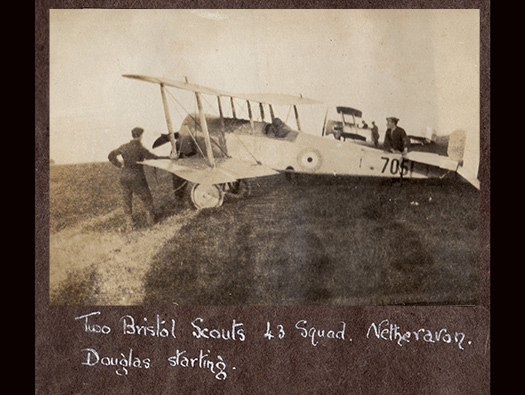
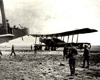
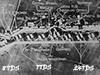
Through 1914/1915 & 1916 squadrons were formed. 20, 26, 32, 19, 43, 48 and the numbers go on. Even No.92 Canadian reserve squadron was formed here. In April 1918 Netheravon became a Training Depot Station or T.D.S. Many were being formed all over the country and on Salisbury Plain we had Stonehenge, Lake Down, Old Sarum, Boscombe Down, Lopcome Corner and C.F.S still at Upavon. This was the new way of training pilots and squadrons. Netheravon had three T.D.S.'s with 7, 8, and 24. This is when Netheravon also received 10 HP 0/400's.
RFC Netheravon, Wiltshire 1913 to 1918
21 July 2018
RFC Netheravon, Wiltshire 1913 to 1918
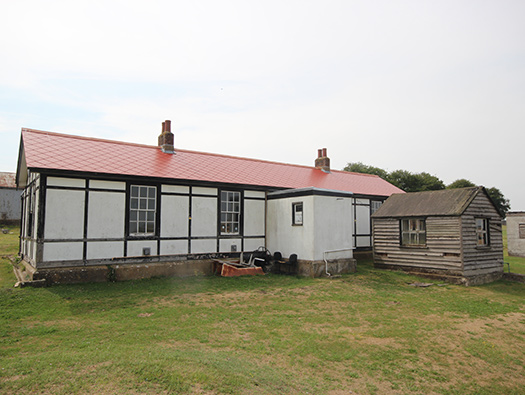
21 July 2018
RFC Netheravon, Wiltshire 1913 to 1918
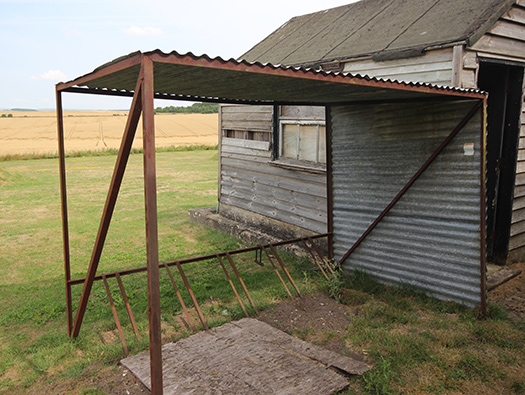
21 July 2018
RFC Netheravon, Wiltshire 1913 to 1918
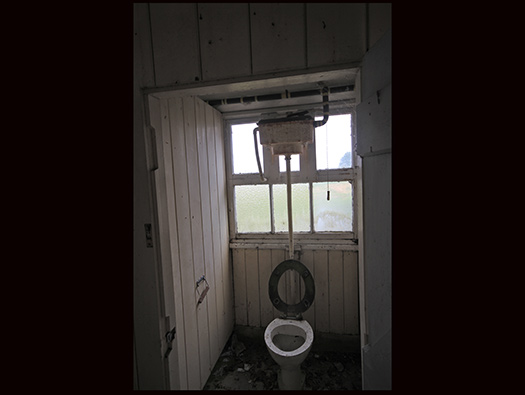
21 July 2018
RFC Netheravon, Wiltshire 1913 to 1918
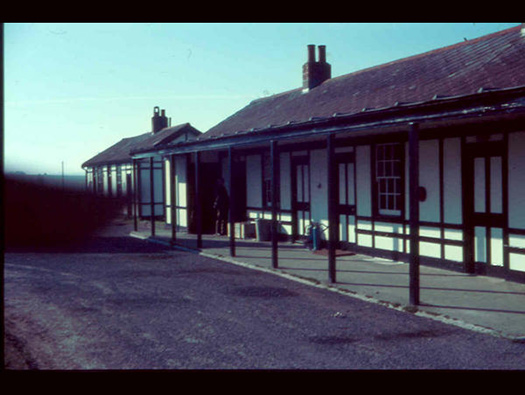
1962
RFC Netheravon, Wiltshire 1913 to 1918
WW1
RFC Netheravon, Wiltshire 1913 to 1918
2nd. Lt. NH Dimmock 1916
RFC Netheravon, Wiltshire 1913 to 1918
NH Dimmock
RFC Netheravon, Wiltshire 1913 to 1918
1913
RFC Netheravon, Wiltshire 1913 to 1918
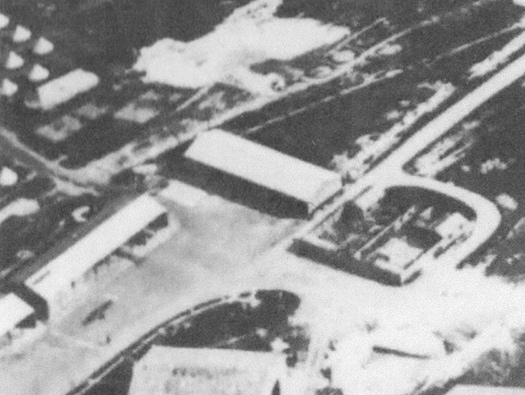
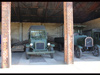
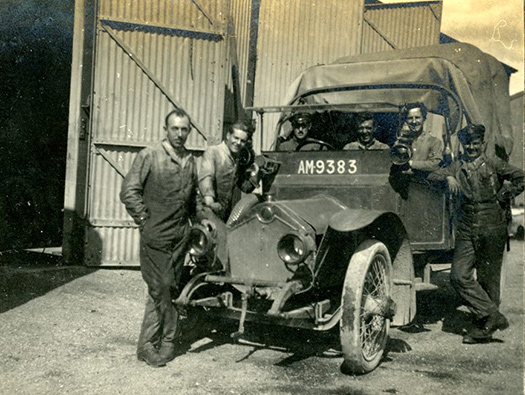
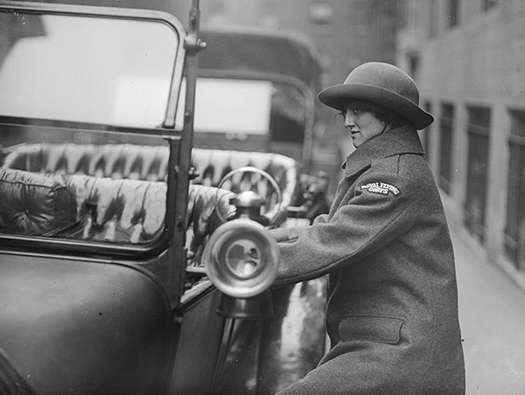
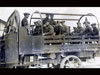
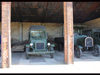
The RFC had a lot of Motor Transport, they had to be able to move the whole squadron at short notice to another aerodrome, which may not have hangarage or any hutting. So the MT carried all aircraft spares, aircraft tentage (each plane had a tent), Mens tents, machinery repair lorries, etc. When war came, this is exactly what they needed and used successfully on the retreat from Mons. M.T. sheds came in lengths of usually 12 or 13 garages, one may have an inspection pit and there could be an office either in one of the garages or attached at the end. The exact same design continued into WW2 where many stations had multiples of 12/13 garages.
1913
RFC Netheravon, Wiltshire 1913 to 1918
RFC Netheravon, Wiltshire 1913 to 1918
19 September 2018
RFC Netheravon, Wiltshire 1913 to 1918
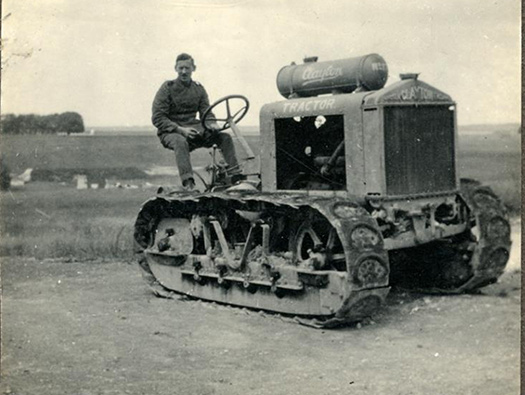
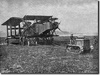
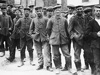
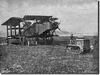
These tractors were needed to tow around large HP 0/100 & HP 0/500 bombers, without a tractor you needed 40 Men and the only place where there were 40 men was in a prisoner of war camp and many aerodromes used German prisoners to manoeuvre planes in and out of hangars. These tractors saved a lot of the problems.
RFC Netheravon, Wiltshire 1913 to 1918
RFC Netheravon, Wiltshire 1913 to 1918
1919
RFC Netheravon, Wiltshire 1913 to 1918
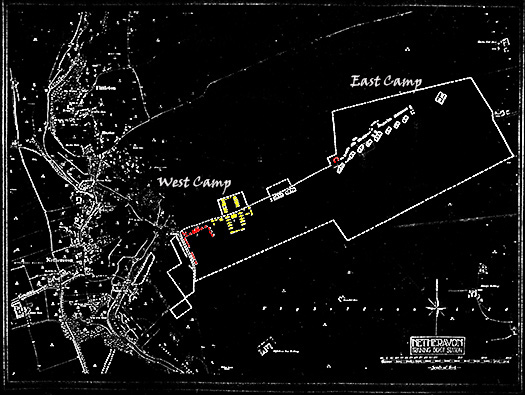
Final plan of the camp at the end of the war.
1918 Plan
RFC Netheravon, Wiltshire 1913 to 1918
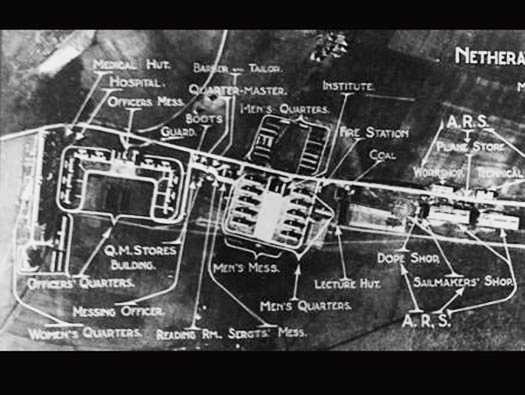
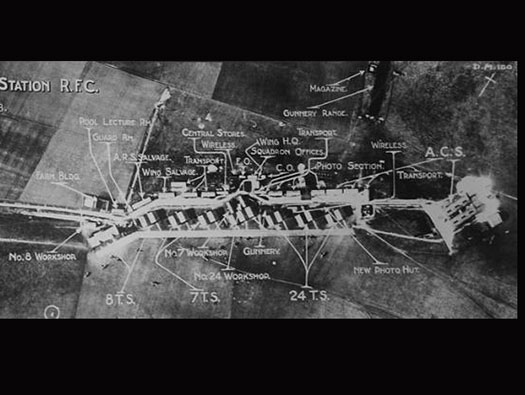
1918
RFC Netheravon, Wiltshire 1913 to 1918
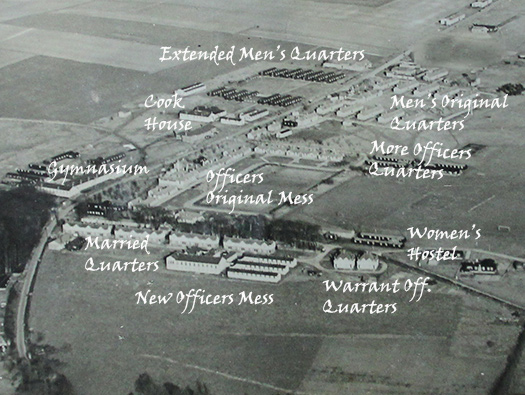
1927
RFC Netheravon, Wiltshire 1913 to 1918