Shuttleworth and it's Stonehenge HP O/400 shed.
Bedfordshire · England · United Kingdom

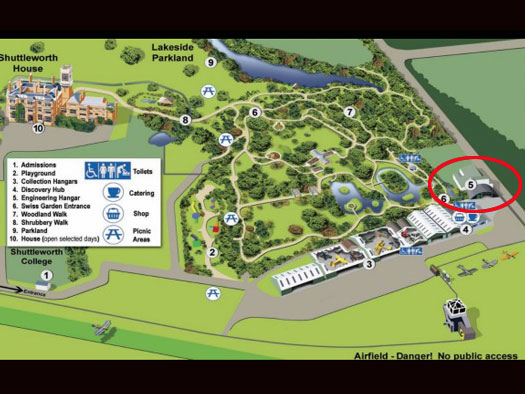
I lucky to be at the 2026 Seminar 'Command of the Air' by the Great War Aviation Society on Saturday 3rd of October and on the Sunday we had a wonderful visit to The Shuttleworth Collection at Old Warden, Bedford.
Whilst here I had the opportunity to study the first hangar (Shed).
Its origins goes back to 1918 and the Royal Naval Air Service night camp at Stonehenge in Wiltshire.
There were four, O/400 sheds built as a block with, I think brick outer walls and brick or steel piers to hold the roof structure up and a steel 'A' framed roof. Parts of one when Stonehenge was sold off in the 1920's, was bought and transported to Old Warden. Another was used at an aerodrome at High Post, Amesbury. (I have as yet, no pictures of that one.
Shed - Hangar: Shed was the original name for hangars until WW2.
Plan
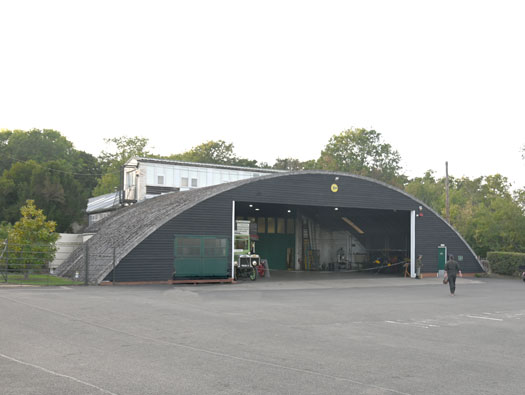
The HP shed with a WW2 Blister hangar added to the front. A 12532/41 type.
04 October 2026
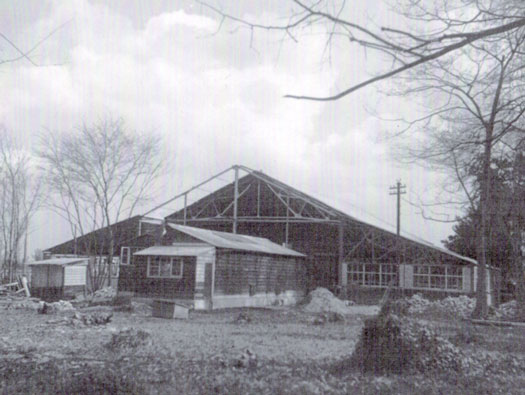
Part way through the construction of a new hangar at Old Warden. You can see the original roof frame from Stonehenge.
TG date unknown
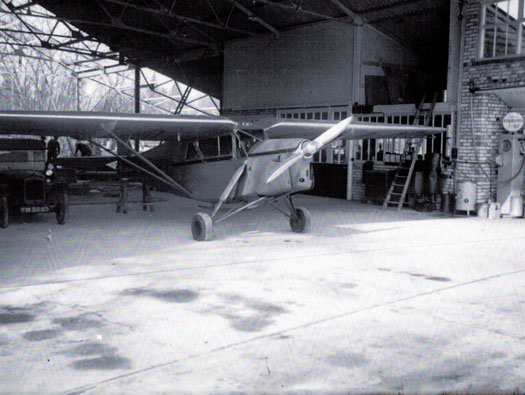
A DH.85 Leopard Moth with the hangar behind being constructed.
This could be Richard Shuttleworth's DH.60X Moth G-EBWD 1932.
TG date unknown
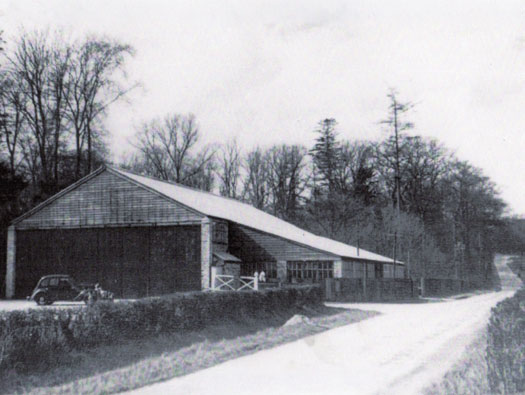
Here it looks to be finished and very smart. This will be before the Blister hangar was added.
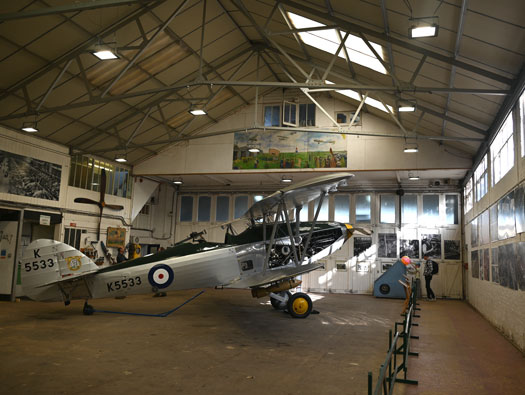
Looking at the roof and the front main doors, these doors are wooden Esavian type.
04 October 2026
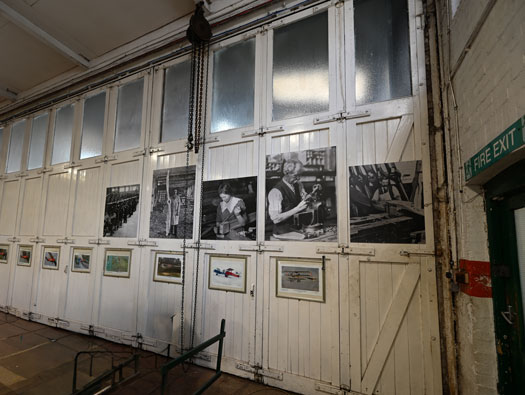
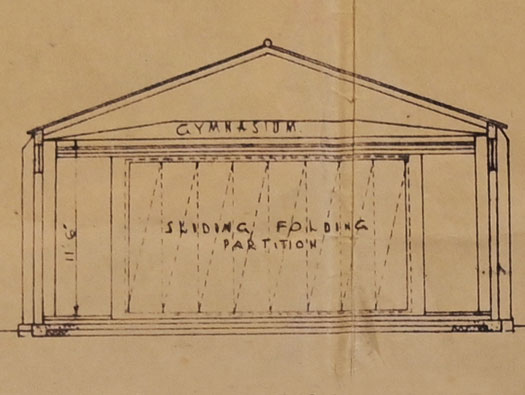
Esavian doors are a world-renowned brand of industrial aircraft hangar doors manufactured by the UK-based company originating more than 100 years ago from the Educational Supply Association (historically trading as Esavian). They also made partitions that fitted into class rooms and could be folded back fully open allowing two class rooms to become one. A classic RAF building a Gymnasium had Esavian doors between the gym and the chancel.
04 October 2026
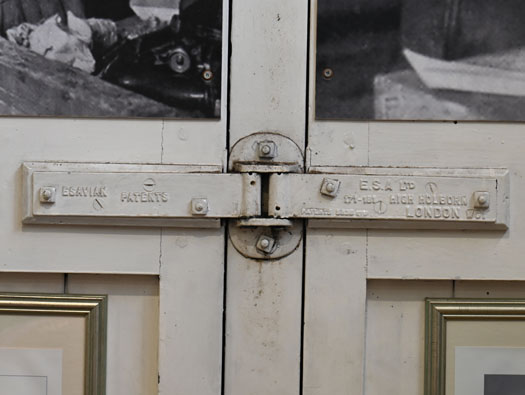
Esavian hinge.
04 October 2026
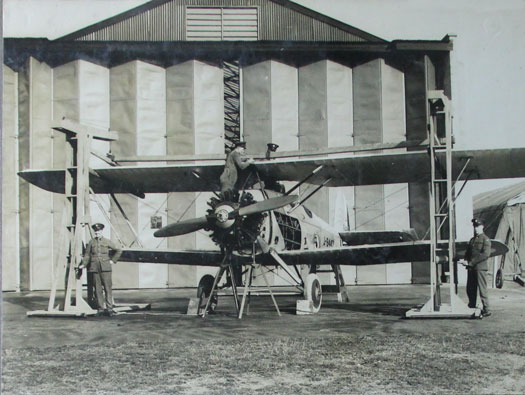
Esavian doors on the HP O/500 sheds at RAF Netheravon being use pre WW2.
1936ish
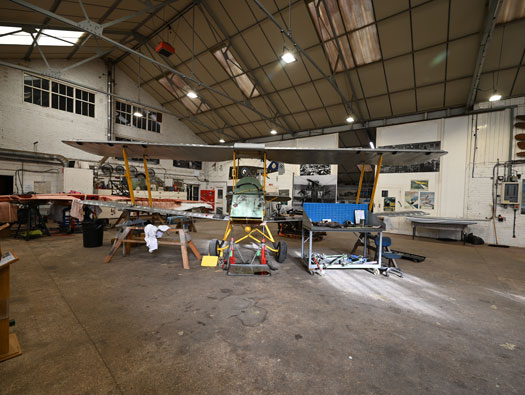
A Tiger Moth being fully stripped and brought back soon to flying condition. Something they do I believe every six years to all their flying airframes.
04 October 2026
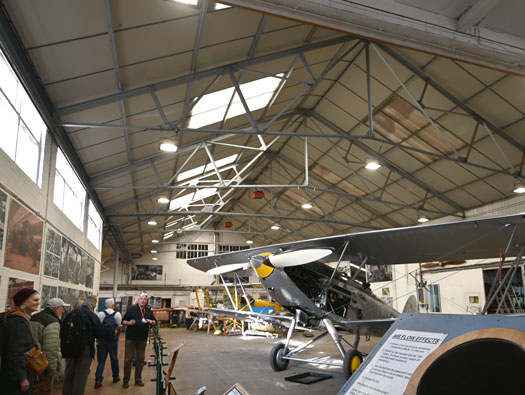
A good view of the HP roof.
Hawker Hart, probably my favourite plane. This will soon be flying.
These HP sheds were designed by the Handley Page co. specifically to store their planes.
04 October 2026
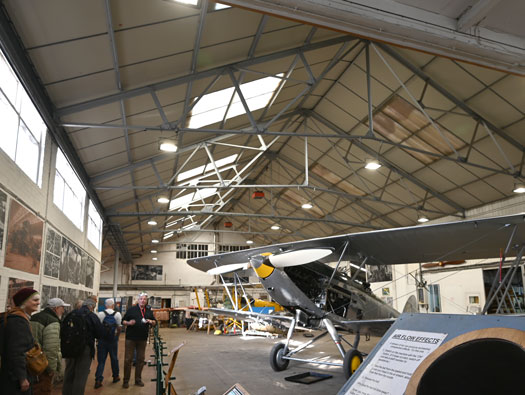
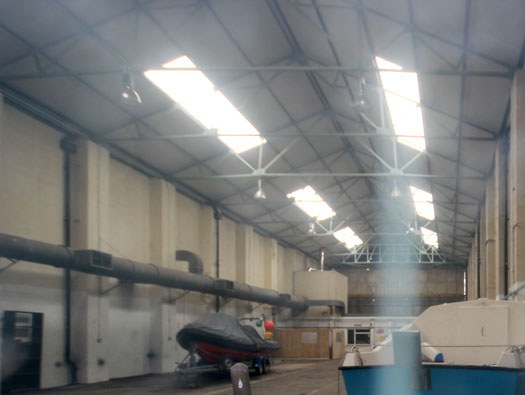
Here is a side by side view of the Shuttleworth shed and one of the Netheravon sheds.
The Handley Page hangars at Stonehenge were dismantled around 1931(?). This one went to the Miles Aircraft Factory at Woodley and then to Shuttlewort.
04 October 2026 Shuttleworth - 19 July 2018 Netheravon
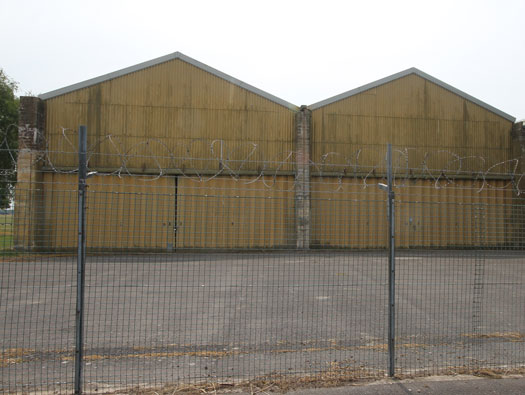
The rear of the Netheravon sheds just showing its profile and size. The doors were assed by the Army when they used them as transport sheds.
31 July 2018
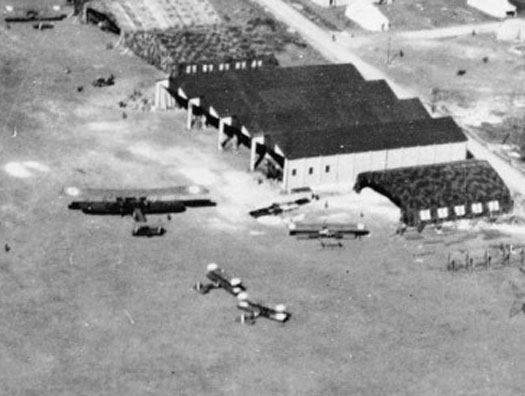
The Stonehenge sheds with an HP O/100 or an O/400 outside. With the wings open, they would not fit inside, so the wings were made to fold.
22 March 1918
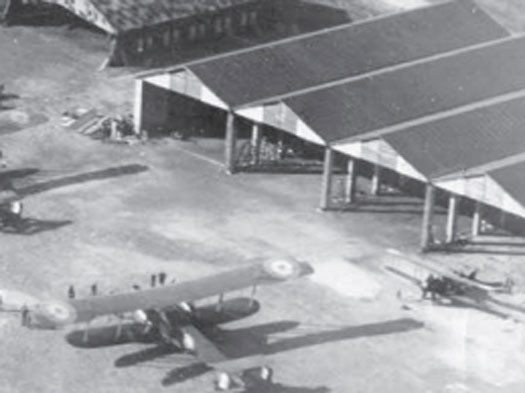
The piers look brick built, the same as at Netheravon.
CCI Archive (1918)
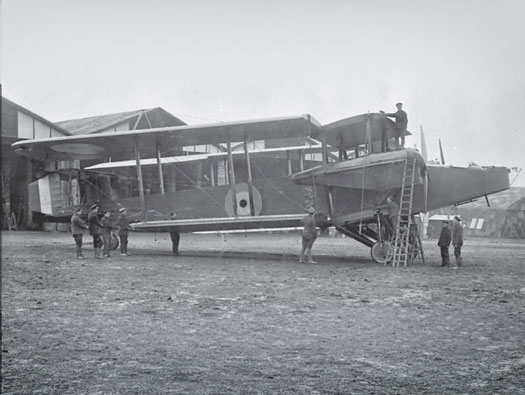
Handley Page O/100 Bloody Paralyser.
HP was asked by Sueter head of the RNAS in 1914, "Build me a 'Bloody Paralyser' " the RNAS at that time were using Avro 504's to bomb Airship sheds and they could only carry very small bombs. He needed a bomber ably to carry a large amount of heavy bombs to blast the sheds apart and then win the war.
Captain Murray Sueter, who served as the first Director of the Air Department at the Admiralty, making him the head of the Royal Naval Air Service (RNAS) when it was officially formed on July 1, 1914.
CCI Archive 1-18
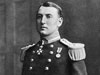
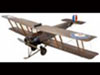
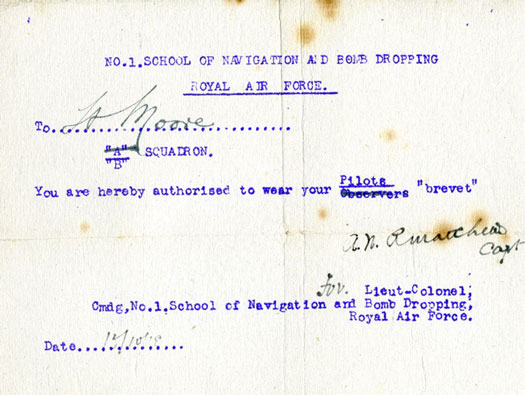
Qualification chit on completion of a training course at No.1 SoAN&BD RAF Stonehenge dated October 1918.
RAF Museum
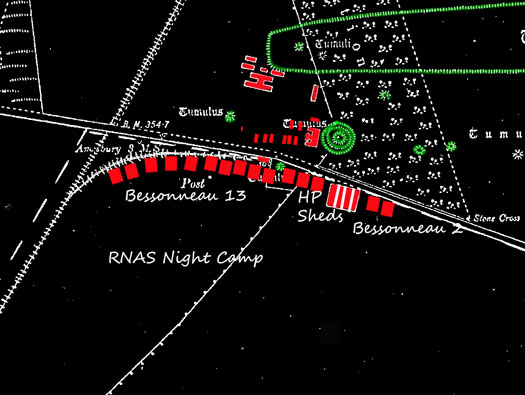
Stonehenge Night Camp.
Based on the RAF Quarterly Survey (October 1918). The RNAS part of the aerodrome. The other side by 1917/18 was the RFC's Training Depot Station which merged with the RNAS on 01 April 1918.
Why Night Camp:
All basic training flying was done in daylight hours, but these bomber crews needed to fly at night. So the two camps were changed to. Here the night camp and the main station to the day camp.
oCTOBER 1918
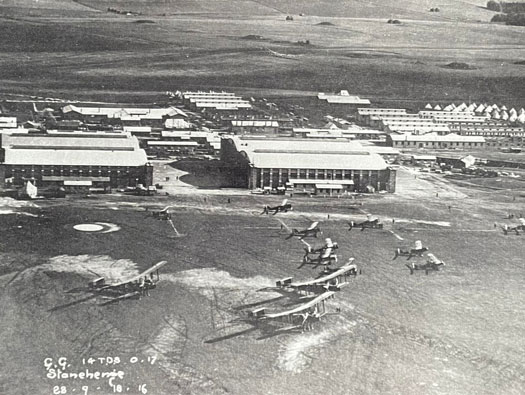
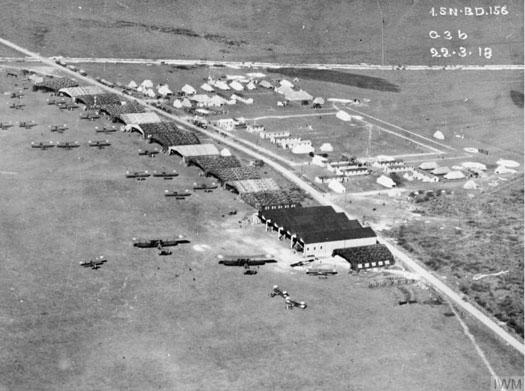
Day Camp - Night Camp.
28-09-1918 - 22-03-1918
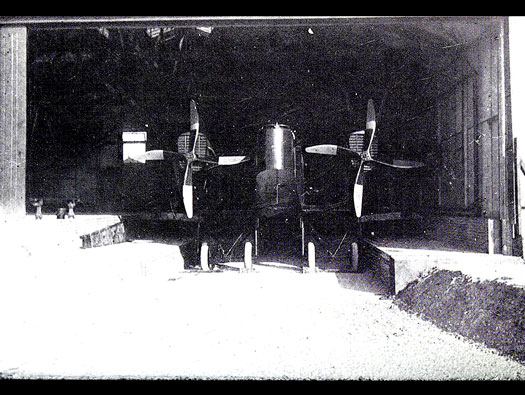
An O/400 of 97 Squadron RAF in a specially modified hangar at Netheravon in 1918.
Handley Page 0/400 “bloody paralyser”:
The 97 mph 0/400 variant began in early 1918, and of the 549 built, over 400 had been delivered to the Royal Air Force before the November 1918 Armistice, when it was serving with seven RAF squadrons as the standard British heavy bomber. Two Rolls-Royce Eagle engines, mounted between the wings in armoured nacelles, a crew of three to five.
It could carry the 748kg (1,650lb) bomb, the heaviest used by British services during the First World War.
Wing Span 100 ft (30.48 m)
Length 62 ft 10¼ in (19.16 m)
Height 22 ft (6.71 m)