StP42 Arromanches falaise: Station Kriegsmarine
STP · K.V.U. Gruppe Bessin (Gold/Omaha Beach) · AOK 7 Normandy · France

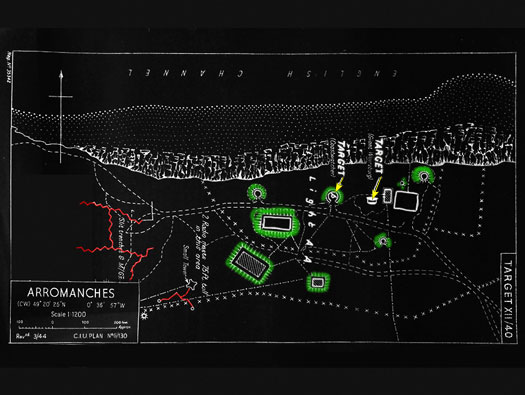
Allied target plan of the radar station.
The oblong green areas are large holes dug into the ground and either light reinforced concrete buildings or wooden building holding the offices, work areas, canteen, maybe sleeping? and one could have been for a generator set to run the radars and radios. The round green are for light Flak, 2cm Flak 28 Oerlikon.
StP42 Arromanches falaise: Station Kreigsmarine.
2.Funkmess-Abteilung.
1 x V229 Würzburg radar socket.
1 x Seetakt Gema Fu.MO 2.
1 x Würzburg See Riese Fu.Mo214.
1 x Peilstand (observation).
1 x 612 casemate for an assault gun.
1 x R667 casemate under construction.
3 x 2cm Flak 28.
1 x 7.5cm F.K.38.
1 x 7.5cm Geb.K.M./12.
2 x 5cm KwK Pak.
AIr 40/1667
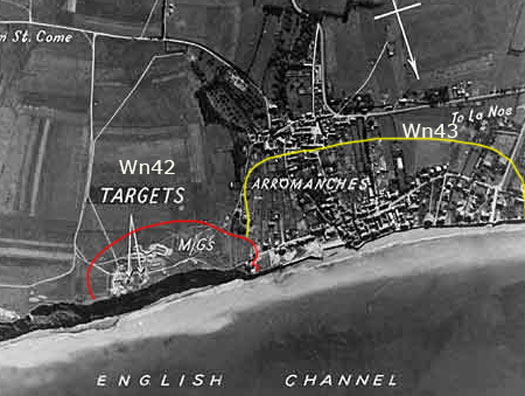
Early photo as there is a lot of construction going on.
AIr 40/1667
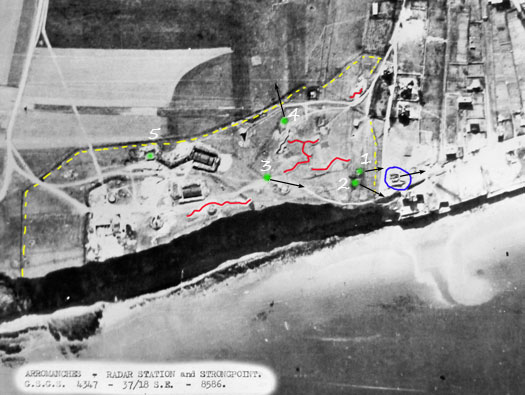
Air photo showing more of the defence of the area. The StP42 defences were covering the western edge, the eastern side was covered by Wn39 St-Côme.
Yellow - The barbed wire defence. There would be a minefield surrounding the defence.
Red - Trenches.
Blue - R612 casemate.
Green:
1 - s.MG257(f).
2 - 7.5cm F.K.38.
3&4 - 5cm KwK Pak's in field type positions.
5 - I think the R667 casemate for a 5cm KwK under contruction.
AIr 40/1667
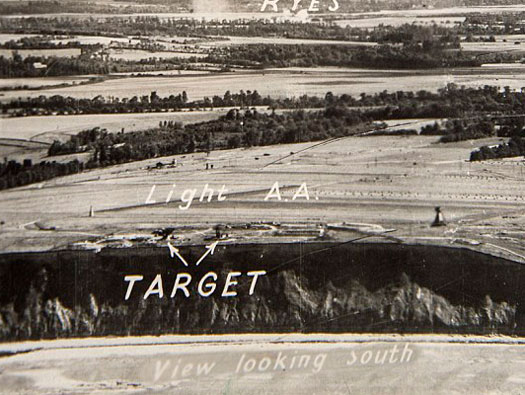
Allied low level air photo of the radar site, showing both types of radar standing out.
AIr 40/1667
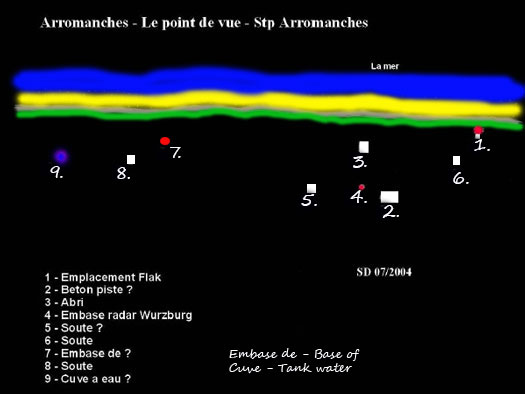
Sebastien's plan of the radar side of the StP42 drawn in 2004.
SD
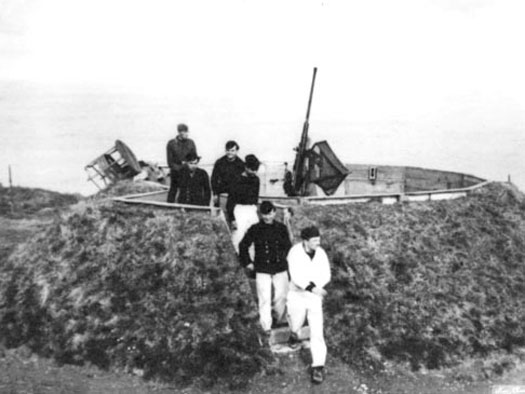
Flak 28 Oerlikon taken here a series of two photos of the Flak crew..
Pos. Bundesarchiv
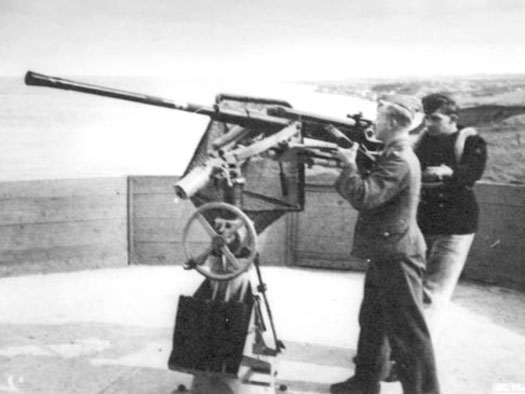
Flak 28 Oerlikon.
Pos. Bundesarchiv
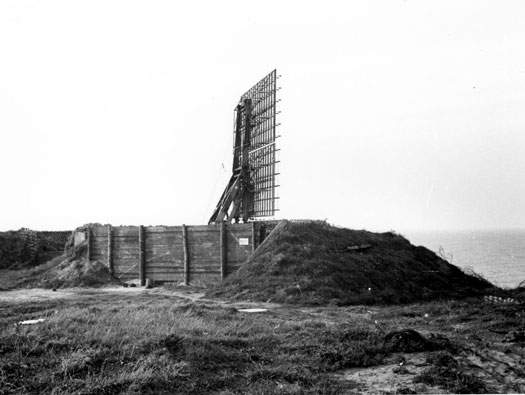
Seetakt Gema Fu.MO 2 radar. Based on a ship borne radar dating back to the 1930's.
Seetact - "Navy Tactical".
FuMO = Funkmess-Ortung = Active radar.
Allied code name was 'Coast Watcher'.
Pos. Bundesarchiv
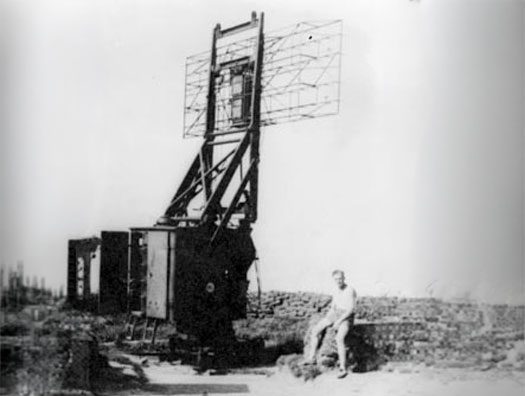
Seetakt Gema Fu.MO 2 radar.
Pos. Bundesarchiv
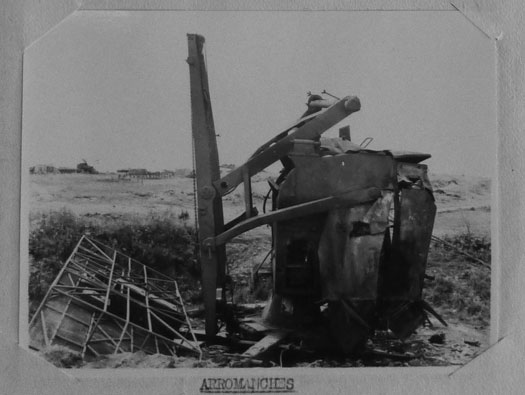
Seetakt Gema Fu.MO 2 radar how it was found when the Allies arrived. Possibly a 30AU photo.
30 Assault Unit, were part of NID (Naval Intelligence Division) and were formed during the war, to go out and often in advance of ground troops and capture intelligence directly before it was damaged by the crews. They had mixed results but at St Pabu in Brittany, they captured the whole radar site and all its crew without firing a shot.
Air 20/2207
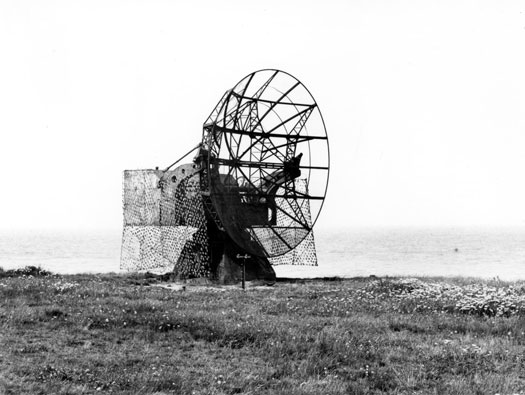
Würzburg See Riese Fu.Mo214.
A massive 7.5-meter (25 ft) parabolic mesh dish mounted on a rotating cabin and weighed roughly 11–15 tons.
Pos. Bundesarchiv
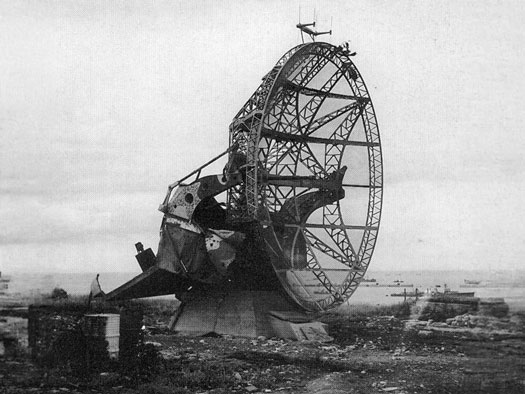
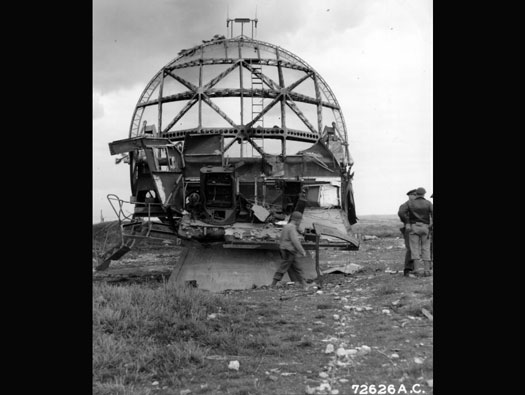
The aerial at the top, I believe is the IFF aerial.
IFF - Identification Friend or Foe.
A-72626a.c. -- 72626A.C.
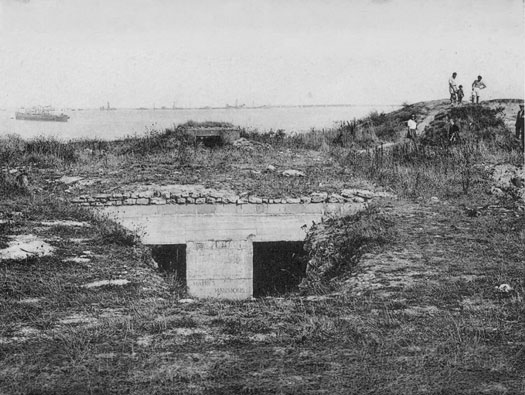
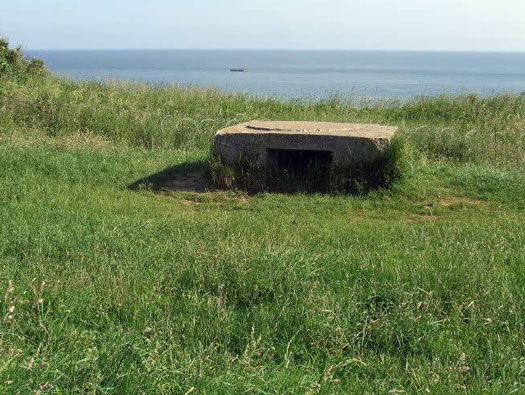
Underground bunker of some type and the second photo, is how it looks now.
02 August 2015
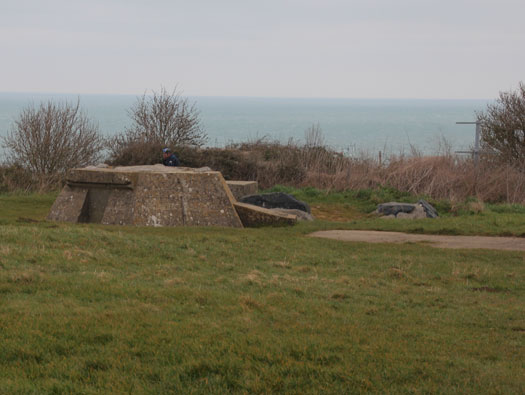
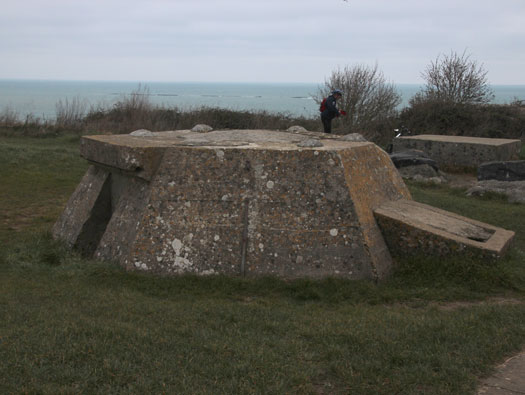
V229 plinth for the Würzburg See Riese Fu.Mo214. note the access on the left to crawl in and connect up wires from coming underground and up into the radar.
10 March 2013
V229 plinth and this one has some sort of extra piece added to the front. I have no idea what function, this preformed.
10 March 2013
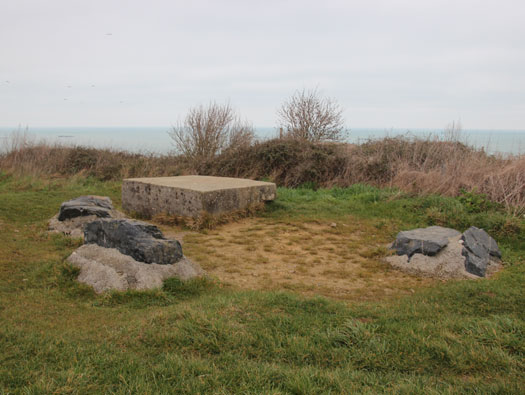
I believe it may have been a Flak position.
10 March 2013
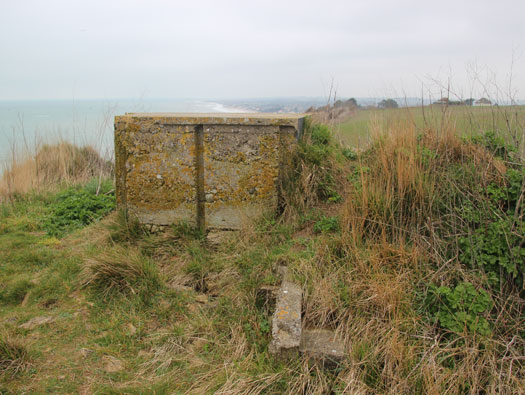
A niche of some kind.
10 March 2013
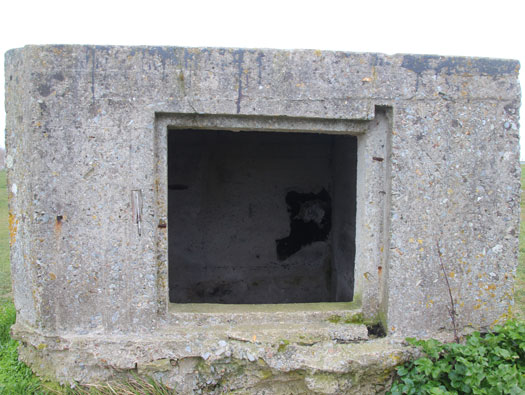
A niche of some kind.
10 March 2013
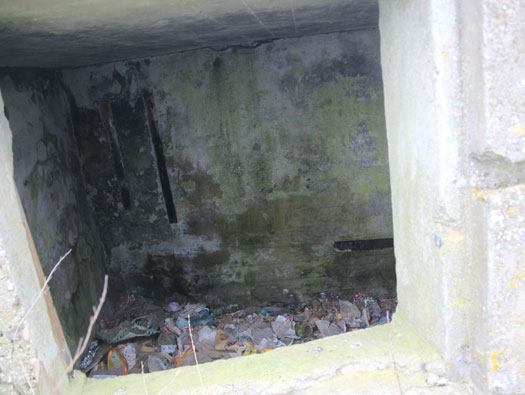
A niche of some kind.
10 March 2013
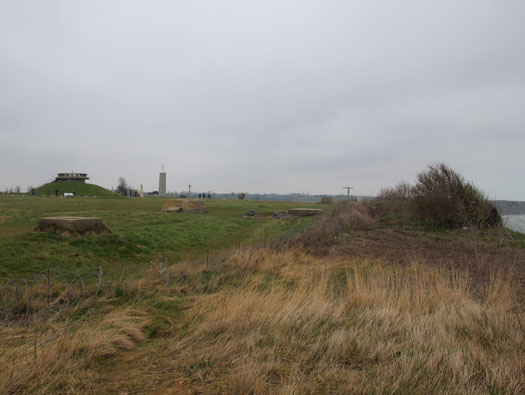
Looking back on the radar site.
10 March 2013
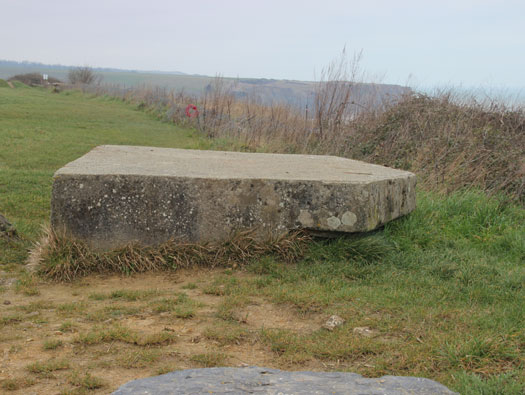
Observation post, they don't have to be huge, two men here on watch with binoculars would have seen the whole of D-Day morning coming alive in Technicolour. With bulging eyes, they would have seen the first signs of ships on the horizon and then telephoned the sighting in to their HQ, who probably would not have believed them.
10 March 2013
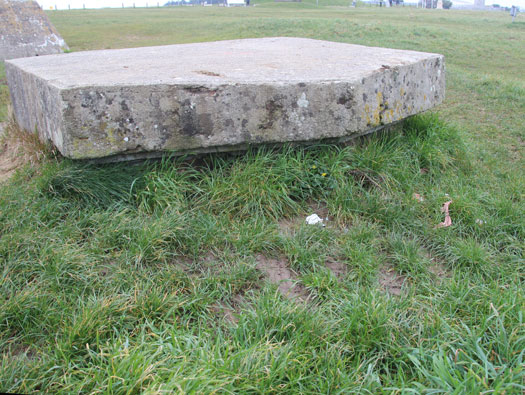
Observation post.
10 March 2013
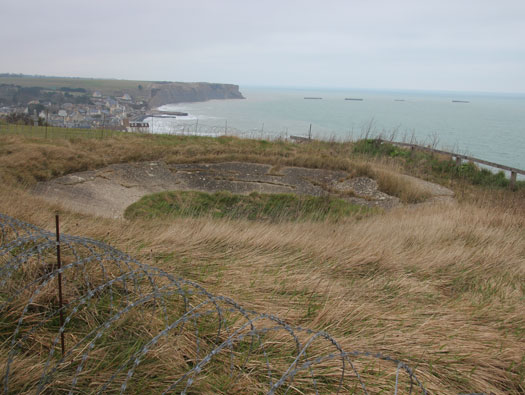
This is interesting, there were at least two up here, I should say try and guess and I would have been wrong. Its the tie down base of a balloon to stop low flying aircraft used by an RAF beach party balloon crew.
10 March 2013
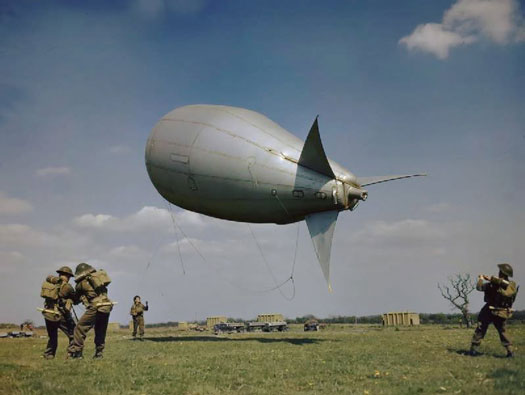
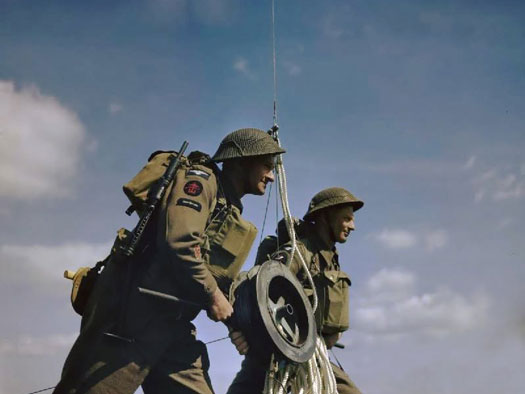
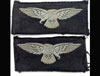
RAF Beach Party balloon operatives.
In Britain in 1944 Royal Air Force Combined Operations balloon crew are pictured hauling in a small barrage balloon of the type used during the D-Day landings. Two men of a balloon crew are pictured with the winch and tackle used for hauling in small barrage balloons.
On the morning of D-Day, barrage balloons were tethered to each ship and some smaller craft for the cross-Channel journey to France. Floating in the sky, the bags formed a miles-wide aerial curtain, protecting the fleet, and then later the men and materiel on the beaches, from enemy planes.
Although RAF crews, they had all had to go through Commando training and on landing on D-Day, they had to be prepared to fight like any other allied serviceman.
10 March 2013
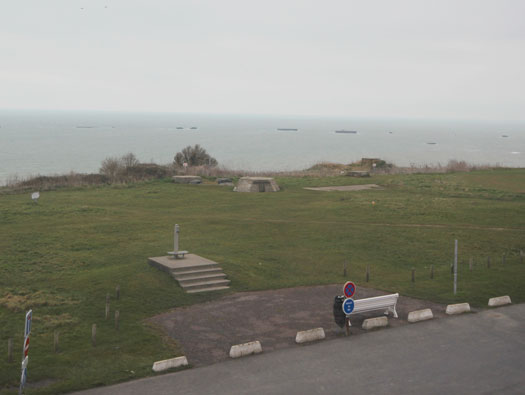
A cold and grey day.
10 March 2013
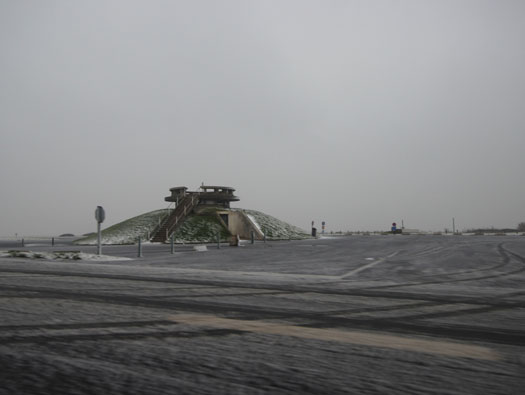
The next day, it snowed.
I believe this mound is a 1960's public toilet and observation point.
11 March 2013
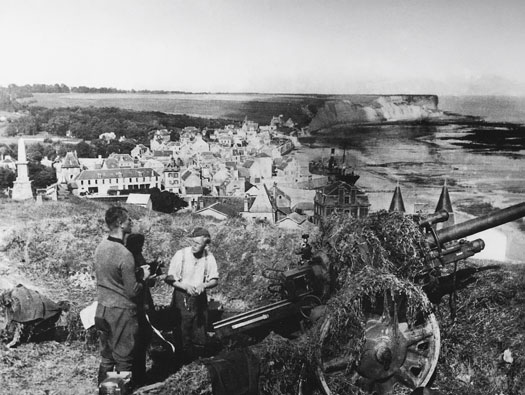
Sat up here in very rudimentary field position is this 7.5cm F.K.38. No casemate for the crew, just a slit trench to hide in. This shows the diversity of German weapons. Here an F.K.28 and below in its casemate with a 7.5cm Geb.K.M./12. Probably different ammunition. Then there is an MG257(f), which being French fired a different round to the standard German 7.92mm (8mm Mauser). The French would have used an 8mm Label round.
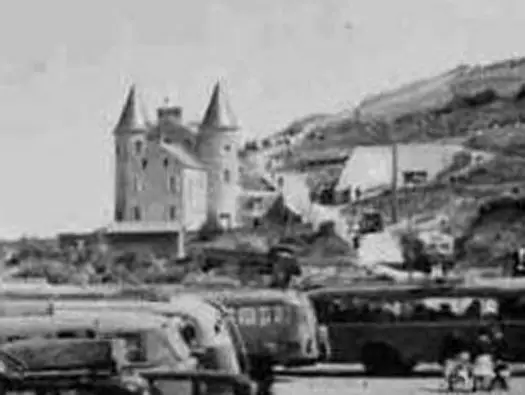
The picture is early on in the defence, as the two pointed towers are still on the villa below.
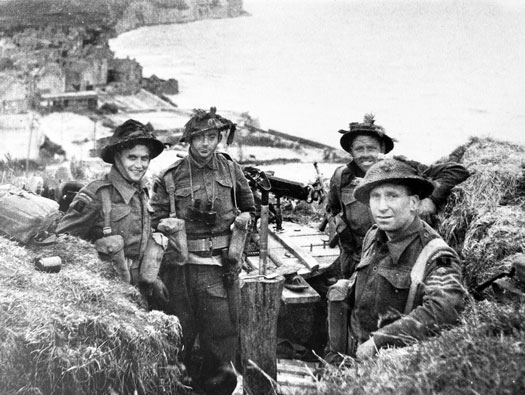
I found this interesting photo, it shows some members of the Hampshire Regiment who captures the radar station on D-Day standing around the MG257(f) position over looking the town.
First the MG's position.
An earth position, with a round wooden plinth, for the gun to sit on its heavy mount. There is also a wooden post with an AA pintle on it to allow anti aircraft fire. The gun would be removed from its heavy mount and placed on the AA pintle. There looks to be no concrete used at all in the defence.
Second the men.
Here are four young men from the Hampshire Regiment, the first on the right has sergeant stripes and a crown, making him to be a Warrant Officer, Sergeant Major maybe. The man behind is the Bren gunner and has his Bren gun at the ready next to the MG257(f).
Next a man with British Army binoculars, I cannot see any pips on his shoulders, so not an Officer, he has his bayonet in a very easy to get at position ready to fight with. The fourth, looks the youngest,
They wear the old style Brodie steel helmets with netting over it. There webbing (1937 pattern) holds two large pouches for Bren gun magazines. Each man could carry four mags in each side and 28/30 rounds per mag.
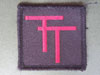
Their badge TT, Tyne Tees Division. 50th (Northumbrian) Infantry Division.
· Durham Light Infantry (DLI): 6th, 8th, and 9th Battalions (151st Brigade)
· Green Howards: 6th and 7th Battalions (69th Brigade)
· East Yorkshire Regiment: 5th Battalion (69th Brigade)
· Devonshire Regiment: 2nd Battalion (231st Brigade)
· Hampshire Regiment: 1st Battalion (231st Brigade)
· Dorsetshire Regiment: 1st Battalion (231st Brigade)
· Cheshire Regiment: 2nd Battalion (Machine Gun)
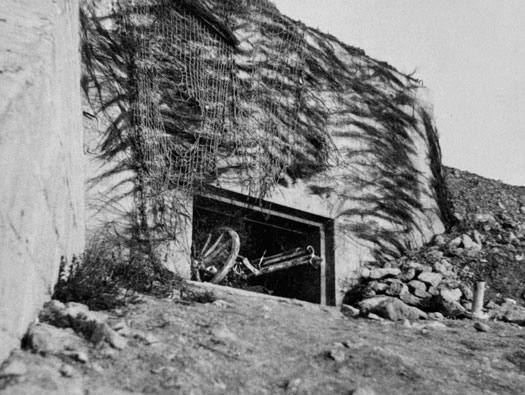
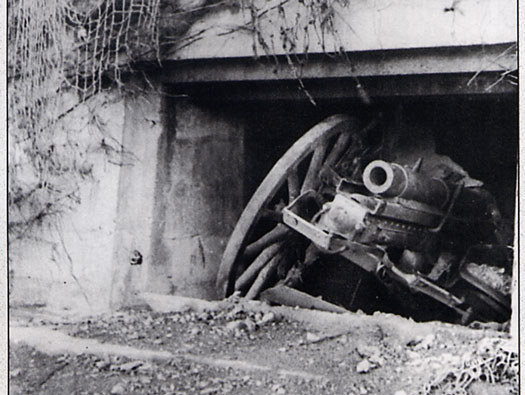
R612 casemate for an assault gun.
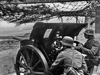
7.5cm Geb.K.M./12. field gun damaged after the battle for Arromanches.
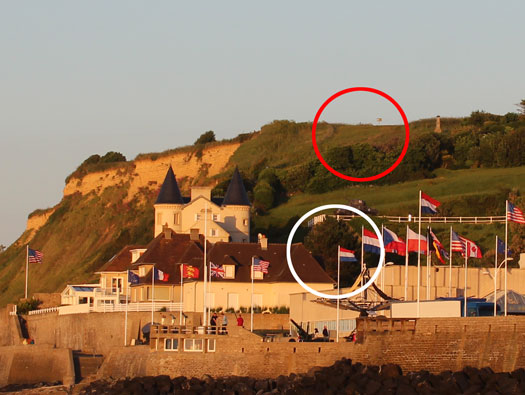
Red circle - where the MG257(f) position was.
White circle - The casemate R617.
1960's
12 June 2017