RAF Down Ampney
RAF · Gloucester · England · United Kingdom

RAF Down Ampney, Gloucester
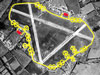
Drive down Oak Road and park at the memorial. We walked around the Airfield site. CT is where the control tower used to be.
Accommodation was all to the north side in temporary buildings..
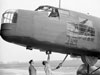
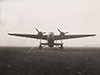
With the construction starting in 1943, this 'A' class airfield had its full quota of buildings, runways and bomb store. A standard bomber bomber airfield but only used by RAF Transport Command. In early 1944 two RAF squadrons 271 & 48 arrived with brand new Dakotas. They also retained a few HP Harrows, to use as hack aircraft that could be used as lorries of the air to save the Dakotas for operational uses. They were a throw back from the 1930's.
RAF Down Ampney, Gloucester
RAF Down Ampney: -
Opened 1944. Closed 1946.
Command - Transport Command 46 Group.
2 - T2 hangars.
Accommodation- Temporary.
Full Bomb Store to the SW.
21 June 2009
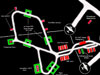
RAF Down Ampney, Gloucester
RAF Down Ampney, Gloucester
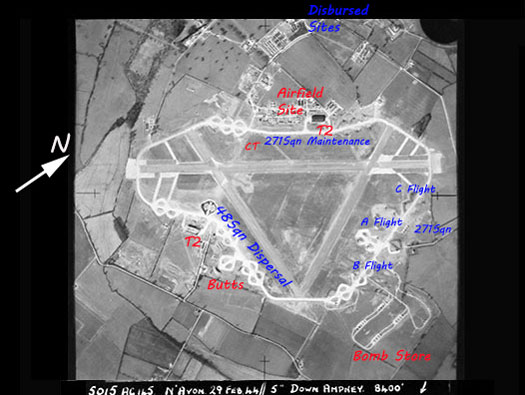
Three runways - main 6,000ft, two others 4200ft x 150ft.
Perimeter track - 50ft.
Dispersals - 50 loop or spectacle.
19 February 2006
RAF Down Ampney, Gloucester
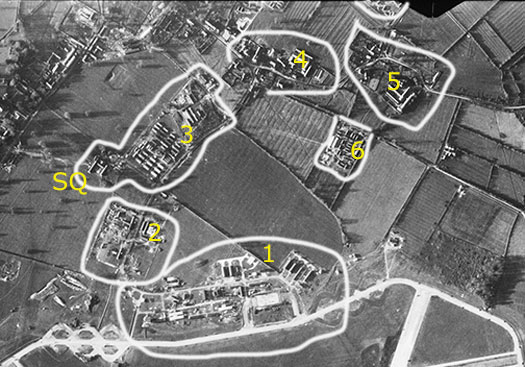
An American 7th Photographic Group air photo taken in December 1943 as the camps were being built. You can see how much was already constructed. I do not have a site plan so can only guess what sites were.
1. - Airfield site 1T2 hangar and many Romney huts, etc.
2. - Quarters.
SQ - Sick Quarters could be 11569/41 design.
3. - Communal site where all the main large buildings would have been, Officers, Sergeants mess's. Men's Institute. Cinema.
6. - Quarters. These could use 16ft Nissen, pre cast concrete, pre fab Seco, wooden, wood and tar paper hutting.
US 7PH GP 4-12-43

RAF Down Ampney, Gloucester
19 February 2006
RAF Down Ampney, Gloucester
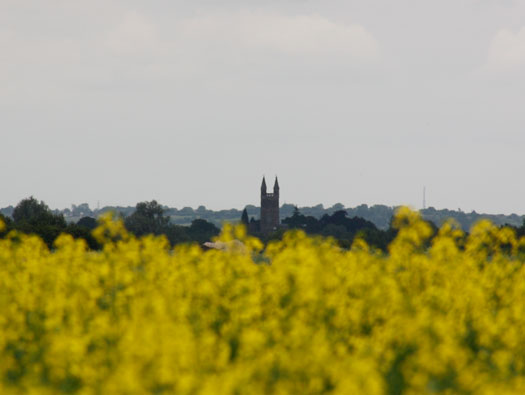
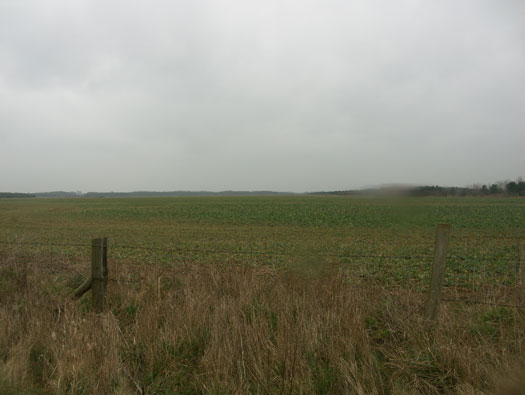
The view to Cricklade across the airfield.
21 June 2009
RAF Down Ampney, Gloucester
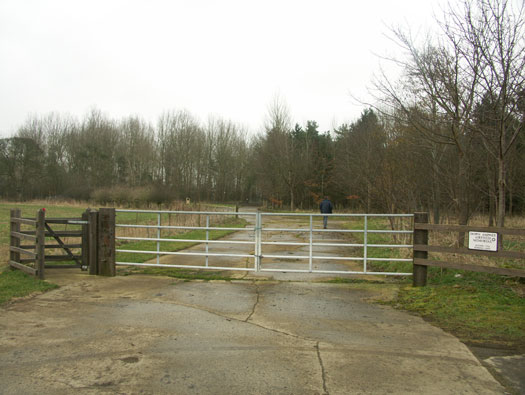
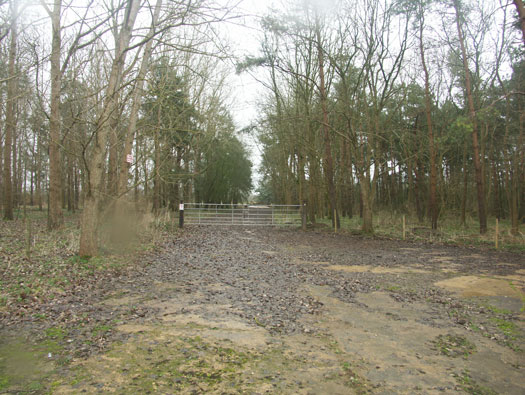
Main entrance to airfield site.
Down Ampney was constructed as one of a group of three airfields, Broadwell, Blakehill Farm and Down Ampney which came under 46 Group, RAF Transport Command, tasked with setting up Transport Squadrons primarily for the invasion of Europe.
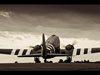
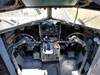
38 Group were the main transport group of the RAF. Then with the need to expand for the return into Europe. Another Group was needed and this was 46 group They were issued with the American C-47, the military version of the DC-3 which first flew in 1935. An all metal monoplane with usually two 14cyl Pratt & Whitney R1-830 Twin Wasp engines. These planes were given a reinforced floor, a large rear cargo door, seats for 28 paratroopers or 14 stretchers or 6,000 pounds of cargo. A crew of pilot, co pilot, radio operator, when parachuting a dispatcher.
19 February 2006
RAF Down Ampney, Gloucester
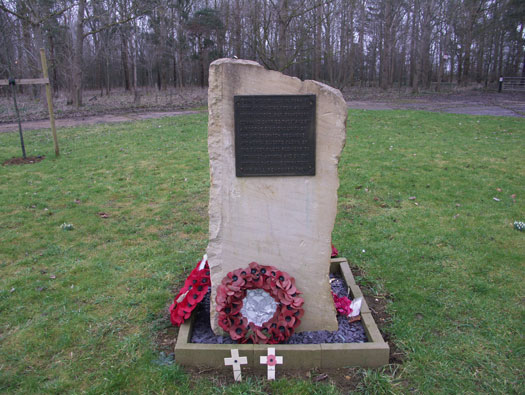
Memorial Plaque: -
From this airfield in 1944-5 Douglas Dakotas from 48 and 271 Sqdn's. RAF Transport Command, carried the 1st and 6th Airborne divisions, units of the Air Dispatch Regiment and Horsa gliders flown by the Glider Pilots Regiment to Normandy-Arnhem and the crossing of the Rhine operations.
19 February 2006
RAF Down Ampney, Gloucester
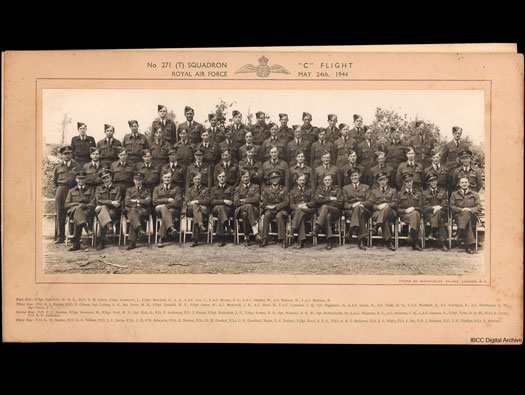
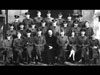
No. 271 (T) Squadron Royal Air Force "C" Flight May 24th, 1944.
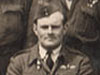
Bottom row forth from the left is James Keith O'Neill Edwards, the well known comedies of the 50's to the 80's.
19 February 2006

RAF Down Ampney, Gloucester
46 Group RAF was a brand new unit and was formed in January 1944 specifically to be used in the transport, parachute & glider delivery tasks. A new boss arrived Wing Commander 'Louis Strange'. A pre WW1 pilot, an ex WW1 fighter pilot and between the wars he worked in all sorts of air minded jobs. When the second world war started, he joined up again and did many jobs until January 1944, he was in charge of four squadrons of Dakotas.
The Wing Commanders first job was to train a brand new group of pilots, air & ground crew. How to fly Dakotas, how to tow gliders and how to parachute men.
He arranged for some American Dakota pilots to come and help as there was no Dakota Operational Training Unit at that time in the RAF.
Louis Strange died in his sleep, aged 75, in 1966. Read the link to his life, its a fantastic read.
19 February 2006
RAF Down Ampney, Gloucester
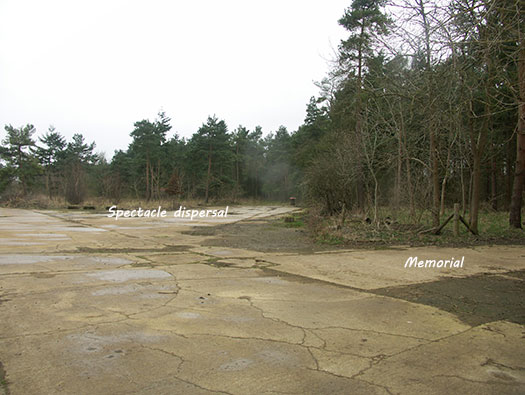
Spectacle dispersals.
The road from the memorial meets the perimeter track here and in front are several spectacle/loop dispersals.
19 February 2006

RAF Down Ampney, Gloucester
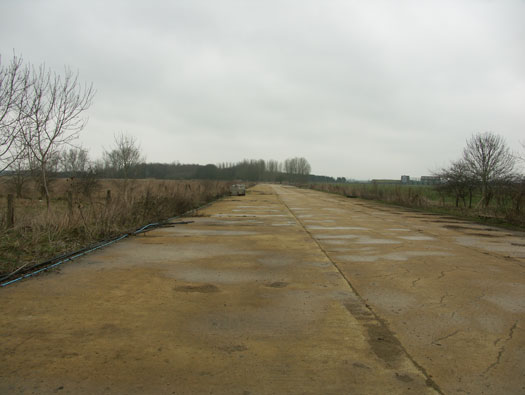
Perimeter track 50ft wide, enough for any heavy bomber to move from a dispersal to the runway or back.
Most of the perimeter track is still in place and makes a pleasant walk (in good weather). 50ft wide lumbering Dakotas would wonder from their dispersals out to which ever runway to take off.
19 February 2006
RAF Down Ampney, Gloucester
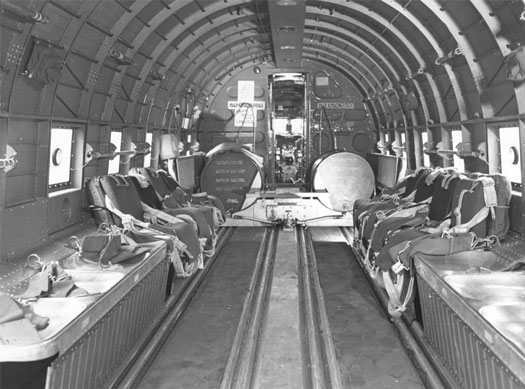
Inside a Dakota that could be used to parachute troops.
19 February 2006
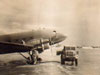
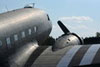
RAF Down Ampney, Gloucester
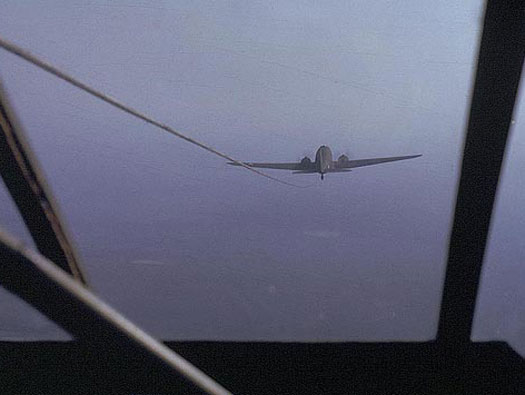
On tow behind an RAF Dakota.
21 June 2009
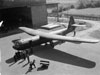
RAF Down Ampney, Gloucester

Horsa glider inside view.
RAF Down Ampney, Gloucester
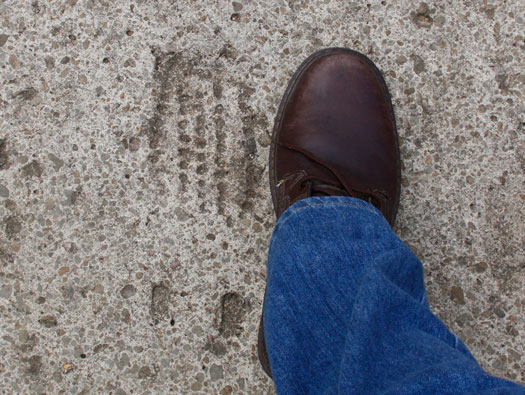
A row of steel shod boot marks wonder their way across the wet concrete. My foot is size nine.
21 June 2009
RAF Down Ampney, Gloucester
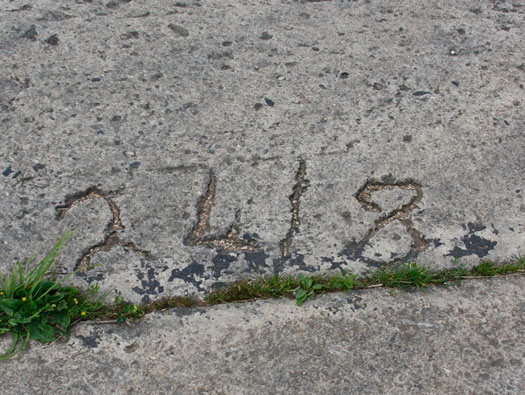
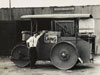
Each concrete square was numbered, recorded and checked to see if the concrete was strong enough.
21 June 2009

RAF Down Ampney, Gloucester
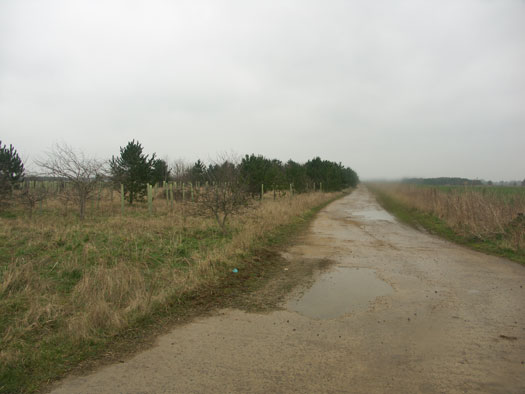
E/W runway.
Now just a small roadway, but then a 150ft wide runway.
19 February 2006
RAF Down Ampney, Gloucester
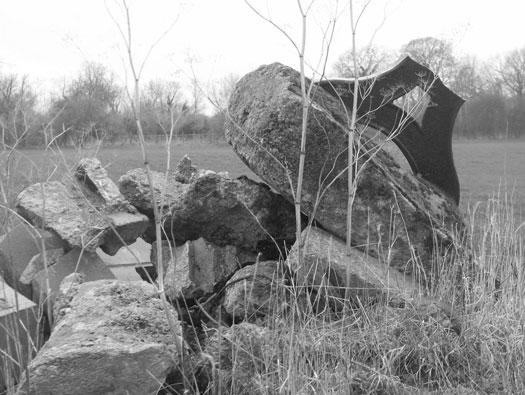
Items left in piles on the edge of the perimeter track.
All sorts of bits and pieces, a metal stand, concrete, stones used in runway construction and wire from the airfield lighting.
19 February 2006
RAF Down Ampney, Gloucester
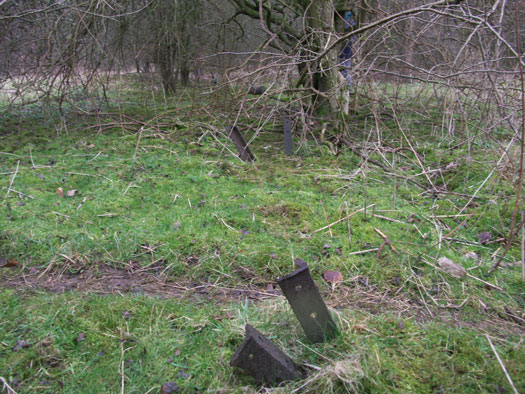
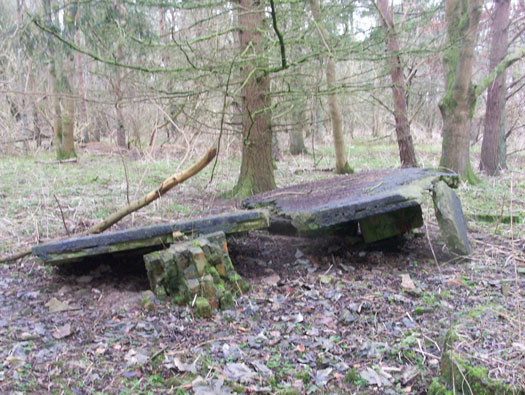
Airfield site (Technical site).
Braithwaite water tower foundations.
19 February 2006
RAF Down Ampney, Gloucester
19 February 2006
RAF Down Ampney, Gloucester
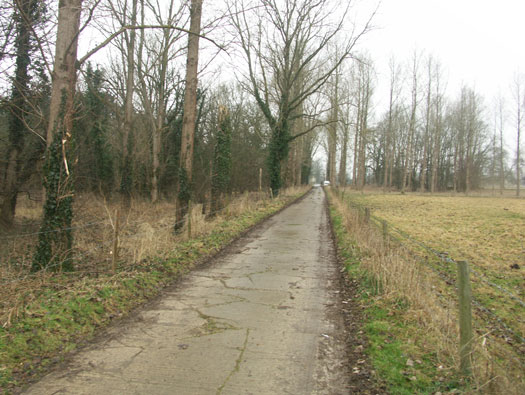
The road to the dispersed sites.
19 February 2006
RAF Down Ampney, Gloucester
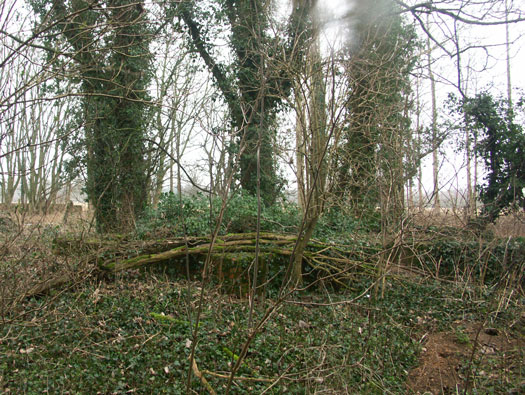
Hut base.
19 February 2006
RAF Down Ampney, Gloucester
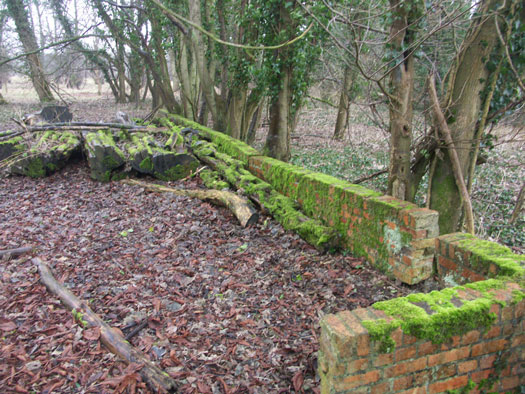
Hut Foundations, I am guessing this was a wooden hut?
19 February 2006
RAF Down Ampney, Gloucester
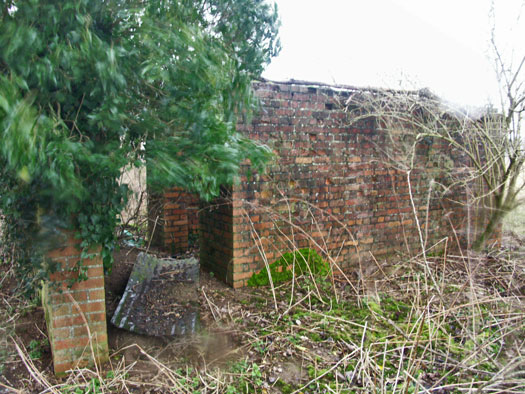
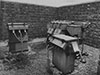
M&E plinth.
If the mains power went off, generators in the standby set house would start up. Power would be pushed around a ring main connected to these Mechanical & Electrical plinths. Then power could be drawn from here to the main areas needed.
19 February 2006

RAF Down Ampney, Gloucester
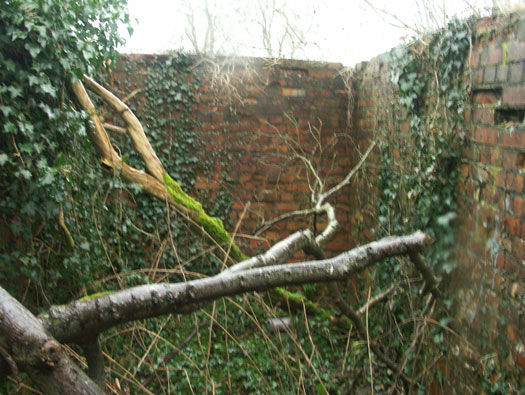
M&E Plinth inside.
Every plinth I have seen has either nothing in them or a different mechanical fitting??
19 February 2006

RAF Down Ampney, Gloucester
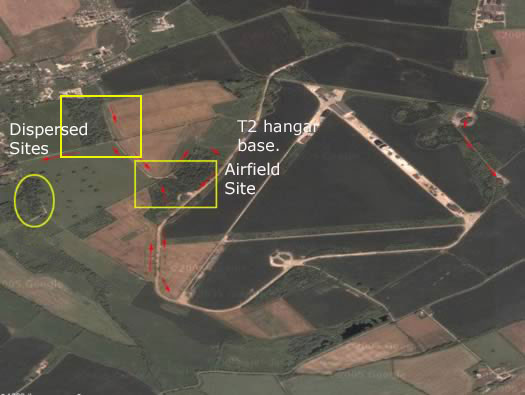
The route we took in February 2006.
19 February 2006
RAF Down Ampney, Gloucester
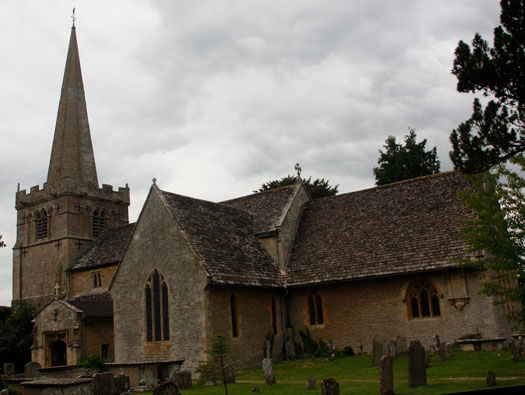
All Saints Church, Down Ampney.
Although the RAF had its own religious organization. The Royal Air Force Chaplains Branch. They would have used the church on many occasions.
21 June 2009
RAF Down Ampney, Gloucester
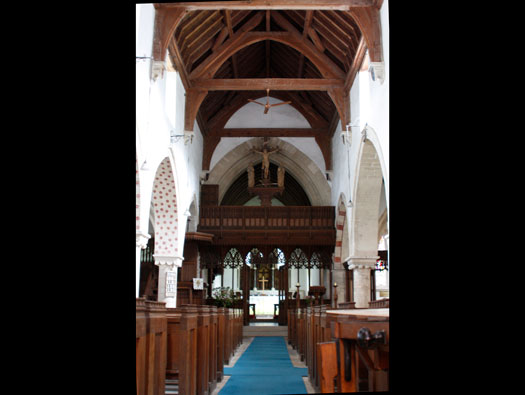
All Saints Church, Down Ampney.
21 June 2009
RAF Down Ampney, Gloucester
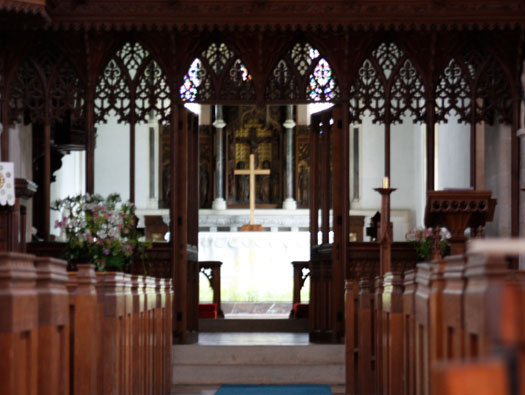
All Saints Church, Down Ampney.
21 June 2009
RAF Down Ampney, Gloucester
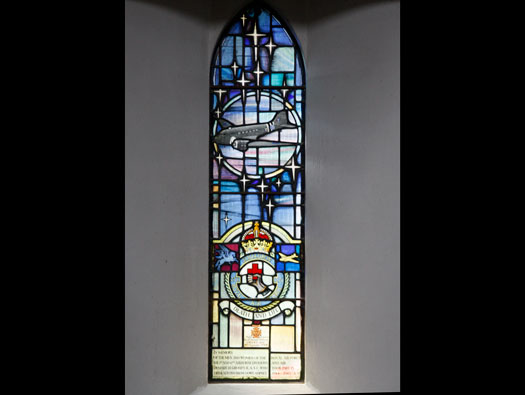
All Saints Church, Down Ampney.
Memorial window.
21 June 2009
RAF Down Ampney, Gloucester
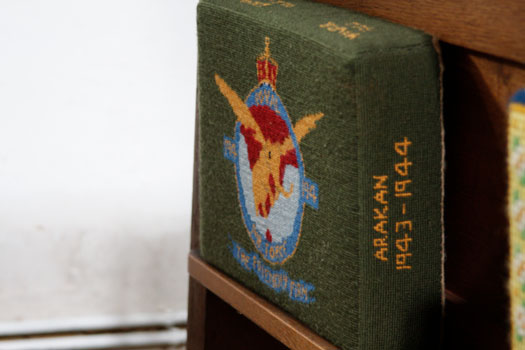
All Saints Church, Down Ampney.
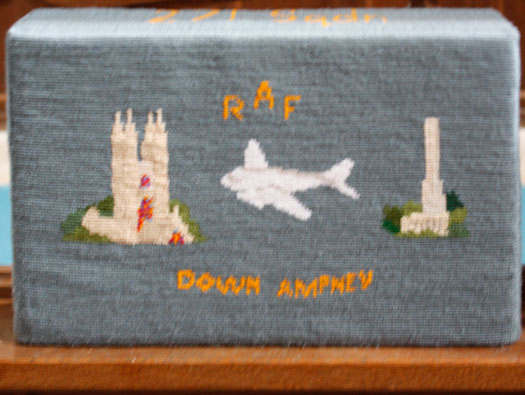
Kneeling pads.
21 June 2009
RAF Down Ampney, Gloucester
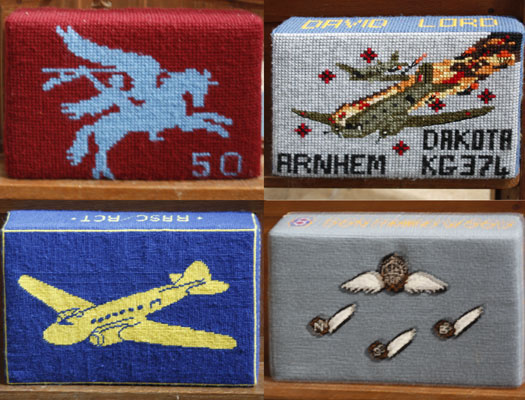
21 June 2009
RAF Down Ampney, Gloucester
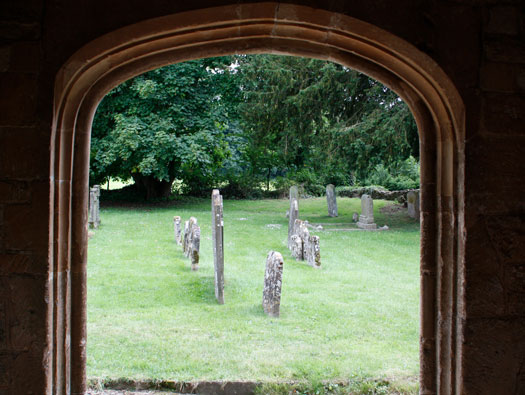
All Saints Church, Down Ampney.
21 June 2009
RAF Down Ampney, Gloucester
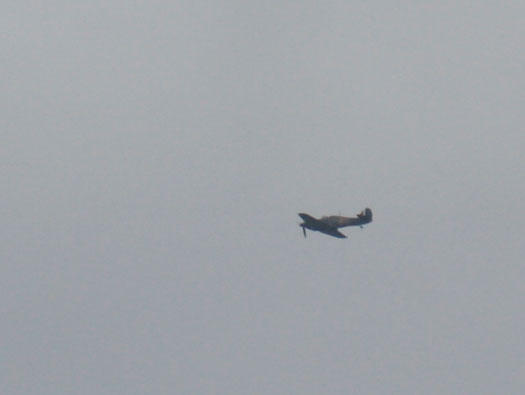
Flying over whilst we visited in June 2009.
21 June 2009
RAF Down Ampney, Gloucester
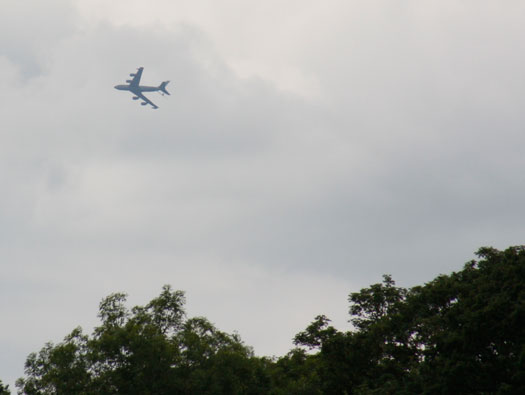
Flying over whilst we visited in June 2009.
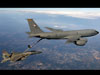
USAF flight re fueling. Possibly a KC-135 Tanker.
21 June 2009
RAF Down Ampney, Gloucester
19 February 2006