Browse Archive
Browse every recorded site in the archive by country, region and sector.
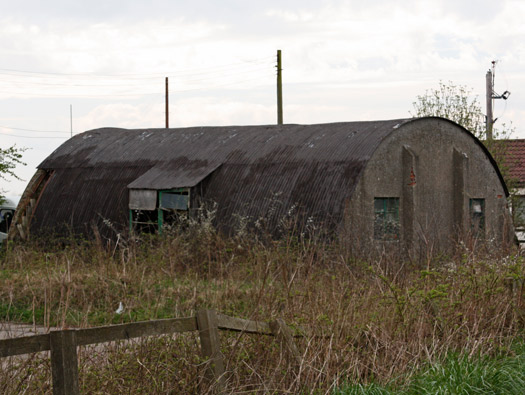
RAF Dalton, Yorkshire.
RAF Dalton began its operational life as a grass satellite airfield in Yorkshire. During the Second World War, it was significantly developed into a full 'A' Class bomber station, serving as a critical base for Allied air operations.
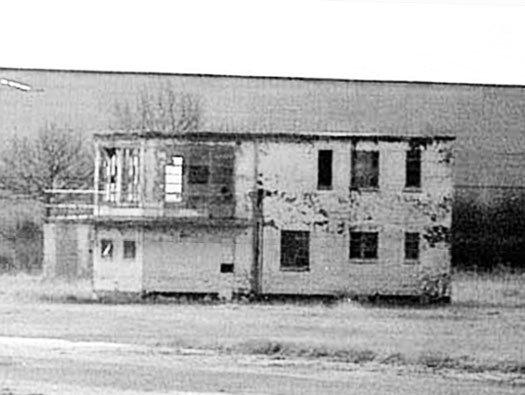
RAF Barford St John, Oxfordshire
RAF Barford St John served as a Royal Air Force bomber airfield during the Second World War. The base was extensively equipped, featuring a main east-west runway, two additional runways, and numerous circular bomber dispersals. Its facilities included a comprehensive 'A' class bomb store, multiple…
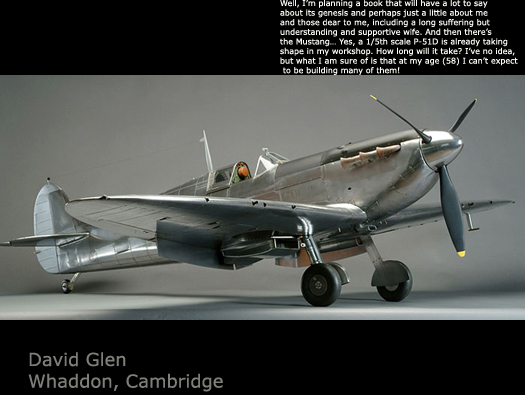
Spitfire Wreck Recovery (Old Site)
The Spitfire Wreck Recovery in Dorset marks the location where a significant World War Two fighter aircraft was recovered. The Spitfire played a pivotal role in defending the nation's skies and achieving air superiority during the conflict. Recoveries such as this offer invaluable insights into…
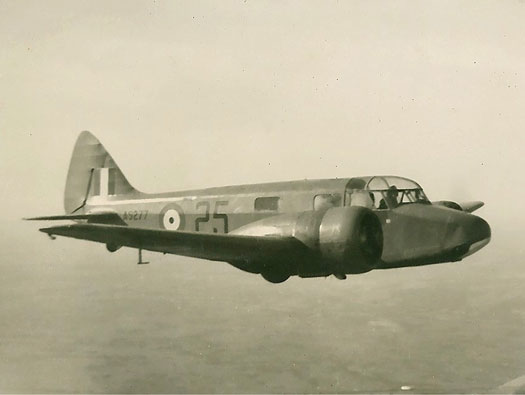
RAF Warwick RLG
RAF Warwick RLG was a Royal Air Force relief landing ground situated south of Warwick on the Stratford Road. Operating from the large grass field known as Tournament Field, it primarily supported the training of pilots, specifically those flying the Airspeed AS.10 Oxford II. This auxiliary airfield…
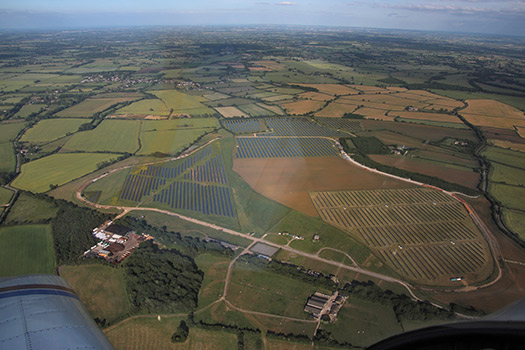
RAF Long Newnton, Wiltshire Airfield Site
RAF Long Newnton Airfield Site operated as a Royal Air Force airfield throughout World War Two. It served in supporting the broader aerial operations of the conflict, contributing to the Allied air effort.
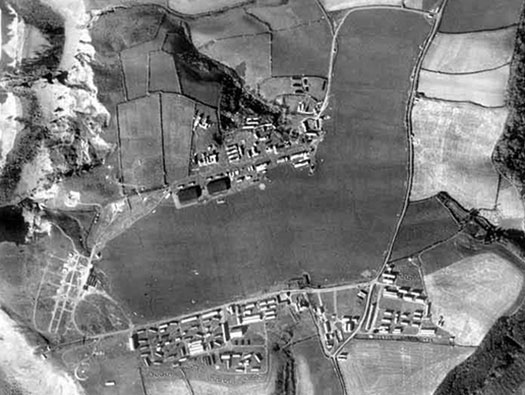
RAF Cleave, Cornwall
RAF Cleave, positioned atop a cliff in Somerset, England, operated as a vital Royal Air Force station throughout the Second World War. Situated approximately 400 feet above sea level, it was used as by the RAF for target tug aircraft for the army's anti aircraft training camp which was situated on…

Bushes Farm Auxiliary Unit Hide, Dorset
Bushes Farm Auxiliary Unit Hide in Dorset was a secret underground bunker constructed during World War Two. Its military purpose was to house a local cell of the British Resistance, known as an Auxiliary Unit, intended to conduct guerrilla warfare in the event of a German invasion. This hide was a…
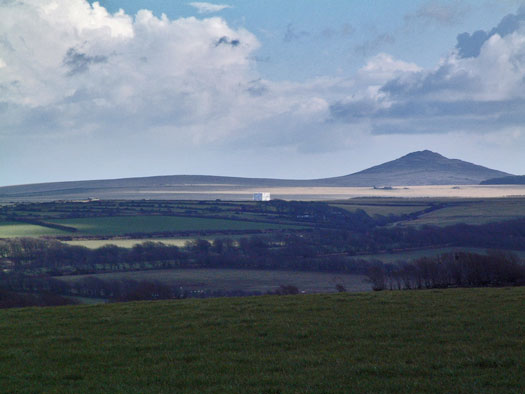
RAF Davidstow Moor Airfield
Highest airfield in the UK (970ft), built 1941-42 for RAF Coastal Command. 11 squadrons flew from here, including two D-Day squadrons; on-site museum today.
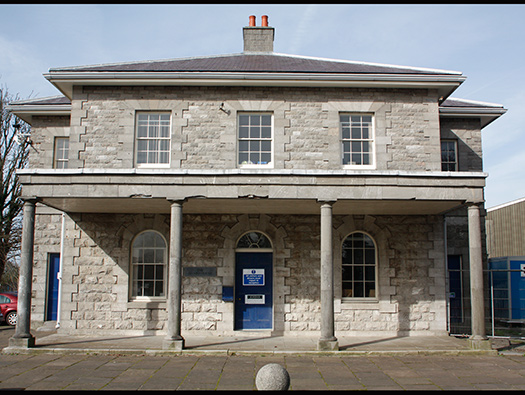
RAF Pembroke Dock
RAF Pembroke Dock was established in 1930 as a Royal Air Force flying boat base in South Wales, reusing facilities from a former Royal Navy dockyard. During the Second World War, it served as a vital Coastal Command station, becoming the world's largest flying boat base and hosting ten different…
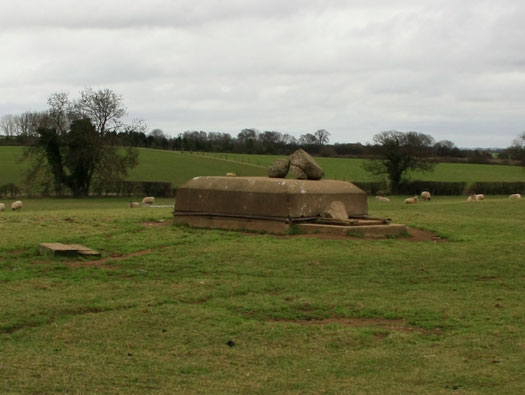
RAF Stratford Airfield Site
RAF Stratford Airfield Site, originally known as RAF Atherstone until 1942, served as a satellite airfield for RAF Wellesbourne Mountford during World War Two. It played a role in the wartime aerial defense and operations of the region. Though now farmland, remnants like visible runways, a B1…
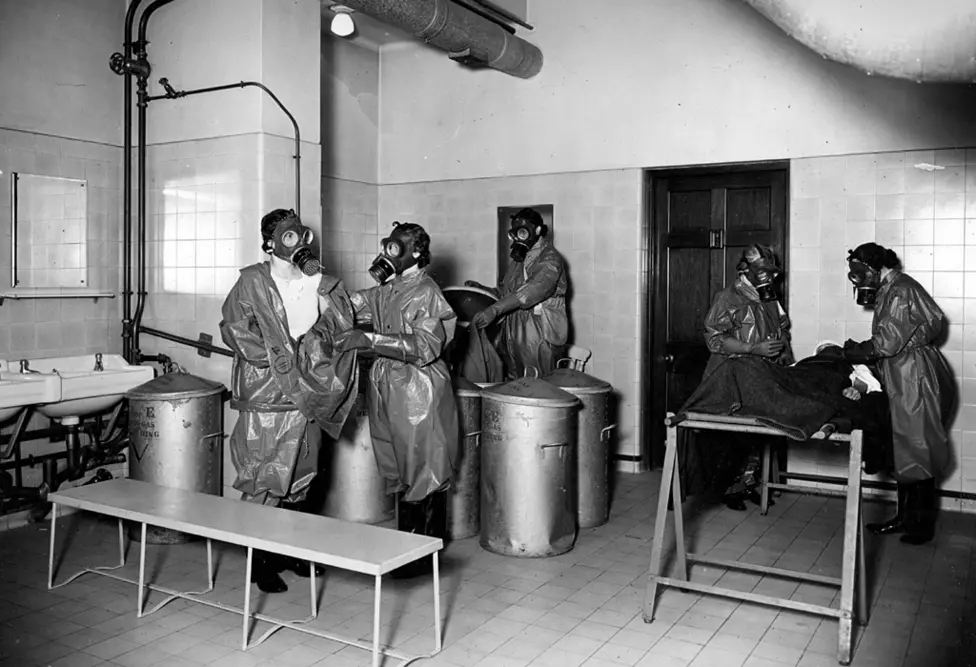
RAF Long Newnton, Wiltshire, Decontamination Building
RAF Long Newnton's Decontamination Building was constructed in the 1930s, a direct response to the British military's concerns over gas attacks after World War One. This facility was essential for protecting airmen and ground staff, demonstrating the serious threat of chemical warfare in pre-World…
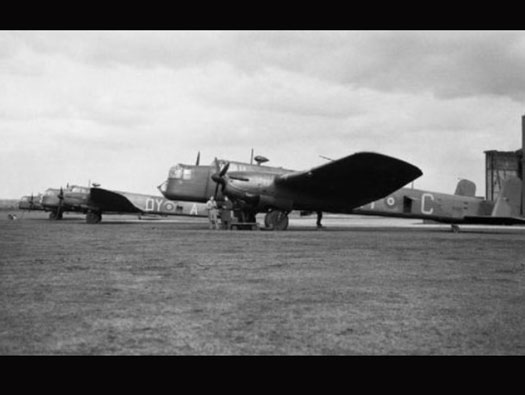
RAF Dishforth, Yorkshire
RAF Dishforth, located in Yorkshire, served as a Royal Air Force station throughout World War Two. It played a role in supporting Allied air operations, hosting various squadrons and aircraft. Its strategic position in Northern England contributed to its importance in the broader war effort.
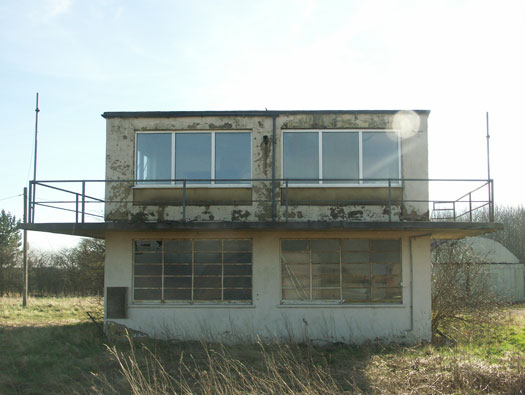
RAF Enstone, Oxfordshire
RAF Enstone was a satellite airfield in Oxfordshire, constructed around 1942 to support the expanding operations of Bomber Command during the Second World War. Completed in 1943.
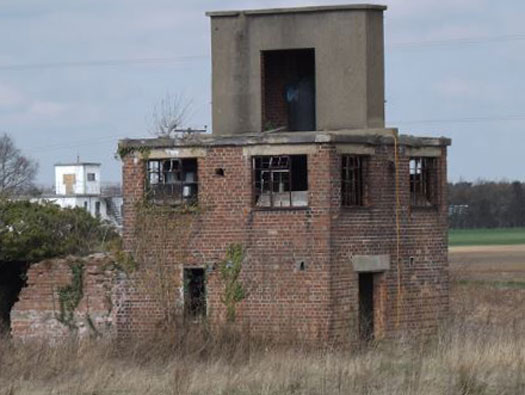
RAF Tholthorpe, Yorkshire.
RAF Tholthorpe was an aerodrome established northwest of York in late 1940, initially operating as a satellite airfield for Linton-on-Ouse. Its grass runways proved unsuitable for 'Whitley' aircraft during the winter of 1940/41, leading to a significant upgrade to concrete runways in 1941. This…
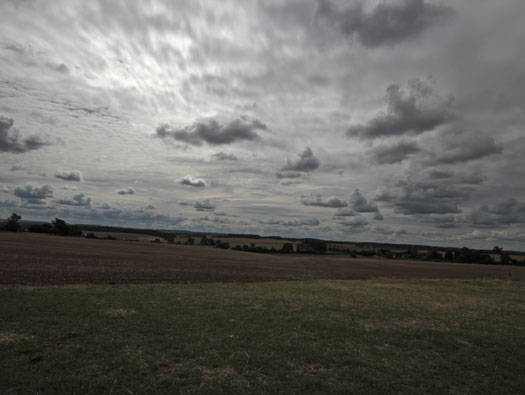
RAF Ramsbury, Wiltshire USAAF Station No.469.
RAF Ramsbury, Wiltshire. Construction started in 1941 and was completed by Aug 42. Initially with 33 frying pan dispersals and another 20 scissor type followed later. Two T2 hangers provided undercover maintenance.
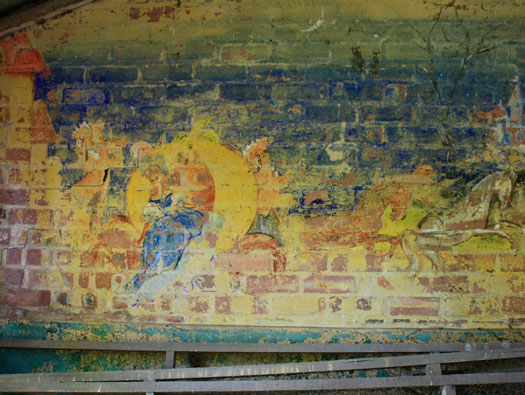
RAF Stratford, Dispersed Sites
RAF Stratford, Dispersed Sites, operated as a Royal Air Force installation in Warwickshire during World War Two. Its dispersed nature was crucial for safeguarding valuable assets and operations from enemy attack. The site played a vital role in supporting the broader Allied air effort and the…
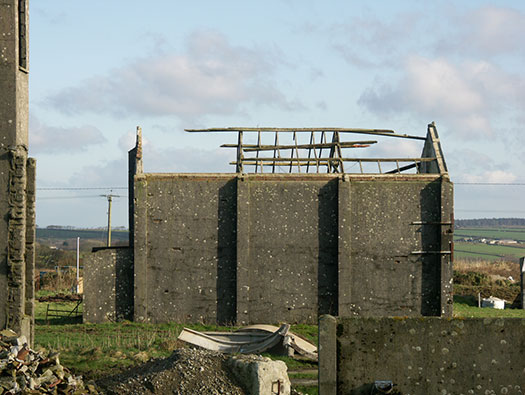
RAF Davidstow Moor Communal No.1
The airfield's main communal hub — mess halls, NAAFI, a squash court and gymnasium — and site of the Commanding Officer's own quarters.
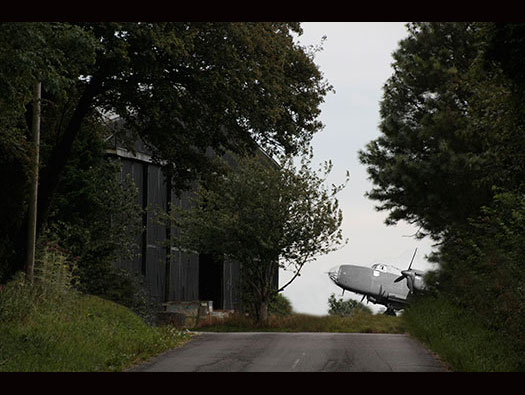
RAF Tarrant Rushton, Dorset Airfield Site,
RAF Tarrant Rushton, Dorset, was a Royal Air Force airfield operational during World War Two. Situated on a hilltop east of Blandford Forum, it offered expansive views across Dorset and Badbury Rings.
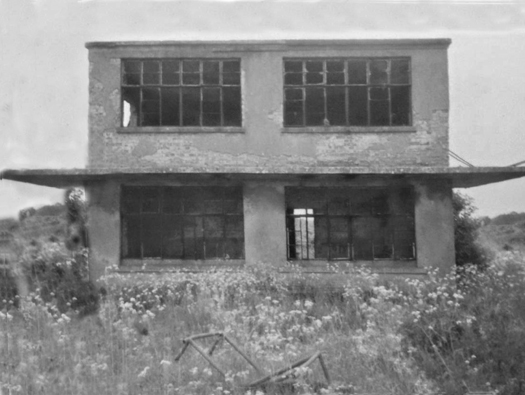
RAF Chipping Norton, Oxfordshire
RAF Chipping Norton in Oxfordshire served as a Relief Landing Ground before becoming a significant training airfield during World War Two. It hosted the Service Flying Training School, which operated North American Harvard and Airspeed Oxford aircraft, and later functioned as part of the 6 (Pilot)…
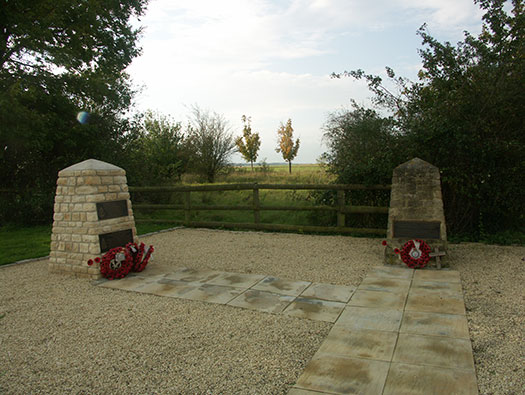
RAF Blakehill Farm, Wiltshire
RAF Blakehill Farm was a Royal Air Force station situated in Wiltshire, England. During World War Two, the airfield served as an operational base supporting Allied air activities. Its strategic role contributed to the broader military efforts of the conflict.
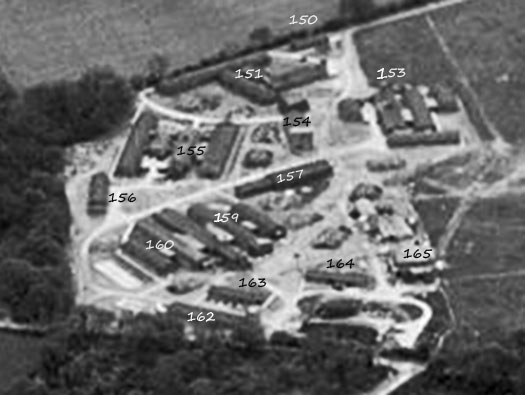
RAF Tarrant Rushton, Dorset Dispersed Sites
RAF Tarrant Rushton served as a Royal Air Force station in Dorset during the Second World War, primarily involved in airborne operations and special duties. From Tarrant Rushton, crucial glider-borne assaults were launched during D-Day and Operation Varsity, and it played a vital role in secret…
RAF Davidstow Moor, No.5 - RAF Communal No2
RAF Davidstow Moor, No.5 - RAF Communal No2, was a crucial support area for the main airfield during World War Two, providing essential facilities for personnel. This communal site featured Officers' and Sergeants' Messes, an Institute for airmen, and important infrastructure including six Stanton…

RAF Long Marston Airfield
Bomber OTU airfield (24 & 23 OTU, 1941-45) near Stratford-upon-Avon. Surviving Battle HQ with three "Oakington"-type pillboxes and an Air Ministry Bombing Teacher building.
RFC/RAF Weston-on-the-Green, Oxfordshire
RFC/RAF Weston-on-the-Green operated as a significant military airfield, serving the Royal Flying Corps during World War I and the Royal Air Force throughout World War II. The site retains many of its original structures, including a T2 hangar and former mess halls, offering a well-preserved example…
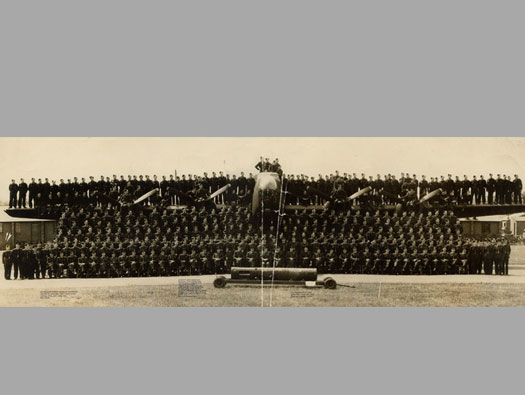
RAF East Moor, Yorkshire.
RAF East Moor was a 'Type A' bomber airfield, purpose-built in Yorkshire in 1942. It was equipped with three runways, three hangars, and extensive aircraft dispersals, supporting over 2000 men and 400 WAAF personnel for bomber operations during the war.
Recently Added
Führerhauptquartier ‘Wolfsschlucht 2’ Flakstellung ‘16’, Margival, Soissons, France.
Flakstellung ‘16’ was an anti-aircraft artillery position situated at Führerhauptquartier ‘Wolfsschlucht 2’ near Margival, France. Its primary purpose was to defend this vital Führer Headquarters from Allied air assaults during World War Two. Wolfsschlucht 2 served as a significant command center…
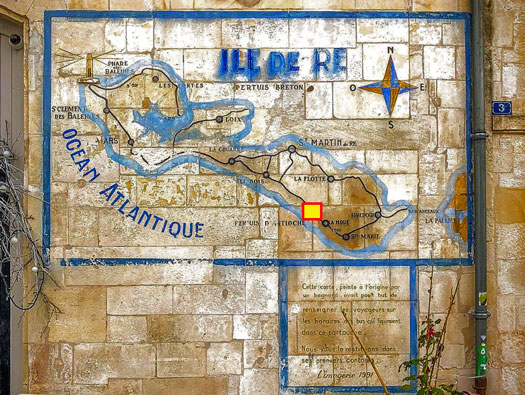
Ro414 La Noue ´Fanny´, K.V.G Süd Ile de Ré, A.O.K.1 Vendée
Ro414 La Noue ´Fanny´ was a German strongpoint located on the heavily fortified Île de Ré, an Atlantic coast island. Its primary military purpose was to contribute to the extensive defenses protecting the vital U-boat bunker at La Pallice. The German army and navy extensively fortified the island to…
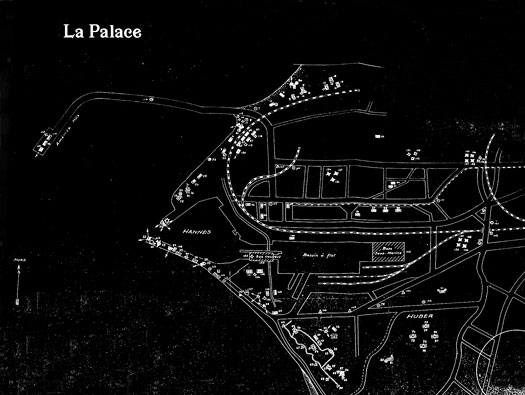
La Pallice 'Mitte' U-Boote Pen, K.V.Gr Süd La Rochelle, AOK 1 / KVA D, Charente Maritime
La Pallice 'Mitte' U-Boote Pen was a German U-boat base situated in La Pallice, France, during World War Two. Following the fall of France, it became a vital facility for U-boats launching operations against Allied shipping in the Atlantic Ocean. Initially constructed with eight pens, the complex…
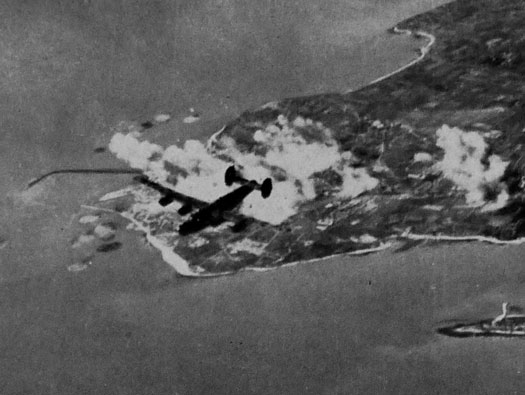
La Pallice, Sk U-Schleuse, K.V.Gr Süd La Rochelle,AOK 1 / KVA D, Charente Maritime
La Pallice, Sk U-Schleuse, located within the K.V.Gr. Süd La Rochelle/La Pallice sector in France, served as a crucial protected tidal sluice. Its military purpose was to fortify the entrance to La Pallice port, shielding it from vulnerable bomber attacks during World War Two. This strategic…
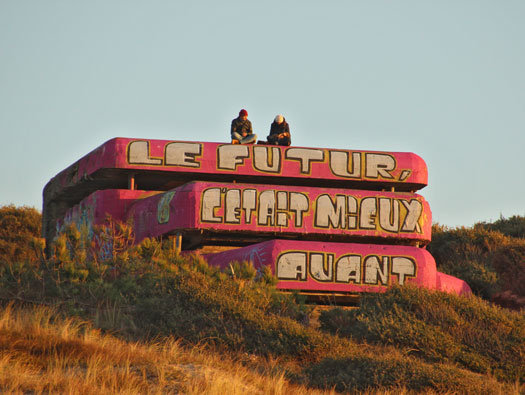
Gi307 Les Arros 'Reichenberg' M.K.B. FCP, Gironde Süd K.V.A. E1, A.O.K.1
Les Arros 'Reichenberg' was a significant German Marine Kusten Batterie, Battery 2./M.A.A.618, located just north of Soulac-sur-Mer, France. Its M157 Fire Control Post was instrumental in directing the artillery fire of a medium battery, serving as a critical component of the Atlantic Wall's coastal…
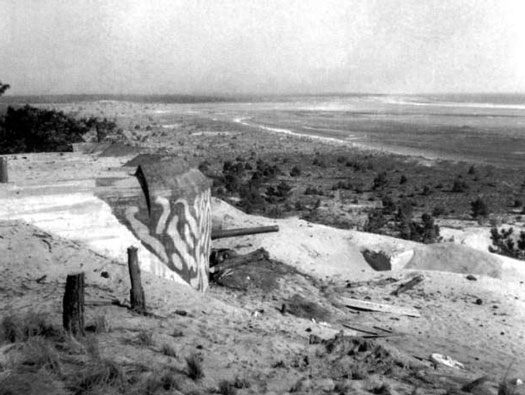
Gi09 Bon Anse 'Cosel' , M.K.B.Coubre-Ost, Accommodation and Ammunition Storage (North site).
Gi09 Bon Anse 'Cosel' was a crucial accommodation and ammunition storage facility located in Gironde Nord, France, during World War Two. Serving M.K.B.Coubre-Ost, it also functioned as a casualty assembly area. Strategically situated on a former railway line, Gi09 Bon Anse 'Cosel' enabled vital…
![Wn17 de Colleville ('Hohe 61') [Hillman], R806/SK Command Bunker](https://firebasestorage.googleapis.com/v0/b/atlantikwall-a75d6.firebasestorage.app/o/archive-images%2F28cb9eb8.jpg?alt=media)
Wn17 de Colleville ('Hohe 61') [Hillman], R806/SK Command Bunker
Wn17 de Colleville, also known as Hillman, was a fortified German command bunker complex located in the K.V.Gruppe River-Bella sector of Normandy. It served as the command post for the 1st Battalion of Artillery Regiment 1716, overseeing German artillery positions defending the approaches to Sword…
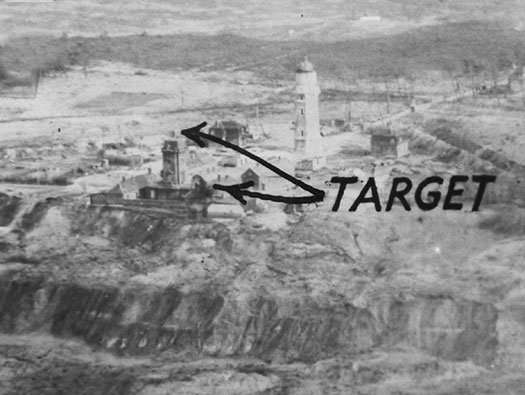
Marg02 Phare d'Ailly, StP Gruppe, Ste Marguerite, K.V.A.'E2', AOK 15 Haute-Normandie.
Phare d'Ailly served as a German radar and observation post overlooking the English Channel during World War Two. Equipped with two radar units, it was a critical early warning asset for the German forces in Haute-Normandie. The original lighthouse tower, which housed one of the radar installations,…
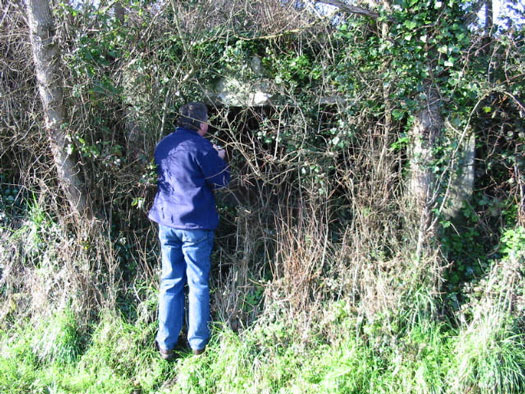
StP234 Batterie Hamburg M.K.B., Souterraine, K.V.U.Gruppe Cherbourg See, KVR J1, Normandy.
StP234 Batterie Hamburg M.K.B. was a German naval coastal battery in Normandy, France, integral to the Atlantic Wall's defenses for the Cherbourg sector. Its purpose was to provide long-range coastal defense, featuring significant concrete emplacements for large calibre guns, complemented by a…
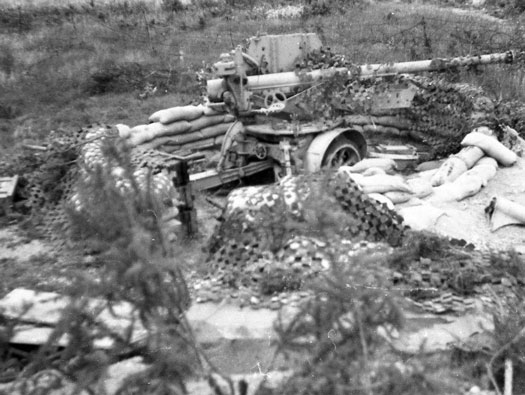
StP234 Batterie Hamburg M.K.B., Flak. K.V.U.Gruppe Cherbourg See, KVR J1, Normandy.
StP234 Batterie Hamburg M.K.B. was a German anti-aircraft battery positioned in Normandy, France, during World War Two. This FLAK installation, part of the K.V.U.Gruppe Cherbourg See, served to protect the vital Cherbourg sector and surrounding coastal defenses from Allied aerial threats,…
![Wn17 de Colleville "Hohe 61" [Hillman], K.V.U.Gr Riva-Bella, 1st Battalion, Suffolk Regiment. D-Day, 6 June 1944 Video.](https://firebasestorage.googleapis.com/v0/b/atlantikwall-a75d6.firebasestorage.app/o/archive-images%2F1785866913149-j88kx4.jpg?alt=media)
Wn17 de Colleville "Hohe 61" [Hillman], K.V.U.Gr Riva-Bella, 1st Battalion, Suffolk Regiment. D-Day, 6 June 1944 Video.
Strongpoint Hillman, officially designated Wn17 de Colleville, was a formidable German resistance nest within the Atlantic Wall defences in Normandy, France. Positioned to defend the Riva-Bella sector, it became a crucial objective for British forces on D-Day, 6 June 1944. Its capture by the 1st…
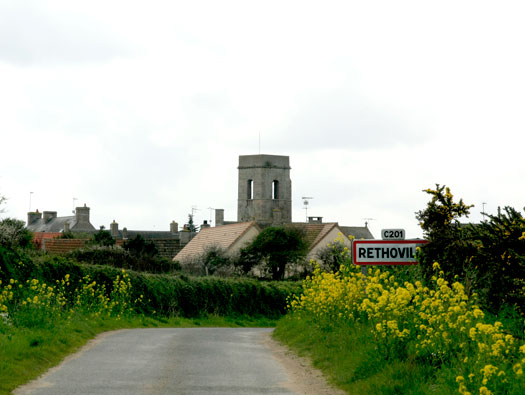
Wn156 Réthoville, K.V.U.Gruppe Barfleur, K.V.Gr. Cotentin Ost, KVR J1, Normandy.
Wn156 Réthoville was a church tower repurposed as Peilstand Ost, the eastern observation post, for Battery Hamburg-West. Officially designated StP234 Batterie Hamburg Marine Kusten Artillerie, it played a crucial role in directing coastal artillery fire in the Normandy region.
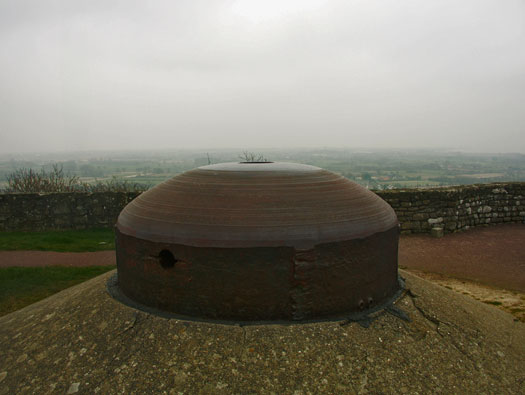
Wn144 La Pernelle observatoirs, K.V.U.Gruppe Barfleur, K.V.Gr. Cotentin Ost, KVR J1, Normandy.
Wn144 La Pernelle observatoirs was a German strongpoint positioned on high ground overlooking St-Vaast harbour in Normandy, France. This crucial defensive complex housed two artillery batteries, an observation post, a large command bunker, and radar installations. It served as a vital part of the…

Havre de Roubary, Gatteville, Point de Barfleur.
In most captured ports along the Atlantikwall, the navy had to setup anti-submarine barriers to stop submarines and in shallower waters, small ships entering the ports. These were nets made of steel rings like chain mail of the olden days, with a string of buoys to hold them in place. If a ship/boat…
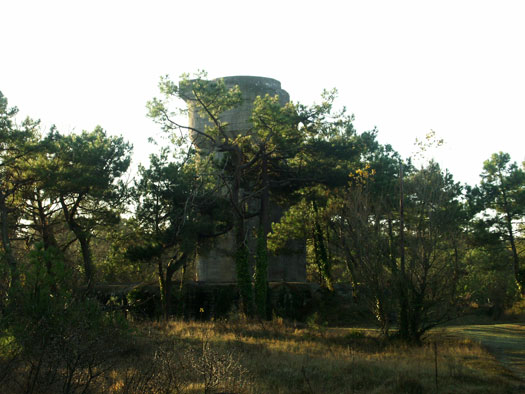
S497 Fire Control Post, M.K.B. Ro429 " Korola",K.V.Gr Süd Ile de Ré, KVA D, A.O.K.1, Vendée
The S497 Fire Control Post, M.K.B. Ro429 "Korola", was a German Atlantic Wall fortification located on Ile de Ré during World War Two. Its crucial military purpose was to direct fire for the coastal artillery battery, providing essential naval defense capabilities for the region.
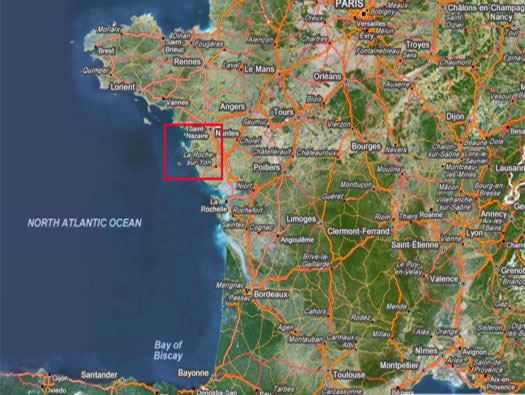
Ro425 ´Kora´, Ro429 'Korola', Ro424 'Käthe', K.V.Gr Süd Ile de Ré, KVA D, A.O.K.1, Vendée.
Ro425 ´Kora´, Ro429 'Korola', and Ro424 'Käthe' were interconnected German coastal defense strongpoints located on Île de Ré, France. These positions formed a crucial part of the Küsten Verteidigungs Gruppe Süd, contributing to the Atlantic Wall's extensive fortifications designed to repel Allied…
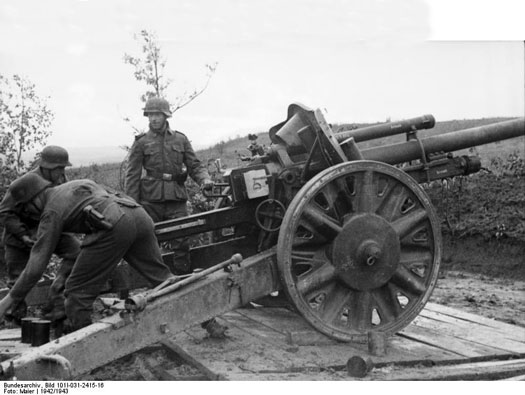
Ra110 Pont Gilles,K.V.U.Gruppe Cancale, K.V.Gruppe Rance K.V.A. A1, A.O.K. 7
Ra110 Pont Gilles was a German Widerstandsnest, or strongpoint, situated within the K.V.Gruppe Rance sector in Brittany, France. It served as a vital component of the Atlantic Wall's extensive coastal defenses, designed to protect the Rance estuary from Allied invasion. The strongpoint's strategic…
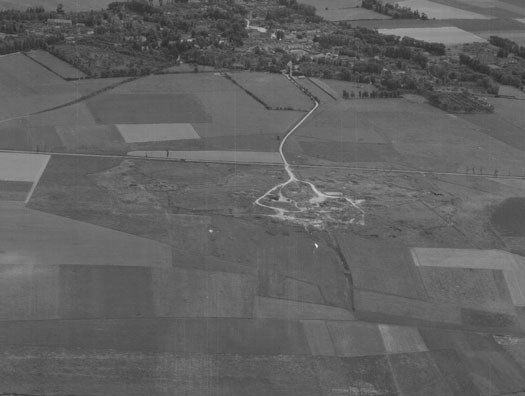
FuMG "Fliege", StP.Gruppe St Valéry en Caux, K.V.A. 'E2', Haute-Normandie
FuMG "Fliege" was a critical Luftwaffe night fighter radar station situated within StP.Gruppe St Valéry en Caux, Haute-Normandie. Its primary purpose was to control night fighter operations, utilising advanced Würzburg Riese and Freya radar systems for detection and guidance. The station was notable…
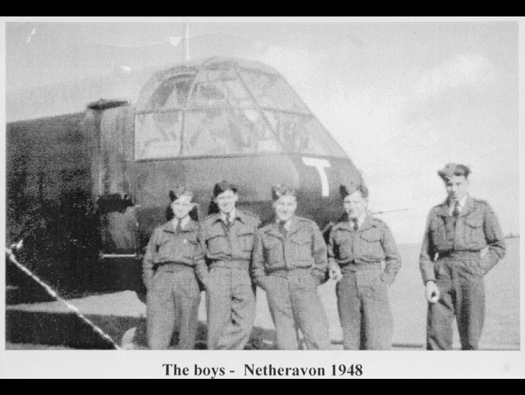
RAF Netheravon, Wiltshire British Gliders And Planes Landing (1943) at Netheravon.
RAF Netheravon in Wiltshire was a key Royal Air Force base during World War Two. In 1943, it notably facilitated the landing of British gliders and planes, serving a crucial role in the development and execution of airborne operations. Its activities were integral to the broader Allied war effort.
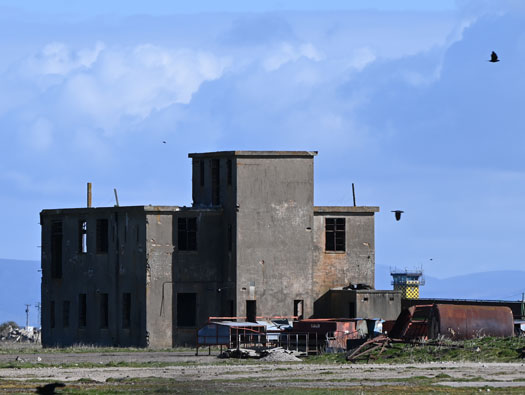
RAF Tain, Ross-shire, Scotland.
RAF Tain was an airfield established in 1940, opening as a Fighter Sector Station in September 1941. It also served as a forward base for bombers involved in potential attacks on the German battleship Tirpitz.